

Fastener Inserts | Hebei Wotu Fastener Manufacturing Co., Ltd.
Fastener Inserts for Threaded Joints
Fastener inserts add a durable threaded or joining point to materials that cannot hold a conventional tapped thread reliably. The right choice depends on the base material, the load on the joint, the available installation method and whether the joint may need repeated assembly.
Start by defining the application: thin sheet metal may call for a rivet nut or clinch insert, while plastic, wood or composite parts may need a molded-in, heat-set, press-fit or threaded insert. Choosing by thread size alone can lead to spinning, pull-out or damage to the surrounding material.
Choose the right insert for the joint
The main distinction is between inserts installed during part manufacture and inserts added after the part is formed. Molded-in or heat-set inserts can provide a clean threaded point in plastic components, while rivet nuts, clinch inserts and similar fasteners are suited to existing panels or assemblies.
Installation access matters just as much as material compatibility. A blind insert can be installed from one side, but it may not suit every load or panel condition. Confirm the required thread, grip range, hole preparation and installation tool before selecting the insert style.
Match the insert to the base material. Thin sheet, soft plastic, hardwood and composite panels behave differently under tightening load. Consider whether the material can support forming, pressing, heat installation or expansion without cracking, distortion or loss of retention.
Check the joint load and service conditions. Repeated tightening, vibration, pull-out, side load, moisture and heat can change the best choice. A lightweight insert may suit a service cover but be unsuitable for a structural or frequently serviced joint. Ask what retention or load information is available for the intended material and installation method.
Plan the installation process. Rivet nuts require suitable access and tooling; clinch inserts depend on compatible sheet thickness and hardness; heat-set inserts require controlled installation in thermoplastic parts. Avoid choosing an insert that needs a tool or clearance your assembly line cannot provide.
Send the application details before requesting a quotation. Include the base material, panel or part thickness, thread size, hole condition, access from one or both sides and expected loading. Also ask Hebei Wotu Fastener Manufacturing Co., Ltd. which insert types it can supply, along with drawings, material information, finish options and installation guidance for your application.
| Criteria | Importance | Description | Example Options |
|---|---|---|---|
| Base material | Critical for retention and installation method | The insert must grip or bond to the material without cracking, stripping, loosening or distorting the part. | A thermoplastic housing may need a heat-set insert, while a thin steel panel may need a rivet nut or clinch insert. |
| Installation access | Often decides the insert style early | Some inserts require access from both sides, while blind styles can be installed from one side if the panel and load conditions suit the design. | A closed box section may require a one-sided installation method rather than a nut and bolt assembled from both sides. |
| Load and service frequency | Important for preventing pull-out, thread wear and loosening | A joint opened repeatedly or exposed to vibration needs more attention to thread durability, rotation resistance and retention in the base material. | A removable service cover may justify a stronger threaded insert than a light trim part installed once. |
| Hole preparation and tolerance | High impact on installation quality | The prepared hole must match the insert design. Oversized, tapered, burred or damaged holes can reduce grip and cause spinning or pull-out. | A rivet-style insert generally needs a controlled hole diameter and compatible panel thickness to form correctly. |
| Tooling and production process | Practical for cost, repeatability and assembly flow | The selected insert should match the tools, access space and process controls available in production or field installation. | A heat-set insert needs controlled heat and pressure, while a blind rivet nut needs a suitable setting tool. |
Product Selection
Related Options
For a panel that needs a serviceable threaded point after fabrication, prioritize an insert that installs with the available access and retains securely in the actual sheet or plastic thickness. For molded or machined components, give more weight to installation temperature, hole geometry and resistance to rotation or pull-out.







Blog Articles / Reviews
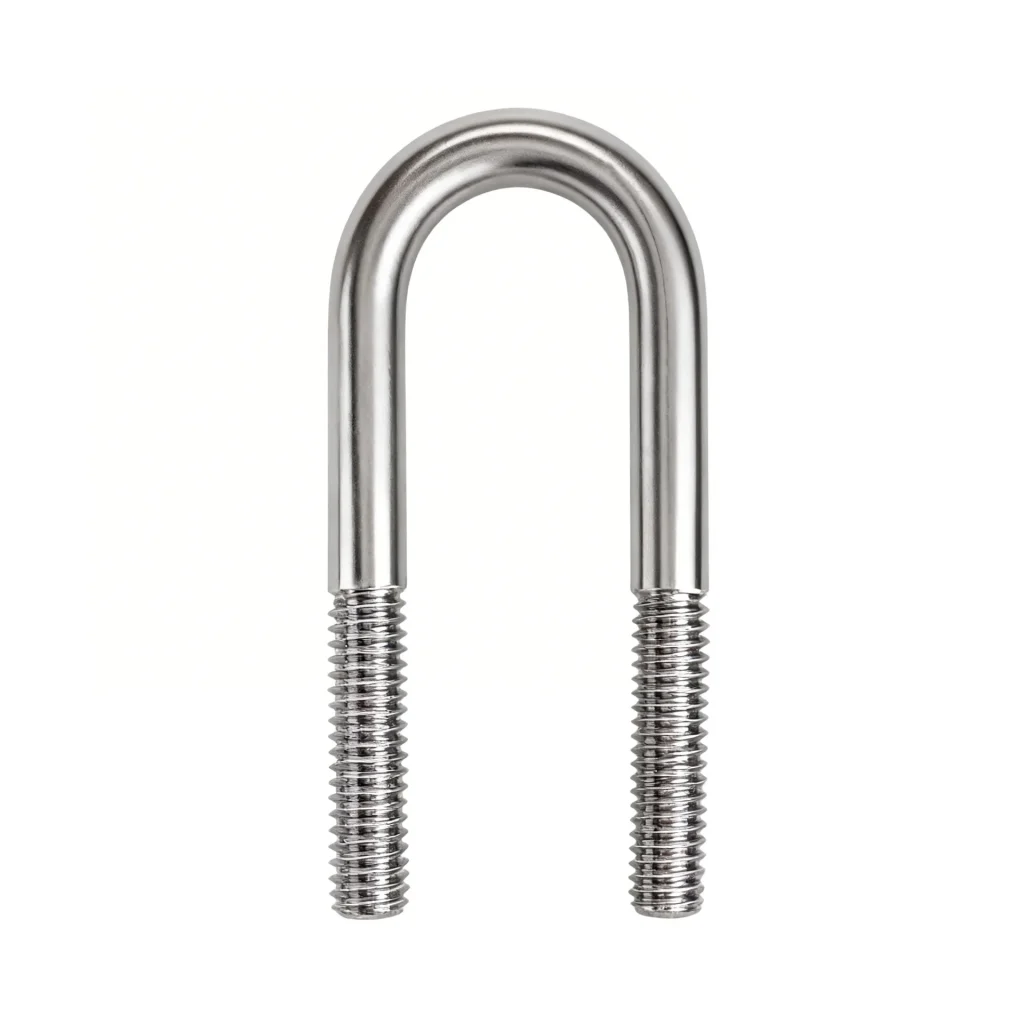
Which U-Bolt Measurements Must Buyers Provide Before a Quote?
For an M10–M24 U-bolt RFQ, buyers should send a dimensioned drawing that defines thread diameter, inside width, leg or overall length, bend geometry, thread length, application diameter, material or grade requirement, surface finish, matching nuts/washers, quantity, and packing needs. Nominal thread size alone is not enough because different measurement datums can produce U-bolts that look […]
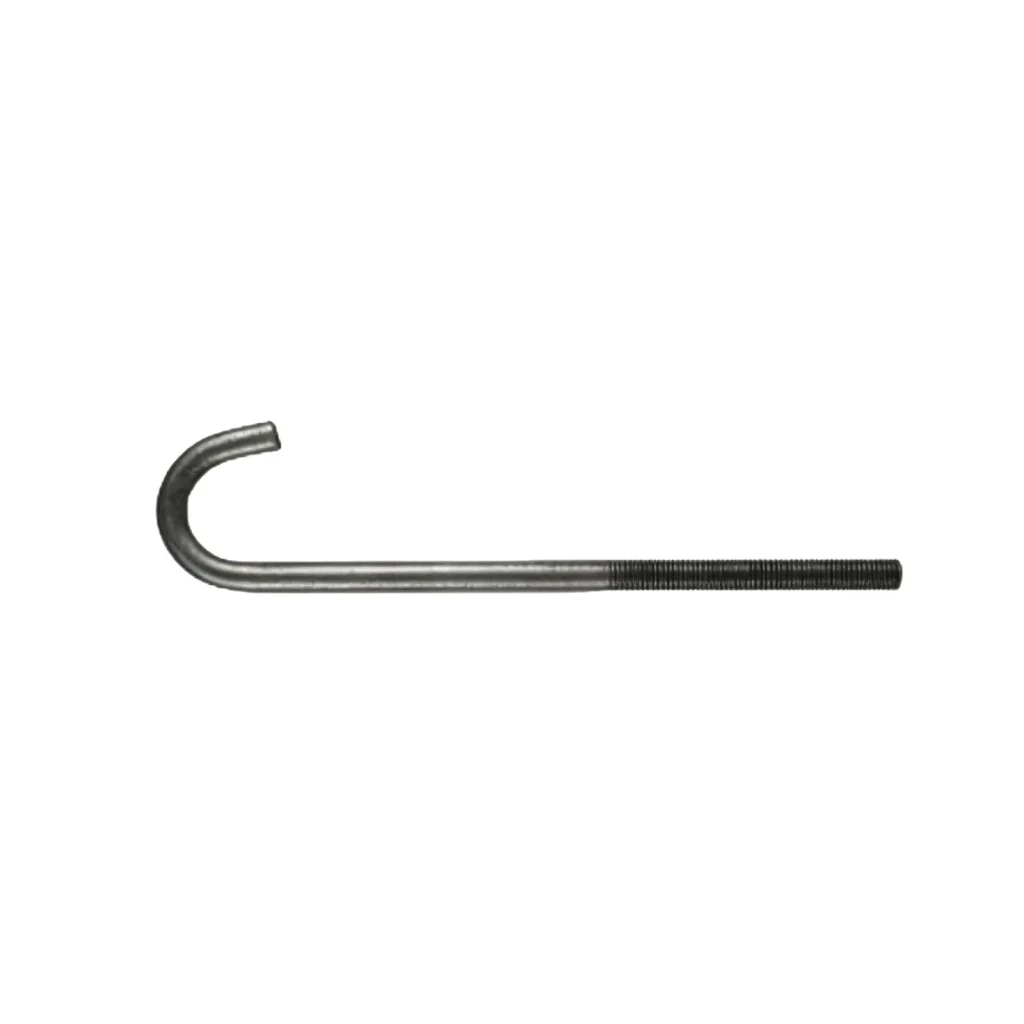
What Must Buyers Verify Before Ordering L-Shaped Anchor Bolts to an Older Standard?
When ordering L-shaped anchor bolts against an older standard, buyers should verify the standard’s current status, confirm the specification approved for the project, and reconcile the drawing, dimensions, material and foundation interface before releasing the purchase order. A legacy standard number on a product page or old drawing is not, by itself, sufficient evidence that […]
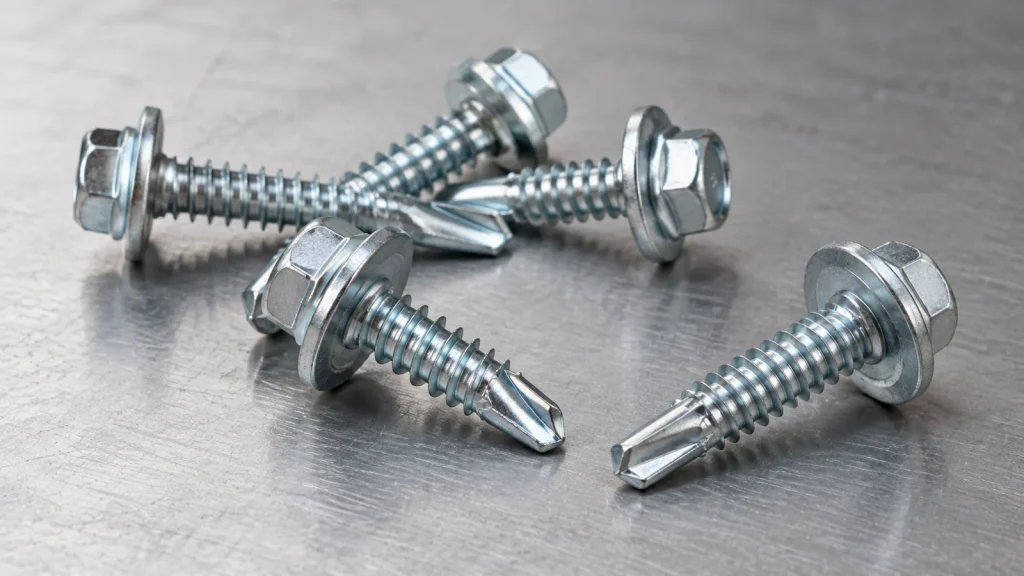
Hex Head Self-Drilling Screws with Cup Washers: Choosing Drill Point and Length
Choosing a hex head self-drilling screw with a cup washer requires more than selecting ST5.5 or ST6.3 and a nominal length. The drilling point must suit the steel it penetrates; the threaded section must engage the intended supporting material; and the head-and-washer assembly must seat correctly on the outer panel. A screw’s drilling capacity is […]
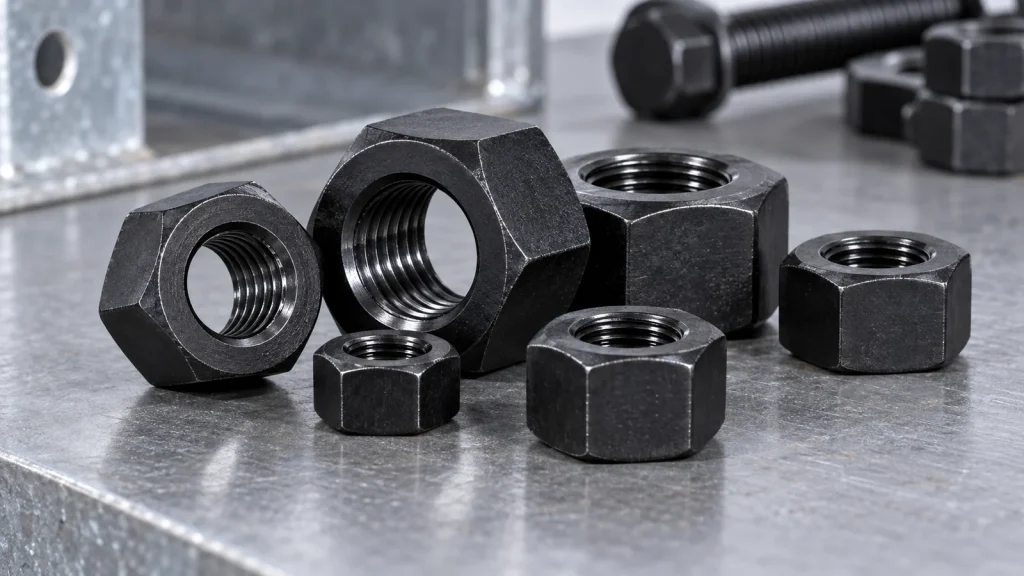
Grade 8 vs Grade 10 Hex Nuts: Strength Class and Bolt Compatibility
Class 8 and class 10 metric hex nuts are not interchangeable labels for bolt strength. They identify different nut property classes, while the suitability of either nut depends on the mating bolt, thread dimensions, nut style and the relevant specification. A black oxide finish adds another purchasing variable: it describes a surface treatment, not a […]
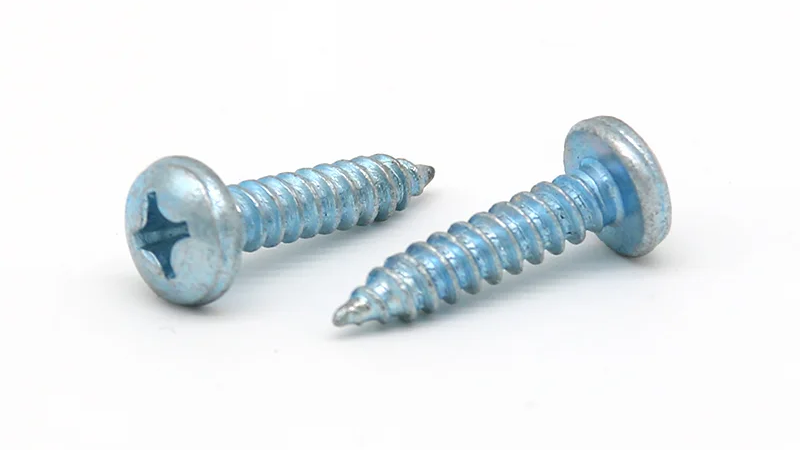
How to Choose Self-Tapping Screws for Plastic Parts
Choose self-tapping screws for plastic by matching the thread design to the resin, pilot hole and surrounding plastic, then checking head seating, thread engagement and tightening conditions on actual parts. Screw diameter alone cannot establish a suitable hole size or installation torque. This guide concerns metal screws fastening into plastic components. These screws create their […]

What Is a Fastener? Types, Functions and Industrial Uses
A fastener is a hardware component that mechanically joins or secures parts. Common examples include screws, bolts, nuts and rivets; washers are supporting components used in many fastening assemblies. Some connections can be dismantled by removing threaded fasteners, while others, such as riveted joints, normally require the fastener to be destroyed during removal. In industrial […]
Frequently Asked Questions
Which insert is suitable for thin sheet metal?
Thin sheet metal often uses rivet nuts, clinch inserts or similar panel fasteners, depending on sheet thickness, hardness and access. If the installer can only reach one side of the panel, a blind-style insert may be practical, but the hole size and grip range must still match the sheet.
Are threaded inserts better than tapping the base material directly?
An insert is usually better when the base material is too soft, too thin or too weak to hold a durable thread. Direct tapping can still work in thicker metal or rigid material where the thread depth and strength are sufficient, and it avoids a separate installed component.
Can the same insert be used in plastic, wood and metal?
Not usually. Plastic may need a heat-set, ultrasonic, molded-in or press-fit style, while sheet metal often needs a clinch or rivet-style insert, and wood may require a coarse external thread or expansion design. The retention method must suit how the base material deforms or supports load.
What causes an insert to spin or pull out after installation?
Common causes include an oversized or poorly prepared hole, the wrong grip range, insufficient installation force, unsuitable base material or excessive tightening torque. Rotation resistance and pull-out strength depend on the insert design and the actual material around it, not just the internal thread size.
What information should be sent before asking for a quote?
Share the base material, part or panel thickness, required internal thread, hole size or drawing, access for installation, expected load and any exposure to moisture, heat or vibration. Also ask which insert styles Hebei Wotu Fastener Manufacturing Co., Ltd. can supply and what installation guidance or drawings are available.
Leave Your Message
Tell us the base material and thickness, required thread size, and whether installation is from one side or during part manufacture. Include a drawing or application description if available.