Local availability matters most when the sheets are bulky, the project has a short installation window or you may need matching panels later. However, a nearby sheet is not automatically the right sheet. Check whether the local option is stocked, made to order or transferred from another location, and confirm how it will be protected during transport.
For clear glazing and areas needing high impact resistance, solid polycarbonate is a practical comparison. For roofs and greenhouse walls where lower weight and better insulation matter, multiwall sheet may be more suitable. Corrugated profiles can simplify some roof applications but may not provide the same appearance or insulation.
Start with the application and support arrangement. A rooflight, greenhouse panel, machine guard and interior divider place different demands on the sheet. Identify whether the panel will be vertical or overhead, exposed to weather, near heat, or subject to repeated impact before comparing products.
Then compare construction rather than judging by colour or surface appearance alone. Solid sheets provide a flat, clear panel, while multiwall sheets reduce weight and can improve thermal performance through their internal structure. Corrugated sheets may suit profiled roofing, but their shape affects sealing, framing and visual finish.
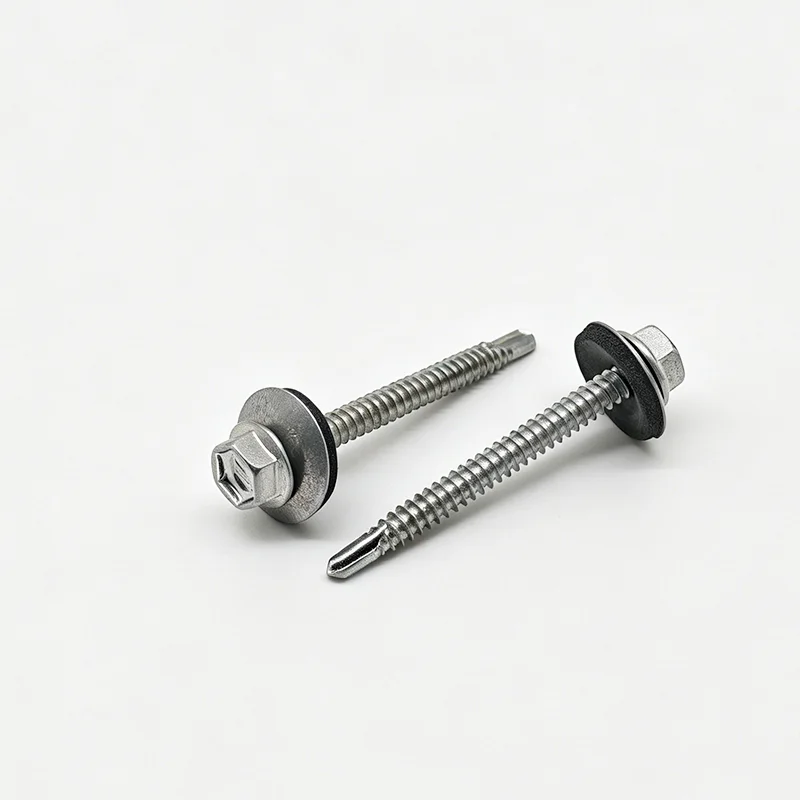
Check the details that commonly cause rework: UV-protected face orientation, edge sealing for multiwall panels, compatible washers and profiles, allowance for thermal movement, and whether the available sheet size matches the support spacing. Do not assume that a sheet sold as clear, bronze or opal offers the light level or solar control your application needs.
For an enquiry, provide the application, approximate panel dimensions and installation location, along with the preferred sheet type if known. Ask which options are currently available, which face has UV protection, what accessories are compatible, and whether the supplier can advise on cutting, packing and delivery to your area.