

Rebat Gun Selection | Hebei Wotu Fastener Manufacturing Co., Ltd.
Rebat Gun Selection for Fastening Work
A buyer asking for a rebat gun is usually trying to solve an installation problem: faster fastening, more consistent fixing, or less manual effort on site. The first decision is to confirm the exact tool meant by “rebat gun,” because the right choice depends on the fastener being installed, the base material, and the working environment.
For a fastener-related inquiry, the tool should be matched to the anchor, screw, nail, tie, rivet, or other fixing method rather than selected by the tool name alone.
Key Checks Before Asking for a Rebat Gun Quote
The most important distinction is between a tool that drives fasteners and a tool that ties, pulls, or crimps them. A driving tool needs the correct fastener length, head style, shank type, and substrate compatibility. A tying or pulling tool depends more on wire, rivet, or clamp size, access space, and repeatability.
This matters because a tool that looks suitable can still produce weak fixing, damaged materials, jammed fasteners, or inconsistent installation if the consumable and application are not matched. A short description of the job often prevents the wrong quotation.
Start with the application, not the tool name. State what is being fixed, the base material, and the fastener type you expect to use. Concrete, steel, timber, masonry, and sheet metal all place different demands on the tool and the fastener.
Check the consumables before comparing tools. A rebat gun inquiry may involve nails, anchors, screws, rivets, wire ties, or another fastening part. Confirm the size range, material, coating, head form, and any corrosion-resistance requirement before discussing tool compatibility.
Think about the worksite trade-off. A manual or pneumatic option may suit occasional use or controlled workshop conditions, while battery-powered tools can be more convenient for mobile site work. The best choice depends on duty cycle, access, operator comfort, and how often consumables need to be changed.
Avoid ordering from a short description alone. Send a photo of the existing fastener or tool, a drawing if available, the material being fastened, and the expected working conditions. Hebei Wotu Fastener Manufacturing Co., Ltd. can then respond more clearly on the fastener side and advise what tool details need confirmation.
| Criteria | Importance | Description | Example Options |
|---|---|---|---|
| Fastening operation | Critical | Identify whether the tool drives, pulls, crimps, ties, or sets the fastener. Similar-looking tools can perform different operations. | A rivet-pulling tool and a nail-driving tool are not interchangeable. |
| Fastener and tool compatibility | Critical | Check the fastener type, size range, material, coating, head or shank form, and the tool's loading or gripping method. | A tool designed for one rivet size range may not accept a different diameter or stem format. |
| Base material and joint | Critical | The material being fixed and the required joint determine whether the selected fastening method is appropriate. | Joining thin sheet metal calls for different considerations from fixing a bracket to masonry or timber. |
| Power source and work environment | High | Compare manual, pneumatic, and battery-powered operation against mobility, access, repetition, air availability, charging, and operator handling. | A workshop with an available air system presents different trade-offs from a mobile installation site. |
| Alternative fastening method | Important when the application is unclear | Compare the proposed tool with screws, anchors, nails, clamps, wire ties, or another method based on access, removability, installation speed, and joint requirements. | A removable screwed joint may be preferable where the assembled parts must later be serviced. |
Product Selection
Related Options
For a real job, the priority is not the most powerful tool but the tool-and-fastener combination that installs cleanly and consistently. A contractor fixing metal brackets to concrete, for example, needs different information than a workshop pulling rivets into sheet metal or tying reinforcement before pouring concrete.







Blog Articles / Reviews
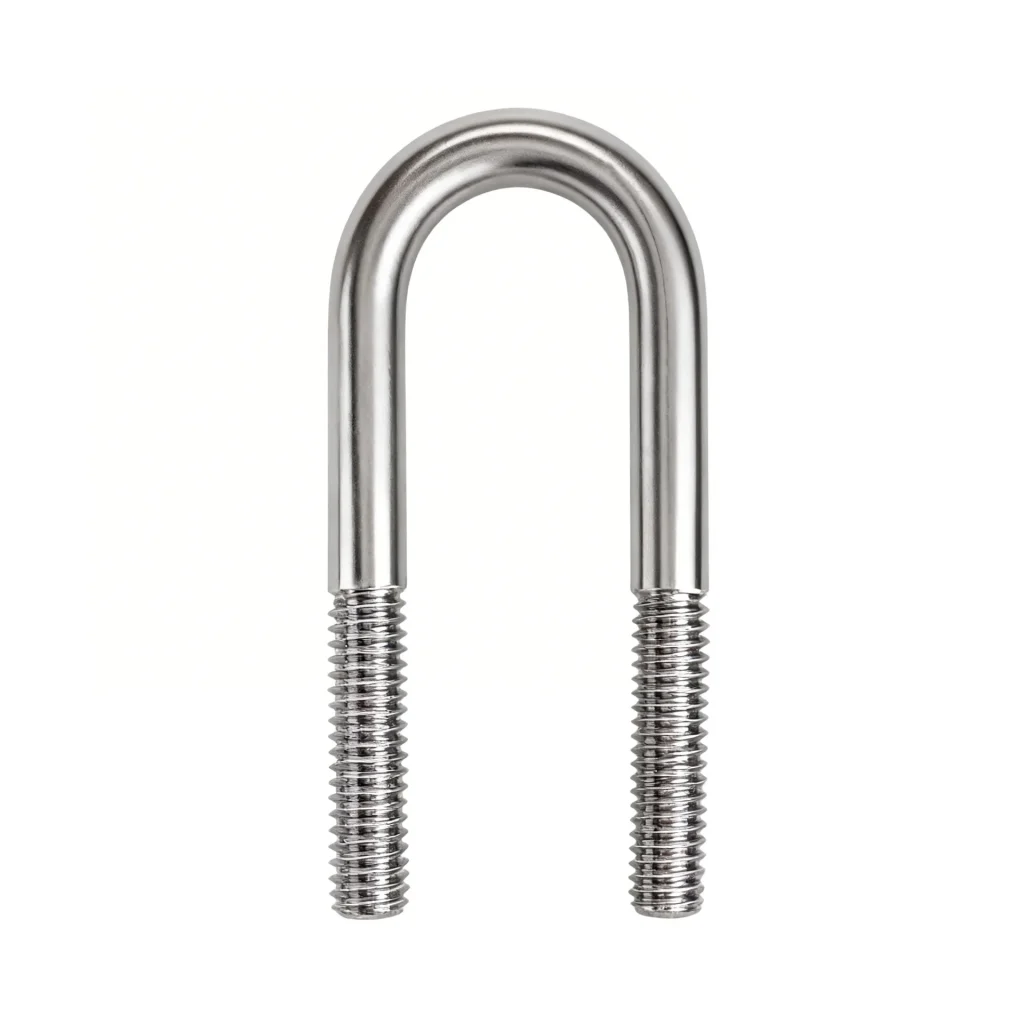
Which U-Bolt Measurements Must Buyers Provide Before a Quote?
For an M10–M24 U-bolt RFQ, buyers should send a dimensioned drawing that defines thread diameter, inside width, leg or overall length, bend geometry, thread length, application diameter, material or grade requirement, surface finish, matching nuts/washers, quantity, and packing needs. Nominal thread size alone is not enough because different measurement datums can produce U-bolts that look […]
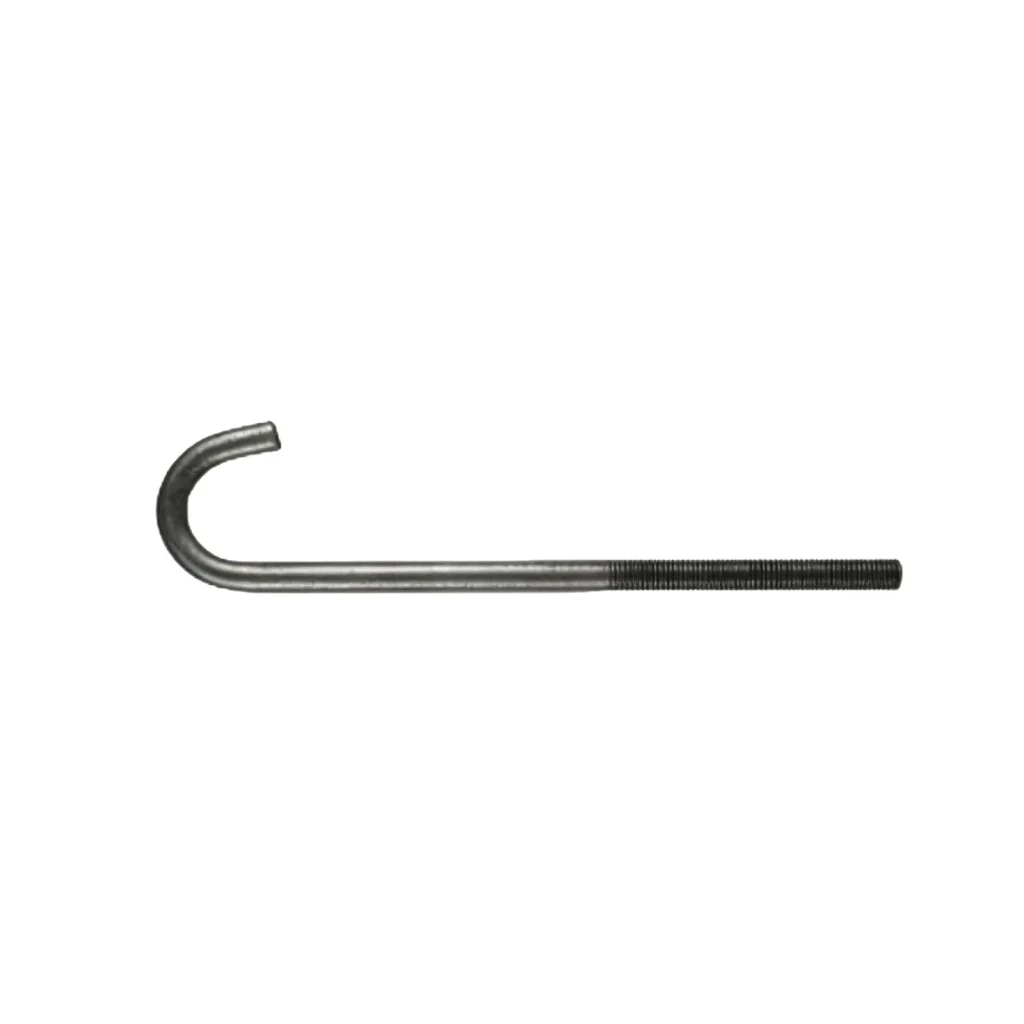
What Must Buyers Verify Before Ordering L-Shaped Anchor Bolts to an Older Standard?
When ordering L-shaped anchor bolts against an older standard, buyers should verify the standard’s current status, confirm the specification approved for the project, and reconcile the drawing, dimensions, material and foundation interface before releasing the purchase order. A legacy standard number on a product page or old drawing is not, by itself, sufficient evidence that […]
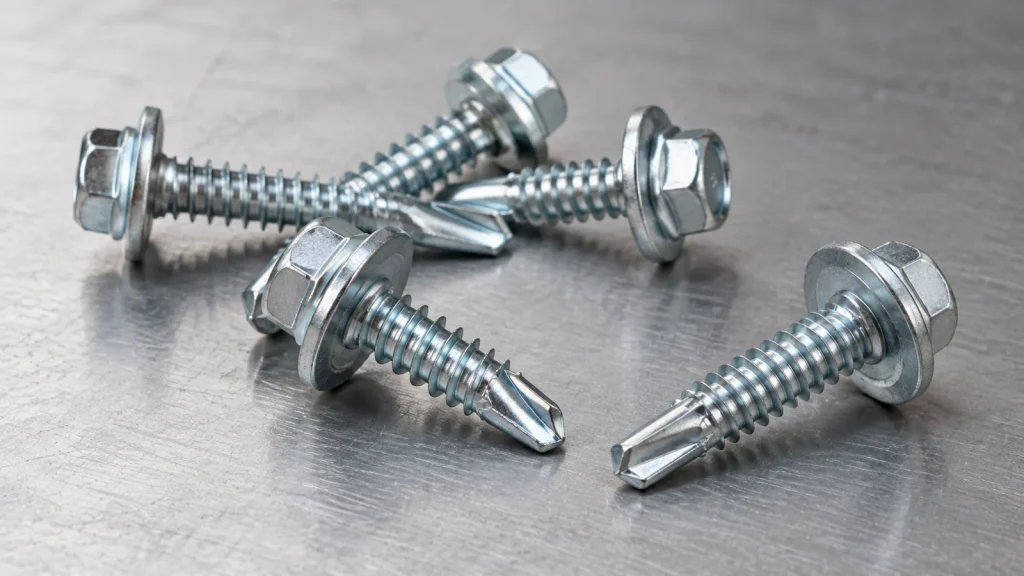
Hex Head Self-Drilling Screws with Cup Washers: Choosing Drill Point and Length
Choosing a hex head self-drilling screw with a cup washer requires more than selecting ST5.5 or ST6.3 and a nominal length. The drilling point must suit the steel it penetrates; the threaded section must engage the intended supporting material; and the head-and-washer assembly must seat correctly on the outer panel. A screw’s drilling capacity is […]
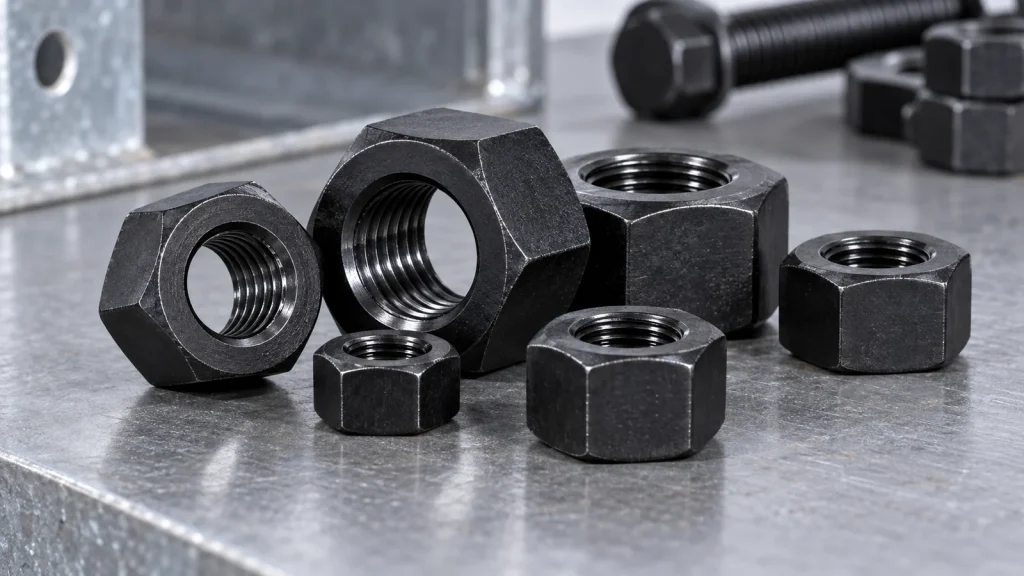
Grade 8 vs Grade 10 Hex Nuts: Strength Class and Bolt Compatibility
Class 8 and class 10 metric hex nuts are not interchangeable labels for bolt strength. They identify different nut property classes, while the suitability of either nut depends on the mating bolt, thread dimensions, nut style and the relevant specification. A black oxide finish adds another purchasing variable: it describes a surface treatment, not a […]
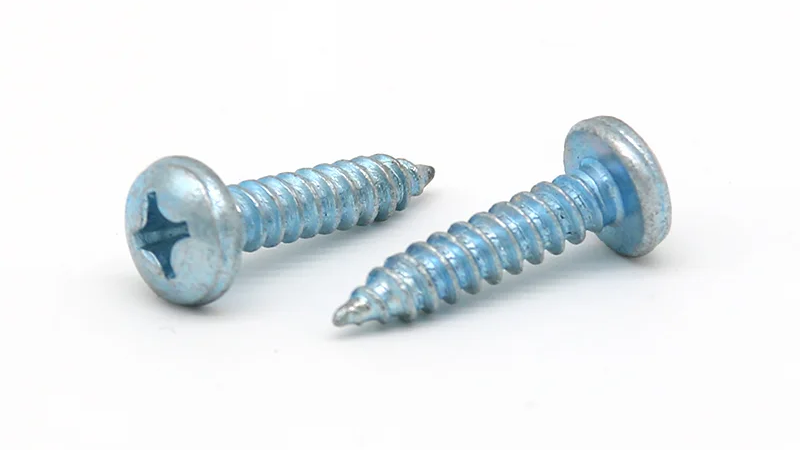
How to Choose Self-Tapping Screws for Plastic Parts
Choose self-tapping screws for plastic by matching the thread design to the resin, pilot hole and surrounding plastic, then checking head seating, thread engagement and tightening conditions on actual parts. Screw diameter alone cannot establish a suitable hole size or installation torque. This guide concerns metal screws fastening into plastic components. These screws create their […]

What Is a Fastener? Types, Functions and Industrial Uses
A fastener is a hardware component that mechanically joins or secures parts. Common examples include screws, bolts, nuts and rivets; washers are supporting components used in many fastening assemblies. Some connections can be dismantled by removing threaded fasteners, while others, such as riveted joints, normally require the fastener to be destroyed during removal. In industrial […]
Frequently Asked Questions
Is this type of tool suitable for fastening into concrete, steel, timber, or sheet metal?
Suitability depends on both the fastening method and the base material. A tool for pulling rivets in sheet metal is not automatically suitable for driving anchors into concrete, so confirm the intended fastener and substrate before selecting equipment.
What is the practical difference between manual, pneumatic, and battery-powered options?
Manual tools can suit occasional work where speed and repetition are limited. Pneumatic tools require a compatible air supply but may suit repeated workshop use, while battery-powered tools are easier to move around a site but introduce charging and battery-management considerations.
Does “rebat gun” identify one standard type of tool?
No. The term may refer to different fastening equipment, including a rivet tool, a fastener driver, or a tying or pulling tool. Confirm the exact operation, consumable, and a photo or model reference rather than relying on the name alone.
What information should accompany an enquiry?
State what material is being joined, the base material, the fastener type and size, the expected frequency of use, and whether the work is indoors, outdoors, or in a confined area. A photo of the fastener or existing tool can help clarify the required interface.
Could a different fastening method be a better alternative?
Possibly. Rivets, screws, anchors, nails, clamps, and wire ties each involve different installation tools and joint requirements. The alternative should be judged by access, removability, joint strength needs, substrate condition, and the availability of matching consumables.
Leave Your Message
Please share the fastener type you plan to use, the base material being fixed into, and a photo or size description of the existing tool or consumable if available.