

Reciprocating Saw Blades for Cutting Jobs | Hebei Wotu Fastener Manufacturing Co., Ltd.
Reciprocating Saw Blades for Wood, Metal and Demolition Cutting
Reciprocating saw blades are chosen by the material you need to cut, not just by the saw you own. A blade that works quickly in soft timber may wear out fast on steel, while a heavy demolition blade can be too rough for clean trimming.
The main purchase decision is matching tooth design, blade length, blade body and material grade to the job: metal cutting, wood cutting, mixed demolition, plastic pipe, pallets, renovation work or site maintenance.
Choosing Blades for Wood, Metal and Demolition Cutting
The most useful distinction is between clean cutting and aggressive cutting. Fine-tooth blades usually give better control on metal, thin sections and cleaner edges, while coarse-tooth blades clear chips faster in wood, thick material and rough demolition cuts.
Blade construction also matters. Bi-metal blades are often selected for general site work because they balance flexibility and tooth durability. Carbide-tipped or specialty blades may suit tougher materials, but they cost more and only make sense when the cutting material justifies the upgrade.
Start with the material: timber, nail-embedded wood, mild steel, stainless steel, pipe, plastic, plasterboard or mixed demolition. Mixed-material jobs need a tougher blade than single-material cutting, especially where the saw may hit nails, screws or brackets.
Choose blade length by access and cutting depth. A blade should reach through the work with enough stroke clearance, but an overlong blade can flex, vibrate and make the cut harder to control. For confined repair work, a shorter blade may be safer and easier to guide.
Do not choose only by the lowest unit price. A blade that dulls quickly can slow the job, overheat the cut and increase blade changes. For repeated metal cutting or demolition, ask about tooth type, blade body material and the intended application rather than buying a general-purpose blade for every task.
For an inquiry to Hebei Wotu Fastener Manufacturing Co., Ltd., confirm first whether reciprocating saw blades are available, then give the cutting material, saw type or shank requirement, preferred blade length and the expected use case. Those details make it easier to discuss a suitable option instead of guessing from a part name alone.
| Criteria | Importance | Description | Example Options |
|---|---|---|---|
| Cutting material | Usually the first decision factor | The blade should match the main material rather than the general tool category. Wood, nail-embedded timber, mild steel, stainless steel, plastic pipe and mixed renovation waste all need different tooth behavior. | A blade selected for clean softwood cuts is not the same choice as one intended to hit nails during demolition. |
| Tooth pattern | Strongly affects speed, control and finish | Coarser teeth remove material quickly and suit rough wood or demolition work. Finer teeth usually give better control on metal, thin sections and cleaner cuts, but may cut more slowly in thick timber. | A fine-tooth blade is commonly considered for metal tube, while a coarse demolition blade is more suitable for fast rough cutting in timber. |
| Blade construction | Important for durability and cost balance | Bi-metal and specialty blade constructions are chosen when flexibility, tooth life or resistance to tougher materials matters. Higher-grade options may cost more, so the material and cutting frequency should justify the selection. | Occasional softwood cutting may not need the same blade construction as repeated cutting through mixed site materials. |
| Blade length | Important for access and cut stability | The blade must be long enough to pass through the work with safe stroke clearance, but excessive length can increase vibration and make the cut harder to guide. | A confined repair cut may suit a shorter blade, while a thicker timber or pipe section may require more reach. |
| Clean cut versus demolition use | Changes the best compromise | Clean cutting favors control, edge quality and the right tooth count for the material. Demolition favors toughness, impact resistance and tolerance of unknown embedded materials. | Trimming visible material calls for a different buying decision than cutting out old framing where screws or brackets may be present. |
Product Selection
Related Options
For demolition work, the priority is usually durability in mixed materials; for pipe, sheet or bar cutting, tooth control and material compatibility matter more. Matching the blade to the real job reduces rough cuts, broken teeth and wasted time changing blades.







Blog Articles / Reviews
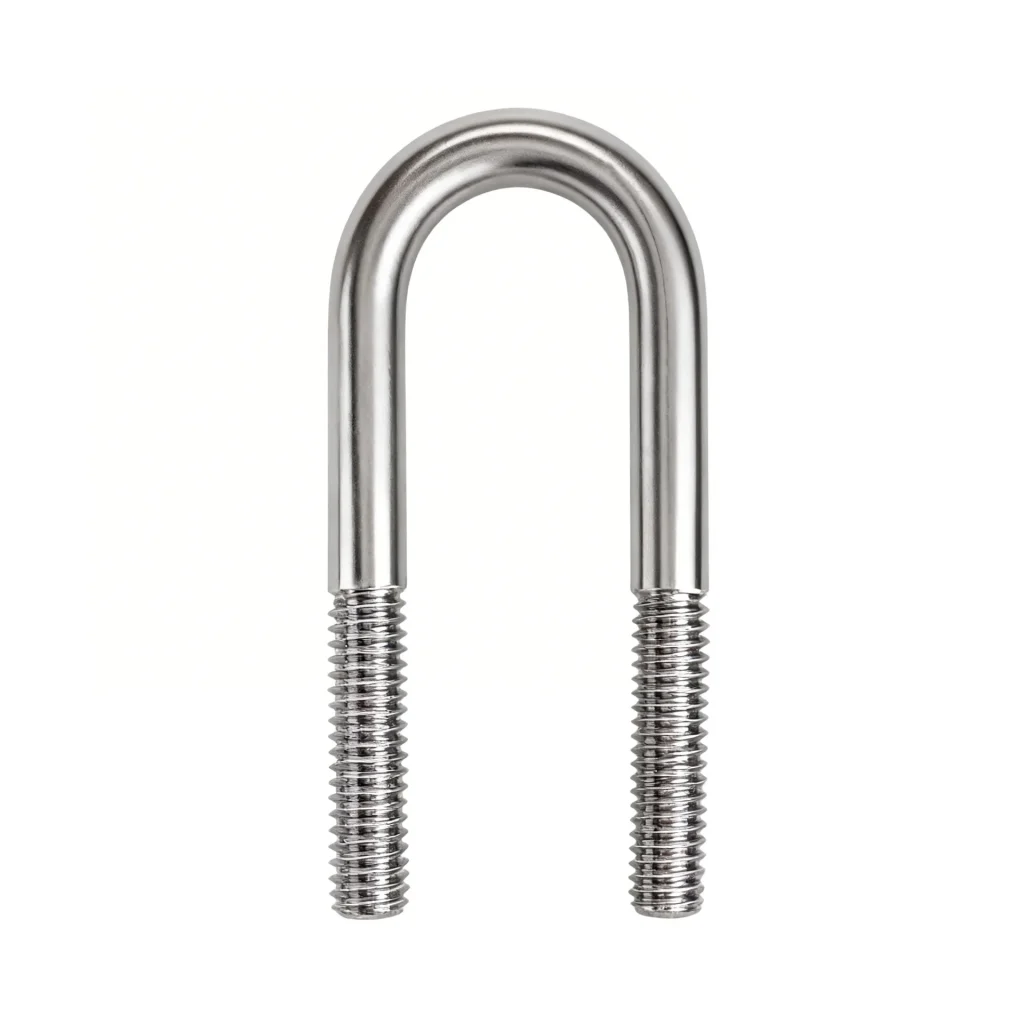
Which U-Bolt Measurements Must Buyers Provide Before a Quote?
For an M10–M24 U-bolt RFQ, buyers should send a dimensioned drawing that defines thread diameter, inside width, leg or overall length, bend geometry, thread length, application diameter, material or grade requirement, surface finish, matching nuts/washers, quantity, and packing needs. Nominal thread size alone is not enough because different measurement datums can produce U-bolts that look […]
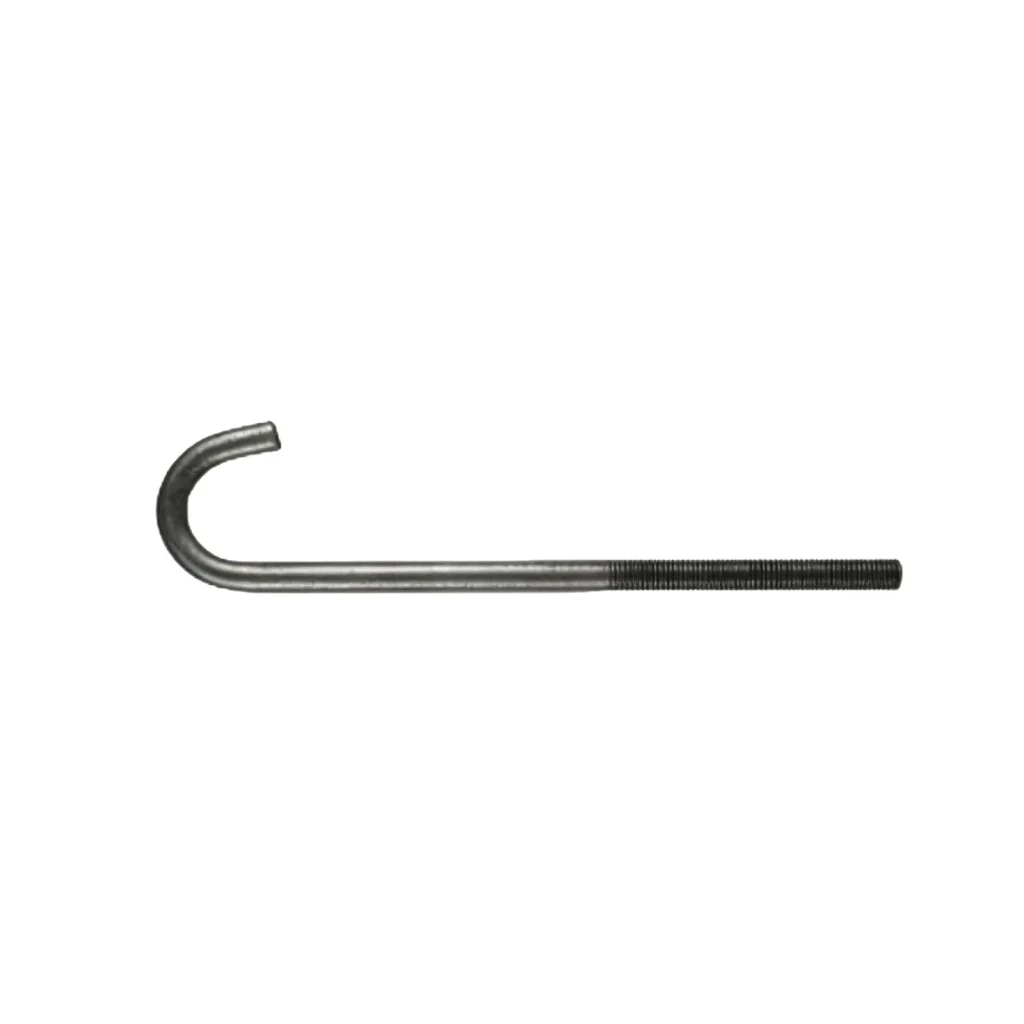
What Must Buyers Verify Before Ordering L-Shaped Anchor Bolts to an Older Standard?
When ordering L-shaped anchor bolts against an older standard, buyers should verify the standard’s current status, confirm the specification approved for the project, and reconcile the drawing, dimensions, material and foundation interface before releasing the purchase order. A legacy standard number on a product page or old drawing is not, by itself, sufficient evidence that […]
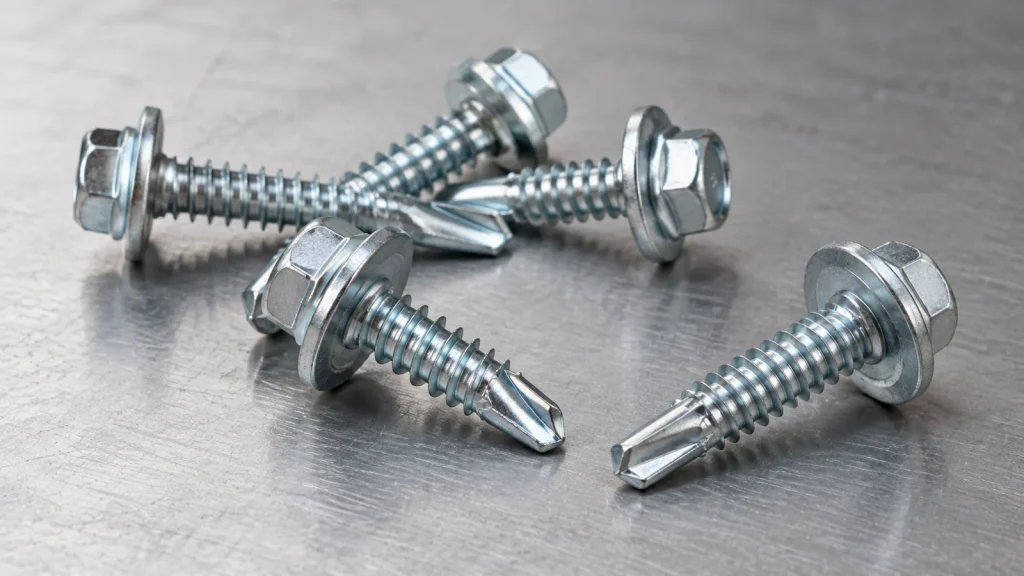
Hex Head Self-Drilling Screws with Cup Washers: Choosing Drill Point and Length
Choosing a hex head self-drilling screw with a cup washer requires more than selecting ST5.5 or ST6.3 and a nominal length. The drilling point must suit the steel it penetrates; the threaded section must engage the intended supporting material; and the head-and-washer assembly must seat correctly on the outer panel. A screw’s drilling capacity is […]
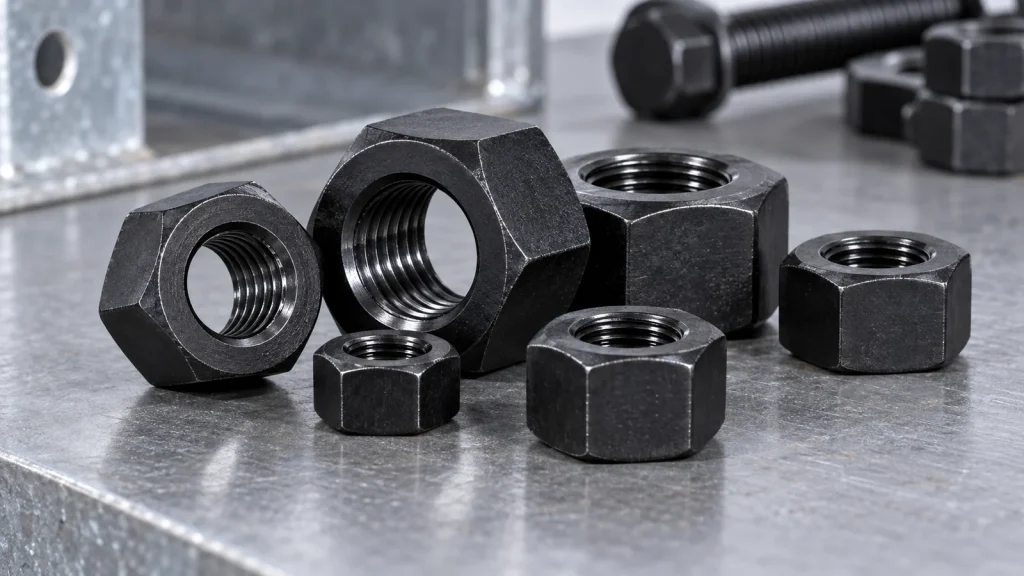
Grade 8 vs Grade 10 Hex Nuts: Strength Class and Bolt Compatibility
Class 8 and class 10 metric hex nuts are not interchangeable labels for bolt strength. They identify different nut property classes, while the suitability of either nut depends on the mating bolt, thread dimensions, nut style and the relevant specification. A black oxide finish adds another purchasing variable: it describes a surface treatment, not a […]
How to Choose Self-Tapping Screws for Plastic Parts
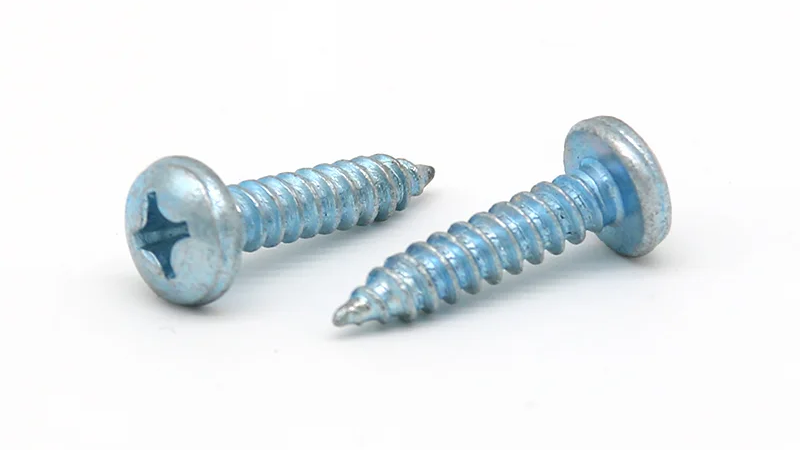
Choose self-tapping screws for plastic by matching the thread design to the resin, pilot hole and surrounding plastic, then checking head seating, thread engagement and tightening conditions on actual parts. Screw diameter alone cannot establish a suitable hole size or installation torque. This guide concerns metal screws fastening into plastic components. These screws create their […]

What Is a Fastener? Types, Functions and Industrial Uses
A fastener is a hardware component that mechanically joins or secures parts. Common examples include screws, bolts, nuts and rivets; washers are supporting components used in many fastening assemblies. Some connections can be dismantled by removing threaded fasteners, while others, such as riveted joints, normally require the fastener to be destroyed during removal. In industrial […]
Frequently Asked Questions
Which blade type is better for cutting metal pipe or section steel?
For metal, buyers usually look for a finer tooth pattern and a blade construction that can handle heat and tooth wear. The right choice also depends on wall thickness, material hardness and whether the cut needs to be clean or simply fast.
Can one blade be used for wood, nails and light demolition work?
A general demolition blade can handle mixed materials better than a clean wood-cutting blade, especially where nails or screws may be hidden. The trade-off is that it may cut rougher and slower in plain timber than a blade designed only for wood.
Is a longer blade always a better choice?
No. A longer blade helps when the material is thick or access is awkward, but too much length can cause flexing, vibration and poorer control. Choose a blade long enough to clear the cut during the saw stroke without adding unnecessary movement.
What is a common mistake when buying these blades in bulk?
A common mistake is ordering one general-purpose blade for every job. Repeated metal cutting, pallet repair, plastic pipe and renovation demolition place different demands on the teeth and blade body, so splitting the order by application often works better.
What details should be included in an inquiry?
State the material to be cut, approximate thickness or section type, preferred blade length, saw or shank requirement, and whether the work is clean cutting or rough demolition. If asking Hebei Wotu Fastener Manufacturing Co., Ltd., first confirm current availability and then discuss the blade style that fits the intended use.
Leave Your Message
Please include the material you need to cut, the preferred blade length or saw compatibility, and whether the work is clean cutting, demolition or repeated site use.