

Saber Saw Selection for Cutting Work | Hebei Wotu Fastener Manufacturing Co., Ltd.
Saber Saw Selection for Cutting Work
A saber saw is chosen for the cut you need to make, not just for the tool name. Buyers usually compare blade compatibility, stroke action, power source and control features because the same saw may be used for demolition cuts, pipe trimming, wood framing, sheet material or metal work.
The main decision is whether you need fast rough cutting, tighter control in awkward positions, or a balance of both. That choice affects the saw body style, blade type, battery or corded setup, and the accessories worth specifying in an inquiry.
Key Choices Before Specifying a Saber Saw
A saber saw is often discussed alongside reciprocating saws and jigsaws, but the practical difference is the cutting style. A saber saw uses a forward-and-back blade motion for aggressive straight or curved cuts, while a jigsaw is usually better for cleaner shaped cuts in thinner sheet materials. For site work, renovation and cutting installed materials, the saber saw format is often preferred because it handles confined access and rough cuts more easily.
Blade choice matters as much as the tool. Wood, metal, plastic pipe and composite materials each need a suitable tooth pattern and blade material. A powerful saw with the wrong blade can cut slowly, wander off line, overheat the workpiece or wear out blades quickly.
Start with the material and access conditions. Cutting timber in open framing, trimming metal conduit, removing old fasteners, or working inside a cabinet all place different demands on the saw. If the work area is tight, tool length, grip shape and blade-change access may matter more than maximum cutting speed.
Decide between corded and cordless before comparing small features. Corded tools suit repeated shop or site cutting where power is available. Cordless tools are easier to move around installed work, but the battery platform, runtime expectations and charger availability become part of the purchase decision.
Do not treat every blade mount or accessory as interchangeable. Confirm the shank style, blade length range and whether the saw supports the blades you already use. Also check whether orbital action, variable speed control and tool-free blade changes are needed for your work or simply add cost without much benefit.
A useful inquiry should state the main materials, cut frequency, preferred power source and any constraints such as confined access or existing battery systems. If Hebei Wotu Fastener Manufacturing Co., Ltd. is being contacted about this topic, ask directly whether the company supplies saber saws, compatible blades, or related fastening and cutting accessories before discussing order details.
| Criteria | Importance | Description | Example Options |
|---|---|---|---|
| Cutting application | This is the starting point because material and access determine the required blade and level of control. | Identify whether the work involves demolition, timber framing, pipe trimming, sheet material or maintenance cuts in confined positions. | A renovation crew cutting installed pipe may value access and fast rough cuts, while fabrication work may require better control and edge quality. |
| Alternative tool | Choosing the wrong cutting format can create poor edge quality, slower work or unnecessary tool cost. | Compare a saber saw with a jigsaw when the job involves shaped profiles, thinner sheet or a cleaner visible edge. | Use a saber saw for an aggressive cut through an installed component; consider a jigsaw for a controlled curved cut in a panel. |
| Blade compatibility | A saw is only useful if its blade mount and supported blade range match the materials and blades available to the buyer. | Confirm shank style, blade length range, tooth pattern and blade material before assuming existing accessories will fit. | A wood-cutting blade and a metal-cutting blade may require different tooth arrangements even if both are intended for the same saw format. |
| Power source and mobility | The power arrangement affects access, runtime and the practicality of repeated cutting. | Corded models suit work near reliable power; cordless models reduce cable restrictions but make battery compatibility and charging part of the decision. | A fixed workshop station may favor a corded setup, while overhead maintenance work may favor a cordless setup already supported by the buyer's battery system. |
| Control and serviceability | Speed control, orbital action, grip, blade-change access and replaceable wear parts can affect safety, comfort and repeatable results. | Select features according to the work rather than assuming every added function improves the outcome. | Variable speed can help when moving between materials, while tool-free blade changes may matter more for jobs that require frequent blade changes. |
Product Selection
Related Options
For renovation, maintenance or fabrication work, the best fit is usually the saber saw setup that cuts the required material safely and predictably in the available space. A compact cordless body may suit overhead or confined cuts, while a heavier corded tool may suit repeated bench or demolition work.







Blog Articles / Reviews
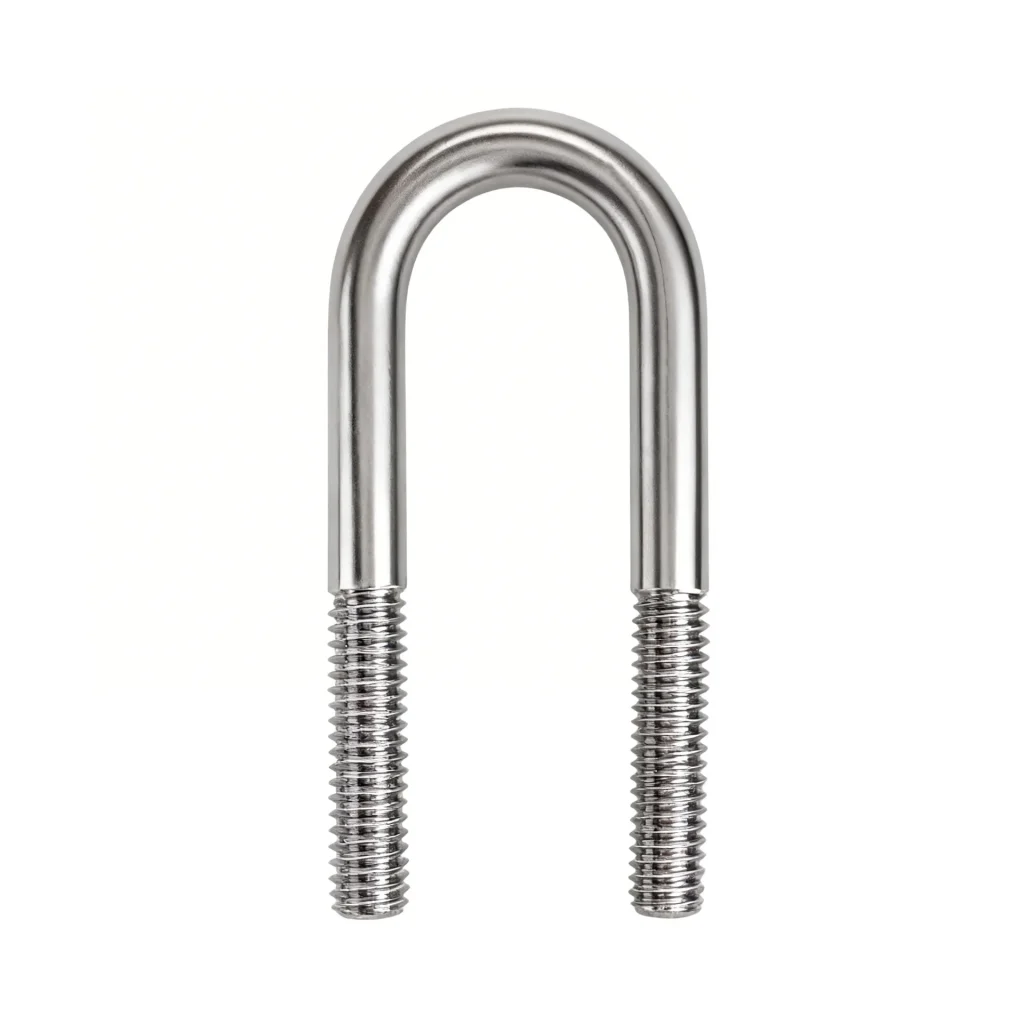
Which U-Bolt Measurements Must Buyers Provide Before a Quote?
For an M10–M24 U-bolt RFQ, buyers should send a dimensioned drawing that defines thread diameter, inside width, leg or overall length, bend geometry, thread length, application diameter, material or grade requirement, surface finish, matching nuts/washers, quantity, and packing needs. Nominal thread size alone is not enough because different measurement datums can produce U-bolts that look […]
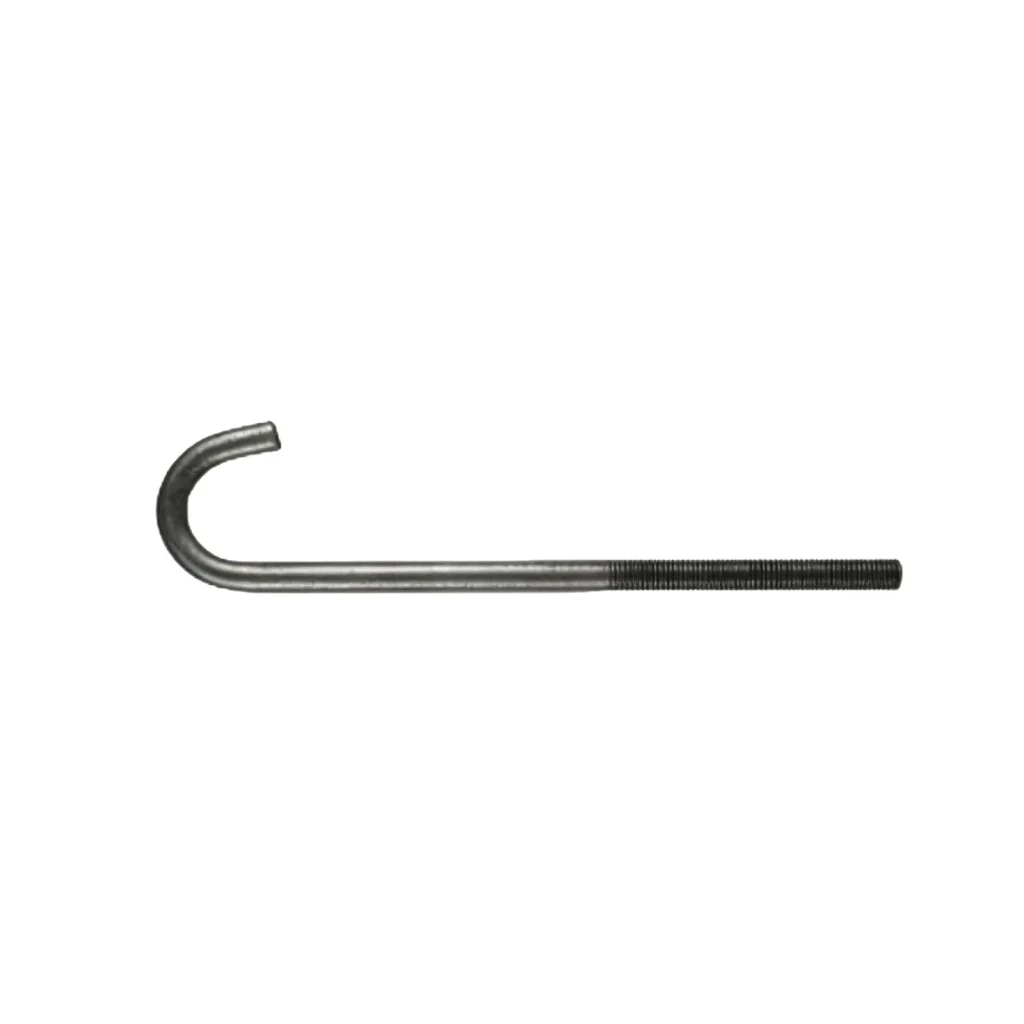
What Must Buyers Verify Before Ordering L-Shaped Anchor Bolts to an Older Standard?
When ordering L-shaped anchor bolts against an older standard, buyers should verify the standard’s current status, confirm the specification approved for the project, and reconcile the drawing, dimensions, material and foundation interface before releasing the purchase order. A legacy standard number on a product page or old drawing is not, by itself, sufficient evidence that […]
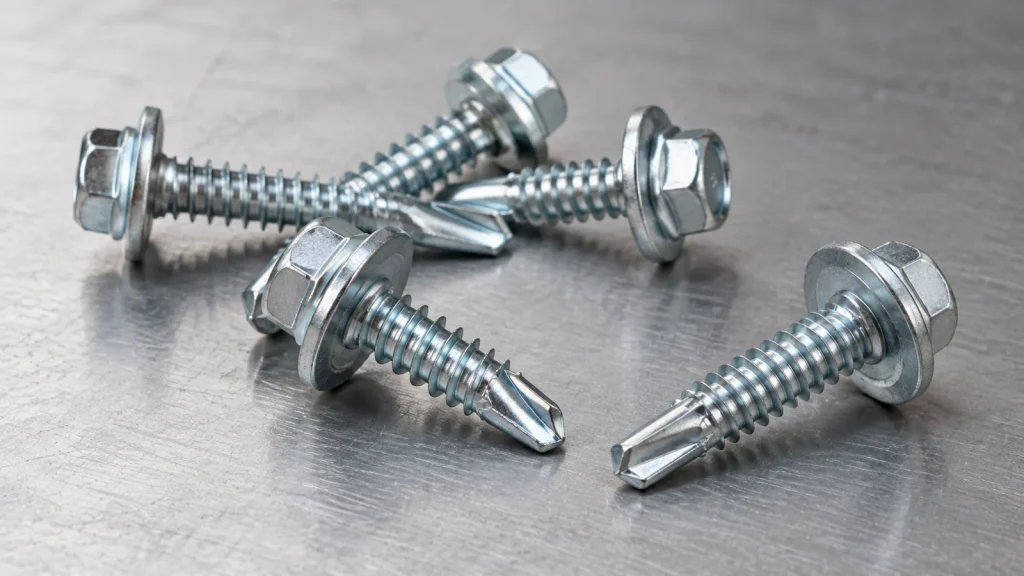
Hex Head Self-Drilling Screws with Cup Washers: Choosing Drill Point and Length
Choosing a hex head self-drilling screw with a cup washer requires more than selecting ST5.5 or ST6.3 and a nominal length. The drilling point must suit the steel it penetrates; the threaded section must engage the intended supporting material; and the head-and-washer assembly must seat correctly on the outer panel. A screw’s drilling capacity is […]
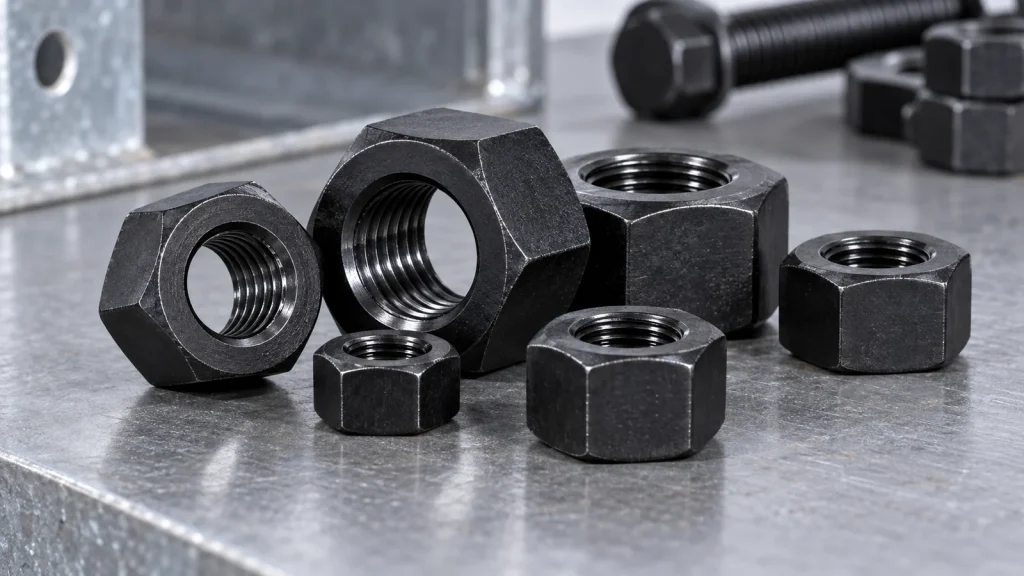
Grade 8 vs Grade 10 Hex Nuts: Strength Class and Bolt Compatibility
Class 8 and class 10 metric hex nuts are not interchangeable labels for bolt strength. They identify different nut property classes, while the suitability of either nut depends on the mating bolt, thread dimensions, nut style and the relevant specification. A black oxide finish adds another purchasing variable: it describes a surface treatment, not a […]
How to Choose Self-Tapping Screws for Plastic Parts
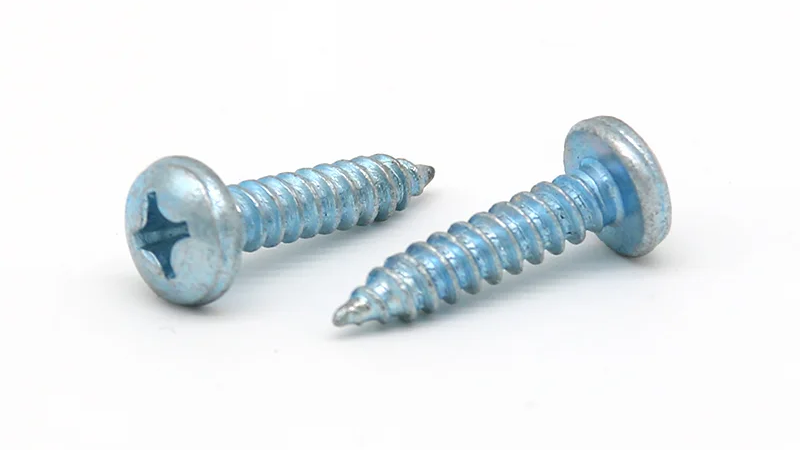
Choose self-tapping screws for plastic by matching the thread design to the resin, pilot hole and surrounding plastic, then checking head seating, thread engagement and tightening conditions on actual parts. Screw diameter alone cannot establish a suitable hole size or installation torque. This guide concerns metal screws fastening into plastic components. These screws create their […]

What Is a Fastener? Types, Functions and Industrial Uses
A fastener is a hardware component that mechanically joins or secures parts. Common examples include screws, bolts, nuts and rivets; washers are supporting components used in many fastening assemblies. Some connections can be dismantled by removing threaded fasteners, while others, such as riveted joints, normally require the fastener to be destroyed during removal. In industrial […]
Frequently Asked Questions
Is a saber saw suitable for cutting installed materials?
Yes, its narrow reciprocating blade can suit renovation, maintenance and demolition work where the material cannot be moved to a bench. Check the available clearance, blade access and required cutting accuracy first, because it is generally better for practical rough cuts than highly finished edges.
How does it compare with a jigsaw?
A saber saw is usually the better choice for aggressive cuts through timber, pipe, sheet material or installed components. A jigsaw offers more control for shaped cuts and cleaner profiles in thinner materials, so the alternative may be preferable when line accuracy and edge finish matter more than access.
Does a more powerful saw remove the need for the right blade?
No. Tooth pattern, blade material and blade length must suit the workpiece, and an unsuitable blade can cut slowly, wander or wear prematurely even on a powerful tool. Match the blade to the material and confirm that its shank style fits the saw.
Should I choose a corded or cordless model?
Choose corded equipment for repeated cutting near a reliable power supply, and cordless equipment for mobility around installed work or locations without convenient outlets. For cordless use, confirm battery-platform compatibility, expected runtime and access to replacement batteries and charging equipment.
What should I include in a product enquiry?
State the materials, approximate cutting frequency, access conditions, preferred power source and whether you need the saw body, blades or related accessories. Also ask which blade mount and blade types are supported, and confirm directly whether Hebei Wotu Fastener Manufacturing Co., Ltd. supplies the requested saw or only related fastening and cutting products.
Leave Your Message
Share the materials you need to cut, your preferred corded or cordless setup, and whether you need blades, accessories or only the saw body.