

Screwdriving Selection for Reliable Joints | Hebei Wotu Fastener Manufacturing Co., Ltd.
Screwdriving selection for reliable fastening
Screwdriving performance depends on the match between the fastener, driving tool and joint. The main decision is not simply choosing a higher-power driver; it is selecting a setup that reaches the required clamp without stripping the head, damaging the material or leaving the joint loose.
For production work, repeatable torque, correct bit engagement and controlled seating usually matter more than maximum speed. For installation or maintenance, access, operator comfort and easy bit changes may carry more weight.
Choose screwdriving control for the application
The key distinction is between impact driving and controlled screwdriving. Impact tools can handle resistant fasteners and reduce reaction force, but their pulsing action may make final torque less predictable. A clutch-controlled or torque-controlled driver gives better repeatability where joint consistency, surface protection or documented assembly quality matters.
Fastener head style, drive recess, length, material and thread form also affect the result. A driver and bit should fit the fastener precisely; a nearly compatible bit can appear to work while causing cam-out, head damage and inconsistent seating.
Start with the joint rather than the tool. Identify the materials being joined, the required joint strength, the acceptable seating depth and whether the fastener enters a pilot hole, threaded hole or softer substrate. Brittle surfaces may need slower controlled driving, while repeated production joints may justify automatic shut-off or torque monitoring.
Match the bit and driver to the fastener drive. Check the recess type, bit size, shaft access and expected wear. Using a worn bit, the wrong size or excessive downward force is a common cause of damaged heads. Keep spare bits available for repetitive work, but do not use a replacement that only partially engages the recess.
Consider speed against control. High speed can shorten cycle time, but it can also increase cross-threading, overdriving and material damage. For long screws or hard materials, check whether the tool can maintain engagement through the full drive. For confined areas, compare nose length, overall tool size and access angle rather than relying only on rated power.
Before requesting a recommendation, provide the fastener type and size, joint materials, driving orientation, expected usage volume and the result that must be controlled, such as flush seating, torque consistency or avoiding surface marks. Also ask what test method is available for confirming the joint after assembly.
| Criteria | Importance | Description | Example Options |
|---|---|---|---|
| Tool control method | High when joint consistency matters | Impact tools favour power and ease through resistance, while clutch or torque-controlled tools favour repeatable final seating. The right choice depends on whether speed or controlled assembly is more important. | A maintenance task with stubborn screws may suit an impact driver; a repeated assembly joint may need shut-off or torque control. |
| Bit and recess compatibility | Critical for preventing head damage | The bit must match the drive recess accurately and remain in good condition. A poor fit can cause cam-out, stripped heads and uneven seating even if the driver has enough power. | Using a worn or nearly matching bit may work for a few screws but fail during repetitive fastening. |
| Joint material and hole condition | Decides driving speed, torque and fastener style | Hard, soft, brittle or threaded materials respond differently during driving. Pilot holes, pre-threaded holes and direct fastening into softer substrates each need different control to avoid cracking, cross-threading or loose joints. | A brittle surface may need slower controlled seating, while a pre-threaded metal hole may need alignment control to avoid cross-threading. |
| Access and working position | Important for field installation and confined assemblies | Tool length, nose shape, bit extension and operator angle can matter more than maximum power in tight spaces. Poor access increases the chance of misalignment and recess damage. | A compact driver or extension bit may be needed where the screw is close to a wall, corner or obstruction. |
| Production volume and verification | More important as repetition increases | Occasional work may only need a practical tool and correct bits, while repeated assembly may require consistent settings and a way to confirm joint quality. The inspection method should match the risk of a loose or overdriven fastener. | A low-volume repair can be checked visually, while a repeated production joint may need defined seating or torque confirmation. |
Product Selection
Related Options
For repeated assembly of the same joint, prioritise consistent seating and bit engagement over maximum speed. For field installation or occasional repair, compact access and simple adjustment may be more useful. Compare any proposed fastener or driving setup against the actual joint, working position and acceptable installation defects.







Blog Articles / Reviews
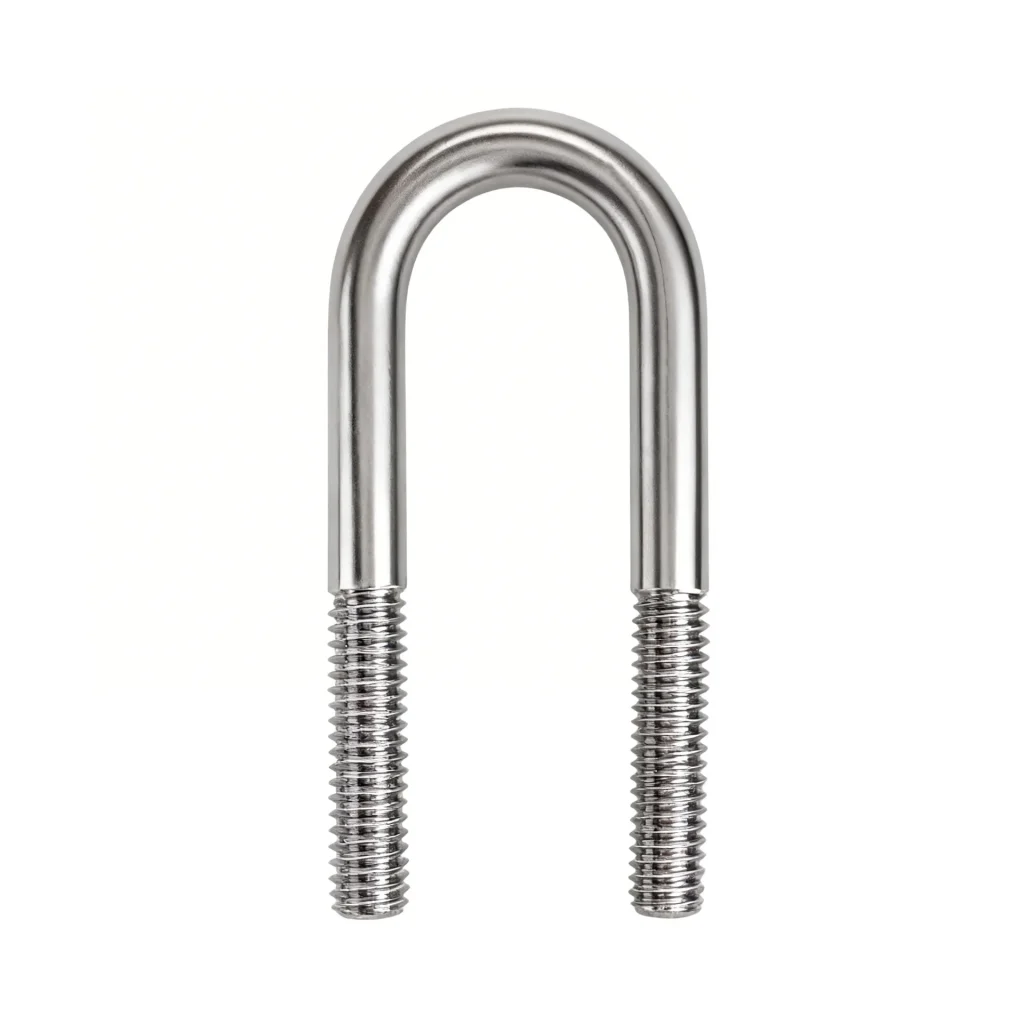
Which U-Bolt Measurements Must Buyers Provide Before a Quote?
For an M10–M24 U-bolt RFQ, buyers should send a dimensioned drawing that defines thread diameter, inside width, leg or overall length, bend geometry, thread length, application diameter, material or grade requirement, surface finish, matching nuts/washers, quantity, and packing needs. Nominal thread size alone is not enough because different measurement datums can produce U-bolts that look […]
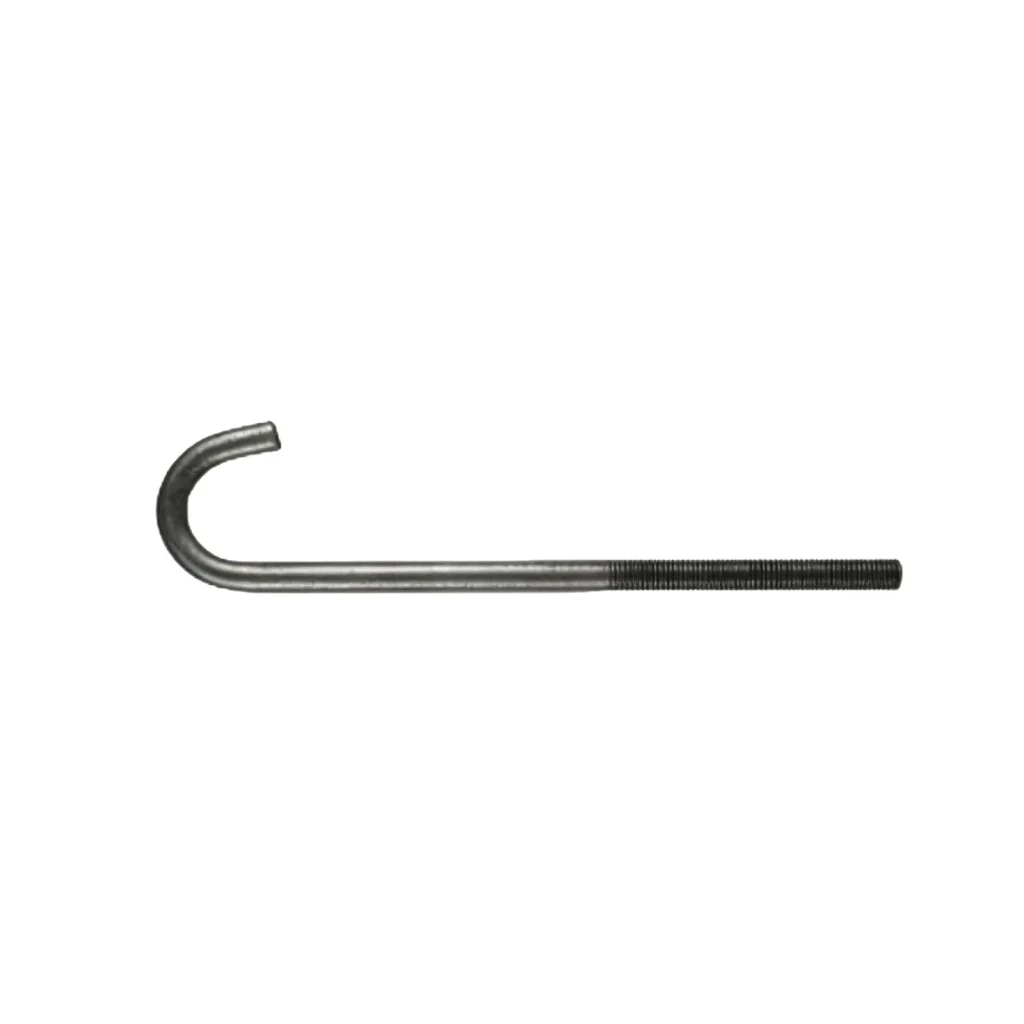
What Must Buyers Verify Before Ordering L-Shaped Anchor Bolts to an Older Standard?
When ordering L-shaped anchor bolts against an older standard, buyers should verify the standard’s current status, confirm the specification approved for the project, and reconcile the drawing, dimensions, material and foundation interface before releasing the purchase order. A legacy standard number on a product page or old drawing is not, by itself, sufficient evidence that […]
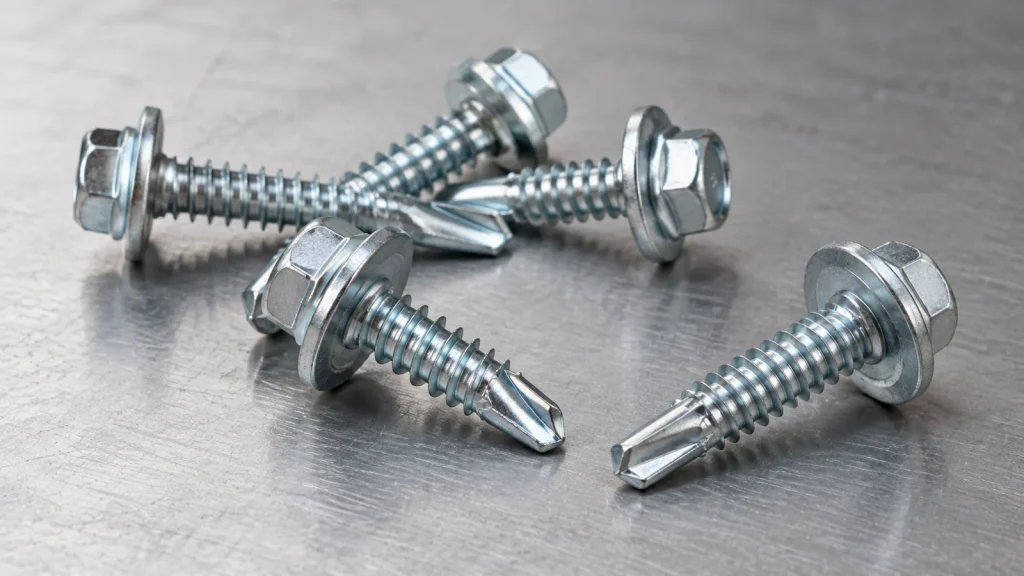
Hex Head Self-Drilling Screws with Cup Washers: Choosing Drill Point and Length
Choosing a hex head self-drilling screw with a cup washer requires more than selecting ST5.5 or ST6.3 and a nominal length. The drilling point must suit the steel it penetrates; the threaded section must engage the intended supporting material; and the head-and-washer assembly must seat correctly on the outer panel. A screw’s drilling capacity is […]
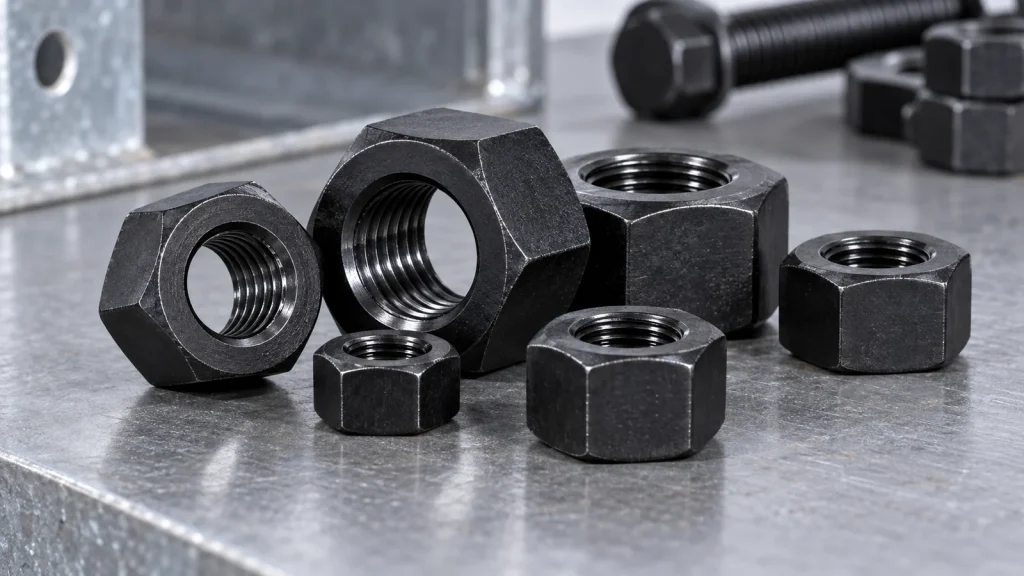
Grade 8 vs Grade 10 Hex Nuts: Strength Class and Bolt Compatibility
Class 8 and class 10 metric hex nuts are not interchangeable labels for bolt strength. They identify different nut property classes, while the suitability of either nut depends on the mating bolt, thread dimensions, nut style and the relevant specification. A black oxide finish adds another purchasing variable: it describes a surface treatment, not a […]
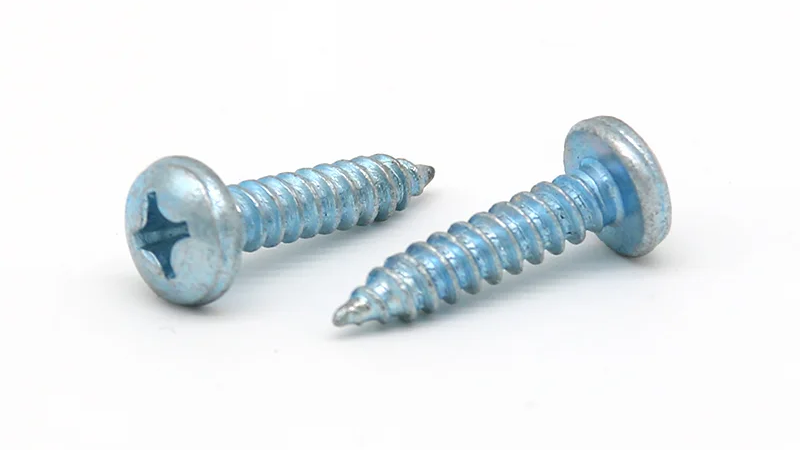
How to Choose Self-Tapping Screws for Plastic Parts
Choose self-tapping screws for plastic by matching the thread design to the resin, pilot hole and surrounding plastic, then checking head seating, thread engagement and tightening conditions on actual parts. Screw diameter alone cannot establish a suitable hole size or installation torque. This guide concerns metal screws fastening into plastic components. These screws create their […]

What Is a Fastener? Types, Functions and Industrial Uses
A fastener is a hardware component that mechanically joins or secures parts. Common examples include screws, bolts, nuts and rivets; washers are supporting components used in many fastening assemblies. Some connections can be dismantled by removing threaded fasteners, while others, such as riveted joints, normally require the fastener to be destroyed during removal. In industrial […]
Frequently Asked Questions
Is an impact driver suitable for all screwdriving work?
No. An impact driver is useful for resistant fasteners and tougher installation work, but its pulsing action can make final clamp and seating depth less predictable. For assemblies where consistent torque, surface protection or repeatable seating matters, a clutch-controlled or torque-controlled driver is usually the better choice.
What causes screw heads to strip during driving?
Stripping often comes from poor bit fit, worn bits, excessive speed, misalignment or using the wrong recess type. A bit that looks close to the right size can still ride out of the recess and damage the head, especially in harder materials or repetitive assembly.
Should the tool be selected before the screw?
Usually no. Start with the joint: materials, hole condition, required clamp, head style and access. Once the fastener and joint requirements are clear, the tool, bit and speed control can be matched to avoid overdriving, cam-out or loose seating.
What is the trade-off between speed and control?
Higher speed can reduce cycle time, but it also increases the risk of cross-threading, overdriving and surface damage. Slower or staged driving gives the operator more control, especially with soft materials, brittle surfaces or fasteners that must finish flush.
What information should be provided when asking for screwdriving advice?
Provide the screw type and size, drive recess, joint materials, hole type, working angle, expected volume and the required result, such as flush seating or consistent torque. If surface marking, restricted access or repeatability is important, mention that early because it changes the tool and bit choice.
Leave Your Message
Please share the fastener size and drive type, the materials being joined, and whether the application is manual installation, production assembly or maintenance. Include any requirement for controlled torque, flush seating or restricted access.