

Screwking Fastener Selection | Hebei Wotu Fastener Manufacturing Co., Ltd.
Screwking Fastener Selection
If you are looking for “screwking” in connection with screws or fasteners, the useful starting point is the exact fixing job: material being fastened, required head style, thread type, coating and installation method. A small difference in thread form or surface finish can decide whether the screw holds securely, strips the base material or corrodes too early.
For an inquiry to Hebei Wotu Fastener Manufacturing Co., Ltd., treat the name or search term as the beginning of the discussion, not enough information to specify a part. Share the drawing, sample, standard or application so the correct screw type can be confirmed before price or lead time is discussed.
Specifying screws for a reliable joint
The main distinction is between asking for a screw by a familiar trade name and specifying it by function. A name may point to a general category, but buyers usually need to confirm diameter, length, drive, head form, thread, material and finish to avoid receiving a part that looks similar but performs differently.
This matters most where screws work in metal, timber, plastic, sheet material or outdoor assemblies. Each application places different demands on thread engagement, corrosion resistance and assembly speed. If an existing screw is being replaced, a sample, clear photos and measurements are often more useful than a short product name alone.
Start with the joint, not the screw. Identify the material thickness, whether the screw cuts its own thread or enters a prepared hole, and whether the assembly is permanent, removable or exposed to vibration. These details influence thread style, point type and head choice more than the search term itself.
Choose the finish for the service environment. Indoor dry use, outdoor exposure, treated timber, humid storage and contact with dissimilar metals can all change the right coating or material. A common mistake is choosing only by appearance, then finding that the screw stains, rusts or reacts with the surrounding material.
Check drive and head style against the installation process. A countersunk head may be right for a flush surface, while a pan, hex or washer head may give better bearing area. Drive type affects tool engagement and production speed. If workers are camming out the drive or damaging the head, the issue may be specification rather than workmanship.
For the next step, send the intended application, quantity range, preferred standard or drawing, material and surface finish requirements, and any packaging needs. If the part must match an existing screw, include photos beside a ruler and note where the screw is used.
| Criteria | Importance | Description | Example Options |
|---|---|---|---|
| Joint material and hole condition | Critical because the base material determines how the thread should engage. | A self-tapping or thread-forming screw may suit a prepared metal or plastic hole, while timber and other softer materials may need a different thread and point design. Confirm whether the hole is pre-drilled, tapped or absent. | A screw for thin sheet metal should not be selected solely by copying one used in a wooden assembly. |
| Removable screw joint versus bolt, nut or insert | Important when the assembly will be serviced, repeatedly disassembled or exposed to thread wear. | A screw is convenient where only one side is accessible. A bolt and nut can provide a serviceable through-joint, while an insert can give a replaceable internal thread in some materials. | A machinery cover with regular maintenance access may justify a different fastening method from a permanently closed panel. |
| Head and drive style | Important for seating, clearance, installation tools and production consistency. | Countersunk heads can sit flush when the mating surface is prepared for them; pan, hex or washer heads can provide a different bearing arrangement. Drive choice affects tool engagement and the risk of head damage. | A flush decorative panel and a bracket requiring greater bearing area may need different head forms. |
| Material and surface finish | Critical where moisture, chemicals, treated timber or dissimilar metals may cause corrosion or staining. | Select the screw material and finish for the service environment rather than appearance alone. Confirm compatibility with the surrounding material and any required appearance or inspection standard. | An indoor dry assembly and an outdoor assembly should not automatically share the same finish. |
| Reference method for ordering | Important for avoiding a visually similar but functionally incorrect replacement. | A drawing, recognized standard, sample or measured part gives a stronger reference than a short trade name. Confirm tolerances, packaging, sample approval and inspection expectations where matching parts are important. | For a replacement, provide photos beside a ruler and measurements of diameter, length, head, drive and thread rather than only the name used internally. |
Product Selection
Related Options
For furniture assembly, sheet metal work, construction fixing or machinery covers, the priority is usually not the lowest unit price alone. The right screw should assemble cleanly, hold the joint reliably and suit the environment where the finished product will be used.







Blog Articles / Reviews
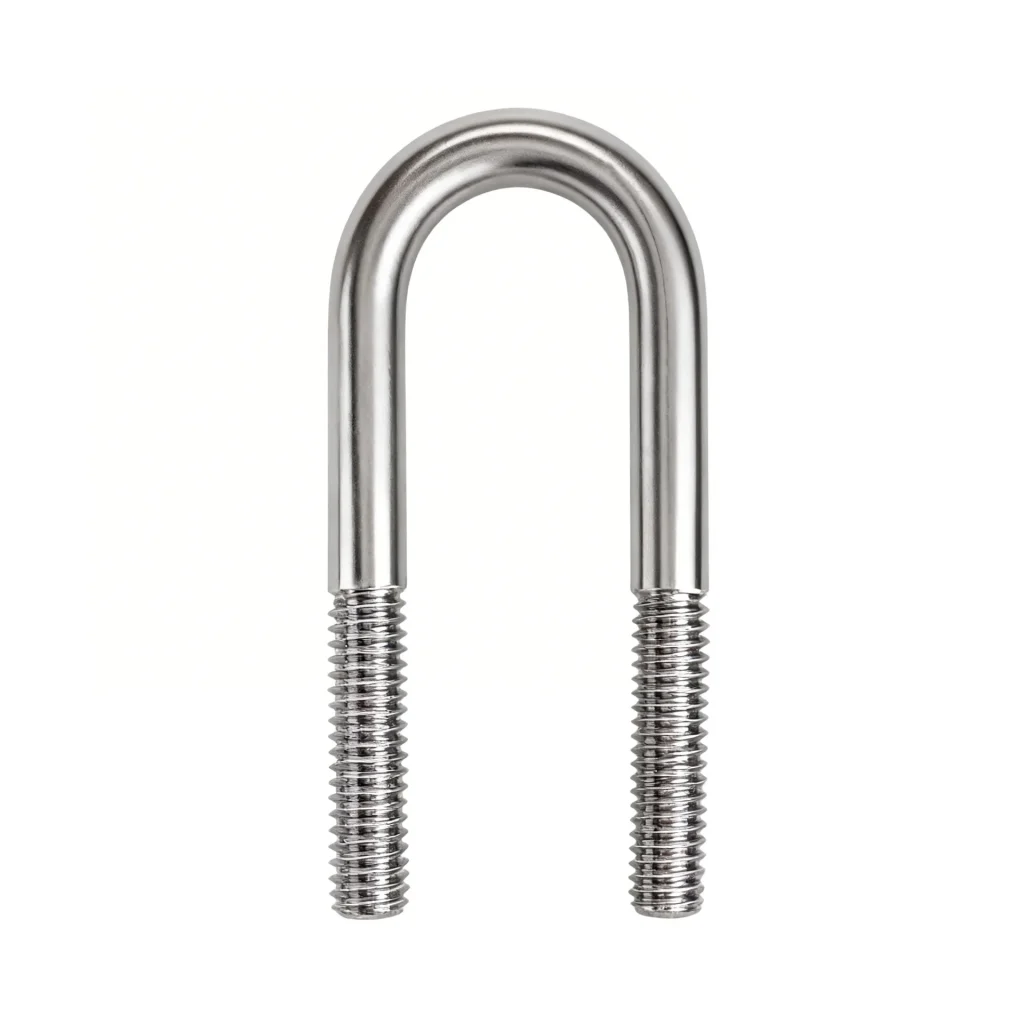
Which U-Bolt Measurements Must Buyers Provide Before a Quote?
For an M10–M24 U-bolt RFQ, buyers should send a dimensioned drawing that defines thread diameter, inside width, leg or overall length, bend geometry, thread length, application diameter, material or grade requirement, surface finish, matching nuts/washers, quantity, and packing needs. Nominal thread size alone is not enough because different measurement datums can produce U-bolts that look […]
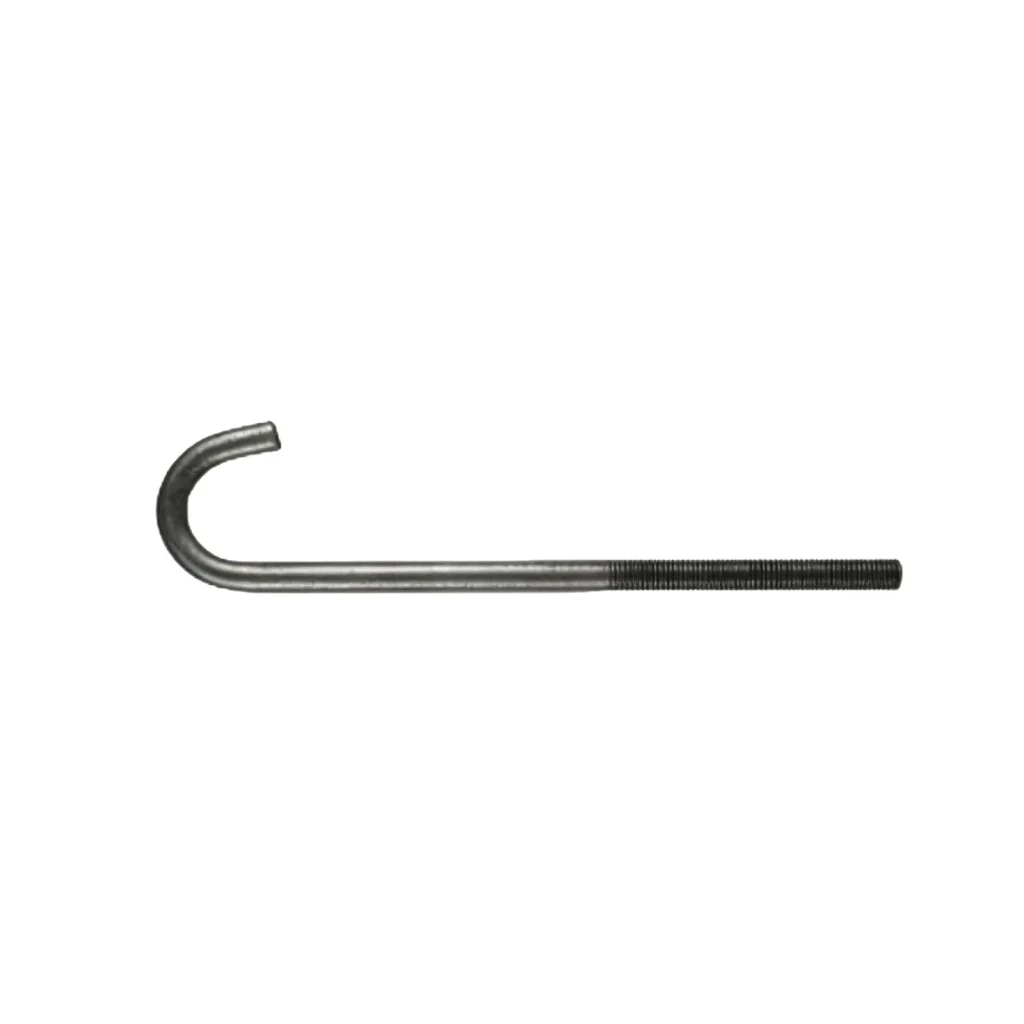
What Must Buyers Verify Before Ordering L-Shaped Anchor Bolts to an Older Standard?
When ordering L-shaped anchor bolts against an older standard, buyers should verify the standard’s current status, confirm the specification approved for the project, and reconcile the drawing, dimensions, material and foundation interface before releasing the purchase order. A legacy standard number on a product page or old drawing is not, by itself, sufficient evidence that […]
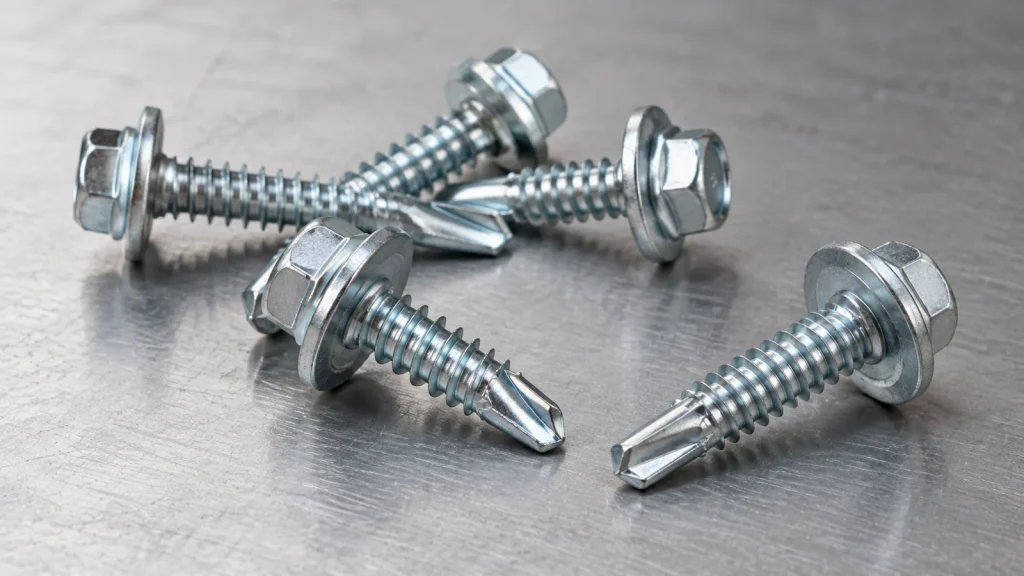
Hex Head Self-Drilling Screws with Cup Washers: Choosing Drill Point and Length
Choosing a hex head self-drilling screw with a cup washer requires more than selecting ST5.5 or ST6.3 and a nominal length. The drilling point must suit the steel it penetrates; the threaded section must engage the intended supporting material; and the head-and-washer assembly must seat correctly on the outer panel. A screw’s drilling capacity is […]
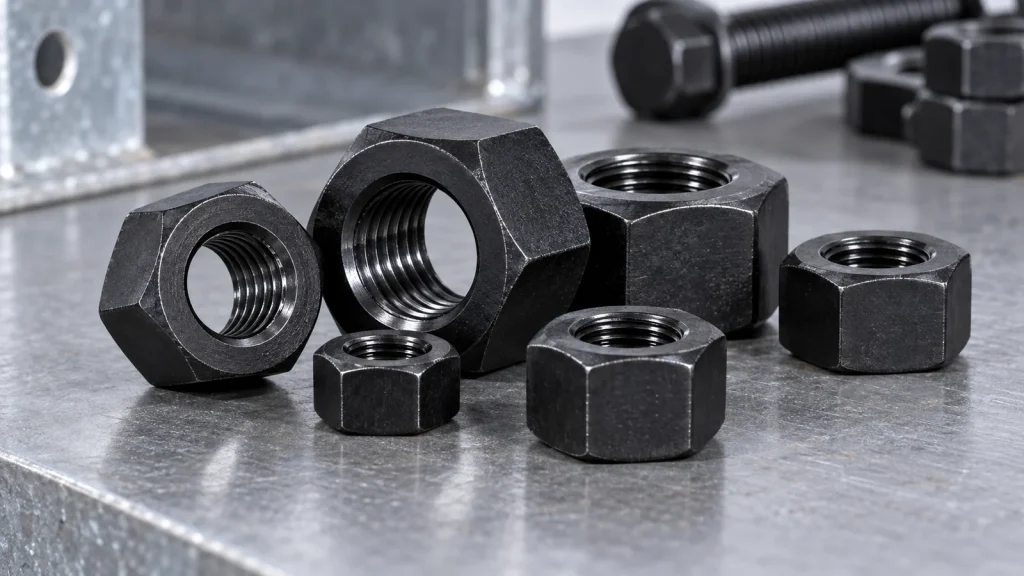
Grade 8 vs Grade 10 Hex Nuts: Strength Class and Bolt Compatibility
Class 8 and class 10 metric hex nuts are not interchangeable labels for bolt strength. They identify different nut property classes, while the suitability of either nut depends on the mating bolt, thread dimensions, nut style and the relevant specification. A black oxide finish adds another purchasing variable: it describes a surface treatment, not a […]
How to Choose Self-Tapping Screws for Plastic Parts
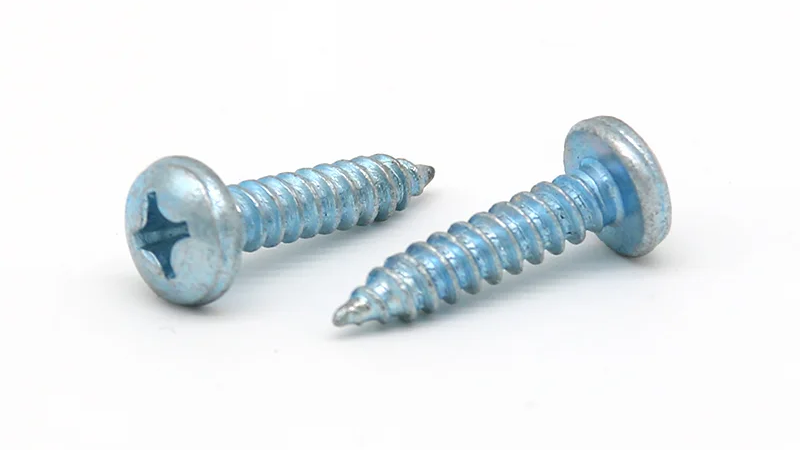
Choose self-tapping screws for plastic by matching the thread design to the resin, pilot hole and surrounding plastic, then checking head seating, thread engagement and tightening conditions on actual parts. Screw diameter alone cannot establish a suitable hole size or installation torque. This guide concerns metal screws fastening into plastic components. These screws create their […]

What Is a Fastener? Types, Functions and Industrial Uses
A fastener is a hardware component that mechanically joins or secures parts. Common examples include screws, bolts, nuts and rivets; washers are supporting components used in many fastening assemblies. Some connections can be dismantled by removing threaded fasteners, while others, such as riveted joints, normally require the fastener to be destroyed during removal. In industrial […]
Frequently Asked Questions
Is “screwking” a sufficient specification for a replacement screw?
Usually not. It may be a trade name, product reference or general search term, so confirm the diameter, length, head, drive, thread, material and finish against a drawing, standard or sample before ordering.
Can the same screw be used for timber, sheet metal and plastic?
Not necessarily. Thread form, point style and installation method should match the material and hole condition; a screw that works well in timber may strip plastic or fail to form a reliable thread in sheet metal.
When is a bolt, nut or threaded insert a better alternative?
A bolt and nut can suit joints that need repeated removal or clamping through both parts, while a threaded insert can provide a more durable thread in some softer materials. A screw is often simpler for one-sided access, but the alternative may be preferable when access, serviceability or thread wear is the main concern.
Does a similar-looking head mean two screws are interchangeable?
No. Matching head appearance does not confirm thread pitch, length under head, drive geometry, point design or material. Even small differences can affect seating, tool engagement, holding power and compatibility with the mating part.
What should I send when requesting a quotation for an existing part?
Provide the application, quantity range, material being fastened, screw measurements, preferred standard and finish requirements. Clear photos beside a ruler, a drawing or a physical sample reference can help confirm the part; also ask Hebei Wotu Fastener Manufacturing Co., Ltd. whether it can match the required specification and what inspection or sample-approval process is available.
Leave Your Message
Send the application material, screw size or drawing, and required material or surface finish. If replacing an existing screw, include photos or a sample reference so the part can be checked accurately.