Socket Head Screw Selection | Hebei Wotu Fastener Manufacturing Co., Ltd.

Socket Head Screw Selection

A socket head screw is usually chosen when the joint needs a clean cylindrical head, strong tool engagement and access through a narrow space. The main decision is not only diameter and length; head style, drive size, thread form, material and finish all affect assembly speed, clamp load and service life.

For machinery, fixtures, tooling, brackets and equipment housings, the right socket screw should match the mating thread, available counterbore depth, tightening method and operating environment. A small mismatch can lead to stripped sockets, poor seating or difficult maintenance later.

Related Products

Hex Head No. 5 Point Self-Drilling Screw

Hex Head No. 5 Point Self-Drilling Screw

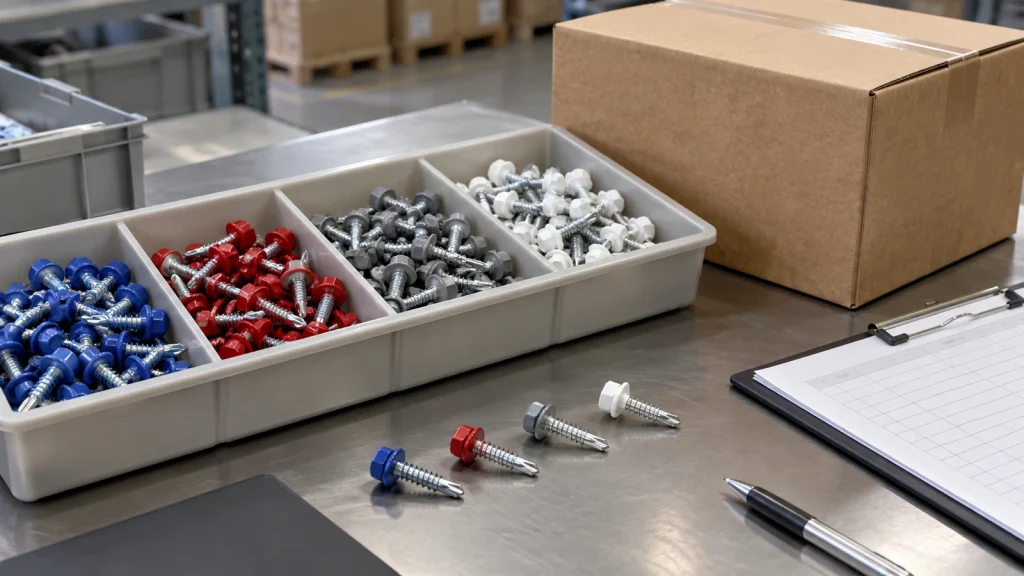
Brand: Wotu Surface: blue and white zinc plated, customized color zinc plated, Dacromet anti-corrosion coating available Specifications: ST5.5, ST6.3 mainstream specifications, rod length 20mm~125mm, full size range in stock, support nonstandard customization, drilling to adapt to steel sheet 2-6mm Packaging: 25kg cartons, whole wooden pallets

Read More
Countersunk Head Blue Zinc Self-Drilling Screw

Countersunk Head Blue Zinc Self-Drilling Screw

Brand: Hengzuan Surface: blue and white zinc plated, can be customized color zinc plated, black oxide plated Specifications: in stock 3.5/3.9/4.2/4.8/5.5 mainstream wire diameter, rod length 13mm~75mm full size range, nonstandard length can be customized as needed Packaging: 25kg export cartons, full wooden pallets wrapped with film, supports neutral export packaging, private-label customization

Read More
Countersunk Head Cross Blue-White Zinc Plated Drywall Screw

Countersunk Head Cross Blue-White Zinc Plated Drywall Screw

Brand: Hengzuan Surface: blue and white zinc plated Specifications: in stock 3.5/3.9/4.2 mainstream wire diameter, rod length 16mm~80mm full size range in stock, supports nonstandard length customization; fine/coarse tooth types are available Packaging: 25kg export cartons, full pallets wrapped with film, supports neutral export packaging, private-label customization

Read More
Countersunk Head Blue-White Zinc Plated Self-Drilling Screw (Chinese National Standard: Phillips Countersunk Head Self-Drilling And Self-Tapping Screw GB/T15856.2-2002)

Countersunk Head Blue-White Zinc Plated Self-Drilling Screw (Chinese National Standard: Phillips Countersunk Head Self-Drilling And Self-Tapping Screw GB/T15856.2-2002)

Brand: Hengzuan Surface: blue and white zinc plated, can be customized color zinc plated, black oxide plated Specifications: Comply with GB/T15856.2-2002 Chinese national standard, in stock ST4.2/ST4.8/ST5.5 full range of specifications, length 13mm~75mm optional, supports customized nonstandard rod lengths; drilling adaptation plate thickness 0.7~6mm Packaging: 25kg export cartons, full pallets wrapped with film, supports neutral export packaging, customer private-label customization

Read More

Socket screw styles and seating choices

Selection criteria

Compare socket head screws by head style, thread standard, length, material, strength grade, finish and tool access. The best fit depends on how the screw seats in the assembly and how often it will be tightened or removed.

Criterion What To Check Why It Matters Buyer Tip
Head style and access space Confirm the screw is a socket head type and match the head form to the assembly clearance, counterbore, or exposed surface requirement. Socket head screws need tool access from above. A tall head, low head, or countersunk form changes clamp height, appearance, and wrench engagement. Ask: Which head form is required, and is there enough clearance for the hex key or driver during assembly and servicing?
Thread size, pitch, and length Specify the diameter, thread pitch, overall length, and required threaded length using the drawing or mating part standard. Small changes in pitch or length can cause poor thread engagement, bottoming out, or interference with nearby parts. Ask: What mating material or tapped hole standard will the screw engage, and what minimum thread engagement is needed?
Material and strength grade State the required material and mechanical property class or grade, and confirm compatibility with the joint load and operating environment. A socket head screw is often chosen for higher tightening torque in compact assemblies, so the material and grade affect clamp load and risk of stripping or fracture. Ask: Is the priority tensile strength, corrosion resistance, non-magnetic behavior, or compatibility with another material?
Surface finish and corrosion exposure Define the finish or coating needed for indoor use, outdoor exposure, chemical contact, or appearance matching. Coatings can improve corrosion resistance but may also affect thread fit, friction during tightening, and visual consistency. Ask: Will the screw be used indoors, outdoors, or near moisture, and must the finish match surrounding hardware?
Drive recess fit and inspection Verify the socket size, recess condition, and applicable dimensional standard before bulk ordering. Poor socket fit causes cam-out, rounded recesses, and slower assembly, especially where power tools or repeated maintenance are used. Ask: Can samples or inspection documents confirm the socket dimensions and head geometry against the required standard?

Key decisions before ordering socket head screws

The practical difference buyers often need to settle first is socket head cap screw versus low head, button head or countersunk socket screw. A standard socket head cap screw gives more head height and generally better tool engagement, while a low head or button head may fit where clearance is limited. A countersunk socket screw sits flush, but it needs a correctly prepared countersink and does not behave the same as a cap screw under the head.

This matters because the head form controls how the load sits on the part. If the screw must bear against a flat machined surface, a cap head with a counterbore may be more suitable. If the surface must remain flush for sliding parts, covers or guards, a countersunk design may be necessary, but the mating part must support it properly.

Start with the joint, not the screw name. Confirm the tapped hole or nut thread standard, the required grip length, the clearance hole, and whether the head will sit on the surface, inside a counterbore or flush in a countersink. If the assembly uses automated or repeated tightening, also confirm the hex socket size and tool access angle.

Material and surface finish should follow the working environment. Plain or blackened alloy steel may suit many indoor mechanical assemblies, while zinc-plated, stainless or other treated options may be considered where corrosion, appearance or handling marks matter. Avoid choosing a finish only by appearance; coating thickness and thread fit can affect assembly.

Strength class is important, but higher strength is not automatically better. A very strong screw used in a soft tapped material can damage the internal thread before the screw reaches useful clamp load. Match the screw grade to the base material, tightening method and maintenance expectations.

Avoid vague purchase descriptions such as “socket screw, standard size.” A useful inquiry should include thread size, length measured from the correct reference point, head type, material or grade, finish, quantity, packaging preference and any drawing or sample requirement. If the part replaces an existing screw, send a photo or drawing and identify where failure or wear has occurred.

Criteria Importance Description Example Options
Head style Often the first decision because it affects clearance, seating and tool engagement. Standard cap heads offer deeper socket engagement and strong seating. Low head, button head and countersunk styles solve space or surface-profile problems but may change tightening behavior. A guard cover may use a low-profile head, while a fixture plate may use a standard cap head in a counterbore.
Seating surface Critical for clamp load and avoiding damage to the assembled part. The underside of the head must match the prepared surface. Flat seating, counterbored seating and countersunk seating are not interchangeable without checking the part geometry. A countersunk screw needs a correctly formed countersink; a cap screw needs a flat bearing surface or counterbore.
Thread and length Essential because incorrect thread fit can stop assembly or damage the mating part. Buyers should confirm thread standard, pitch, screw length measurement method and required engagement in the tapped hole or nut. A replacement screw should match the existing tapped hole rather than be selected only by visible head size.
Material, grade and finish Important for strength, corrosion behavior and long-term service. Material and grade influence load capacity, while finish affects corrosion resistance and appearance. Coatings can also influence thread fit, especially on close-tolerance assemblies. An indoor machine assembly may use a different finish from a part exposed to moisture or cleaning.
Tool access and maintenance Important when the screw will be tightened repeatedly or reached through a narrow opening. Socket depth, drive size and access angle affect how easily the screw can be installed, torqued and removed without stripping the socket. A recessed screw inside a machine frame should allow the hex key or bit to enter straight enough for reliable tightening.

Product Selection

Related Options

For machine frames, dies, fixtures and removable covers, the priority is usually reliable seating and repeatable tightening. A standard socket head cap screw often suits high-clamp mechanical joints, while low head, button head or countersunk socket screws solve clearance and surface-profile problems.

Blog Articles / Reviews

How to Specify Countersunk Head Cross Thick Thread Fiberboard Screws for Furniture Assembly Projects

How to Specify Countersunk Head Cross Thick Thread Fiberboard Screws for Furniture Assembly Projects

Fiberboard screws are selected based on more than screw size alone. For furniture assembly and board-based applications, buyers need to match the screw structure with the characteristics of fiberboard, MDF, and similar engineered wood materials. A suitable specification should consider thread design, head style, screw length, diameter, installation method, and application requirements. For buyers sourcing […]

What Should an RFQ Include When Sourcing Dacromet Hex Head Self-Drilling Screw?

What Should an RFQ Include When Sourcing Dacromet Hex Head Self-Drilling Screw?

When sourcing dacromet hex head self drilling screw, a complete RFQ should define the application, screw configuration, coating requirement, dimensions, and supplier confirmation requirements. Buyers often receive different quotations because suppliers may interpret coating, size, drilling capability, or packaging scope differently. Before preparing a project inquiry, buyers can review the available fastener product categories to […]

What Should Buyers Confirm When Ordering Color Nylon Head Hex Self-Drilling Screws?

What Should Buyers Confirm When Ordering Color Nylon Head Hex Self-Drilling Screws?

When ordering a chinese standard color nylon head hex self drilling screw, the RFQ should define more than a color name. Buyers should confirm the exact color reference, nylon head or cap configuration, base screw diameter and length, steel-sheet condition, metallic screw finish, visible-face requirement, color approval method, batch-consistency check and packaging or SKU separation. […]

How Should Buyers Evaluate Self Tapping Screws for Project Procurement?

How Should Buyers Evaluate Self Tapping Screws for Project Procurement?

#4 self tapping screws should not be purchased from the “#4” designation alone. For a usable B2B specification, the buyer still needs the actual screw diameter, thread form or pitch, overall length, substrate, pilot-hole condition, head and drive style, material, surface finish and quantity. This matters because suppliers may use different naming systems. Wotu Fastener’s […]

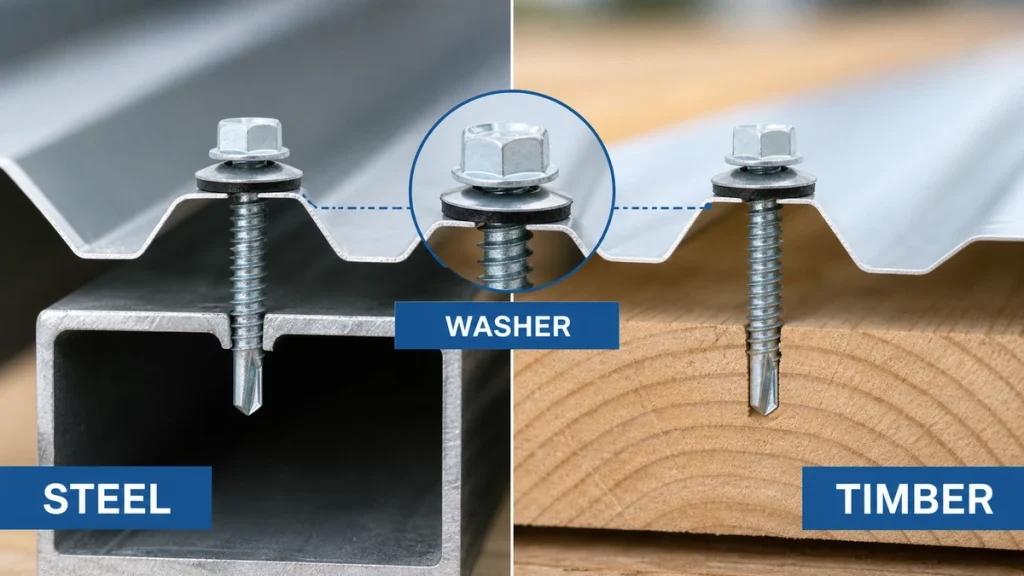
Which Self-Tapping Roofing Screw Specification Fits Metal Panels on Steel or Timber?

Which Self-Tapping Roofing Screw Specification Fits Metal Panels on Steel or Timber?

The correct self-tapping roofing screw depends on the complete panel-and-substrate stack-up. Steel supports typically require a point and thread matched to the support thickness and any pilot-hole requirement; timber supports require a wood-appropriate thread and sufficient embedment. In both cases, buyers must define diameter, length, head, sealing washer, material or coating, environment, pull-out requirements, and […]

Frequently Asked Questions

Which head style should I choose for a tight assembly space?

A low head or button head socket screw can help where vertical clearance is limited, but it usually gives less socket depth than a standard cap head. If the joint needs high tightening force or frequent removal, confirm that the tool engagement is still enough for the application.

Is a countersunk socket screw a direct replacement for a socket head cap screw?

Not usually. A countersunk screw seats on an angled surface and needs a matching countersink, while a cap screw seats on a flat surface or inside a counterbore. Swapping one for the other can change clamp behavior, head support and surface contact.

Does a higher strength grade always make the joint better?

No. The screw strength should match the mating material, thread engagement and tightening method. In softer tapped materials, a very high-strength screw may damage the internal thread before the joint reaches the intended clamp load.

What information should be checked before ordering replacements?

Confirm the thread size and pitch, length, head style, material or grade, finish and quantity. If the screw fits into a counterbore or countersink, also check the head diameter, head height and seating condition against the existing part or drawing.

When should corrosion resistance affect the choice?

Corrosion resistance matters when the screw is exposed to moisture, cleaning chemicals, outdoor air or handling conditions that can damage bare steel. The finish or material should be selected for the environment, but buyers should also confirm that coating thickness will not interfere with thread fit or assembly.

Leave Your Message

Please share the thread size, screw length, head style, material or grade, finish, quantity and the application or drawing. If tool clearance or a flush surface is important, include that detail too.