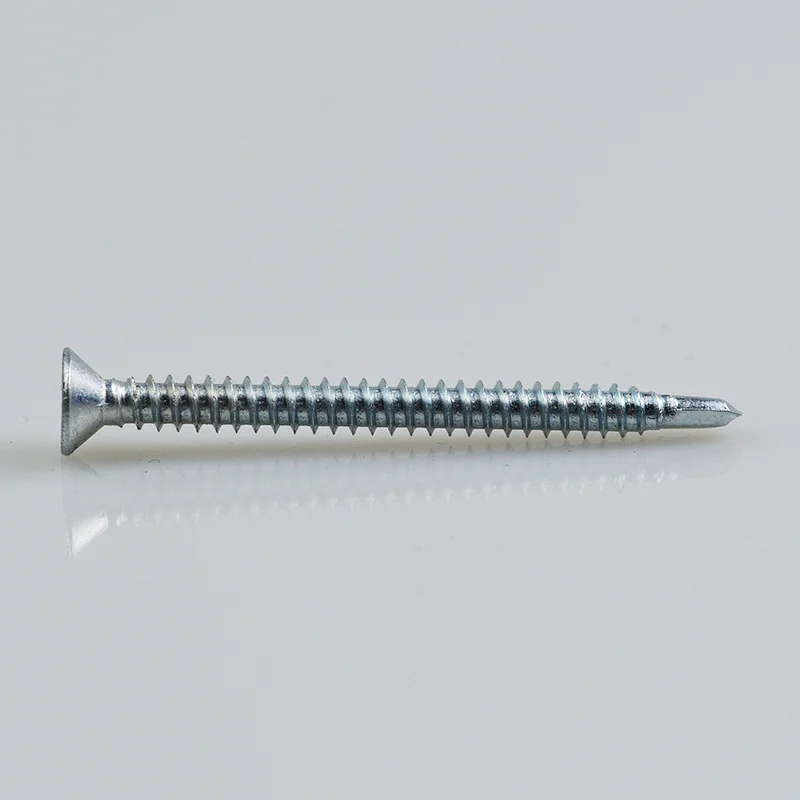
A wall plug with a screw, a concrete anchor, a self-drilling screw, and a hollow-wall anchor solve different problems. Solid masonry usually needs expansion, sleeve, wedge, or screw-type anchors that grip the drilled hole. Drywall and hollow block need fixings that spread load behind the panel or grip the cavity, because the face material alone has limited pull-out strength.
This distinction matters because a fastener can look adequate at installation but fail later under vibration, repeated use, moisture, or side load. A shelf bracket, cable tray, façade clip, handrail, and light sign may all attach to a wall, but they place different tension and shear demands on the fixing.
Start with the substrate. Solid concrete accepts different anchors than aerated block, red brick, plasterboard, or sandwich panel. If the wall material is uncertain, ask for guidance before ordering in volume, because hole diameter, embedment, expansion force, and edge distance all affect performance.
Match the fastener to the load direction and use. A light static item can often use a simpler fixing than a bracket carrying cantilevered weight or a part exposed to vibration. Avoid choosing only by screw diameter; the anchor body, thread engagement, head style, and installation method all influence holding strength.
Consider the environment and visible finish. Indoor dry areas may allow a standard plated fastener, while damp, exterior, coastal, or chemically exposed locations may require a more corrosion-resistant option. If appearance matters, confirm head type, washer use, color, and whether the fixing will be exposed after installation.
Before requesting a quotation from Hebei Wotu Fastener Manufacturing Co., Ltd., prepare the wall material, item being fixed, estimated load or application, installation environment, required fastener size or drawing if available, and packaging quantity. If the project involves structural safety, confirm the required design standard and testing requirements with the project engineer.