1 Screw Size and Application Guide | Hebei Wotu Fastener Manufacturing Co., Ltd.

1 Screw Size and Application Guide

A request for a “1 screw” usually needs one more decision before anyone can quote it correctly: does “1” mean one inch in length, a No. 1 gauge, one piece for matching, or a project reference from a drawing?

For fastening metal panels, timber, brackets, sheet metal, or roofing parts, the useful specification is not just the number. The screw type, head style, thread, point, material, coating, washer, and mating material decide fit, installation speed, sealing, and service life.

Related Products

Countersunk Head Cross Blue-White Zinc Plated Drywall Screw

Countersunk Head Cross Blue-White Zinc Plated Drywall Screw

Brand: Hengzuan Surface: blue and white zinc plated Specifications: in stock 3.5/3.9/4.2 mainstream wire diameter, rod length 16mm~80mm full size range in stock, supports nonstandard length customization; fine/coarse tooth types are available Packaging: 25kg export cartons, full pallets wrapped with film, supports neutral export packaging, private-label customization

Read More
Hex Head Self-Drilling Screw With Cup Washer

Hex Head Self-Drilling Screw With Cup Washer

Brand: Hengzuan Surface: color zinc plated Specifications: in stock ST5.5/ST6.3 regular diameter, rod length 19mm~75mm in stock, supports nonstandard customized, suitable for drilling steel sheet thickness 2~5mm Packaging: carton packaging, full pallets wooden pallet packaging, support neutral packaging, private-label customization

Read More
Hex Head Self-Drilling Screw

Hex Head Self-Drilling Screw

Brand: Hengzuan Surface: color zinc plated Specifications: ST4.2/ST4.6/ST4.8/ST5.5/ST6.3, length 80mm~165mm in stock Packaging: 25kg cartons, packed in whole pallets, supports neutral private-label

Read More
Hex Head Self-Drilling Screw With Bonded Washer

Hex Head Self-Drilling Screw With Bonded Washer

Brand: Hengzuan Surface: blue and white zinc plated, color zinc plated can be customized on request Specifications: in stock 4.2/4.8/5.5/6.3mm mainstream wire diameter, length 20mm~165mm full range of specifications, nonstandard rod length, drill point size can be customized Packaging: 25kg export cartons, full pallets wrapped with film, supports neutral export packaging, customer private-label customization

Read More
Hex Head No. 5 Point Self-Drilling Screw

Hex Head No. 5 Point Self-Drilling Screw

Brand: Wotu Surface: blue and white zinc plated, customized color zinc plated, Dacromet anti-corrosion coating available Specifications: ST5.5, ST6.3 mainstream specifications, rod length 20mm~125mm, full size range in stock, support nonstandard customization, drilling to adapt to steel sheet 2-6mm Packaging: 25kg cartons, whole wooden pallets

Read More
Chinese-standard Color Nylon Head Hex Self-Drilling Screw

Chinese-standard Color Nylon Head Hex Self-Drilling Screw

Brand: Hengzuan Surface: screw color zinc plated, head color nylon protective cap, multiple colors available Specifications: Chinese national standard ST5.5, ST6.3 mainstream caliber, rod length 25mm~125mm full range of specifications in stock, supports nonstandard length customization, suitable for drilling steel sheet thickness 2~6mm Packaging: 25kg cartons, full pallets packed on wooden pallets, support neutral packaging, private-label customization

Read More

Specifying a 1-inch or No. 1 screw correctly

Screw selection criteria

Compare screw options by application first: material being fastened, receiving material, pilot-hole condition, head clearance, required drive, surface finish, and any sealing washer. These details narrow the choice faster than a short size description alone.

Criterion What To Check Why It Matters Buyer Tip
Screw type for the base material Confirm whether the joint needs a self-drilling screw, a self-tapping screw, a wood screw, or a standard machine screw. The point and thread form decide whether the screw can cut, drill, or hold properly in metal, timber, or a pre-threaded part. What materials are being joined, and is the hole already drilled or threaded?
Diameter, length, and grip range Match the screw size to the material thickness, washer stack, clearance hole, and required embedment. A screw that is too short may not hold; one that is too long can bottom out, protrude, or damage the opposite surface. Can you provide the total clamped thickness and the minimum thread engagement needed?
Head style and drive Compare hex head, pan head, countersunk head, and other options against the tool access and finished surface requirement. The head affects torque transfer, appearance, seating, and whether the screw can be installed in a recessed or exposed position. Will the screw head remain visible, and what driver or socket will installers use?
Point design and drilling requirement For metal work, verify whether the screw needs a drill point, a tapping point, wings, or a pilot hole. The wrong point can slow installation, strip threads, enlarge the hole, or fail to cut through the top material cleanly. What is the top sheet material and thickness, and what is the supporting material underneath?
Surface finish and exposure conditions Select the coating or finish based on indoor use, outdoor exposure, moisture, or contact with treated wood or metal panels. Finish choice affects corrosion resistance, appearance, and compatibility with the surrounding materials. Where will the screw be used, and should the finish match a panel, frame, or customer standard?

Key choices before ordering screws for panels, timber, or metal assemblies

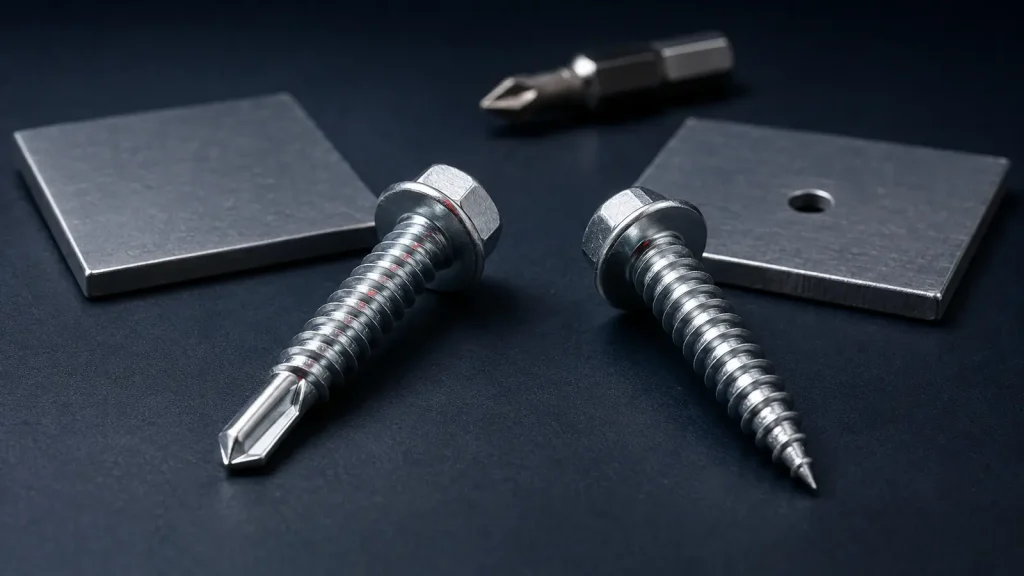
The most important distinction is between the screw’s length and its drilling or tapping function. A 1-inch screw may still be wrong if it has the wrong point for the base material. Self-drilling screws cut their own pilot hole in suitable metal. Self-tapping screws form or cut threads but may still need a prepared hole, depending on the material and screw design.

Head style also changes the usable length. Flat-head screws are normally measured from the top of the head, while many pan, hex, and washer-head screws are measured from under the head. That difference matters when the screw must grip a panel, clamp a washer, or avoid protruding through the back of an assembly.

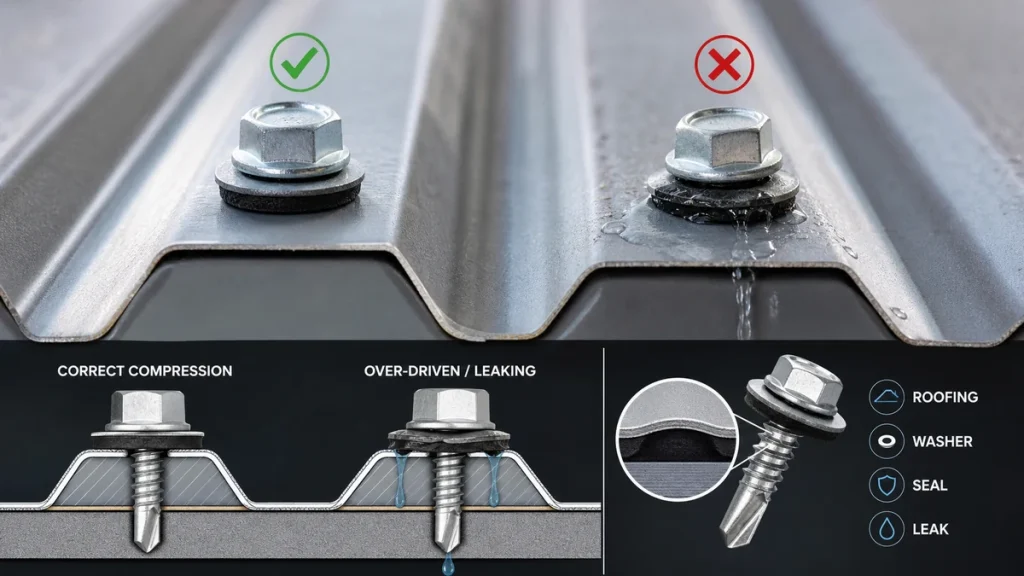
Start with the joint, not the screw name. A screw for metal-to-metal work needs different point geometry from a screw used into timber or a pre-drilled assembly. For roofing and exterior panels, sealing and washer compression become part of the fastening decision, not an afterthought.

Confirm the length measurement method before approving drawings or samples. A “1 inch” callout can produce different installed results if the head style changes. Share the head type, drive type, washer requirement, and the materials being clamped so the quoted screw matches the actual stack-up.

Choose the finish for the environment and appearance requirement. Zinc, colored zinc, painted heads, and other coatings may suit different indoor, exterior, or visible applications. The avoidable mistake is treating coating as decoration only; it can affect corrosion resistance, friction during installation, and consistency with surrounding parts.

For the next inquiry, send the application, base material, total clamping thickness, preferred head and drive, length meaning, coating, and any sample or drawing reference. If the part is for roofing or panel installation, also state washer type and sealing expectations.

Criteria Importance Description Example Options
Meaning of “1” Critical before quoting or matching a sample The number may describe length, gauge, quantity, or a position on a drawing. Confirming the meaning prevents a basic size mismatch. “1 inch long hex washer head screw” is clearer than “1 screw”.
Point type High for installation method and base material The point determines whether the screw can drill, tap, or enter a prepared hole. The wrong point can slow installation, damage the material, or fail to form a secure thread. A self-drilling point may suit metal-to-metal work, while a self-tapping screw may need a pilot hole depending on the assembly.
Head and drive style High when clearance, appearance, or installation tooling matters The head controls bearing area, countersinking, tool engagement, and length measurement. Changing the head style can change how the same nominal length performs. A hex washer head can provide broad clamping, while a flat head may be chosen where the surface needs to sit flush.
Washer and sealing requirement Important for roofing, panels, and exterior joints A washer can spread load and support sealing, but it must suit the head style, panel surface, and installation pressure. Length alone does not confirm sealing performance. A roofing panel screw may need a sealing washer, while an internal bracket screw may not.
Coating and finish Important for exposure, appearance, and assembly consistency The finish affects corrosion resistance, surface color, and sometimes installation friction. It should match the service environment and nearby materials. A visible exterior panel fastener may need a different finish from a temporary indoor assembly screw.

Blog Articles / Reviews

Which Self-Tapping Roofing Screw Specification Fits Metal Panels on Steel or Timber?

Which Self-Tapping Roofing Screw Specification Fits Metal Panels on Steel or Timber?

The correct self-tapping roofing screw depends on the complete panel-and-substrate stack-up. Steel supports typically require a point and thread matched to the support thickness and any pilot-hole requirement; timber supports require a wood-appropriate thread and sufficient embedment. In both cases, buyers must define diameter, length, head, sealing washer, material or coating, environment, pull-out requirements, and […]

Why Do Self-Tapping Roofing Screws Leak Even When the Screw Length Looks Correct?

Why Do Self-Tapping Roofing Screws Leak Even When the Screw Length Looks Correct?

Direct answer: Correct screw length does not guarantee a watertight metal-roof connection. Self tapping roofing screws can leak because of incorrect washer compression, enlarged or stripped holes, insufficient thread engagement, panel movement, or an unsuitable coating-and-washer system. Buyers should diagnose the complete installed connection—including panel profile, support thickness, point type, washer condition, and exposure—rather than […]

What Is the Difference Between Self Drilling and Self Tapping Screws?

What Is the Difference Between Self Drilling and Self Tapping Screws?

Direct Answer: A self-drilling screw has a drill-shaped point that creates a hole and then forms mating threads in a suitable material. A self-tapping screw forms or cuts mating threads but may require a correctly sized pilot hole. Selection depends on substrate type and thickness, joint stack, point geometry, installation tool, finish and application testing—not […]

Which Hexagonal Wood Screw Specifications Should Buyers Freeze Before Production?

Which Hexagonal Wood Screw Specifications Should Buyers Freeze Before Production?

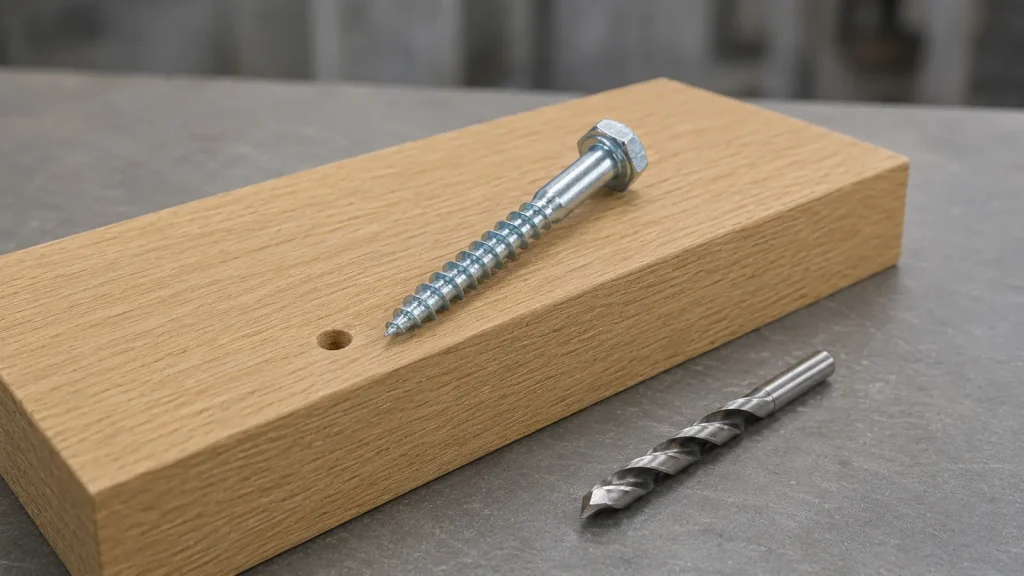
A hexagonal wood screw order should not be released from a gauge number and length alone. Before production, the buyer and supplier need one approved specification that fixes the screw diameter, length basis, thread geometry, point, hex-head dimensions, material, finish, installation method, substrate and acceptance evidence. The pilot hole belongs in the application specification as […]

What RFQ Details Matter When Ordering Blue Zinc Winged Self-Drilling Screws?

What RFQ Details Matter When Ordering Blue Zinc Winged Self-Drilling Screws?

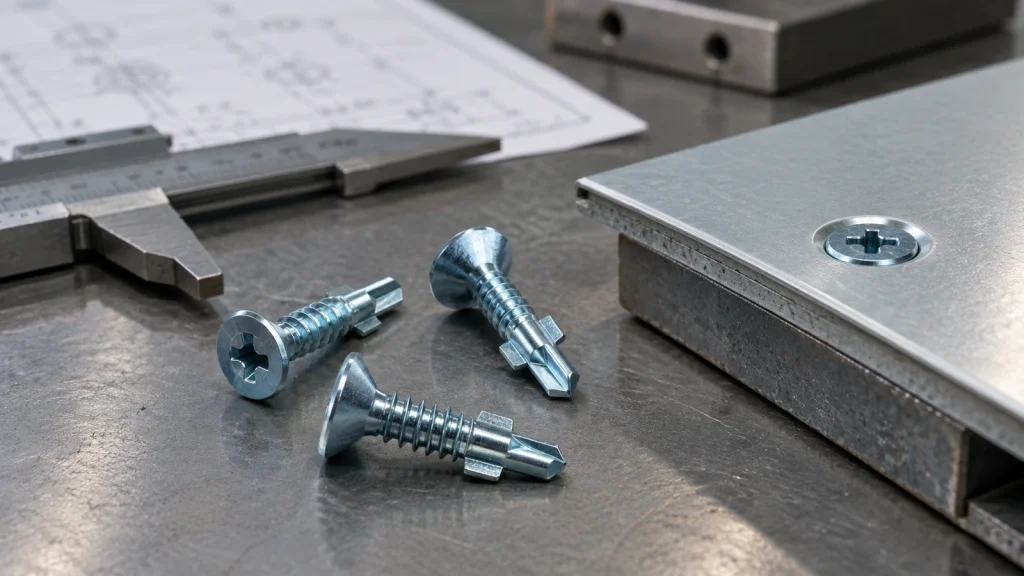
When ordering a blue zinc self drilling screw with a winged, countersunk configuration, diameter and length are not enough to define the application. The RFQ should identify the materials being connected, upper-material thickness, steel-substrate thickness, total material stack, required countersunk seating, screw diameter, total length, drill-point condition, wing geometry, surface treatment, installation method, quantity and […]

Frequently Asked Questions

Does “1” usually mean one inch or a No. 1 screw size?

It can mean either, and that ambiguity can change the quoted part. State whether “1” refers to length, gauge, a drawing item number, or a single sample piece, and include the unit if it is a length.

Is a 1-inch screw suitable for metal panel installation?

Only if the screw type matches the panel thickness, support material, and washer or sealing requirement. A 1-inch length may be reasonable for some panel stack-ups, but the point, thread, head, coating, and washer decide whether it drills, clamps, and seals properly.

Should I choose a self-drilling or self-tapping screw?

Choose self-drilling when the screw needs to make its own hole in suitable metal during installation. Choose self-tapping when the hole is already prepared or when the screw is intended to form threads in the receiving material rather than drill through it.

Why can two screws with the same length fit differently?

Head style affects how length is measured and how much of the screw enters the material. A flat head, hex washer head, pan head, or roofing screw can have the same nominal length but a different installed grip and clearance.

What details should be sent with an inquiry?

Send the screw length or size meaning, head style, drive, point type, thread type if known, coating, washer requirement, and the materials being fastened. A drawing, sample photo, or existing part number helps avoid quoting a screw that looks close but installs differently.

Leave Your Message

Send the screw length or size meaning, the materials being fastened, and the required head, drive, coating, and washer details. A drawing, sample photo, or current part number will make the inquiry easier to match.