| Original EJOT part or equivalent screw type |
Match the drawing, part number, head style, thread form, drive recess, length, diameter, and coating against the approved specification. |
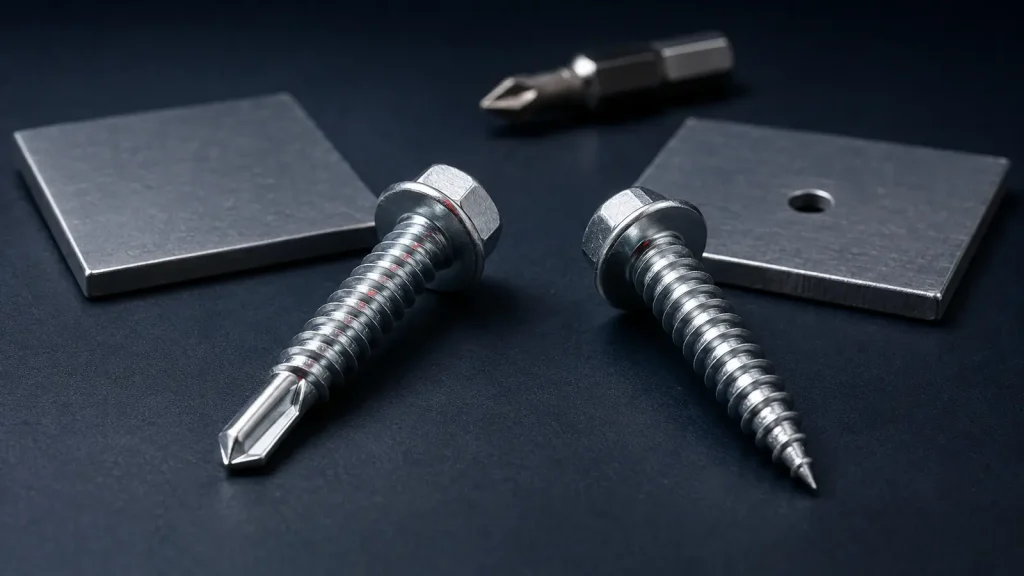
EJOT is often used as a brand-specific reference. A visually similar self-tapping or self-drilling screw may not give the same clamp load, hole forming behavior, or assembly result. |
Do you need an original EJOT part, or is a technically equivalent screw acceptable if it matches the drawing and test requirements? |
| Substrate and hole condition |
Confirm the materials being joined, sheet thickness or panel thickness, and whether the hole is pre-drilled, punched, molded, or formed by the screw. |
Thread-forming, self-tapping, and self-drilling screws behave differently. The wrong point or thread can strip plastic, enlarge metal holes, or leave poor engagement. |
What materials and hole preparation will the screw see in the actual assembly? |
| Head, drive, and seating surface |
Compare pan, countersunk, flange, washer-head, or other head forms, plus the required drive type and seating face. |
The head controls how load spreads, how flush the screw sits, and whether the driver can apply torque without cam-out or damage. |
Does the assembly need a flush surface, a bearing washer effect, or clearance for a tool at the installation angle? |
| Corrosion protection and appearance |
Specify the coating or finish required by the application, and ask how it affects mating materials, paint systems, and assembly friction. |
Finish is not only cosmetic. It can affect corrosion resistance, torque behavior, and compatibility with outdoor, appliance, automotive, or enclosure use. |
What service environment and appearance standard should the screw meet after installation? |
| Assembly torque and thread engagement |
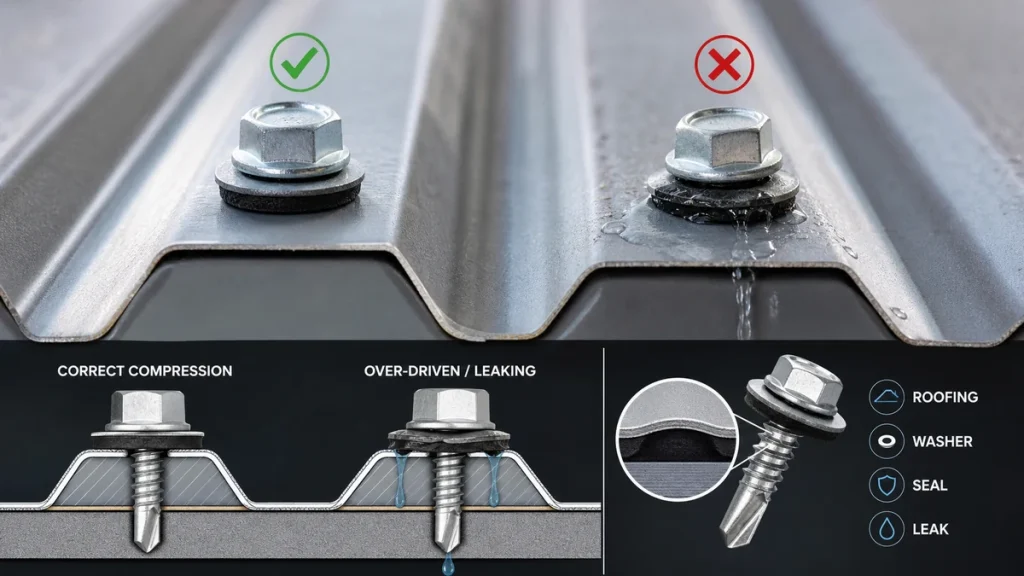
Review the pilot hole recommendation, engagement depth, installation torque window, and any pull-out or strip-out testing needed for the joint. |
Many screw failures come from a joint design issue rather than screw length alone. Too little engagement loosens; too much torque can strip the thread or crack the material. |
Can you share the mating material, hole size, and target tightening process so the screw can be checked against the joint design? |