Electric Screwdriver Fastener Selection | Hebei Wotu Fastener Manufacturing Co., Ltd.

Fastener selection for electric screwdriver assembly

An electric screwdriver is often chosen to make repeated screw assembly faster, more consistent and less tiring than hand driving. The key decision is not simply corded or cordless; it is whether the tool can drive the required screw size into the actual material without damaging the head, stripping the thread or leaving joints loose.

For buyers working with fasteners, the tool, bit, screw head style and target material need to match. A good enquiry should describe the screw type and application first, then the driver preference.

Related Products

Blue-White Zinc Plated Pan Head With Pad Self-Tapping Screw

Blue-White Zinc Plated Pan Head With Pad Self-Tapping Screw

Brand: Hengzuan Surface: blue and white zinc plated Specifications: in stock ST4.2/ST4.8full range of specifications, length 13~50mm in stock, support nonstandard length customization Packaging: 25kg cartons, solid wood packaging, support neutral packaging, private-label customization

Read More


Hex nut (Chinese national standard GB52-1976)

Hex nut (Chinese national standard GB52-1976)

Brand: Wotu Surface: 304 stainless steel Specifications: in stock M6~M24 full standard metric specifications, supports nonstandard pitch, thickening/customized Matching: Can be matched with bolts of corresponding specifications, flat washer, spring washer complete set of supporting shipment Packaging: 25kg cartons, whole wooden pallets

Read More
Blue-White Zinc Plated Winged Countersunk Head Self-Drilling Screw

Blue-White Zinc Plated Winged Countersunk Head Self-Drilling Screw

Brand: Hengzuan Surface: blue and white zinc plated, optional color zinc plated, black oxide treatment Specifications: in stock ST3.5/ST4.2/ST4.8 mainstream specifications, rod length 16~50mm full size range, supports nonstandard length customization, suitable for drilling steel sheets 2~5mm Packaging: 25kg cartons, full pallets packed on wooden pallets, support neutral packaging, private-label customization

Read More

Black Phosphated Winged Countersunk Head Self-Drilling Screw

Black Phosphated Winged Countersunk Head Self-Drilling Screw

Brand: Hengzuan Surface: high temperature black phosphated anti-rust treatment, blue zinc, color zinc plated coating can be replaced as needed Specifications: in stock ST3.5/ST4.2/ST4.8 common specifications, rod length 16mm~50mm, complete, supports nonstandard size customization, suitable for drilling steel sheets 2~5mm Packaging: 25kg cartons, whole wooden pallets, support neutral packaging, private-label customization

Read More

Wafer Head Self-Drilling Screw

Wafer Head Self-Drilling Screw

Brand: Hengzuan Surface: blue and white zinc plated, can be customized color zinc plated, black oxide plated Specifications: Comply with GB/T15856.2 Chinese national standard, in stock ST3.5/ST4.2/ST4.8/ST5.5 mainstream wire diameter, rod length 13mm~50mm full range of specifications, nonstandard length customization on demand, drilling applicable plate thickness 2~5mm Packaging: 25kg export cartons, full pallets wrapped with film, supports neutral export packaging, private-label customization

Read More

Matching screws and drive styles to an electric screwdriver

Fastener and driver fit

Relevant selection criteria include screw head style, drive recess, material hardness, coating, thread form and the amount of torque the assembly can tolerate. These details determine whether an electric screwdriver will seat the screw cleanly or create avoidable wear and installation problems.

Criterion What To Check Why It Matters Buyer Tip
Drive size and bit compatibility Confirm the chuck or bit holder type and the screwdriver bits it accepts, including common Phillips, slotted, Torx, or hex bits if needed. A tool that does not accept the fastener heads used in your assembly will slow work and may damage screw heads. Ask which bit sizes are supported and whether bits are supplied or need to be purchased separately.
Torque control for the screw and material Look for adjustable torque settings and ask how the tool limits torque during fastening. Too much torque can strip threads or crack plastic; too little torque can leave joints loose. Share the screw size, material, and joint type, then ask what torque range is suitable.
Power source and work cycle Compare corded and battery-powered models, including runtime, charging method, and suitability for continuous use. Bench assembly often favors steady power, while site work or mobile repair may need cordless operation. Describe how many screws are driven per shift and ask whether the model is intended for intermittent or repeated use.
Speed control and reverse function Verify whether the screwdriver has variable speed, a fixed speed, and a reliable reverse mode for screw removal. Controlled starting helps avoid cam-out and surface damage, while reverse is important for rework and maintenance. Ask how speed is adjusted and whether the trigger or switch gives enough control for small fasteners.
Ergonomics and fastening access Check handle shape, tool weight, body length, and whether the nose can reach recessed or tight fastener positions. A comfortable tool reduces hand fatigue, and the wrong body shape can make some assemblies hard to reach. Provide photos or dimensions of the fastening area and ask whether a straight, pistol-grip, or compact design is recommended.

Key choices before specifying fasteners for powered driving

The main practical difference is between light assembly drivers and higher-torque fastening tools. Light electric screwdrivers suit small screws, panels, brackets and repetitive bench work where control matters. Heavier-duty tools are better for tougher materials or larger screws, but they can damage smaller fasteners if torque control is poor.

Bit fit matters as much as motor power. A poorly matched bit can cam out, round the recess or mark the work surface even when the screwdriver itself is suitable. Confirm the screw drive type, head style and access space before selecting the tool or recommending a matching fastener.

Start with the fastening job: screw diameter, length, head type, drive recess, base material and whether the joint is temporary or permanent. An electric screwdriver used for cabinet hardware, sheet metal clips or light brackets has different needs from one used for dense material or long screws.

Decide how much torque control you need. Adjustable torque helps keep repeated assemblies consistent and reduces stripped threads, crushed surfaces and broken screw heads. Too little torque leaves joints loose; too much torque creates rework and can make removal difficult later.

Check access and operator workflow. A compact inline driver may suit narrow spaces and bench assembly, while a pistol-grip style can be easier for general maintenance work. Battery tools improve mobility, but charging routine, runtime and spare batteries become part of the purchasing decision.

Avoid treating the screwdriver as separate from the fastener. Send the screw drawing or sample details, the material being fastened and the expected assembly method. Hebei Wotu Fastener Manufacturing Co., Ltd. can then discuss the fastener side of the application and help you confirm what screw head and drive form should be matched with your chosen electric screwdriver.

Criteria Importance Description Example Options
Torque control Critical for repeatable assembly Adjustable or consistent torque helps seat screws without leaving joints loose or damaging threads, heads or surfaces. A small panel screw may need careful torque control, while a larger bracket screw may require more driving force.
Drive recess and bit match High impact on installation quality The bit must fit the screw recess correctly to reduce slipping, cam-out and rounded heads during powered driving. A Phillips, hex socket or Torx-style recess each needs the correct matching bit shape and size.
Screw head style Important for seating and surface finish Head geometry affects how the screw bears on the surface and whether it can be driven flush, raised or into a countersink. A countersunk head suits a flush finish, while a pan head may be better for clamping a bracket or panel.
Material being fastened Changes the fastener and tool requirement Soft material, sheet metal, dense material and pre-drilled holes all behave differently under powered installation. A screw used in thin sheet metal may need different thread engagement than one used in a softer substrate.
Tool format and access Practical for operator workflow The screwdriver shape, bit length and access angle affect whether the operator can keep alignment and pressure during installation. A compact inline tool may suit bench assembly, while a pistol-grip tool may be easier for general maintenance access.

Blog Articles / Reviews

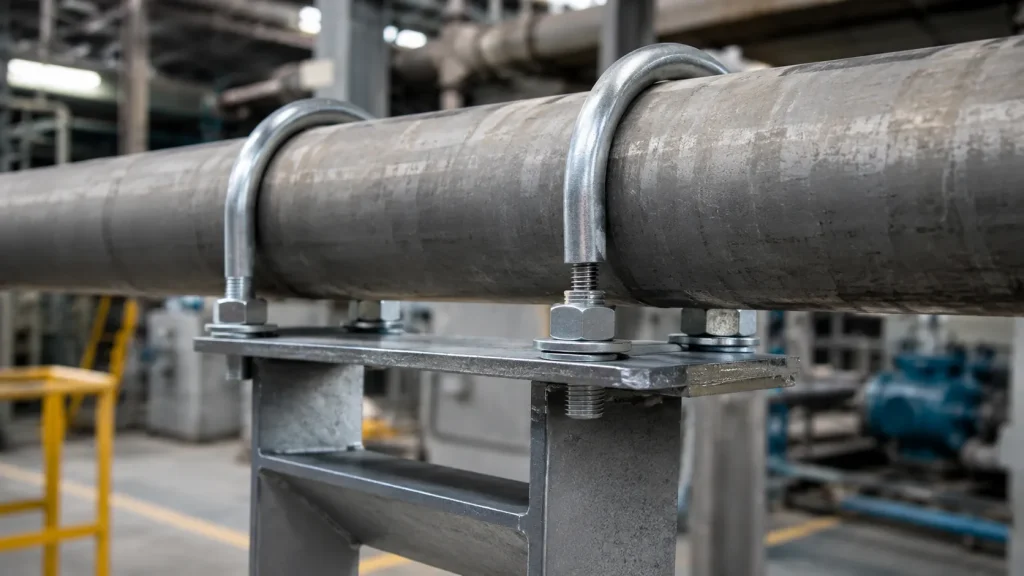
Why Do U Bolts Loosen in Pipe Supports? 6 Causes and Prevention Methods

Why Do U Bolts Loosen in Pipe Supports? 6 Causes and Prevention Methods

U bolts usually loosen in pipe supports because the connection loses clamping force, receives continuous vibration, restricts thermal pipe movement, uses an incorrectly sized U bolt, experiences surface settlement, or suffers from corrosion and inadequate inspection. This issue affects EPC contractors, pipe installers, industrial maintenance teams, equipment manufacturers and fastener distributors working with water, oil […]

A manufacturer of hexagonal self-drilling screws discusses their performance standards.

A manufacturer of hexagonal self-drilling screws discusses their performance standards.

Hebei Wotu Fastener Manufacturing Co., Ltd., founded in the 1990s, is located in Yongnian District, Handan City, Hebei Province, known as the “Hometown of Fasteners.” 1. Core Hardness: Standard: HRC32-40. Our products are measured at HRC31.7-39.0. 2. Surface Hardness: Standard: HV600-700. Our products are measured at approximately HV620. 3. Hardened Layer: 4#-6#: 0.05-0.18mm; 8#-12#: 0.10-0.23mm; […]

Frequently Asked Questions

What screw details should I confirm before using a powered driver?

Confirm the screw diameter, length, head style, drive recess and thread type, along with the material being fastened. These details affect bit engagement and the torque needed to seat the screw without stripping the recess or damaging the joint.

Is a higher-torque tool always better for assembly work?

No. Higher torque can help with larger screws or tougher materials, but it can also overdrive small fasteners, crush softer surfaces or break screw heads. For repeated work, controlled torque is usually more valuable than maximum power.

Why do screws sometimes slip or round out even with the right tool?

The usual causes are a mismatched bit, worn bit, incorrect drive style or poor alignment during driving. The screw recess and bit should match closely, and the operator should keep steady pressure so the bit stays fully seated.

Should I choose a different screw for electric screwdriver installation than for hand installation?

Sometimes. Powered driving can make recess strength, head shape and coating more important because the screw is installed faster and with repeated torque. If the assembly is high-volume or prone to cam-out, review the fastener design rather than only changing the tool.

What information is useful when asking Hebei Wotu Fastener Manufacturing Co., Ltd. about a fastening application?

Send the screw drawing or sample description, base material, joint type, head and drive preference, coating requirement and how the screw will be installed. If an electric screwdriver is already selected, include the bit type and intended torque setting if known.

Leave Your Message

Share the screw size or drawing, the material being fastened and the type of electric screwdriver or bit you plan to use. If available, include the required head style, coating and assembly conditions.