

Hand Rivet Gun Selection | Hebei Wotu Fastener Manufacturing Co., Ltd.
Hand Rivet Gun Selection
A hand rivet gun is a simple way to install blind rivets where the back of the joint cannot be reached. The main purchase decision is not only the tool shape, but whether the gun matches the rivet material, rivet diameter, joint access and amount of daily use.
For light assembly, repair work and low-volume fastening, a manual rivet gun can be practical because it needs no air line or battery. For frequent production work or larger rivets, the grip effort and stroke length become more important than the lowest tool price.
Matching the riveter to the rivet and joint
The key distinction is between a basic hand riveter, a long-arm riveter and a lazy-tong or heavy-duty model. A compact hand riveter is easy to carry and works well in tight spaces, but it can require more hand force. A long-arm style gives better leverage for tougher rivets, while a lazy-tong design can help when repeated pulling force matters more than compact size.
Tool choice also depends on the rivet, not just the gun. Aluminium rivets are usually easier to set than steel or stainless steel rivets, and larger diameters need more pulling force. Before placing an inquiry, confirm the rivet diameter range, mandrel type, nosepiece sizes and the material combination being joined.
Start with the rivets already specified for the job. The gun must fit the rivet diameter and material, and the nosepiece must hold the mandrel correctly. A common mistake is buying a tool that fits the nominal diameter but struggles with harder rivet materials, causing incomplete setting or excessive operator effort.
Look at access around the joint. A compact gun suits cabinets, ducting, enclosures and repair work where space is limited. A long-arm tool can reduce effort but may be awkward inside narrow frames or near corners. If the joint is recessed, ask about nosepiece length and head clearance rather than assuming any riveter will reach.
Consider workload and operator comfort. For occasional maintenance, a standard hand rivet gun may be enough. For repeated assembly, handle shape, spring return, mandrel collection and ease of changing nosepieces can affect speed and fatigue. If the work involves many hard rivets, compare manual options with pneumatic or battery riveters before committing.
A useful next step is to send the rivet size, rivet material, workpiece materials, access conditions and estimated usage volume. If Hebei Wotu Fastener Manufacturing Co., Ltd. supplies or recommends compatible riveting tools, ask which hand rivet gun style matches those rivets and what consumable or spare parts should be kept with the tool.
| Criteria | Importance | Description | Example Options |
|---|---|---|---|
| Rivet diameter and material | Primary fit factor | The tool must generate enough pull for the selected blind rivet and hold the mandrel correctly through the matching nosepiece. | An aluminium rivet is generally easier to set by hand than a similar-size steel or stainless steel rivet. |
| Tool style | Affects force, access and comfort | Compact, long-arm and lazy-tong styles suit different working spaces and effort levels. More leverage can reduce hand force but may reduce access in confined areas. | A compact riveter may suit repair work inside an enclosure, while a long-arm tool may suit open bench assembly. |
| Joint access | Often overlooked | The nosepiece and tool head must reach the hole squarely. Restricted clearance can prevent a strong, clean set even if the rivet size is compatible. | A recessed hole near a folded edge may need attention to nosepiece length and head clearance. |
| Work volume | Determines whether manual operation is practical | Occasional fastening can be handled with a standard hand tool, while repeated setting of harder rivets may justify a heavier-duty manual style or powered alternative. | A maintenance kit may prioritize portability; a production bench may prioritize lower operator effort. |
| Service and spare parts | Important for regular use | Nosepieces, jaws and springs can wear or be misplaced. Buyers should confirm what parts are replaceable and what should be kept with the tool. | A workshop using several rivet sizes may keep labeled nosepieces and spare gripping jaws on hand. |
Product Selection
Related Options
For a workshop fitting blind rivets into sheet metal panels, the best practical choice is usually the gun that sets the specified rivet cleanly with reasonable effort in the available space. A small service kit may favor portability, while bench assembly may justify a longer lever or heavier-duty manual riveter.







Blog Articles / Reviews

The Concept of Hexagonal Self-Drilling Screws and High-Pressure Standard Parts
Hexagonal self-drilling screws, manufactured by Hebei Wotu Fastener Manufacturing Co., Ltd., operate under a modern enterprise system and strictly manage according to the ISO9001:2015 quality system. The company uses “Wotu” as its registered trademark. The term “standard parts” in China is a shorthand for “standard fasteners,” a narrow definition. High- and medium-pressure standard parts refer […]
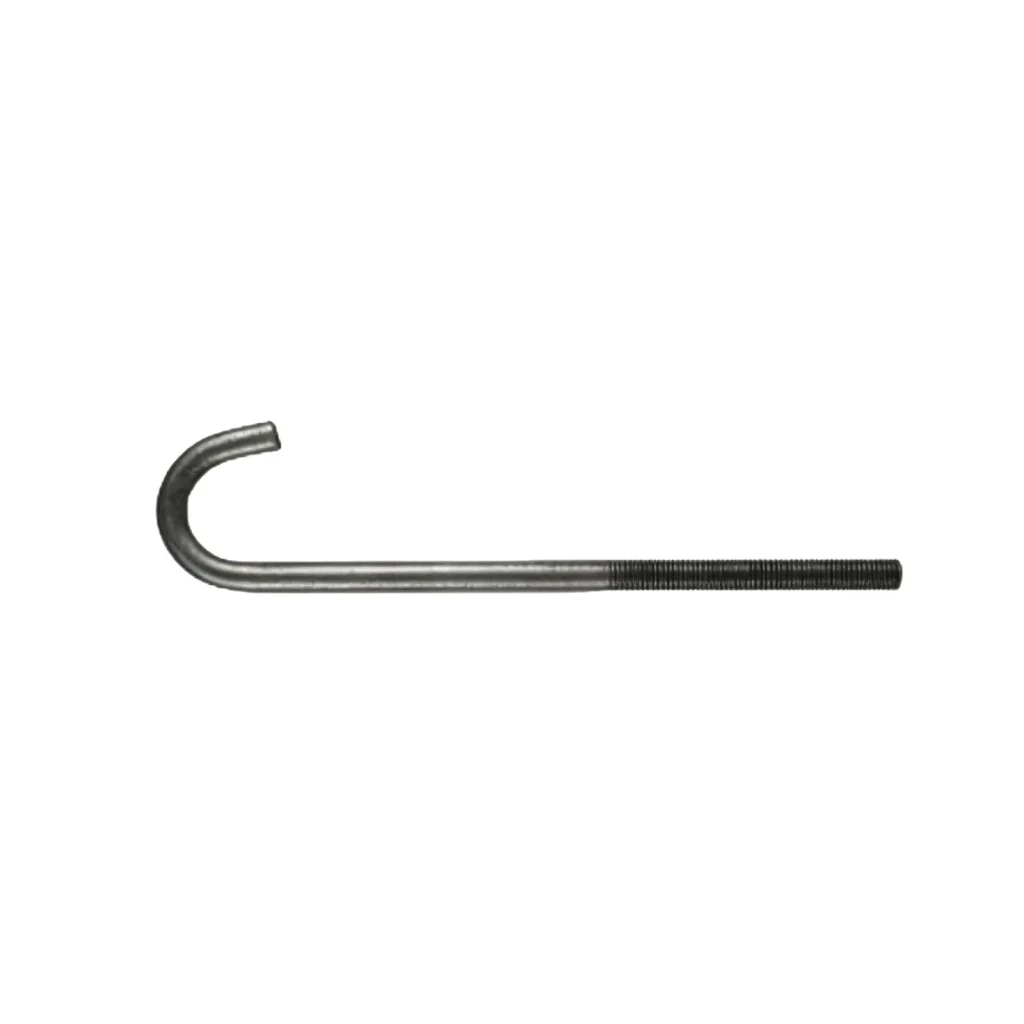
What Must Buyers Verify Before Ordering L-Shaped Anchor Bolts to an Older Standard?
When ordering L-shaped anchor bolts against an older standard, buyers should verify the standard’s current status, confirm the specification approved for the project, and reconcile the drawing, dimensions, material and foundation interface before releasing the purchase order. A legacy standard number on a product page or old drawing is not, by itself, sufficient evidence that […]

Why Do Self-Tapping Roofing Screws Leak Even When the Screw Length Looks Correct?
Direct answer: Correct screw length does not guarantee a watertight metal-roof connection. Self tapping roofing screws can leak because of incorrect washer compression, enlarged or stripped holes, insufficient thread engagement, panel movement, or an unsuitable coating-and-washer system. Buyers should diagnose the complete installed connection—including panel profile, support thickness, point type, washer condition, and exposure—rather than […]

A self-drilling screw manufacturer shares the standard usage requirements for self-drilling screws.
There are many types of self-drilling screws, so how should we use them correctly? Below, Hebei Wotu Fastener Manufacturing Co., Ltd. will guide you through the process. There are many types of self-drilling screws, so how should we use them correctly? Below, Hebei Wotu Fastener Manufacturing Co., Ltd. will guide you through the process. Self-drilling […]

A manufacturer of hexagonal self-drilling screws discusses their performance standards.
Hebei Wotu Fastener Manufacturing Co., Ltd., founded in the 1990s, is located in Yongnian District, Handan City, Hebei Province, known as the “Hometown of Fasteners.” 1. Core Hardness: Standard: HRC32-40. Our products are measured at HRC31.7-39.0. 2. Surface Hardness: Standard: HV600-700. Our products are measured at approximately HV620. 3. Hardened Layer: 4#-6#: 0.05-0.18mm; 8#-12#: 0.10-0.23mm; […]

Choosing the Right Material for Self-Drilling Screws and Its Maintenance Requirements
Self-drilling screws are fundamental mechanical components with high demand. They are typically used in bolts, screws, rivets, etc., for safety or in harsh environments or other hazardous conditions where temperature effects are not a concern. Common materials for self-drilling screws include carbon steel, low-alloy steel, and non-ferrous metals. However, in specific applications, fastener materials need […]
Frequently Asked Questions
Can one manual riveter install every blind rivet size?
No. A hand riveter must match the rivet diameter, mandrel size and rivet material. Many tools include interchangeable nosepieces, but the pulling force still has to be suitable for the rivet being set.
Is a hand tool suitable for stainless steel rivets?
It may be suitable for some smaller stainless steel blind rivets, but they usually need more pulling force than aluminium rivets. For frequent stainless steel work or larger diameters, compare long-arm manual tools with pneumatic or battery riveters to reduce operator fatigue.
What is the trade-off between a compact gun and a long-arm model?
A compact gun is easier to carry and can fit into tighter spaces, but it gives less leverage. A long-arm model can make harder rivets easier to set, although it may be awkward near corners, inside frames or in narrow enclosures.
Does the rivet gun decide the strength of the joint?
The joint strength mainly depends on the correct rivet type, diameter, grip range, hole quality and materials being fastened. The gun’s job is to set that rivet properly; a poor match can leave the rivet loose, under-set or difficult to break at the mandrel.
What details should be sent before asking for a recommendation?
Send the rivet diameter, rivet material, workpiece materials, expected usage volume and any space limits around the joint. It is also useful to mention whether the tool is for repair work, field service or repeated bench assembly.
Leave Your Message
Send the rivet diameter and material, the materials being joined, and how often the tool will be used. Include any access limits around the joint so the correct hand rivet gun style can be discussed.