Hex Head Fasteners | Hebei Wotu Fastener Manufacturing Co., Ltd.

Hex Head Fasteners for Different Assemblies

Hex head fasteners are chosen when the installer needs positive wrench or socket engagement, easier torque control, and a head shape that remains accessible after assembly. The main decision is not only “hex head or not,” but which fastener type, thread, point, material, finish, and head details match the joint.

For roofing, sheet metal, wood, machinery, or general construction work, a hex head can speed installation and reduce cam-out compared with some recessed drives. It also needs enough clearance around the head for the tool, so space, appearance, sealing, and corrosion exposure all affect the choice.

Related Products

Hot-Dip Galvanized Hex Head Bolt (DIN931 Half Thread / DIN933 Full Thread / GB30 Chinese National Standard Bolt, Can Be Equipped With Nut And Washer Set)

Hot-Dip Galvanized Hex Head Bolt (DIN931 Half Thread / DIN933 Full Thread / GB30 Chinese National Standard Bolt, Can Be Equipped With Nut And Washer Set)

Brand: Wotu Surface: overall hot-dip zinc plating treatment Specifications: Comply with DIN and GB standards, in stock M6-M48 full range of specifications, length 20mm-300mm, supports nonstandard customized. Packaging: woven bag inside / 25kg export carton, film-wrapped wooden pallet; supports neutral packaging and customer private-label customization.

Read More
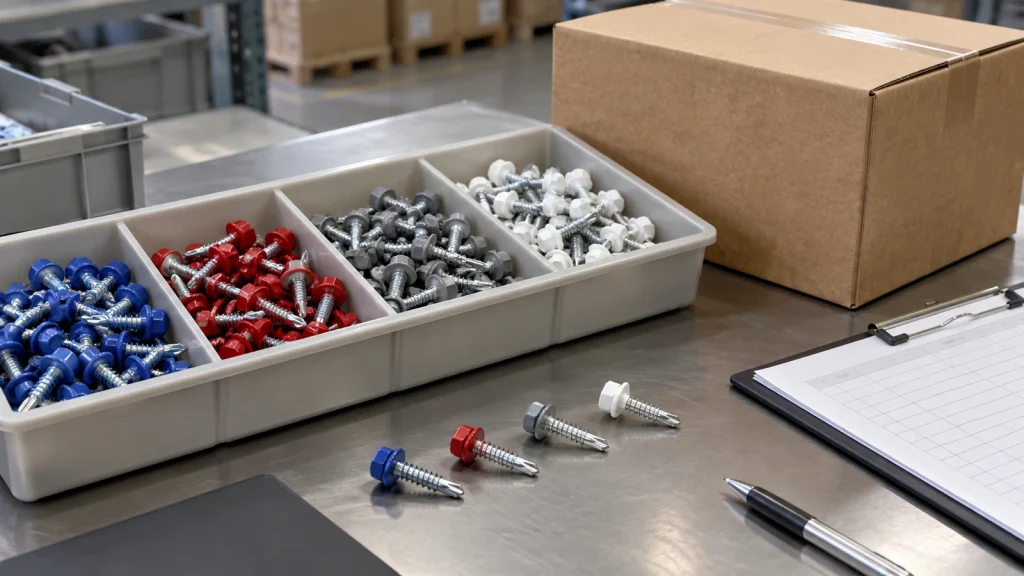
Painted Hex Head Self-Drilling Screw

Painted Hex Head Self-Drilling Screw

Brand: Hengzuan Surface: screw color zinc plated + hex head outdoor paint Specifications: ST5.5, ST6.3, rod length 25mm~120mm in stock, supports nonstandard customization, suitable for drilling steel sheets 2~5mm Packaging: 25kg cartons, whole wooden pallets

Read More
Hex Head No. 5 Point Self-Drilling Screw

Hex Head No. 5 Point Self-Drilling Screw

Brand: Wotu Surface: blue and white zinc plated, customized color zinc plated, Dacromet anti-corrosion coating available Specifications: ST5.5, ST6.3 mainstream specifications, rod length 20mm~125mm, full size range in stock, support nonstandard customization, drilling to adapt to steel sheet 2-6mm Packaging: 25kg cartons, whole wooden pallets

Read More
Dacromet Hex Head Self-Drilling Screw

Dacromet Hex Head Self-Drilling Screw

Brand: Hengzuan Surface: Dacromet anti-corrosion coating Specifications: in stock ST5.5/ST6.3 mainstream caliber, rod length 50mm~150mm, extended full range of specifications, supports nonstandard extra long customized, suitable for drilling steel sheet thickness 2~6mm Packaging: 25kg export cartons, full pallets wrapped with film, supports neutral export packaging, private-label customization

Read More
Hex Head Self-Drilling Screw With Bonded Washer

Hex Head Self-Drilling Screw With Bonded Washer

Brand: Hengzuan Surface: blue and white zinc plated, color zinc plated can be customized on request Specifications: in stock 4.2/4.8/5.5/6.3mm mainstream wire diameter, length 20mm~165mm full range of specifications, nonstandard rod length, drill point size can be customized Packaging: 25kg export cartons, full pallets wrapped with film, supports neutral export packaging, customer private-label customization

Read More
White Zinc Plated Hex Head Self-Drilling Screw

White Zinc Plated Hex Head Self-Drilling Screw

Brand: Hengzuan Surface: blue and white zinc plated, optional black oxide, color zinc plated coating Specifications: in stock 4.2/4.8/5.5/6.3mm wire diameter, length 16mm~165mm full size range, supports nonstandard customized rod length Packaging: 25kg export cartons, full-container wooden pallets wrapped with film, supports neutral packaging, private-label customization

Read More

Key details that define a hex head fastener

Selection criteria

Relevant selection criteria for a hex head fastener include the fastener family, head dimensions, drive clearance, thread form, point style, material grade, surface finish, washer or sealing requirement, and the standard or drawing used for inspection. These details decide whether the part installs cleanly, clamps correctly, and matches the buyer’s assembly process.

Criterion What To Check Why It Matters Buyer Tip
Fastener type and application Confirm whether you need a hex-head screw, bolt, or another fastener for wood, sheet metal, or a nut-and-bolt joint. The thread form, point style, and mating component determine how the fastener installs and holds. Ask, “What materials are being joined, and should the fastener form its own thread or use a nut?”
Head size and tool access Compare the hex head dimensions with the available socket or wrench and the clearance around the joint. A head that fits the tool but not the surrounding space can slow installation or prevent proper tightening. Provide the tool size and the maximum head height or width allowed in the assembly.
Thread, diameter, and length Verify the nominal diameter, thread type or pitch, thread length, and required overall length against the mating part. Incorrect thread compatibility or insufficient engagement can cause poor fit, loosening, or damage to the assembly. Send a drawing or state the mating nut, insert, hole, material thickness, and desired protrusion.
Material and surface finish Specify the base material and the finish required for the operating environment, including appearance or corrosion concerns. Material and coating affect durability, compatibility with adjoining parts, and suitability for indoor or exposed use. Ask which material and finish options are available for the intended environment and whether they suit the mating material.
Standard and dimensional control Confirm the applicable dimensional standard, tolerance expectations, and inspection documents for the hex-head fastener. Similar-looking fasteners can differ in thread geometry, head dimensions, and interchangeability across standards. Name the required standard or provide a controlled drawing, then ask how dimensions and thread fit will be verified.

Choosing the right hex head style for the assembly

A hex head screw is driven from the outside of the head, while many countersunk or recessed screws rely on an internal drive. That difference matters in production because external driving usually gives a stronger tool grip, but it also leaves a larger visible head and needs side clearance for a socket or wrench.

Buyers should also separate the head style from the fastener function. A hex head self-drilling screw, a hex wood screw, a machine bolt, and a hex nut belong to different assemblies even though they share the hex form. Confirm the base material, mating part, pilot-hole or drilling requirement, clamping need, and environmental exposure before fixing the specification.

Start with the assembly material and installation method. Thin steel sheet may require a self-drilling point, wood needs a thread form that grips without splitting the material, and bolted joints need matching threads, nuts, and washers. A common mistake is choosing by head shape alone and leaving the point or thread style unclear.

Check the available tool access before approving a hex head. It works well where a socket driver can approach the fastener straight and has room around the head. In tight pockets, flush surfaces, or decorative panels, a countersunk or internal-drive screw may fit better even if it installs more slowly.

Match the finish to the service environment and connected materials. Zinc, painted heads, nylon heads, and higher-corrosion coatings are selected for different reasons, such as appearance, panel color matching, or outdoor exposure. Do not treat coating names as interchangeable; ask what corrosion resistance, color tolerance, and coating thickness control can be provided for the intended application.

For an inquiry, prepare the fastener type, standard or drawing, diameter, length, thread or point requirement, head style, finish, packaging preference, and application material. If the fastener must seal a roof sheet or clamp a specific panel stack, include washer type, panel thickness, and installation conditions so the reply can address fit rather than only quote a size.


Criteria Importance Description Example Options
Fastener family Critical because the head shape does not identify the joint function. Choose among self-drilling screws, wood screws, machine bolts, or nuts according to the materials being joined and whether the joint is permanent or removable. Sheet-to-metal work may call for a self-drilling screw, while a removable clamped joint may use a bolt, nut, and washer.
Head and drive access Critical for installation speed, tool engagement, and clearance around the assembled part. An external hex head suits a socket or wrench with straight approach access; a recessed or countersunk head may fit confined or flush applications more easily. Use an external hex where a socket can reach the head, and consider a countersunk or internal-drive alternative for a flush panel.
Thread and point style Critical for grip, drilling behavior, and the risk of damaging the base material. Match the thread form and point to wood, sheet metal, or a pre-drilled machine joint instead of selecting only by diameter and head shape. A drilling point can suit an appropriate sheet-metal assembly, while a wood screw requires a thread form intended for timber.
Material and surface finish Important where corrosion exposure, appearance, or contact with other materials affects service life. Select the base material and finish for the environment and connected materials, then confirm what control is available for appearance and coating consistency. A visible colored panel may need a coordinated finish, while an exposed outdoor assembly may require a finish selected for its corrosion environment.
Washer or sealing arrangement Important when the joint must distribute clamping load, prevent surface damage, or resist water entry. Specify whether the assembly needs a plain washer, sealing washer, or another interface detail, along with the panel or material thickness. A roof-panel application may require a sealing washer, whereas a dry machinery joint may use a different washer arrangement or none.

Product Selection

Related Options

In a practical purchase, the best fit is the part that matches the job: a hex head self-drilling screw for fastening sheet to metal, a hex wood screw for timber work, or a hex nut and bolt combination for a removable clamped joint. The use case should drive the specification before price comparison begins.

Blog Articles / Reviews

What Should an RFQ Include When Sourcing Dacromet Hex Head Self-Drilling Screw?

What Should an RFQ Include When Sourcing Dacromet Hex Head Self-Drilling Screw?

When sourcing dacromet hex head self drilling screw, a complete RFQ should define the application, screw configuration, coating requirement, dimensions, and supplier confirmation requirements. Buyers often receive different quotations because suppliers may interpret coating, size, drilling capability, or packaging scope differently. Before preparing a project inquiry, buyers can review the available fastener product categories to […]

What Should Buyers Confirm When Ordering Color Nylon Head Hex Self-Drilling Screws?

What Should Buyers Confirm When Ordering Color Nylon Head Hex Self-Drilling Screws?

When ordering a chinese standard color nylon head hex self drilling screw, the RFQ should define more than a color name. Buyers should confirm the exact color reference, nylon head or cap configuration, base screw diameter and length, steel-sheet condition, metallic screw finish, visible-face requirement, color approval method, batch-consistency check and packaging or SKU separation. […]

How to Specify Countersunk Head Cross Thick Thread Fiberboard Screws for Furniture Assembly Projects

How to Specify Countersunk Head Cross Thick Thread Fiberboard Screws for Furniture Assembly Projects

Fiberboard screws are selected based on more than screw size alone. For furniture assembly and board-based applications, buyers need to match the screw structure with the characteristics of fiberboard, MDF, and similar engineered wood materials. A suitable specification should consider thread design, head style, screw length, diameter, installation method, and application requirements. For buyers sourcing […]

Hex Thin Nut vs Standard Hex Nut: Which Fits Space-Limited or Locking Assemblies?

Hex Thin Nut vs Standard Hex Nut: Which Fits Space-Limited or Locking Assemblies?

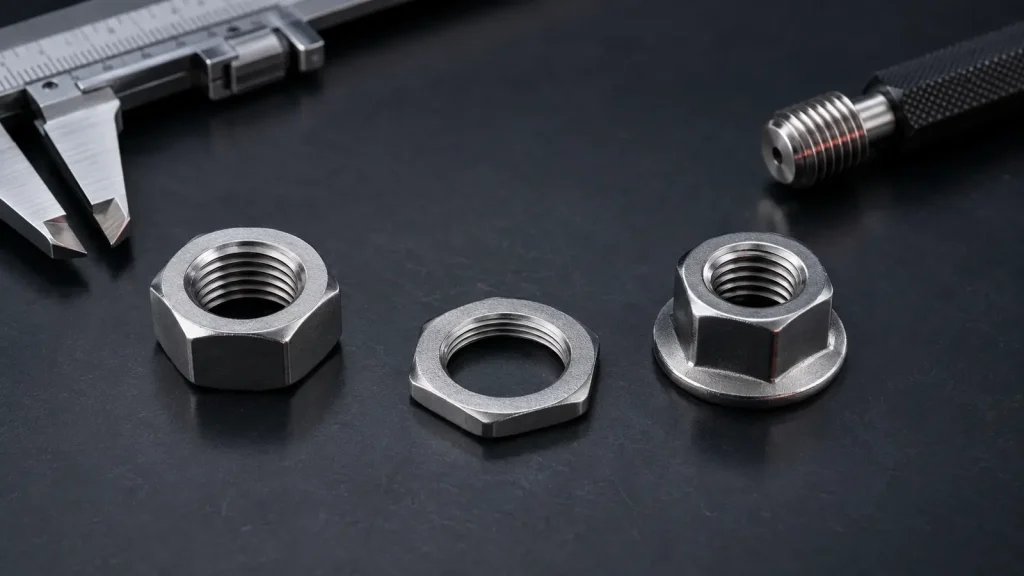
Direct Answer: Choose a hex thin nut when reduced nut height is genuinely required by the assembly or when the engineering design specifies it as part of a locking arrangement. Choose a standard hex nut when full nut height, normal thread engagement, and the specified load-bearing function are required. Buyers should compare nut height, thread […]

How Should Buyers Select Chinese and German Standard Hex Nuts?

How Should Buyers Select Chinese and German Standard Hex Nuts?

Direct Answer: Select a hex nut by the exact standard number and edition, thread diameter and pitch, nut style, property class, material, finish, mating bolt and acceptance method. “Chinese standard” or “German standard” alone is not a complete specification. Regular, thick, thin and flange nuts can differ in geometry and load behavior, so buyers should […]

Which Hexagonal Wood Screw Specifications Should Buyers Freeze Before Production?

Which Hexagonal Wood Screw Specifications Should Buyers Freeze Before Production?

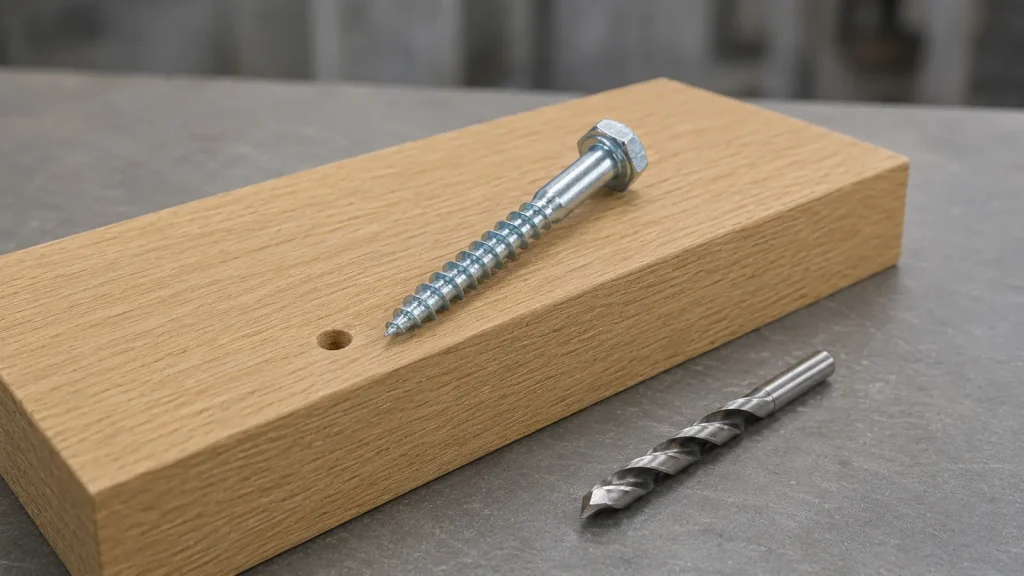
A hexagonal wood screw order should not be released from a gauge number and length alone. Before production, the buyer and supplier need one approved specification that fixes the screw diameter, length basis, thread geometry, point, hex-head dimensions, material, finish, installation method, substrate and acceptance evidence. The pilot hole belongs in the application specification as […]

Frequently Asked Questions

Are hex head fasteners suitable for installations with limited side access?

Usually not if a socket or wrench cannot approach the head squarely. A recessed-drive or countersunk fastener may suit a narrow pocket or flush surface better, although the available installation torque and tool engagement should be checked before changing head styles.

When would a self-drilling version be preferable to a standard hex head screw?

A self-drilling version can reduce separate drilling steps when fastening suitable sheet materials, provided its drilling point and thread are suited to the material thickness. A standard screw may be preferable when a pilot hole is already specified or when the joint requires a different thread and point arrangement.

Does the hexagonal head determine the complete fastener specification?

No. The head describes the external driving shape, not the fastener's material, thread, point, length, finish, or intended substrate. Two fasteners with similar hex heads can perform very differently in wood, sheet metal, or a removable bolted joint.

What should be stated when requesting a quotation for these parts?

State the fastener family, diameter and length, thread or drilling-point requirement, material, finish, head details, applicable standard or drawing, and expected packaging. Also describe the material stack, tool used for installation, washer or sealing requirement, and service environment so fit can be assessed rather than quoted from size alone.

Is an external hex head always better than a recessed or countersunk head?

No. An external hex head generally offers convenient wrench or socket engagement and can support controlled tightening, but it remains visible and needs clearance around the head. A recessed or countersunk alternative may provide a lower-profile finish or fit a confined surface, with possible trade-offs in tool access and drive engagement.

Leave Your Message

Send the fastener type, size or drawing, material being fastened, required finish, and whether the part needs a washer, sealing feature, or self-drilling point.