Motorised Screwdriver Selection Guide | Hebei Wotu Fastener Manufacturing Co., Ltd.

Choosing a Motorised Screwdriver for Fastening Work

A motorised screwdriver is chosen for repeat fastening work where hand tools slow the line down or create inconsistent torque. The main decision is not just cordless versus corded; it is whether the tool can drive the fastener cleanly, repeatably and safely in the material used.

For assembly teams, maintenance crews or installers, the right screwdriver reduces fatigue and helps protect screw heads, threads and finished surfaces. The wrong one can cam out, over-tighten small screws or stall on heavier fasteners.

Related Products

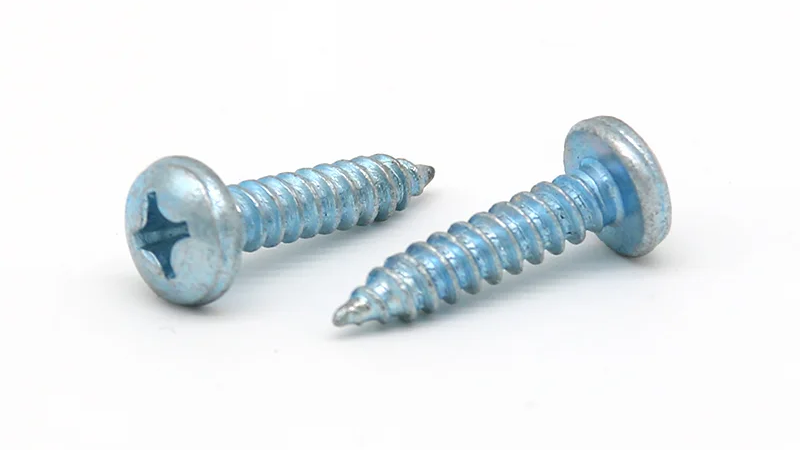
Blue-White Zinc Plated Pan Head With Pad Self-Tapping Screw

Blue-White Zinc Plated Pan Head With Pad Self-Tapping Screw

Brand: Hengzuan Surface: blue and white zinc plated Specifications: in stock ST4.2/ST4.8full range of specifications, length 13~50mm in stock, support nonstandard length customization Packaging: 25kg cartons, solid wood packaging, support neutral packaging, private-label customization

Read More
Countersunk Head Blue Zinc Self-Drilling Screw

Countersunk Head Blue Zinc Self-Drilling Screw

Brand: Hengzuan Surface: blue and white zinc plated, can be customized color zinc plated, black oxide plated Specifications: in stock 3.5/3.9/4.2/4.8/5.5 mainstream wire diameter, rod length 13mm~75mm full size range, nonstandard length can be customized as needed Packaging: 25kg export cartons, full wooden pallets wrapped with film, supports neutral export packaging, private-label customization

Read More

Compare Motorised Screwdriver Options for Your Fasteners

Selection criteria

Useful comparison points include torque control, power source, duty cycle, handle shape, bit compatibility, access to recessed screws and the type of fastener being driven. These details affect tool life, assembly speed and the risk of damaging screws or threaded parts.

Criterion What To Check Why It Matters Buyer Tip
Torque control and repeatability Confirm the adjustable torque range and how the tool indicates shut-off or clutch slip. Fasteners in electrical housings, assemblies, and small brackets can strip or loosen if torque varies too much. Ask: what torque range does this motorised screwdriver cover, and is calibration or torque verification available?
Bit compatibility and nose access Check the bit shank type, common bit sizes, and whether the tool can reach recessed or crowded screw positions. A suitable motorised screwdriver still fails on the line if the bit wobbles, bottoms out, or cannot reach the screw head cleanly. Share the screw type, head style, and any recess depth before choosing the tool.
Power source and duty cycle Compare corded, battery, or controller-driven options, and ask how the tool performs during repeated daily fastening. Bench assembly, field repair, and continuous production place different demands on runtime, heat, cable control, and operator movement. Ask: how many screws per shift should the tool handle, and what power setup is recommended for that workload?
Speed, trigger feel, and reverse control Test or confirm the no-load speed options, start behavior, and ease of reversing a fastener without damaging the thread. Speed improves throughput, but too much speed can cross-thread small screws or reduce control at the start of engagement. Describe whether the job needs fast repetitive driving, careful screw starting, or frequent removal as well as installation.
Operator ergonomics and maintenance Review grip style, weight, noise, brush or brushless design if offered, and availability of wear parts such as bits or clutches. A tool that feels acceptable for a few screws may cause fatigue or inconsistent fastening over long use. Ask what parts need routine replacement and whether the handle style suits vertical, horizontal, or overhead work.

Key Choices Before Selecting a Motorised Screwdriver

The practical distinction is between light electric screwdrivers for small screws and higher-torque drivers used for production or installation work. A compact motorised screwdriver may be ideal for electronics, furniture fittings or light brackets, while tougher applications need better torque control, stronger bits and a tool body that can handle longer use.

Torque control matters because screws and threaded components fail in different ways. A tool that is too weak wastes time; a tool that is too aggressive can strip threads, deform heads or damage the mating part. Match the screwdriver to the fastener size, screw material, joint material and required finish before comparing brands or handle styles.

Start with the fastening task. Note the screw type, head recess, thread form, material being joined and whether the work is occasional maintenance or repeated assembly. A screwdriver used all day on similar screws needs repeatable clutch control and comfortable balance; a service tool may need portability and easy bit changes more than cycle speed.

Choose the power format around the work area. Cordless tools give freedom on site and around large assemblies, but battery condition affects runtime and consistency. Corded or bench-style electric screwdrivers suit fixed workstations where the same fastener is driven repeatedly and tool availability matters more than mobility.

Check the bit system and nose access before buying. Many problems blamed on the motor are really caused by poor bit fit, shallow engagement or limited access around the screw head. Confirm that the screwdriver accepts the bit type needed for Phillips, Pozidriv, hex, Torx or other recesses used in your fasteners.

Avoid choosing only by advertised power. Ask instead what torque range is suitable for your screw size and joint, how torque is adjusted, how the tool prevents over-driving and what consumables are needed. If you are enquiring with Hebei Wotu Fastener Manufacturing Co., Ltd., include the fastener drawing or sample details and ask which screwdriver style is appropriate for the screws being supplied.

Criteria Importance Description Example Options
Torque control High for repeated assembly or delicate fasteners The tool should tighten the screw without stalling, over-driving or damaging the head. Adjustable clutch control is often more useful than simply choosing the highest power rating. Small machine screws in a finished part need controlled tightening; larger installation screws may need a stronger driver.
Power source Depends on the work location Cordless tools improve mobility, while corded or bench-style tools suit fixed workstations where continuous availability matters. A maintenance worker may prefer cordless; an assembly bench may benefit from a corded electric screwdriver.
Bit compatibility Critical for preventing cam-out and head damage The screwdriver must accept bits that match the screw recess and provide secure engagement. Poor bit fit can make a good tool perform badly. Phillips, Pozidriv, hex and Torx screws require matching bit types rather than a near-fit substitute.
Duty cycle and ergonomics Important for all-day or repetitive use A tool used continuously should feel balanced, manage heat and reduce hand fatigue. Occasional service work may place more value on portability and compact storage. A production operator driving hundreds of screws has different needs from a technician carrying a tool kit.
Access to the fastening point Often overlooked until trial use Handle shape, nose length and bit extension affect whether the tool can reach recessed or obstructed screw positions. A screw inside a narrow bracket may require a slim nose or extension even if the torque requirement is modest.

Blog Articles / Reviews

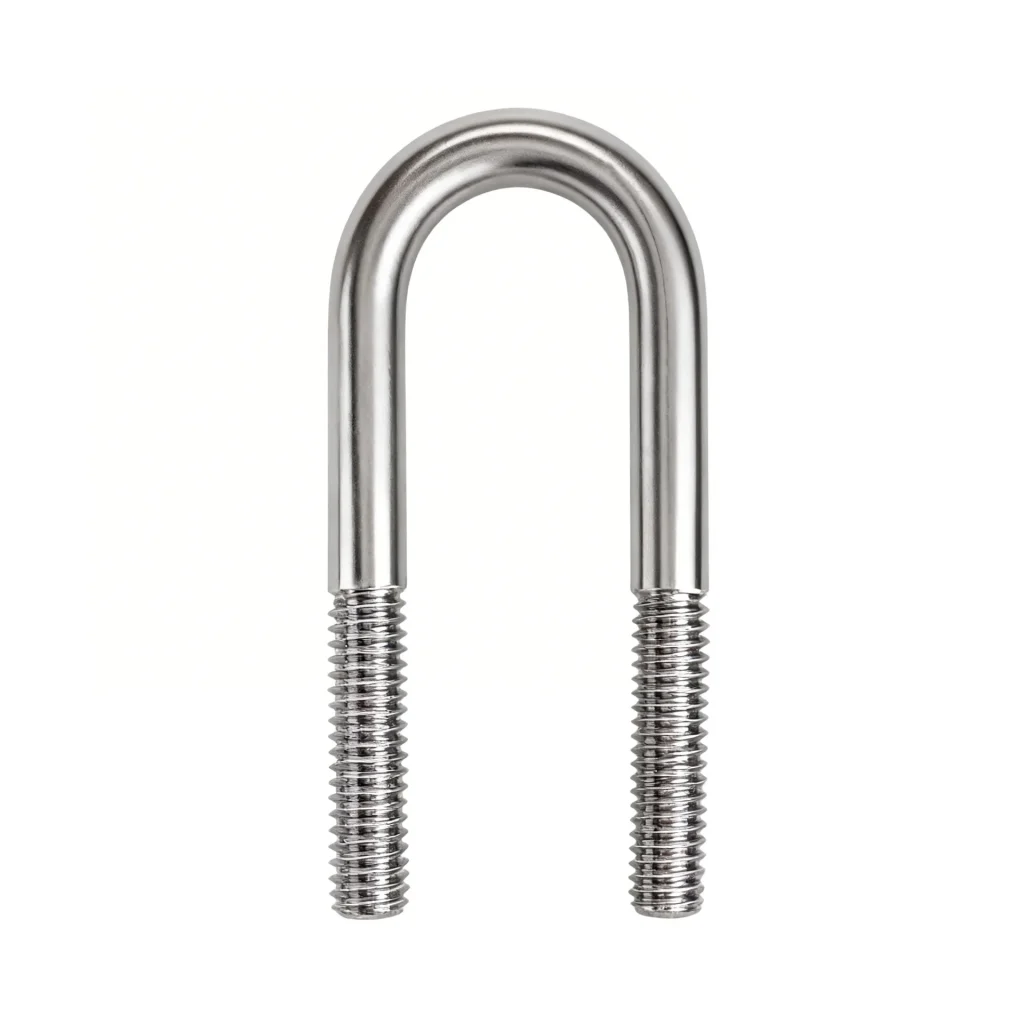
Which U-Bolt Measurements Must Buyers Provide Before a Quote?

Which U-Bolt Measurements Must Buyers Provide Before a Quote?

For an M10–M24 U-bolt RFQ, buyers should send a dimensioned drawing that defines thread diameter, inside width, leg or overall length, bend geometry, thread length, application diameter, material or grade requirement, surface finish, matching nuts/washers, quantity, and packing needs. Nominal thread size alone is not enough because different measurement datums can produce U-bolts that look […]

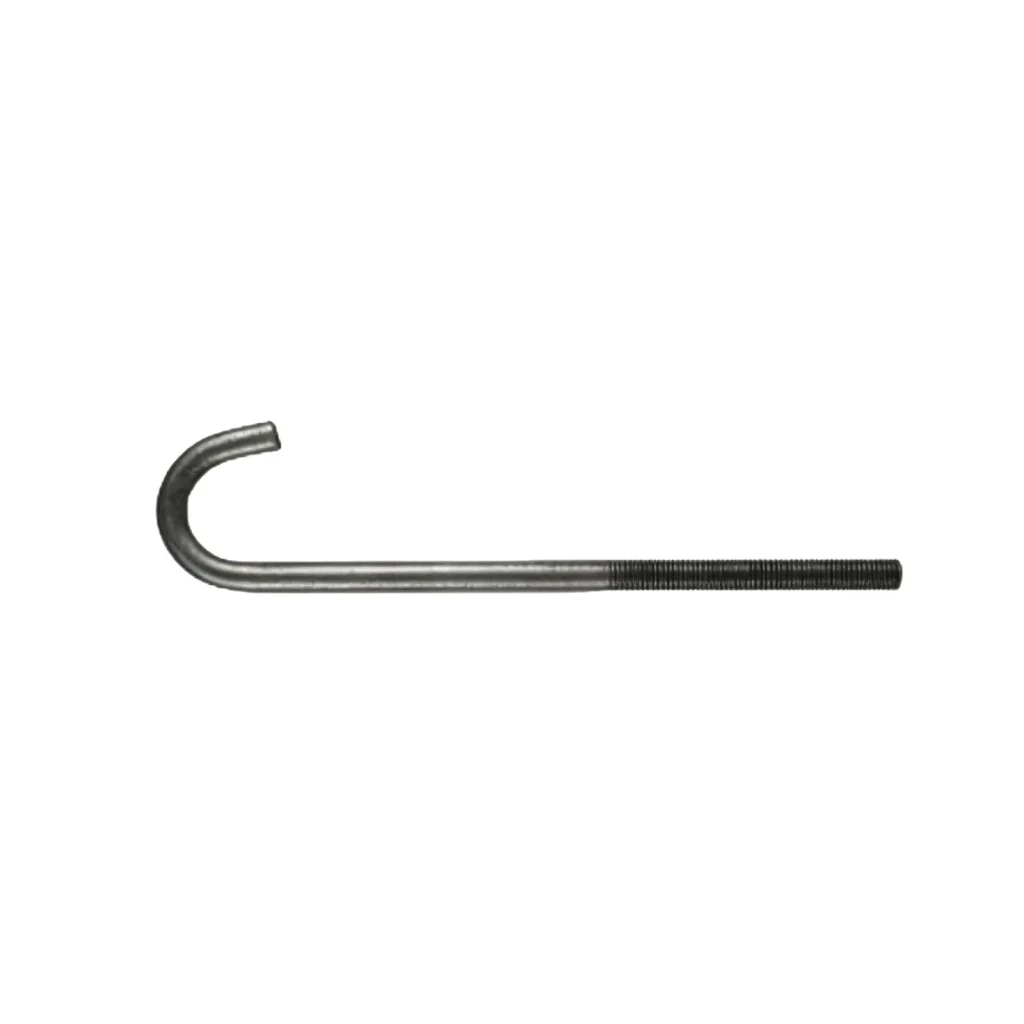
What Must Buyers Verify Before Ordering L-Shaped Anchor Bolts to an Older Standard?

What Must Buyers Verify Before Ordering L-Shaped Anchor Bolts to an Older Standard?

When ordering L-shaped anchor bolts against an older standard, buyers should verify the standard’s current status, confirm the specification approved for the project, and reconcile the drawing, dimensions, material and foundation interface before releasing the purchase order. A legacy standard number on a product page or old drawing is not, by itself, sufficient evidence that […]

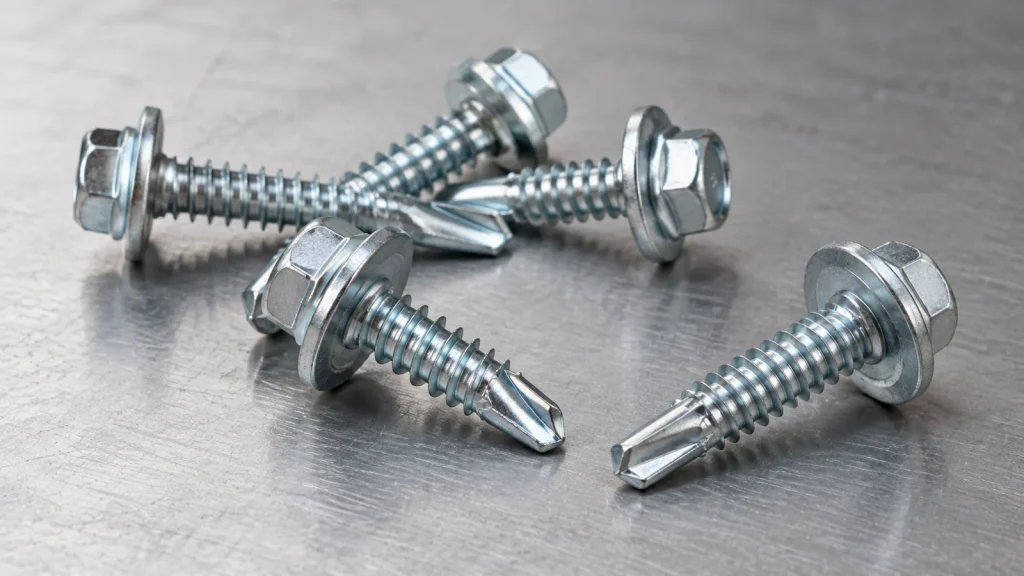
Hex Head Self-Drilling Screws with Cup Washers: Choosing Drill Point and Length

Hex Head Self-Drilling Screws with Cup Washers: Choosing Drill Point and Length

Choosing a hex head self-drilling screw with a cup washer requires more than selecting ST5.5 or ST6.3 and a nominal length. The drilling point must suit the steel it penetrates; the threaded section must engage the intended supporting material; and the head-and-washer assembly must seat correctly on the outer panel. A screw’s drilling capacity is […]

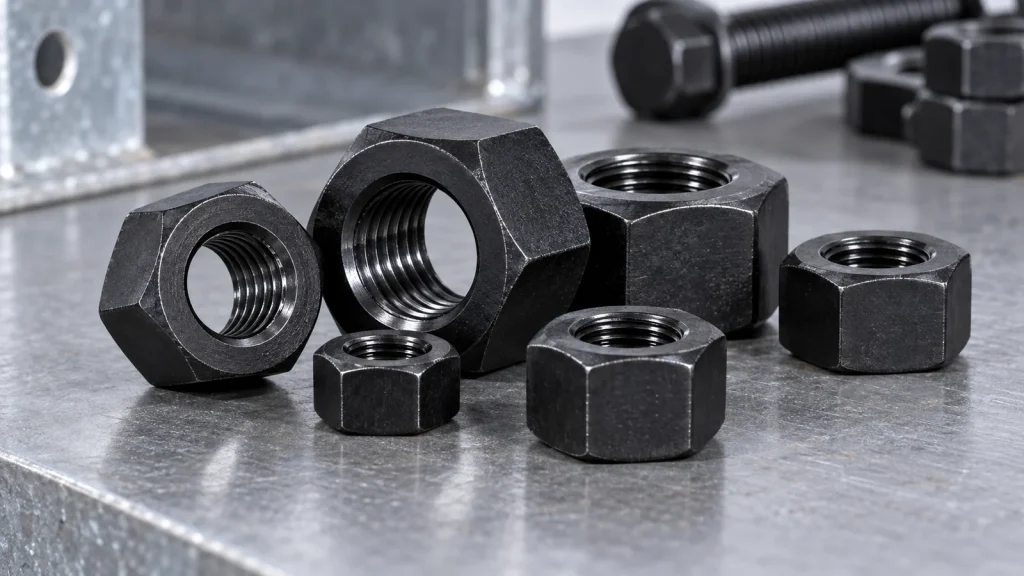
Grade 8 vs Grade 10 Hex Nuts: Strength Class and Bolt Compatibility

Grade 8 vs Grade 10 Hex Nuts: Strength Class and Bolt Compatibility

Class 8 and class 10 metric hex nuts are not interchangeable labels for bolt strength. They identify different nut property classes, while the suitability of either nut depends on the mating bolt, thread dimensions, nut style and the relevant specification. A black oxide finish adds another purchasing variable: it describes a surface treatment, not a […]

How to Choose Self-Tapping Screws for Plastic Parts

How to Choose Self-Tapping Screws for Plastic Parts

Choose self-tapping screws for plastic by matching the thread design to the resin, pilot hole and surrounding plastic, then checking head seating, thread engagement and tightening conditions on actual parts. Screw diameter alone cannot establish a suitable hole size or installation torque. This guide concerns metal screws fastening into plastic components. These screws create their […]

What Is a Fastener? Types, Functions and Industrial Uses

What Is a Fastener? Types, Functions and Industrial Uses

A fastener is a hardware component that mechanically joins or secures parts. Common examples include screws, bolts, nuts and rivets; washers are supporting components used in many fastening assemblies. Some connections can be dismantled by removing threaded fasteners, while others, such as riveted joints, normally require the fastener to be destroyed during removal. In industrial […]

Frequently Asked Questions

What applications suit a motorised screwdriver best?

It suits repeated screwdriving where speed, operator comfort and consistent tightening matter. Common examples include assembly benches, furniture fittings, equipment maintenance and installation work with many similar fasteners.

Should I choose a cordless tool or a corded electric screwdriver?

Cordless tools work well where the operator moves around large parts, job sites or service areas. Corded or bench-style tools are often better for fixed workstations because they avoid battery changes and can support more consistent repeated use.

Is a more powerful screwdriver always better?

No. Too much torque can strip threads, damage screw heads or mark the finished part, especially on small screws or softer materials. A suitable torque range and clutch control are usually more important than maximum power.

What details should I provide before asking for a recommendation?

Provide the screw size, head recess, material, joint material, expected use frequency and whether the tool is for bench assembly or site work. If the screws are being purchased at the same time, a drawing, sample or clear photo helps match the screwdriver and bit system to the fastener.

Can one screwdriver handle every screw type?

Usually not without compromise. Different screw heads need the correct bit geometry, and different joints may need different torque settings or tool shapes. A single tool may cover a range of work, but critical or high-volume fastening often needs a closer match.

Leave Your Message

Share the screw type and size, the material being fastened, and whether the tool will be used at a workstation or on site. A drawing, sample photo or expected assembly process will help identify the right screwdriver style.