The main distinction is between a general price indication and a project quotation. A price list can help with budgeting, but the final unit cost usually changes when the screw size, surface finish, order quantity, packaging method, and inspection requirements are fixed.
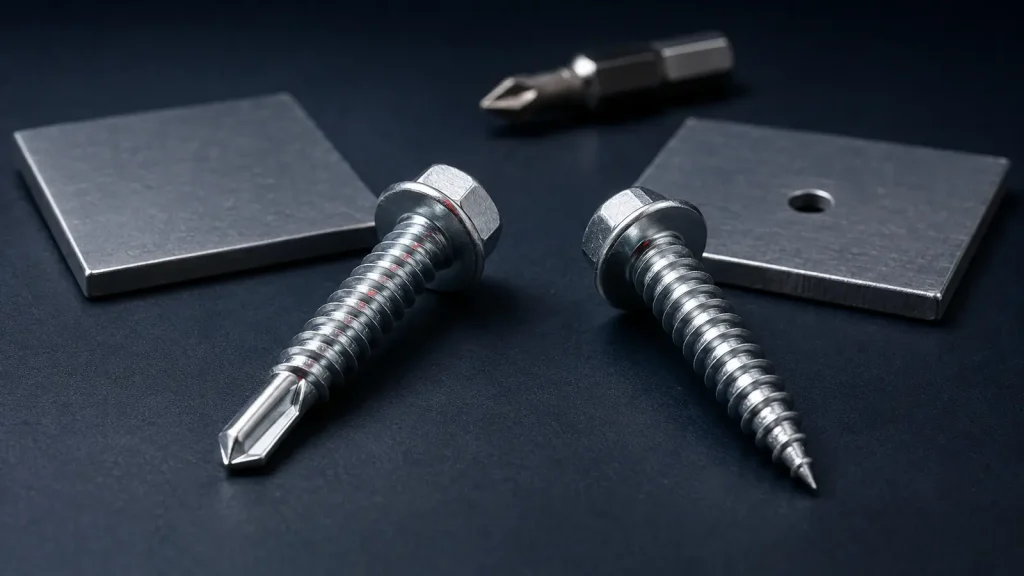
It also matters whether the screw must drill its own hole, tap into a prepared hole, or grip into wood-based board. Self-drilling, self-tapping, and coarse-thread board screws are not interchangeable in cost or performance, even if they look similar in a small photo.
Start by defining the screw, not the price. State the head type, drive recess, thread style, point type, nominal diameter, total length, material and finish. If the purchase is for furniture board, metal sheet, roofing, or a bracket assembly, say so; the application affects the thread and point more than many buyers expect.
Check the finish requirement carefully. Zinc plating, black finish, phosphating, hot-dip galvanizing, and other coatings serve different environments and create different cost levels. A low price can become expensive if the coating is unsuitable for moisture, outdoor exposure, or visible furniture hardware.
Avoid comparing quotations with different packing assumptions. Bulk cartons, small boxes, branded packaging, mixed sizes, pallet requirements and labeling all change handling cost. If you need a price list for resale, include the packing format; if you need screws for installation, focus first on consistent fit and assembly performance.
The next step is to send a short inquiry with the screw name used in your market, a photo or drawing, size range, finish, target quantity, packing preference and application. If the existing item is being replaced, include a sample or previous specification so the quotation matches the part you actually use.