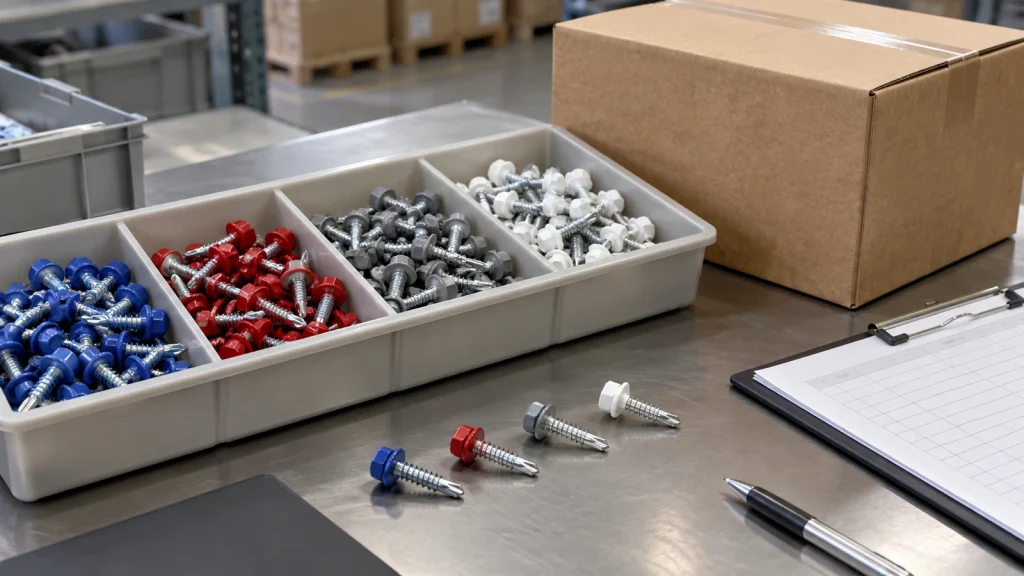
The practical distinction is between a socket head cap screw used in a counterbored or exposed high-strength joint and other socket-drive screws such as button head, flat head, or set screws. A cap screw has a tall cylindrical head and is designed for strong clamping; a button head gives a lower, rounded profile but normally offers less drive depth and head bearing area; a flat head sits flush in a countersink but depends heavily on the countersink angle and seating quality.
This matters because the wrong head style can create assembly problems even when the thread size is correct. A socket head cap screw needs enough head height clearance, enough counterbore depth if recessed, and a hex socket that matches the installation tool. If the joint has limited vertical space or needs a flush surface, another screw style may be a better fit.
Start with the joint design: thread size, length under head, thread length, and whether the screw enters a tapped hole, nut, insert, or through-hole assembly. Confirm the required engagement depth in the mating material. A screw that is too short may not develop the clamp load; a screw that is too long may bottom out before tightening or interfere with moving parts.
Match the material and finish to the working environment. Plain alloy steel is common in protected mechanical assemblies, while zinc plating, black oxide, stainless steel, or other finishes may be considered for corrosion resistance, appearance, or compatibility with surrounding parts. Do not choose a finish only by color; ask how the coating affects corrosion protection, thread fit, lubrication, and any post-treatment requirements.
Strength grade and standard matter when the screw carries load or must match an engineering drawing. Buyers should confirm the applicable standard, such as an ISO, DIN, or ASTM reference if the design requires one, along with property class or material grade. Avoid mixing “similar” screws from different standards without checking head diameter, head height, socket size, thread pitch, and tolerance differences.
A useful next step is to send the drawing or a clear specification with diameter, pitch, length, head style, material or grade, finish, quantity, packing preference, and inspection requirements. If the screw will be used in an automated assembly line, also confirm socket quality, burr control, consistency of drive engagement, and whether the parts must be supplied in packaging suitable for feeding or counting.