Allen Cap Screws | Hebei Wotu Fastener Manufacturing Co., Ltd.

Allen cap screws for hex socket fastening

Allen cap screws are usually chosen for joints that need a clean cylindrical head, strong socket drive engagement, and access from above with a hex key. The main decision is not just the thread size; head style, material, finish, strength grade, and socket quality all affect how the fastener installs and performs.

For machinery, fixtures, tooling, equipment covers, and metal assemblies, the right Allen cap screw should tighten reliably without rounding the socket, damaging the mating part, or creating corrosion problems in service.

Related Products

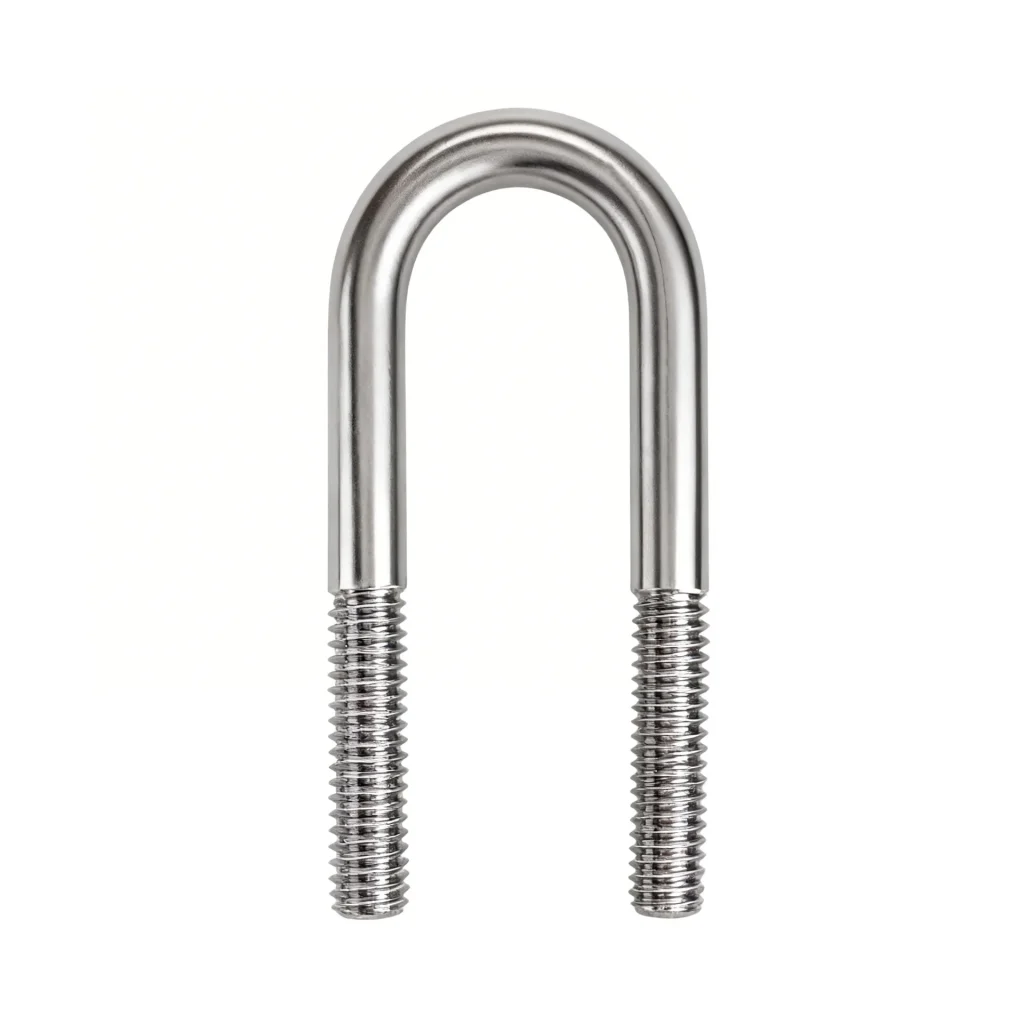
U-bolt ( / U-bolt, M10/M12/M16/M20/M24 multiple specifications)

U-bolt ( / U-bolt, M10/M12/M16/M20/M24 multiple specifications)

Brand: Wotu Surface: natural black oxide / hot-dip galvanized / blue-white zinc plated, multiple processes available Specifications: Based on common industry drawing parameters, suitable for pipe diameter 25mm~139.7mm, screw diameter M10~M24, total length can be nonstandard customized Matching: can be matched with nut, flat washer and spring washer of the same specifications for complete shipment Packaging: Bundling and packaging + 25kg export carton, full-container wooden pallet wrapped with film, supports private-label export packaging

Read More
Wafer Head Self-Drilling Screw

Wafer Head Self-Drilling Screw

Brand: Hengzuan Surface: blue and white zinc plated, can be customized color zinc plated, black oxide plated Specifications: Comply with GB/T15856.2 Chinese national standard, in stock ST3.5/ST4.2/ST4.8/ST5.5 mainstream wire diameter, rod length 13mm~50mm full range of specifications, nonstandard length customization on demand, drilling applicable plate thickness 2~5mm Packaging: 25kg export cartons, full pallets wrapped with film, supports neutral export packaging, private-label customization

Read More
Countersunk Head Blue-White Zinc Plated Self-Drilling Screw (Chinese National Standard: Phillips Countersunk Head Self-Drilling And Self-Tapping Screw GB/T15856.2-2002)

Countersunk Head Blue-White Zinc Plated Self-Drilling Screw (Chinese National Standard: Phillips Countersunk Head Self-Drilling And Self-Tapping Screw GB/T15856.2-2002)

Brand: Hengzuan Surface: blue and white zinc plated, can be customized color zinc plated, black oxide plated Specifications: Comply with GB/T15856.2-2002 Chinese national standard, in stock ST4.2/ST4.8/ST5.5 full range of specifications, length 13mm~75mm optional, supports customized nonstandard rod lengths; drilling adaptation plate thickness 0.7~6mm Packaging: 25kg export cartons, full pallets wrapped with film, supports neutral export packaging, customer private-label customization

Read More
Countersunk Head Blue Zinc Self-Drilling Screw

Countersunk Head Blue Zinc Self-Drilling Screw

Brand: Hengzuan Surface: blue and white zinc plated, can be customized color zinc plated, black oxide plated Specifications: in stock 3.5/3.9/4.2/4.8/5.5 mainstream wire diameter, rod length 13mm~75mm full size range, nonstandard length can be customized as needed Packaging: 25kg export cartons, full wooden pallets wrapped with film, supports neutral export packaging, private-label customization

Read More
Blue-White Zinc Plated Winged Countersunk Head Self-Drilling Screw

Blue-White Zinc Plated Winged Countersunk Head Self-Drilling Screw

Brand: Hengzuan Surface: blue and white zinc plated, optional color zinc plated, black oxide treatment Specifications: in stock ST3.5/ST4.2/ST4.8 mainstream specifications, rod length 16~50mm full size range, supports nonstandard length customization, suitable for drilling steel sheets 2~5mm Packaging: 25kg cartons, full pallets packed on wooden pallets, support neutral packaging, private-label customization

Read More

Allen cap screw selection points

Selection criteria

Useful selection criteria for Allen cap screws include thread standard, head style, material, surface treatment, mechanical grade, socket accuracy, packaging method, and the assembly environment. If a drawing or reference standard is available, it usually gives a clearer basis for quotation than a short product name alone.

Criterion What To Check Why It Matters Buyer Tip
Socket head style and access clearance Confirm the exact Allen cap screw head form, such as standard socket cap, low head, button head, or flat head. Head height and socket depth affect tool engagement, clamp clearance, and whether the screw sits proud or flush in the assembly. Ask: Which head style fits the counterbore or exposed surface in my drawing?
Thread size, pitch, and length Match the thread diameter, pitch, under-head length, and any unthreaded shank length to the mating part. A close visual match can still fail if the pitch is wrong or the grip length does not suit the joint stack. Send the drawing or sample specification and ask for confirmation of diameter, pitch, length, and thread length.
Material and strength grade Verify the material and strength grade required for the load, environment, and mating components. Allen cap screws are often used where higher clamping force or compact heads are needed, but the wrong grade can strip threads, loosen, or corrode. Ask: What material and grade options can be supplied for this size, and are they suitable for my application?
Surface finish and corrosion exposure Compare available finishes against the operating environment, such as indoor machinery, outdoor use, moisture, or chemical exposure. The coating affects corrosion resistance, appearance, friction during tightening, and compatibility with nearby materials. Ask: Which finish is available for this Allen cap screw, and will it affect torque or fit in the socket?
Drive fit and inspection requirements Check that the hex socket is cleanly formed and matches the intended Allen key or bit size. Poor socket fit can round out during installation, especially in tight spaces or repeated maintenance work. Ask whether socket dimensions, thread gauges, and finish checks can be confirmed before shipment.

Choosing the right hex socket cap screw for your assembly

The key distinction is between standard socket head cap screws and similar hex-socket fasteners such as button head or flat head screws. A socket head cap screw gives more head height and usually a deeper drive recess, which is useful where higher tightening force and repeated assembly are expected. Button and flat heads sit lower or look smoother, but they may offer less drive engagement or require a countersunk hole.

That difference matters when space, appearance, clamping load, and tool access compete. If the joint must be tightened firmly in a recessed area, a socket head Allen cap screw is often the practical choice. If the head must sit flush or avoid snagging, a flat or button head version may fit better, provided the joint design allows it.

Start with the joint geometry. Confirm the thread diameter, thread pitch, length measured under the head, and whether the screw seats against a flat surface, counterbore, or countersink. A common mistake is ordering by overall length or visual head size rather than the actual thread and bearing requirements.

Match the material and finish to the environment. Plain alloy steel is often selected for strength in dry indoor assemblies, while zinc-plated, black oxide, stainless steel, or other finishes may be considered for appearance or corrosion resistance. The trade-off is that finish, material, and strength are connected; do not assume two screws with the same dimensions will carry the same load.

Pay attention to the socket. Poorly formed hex sockets round out, slow assembly, and make removal difficult. For production assembly, ask about the drive recess quality, compatible hex key size, and whether the fasteners are intended for manual installation, power tools, or repeated service removal.

For an inquiry, send the standard or drawing if available, plus the size, thread pitch, length, head type, material, finish, strength grade or class, and expected application. If the assembly has limited clearance or unusual loads, include a photo or drawing of the joint so the requested Allen cap screw can be checked against the actual fit.


Criteria Importance Description Example Options
Head style High when clearance, appearance, or clamping force is part of the design decision Socket head cap screws provide a tall cylindrical head and strong hex socket engagement. Button and flat head versions reduce head projection but may change seating, drive engagement, and hole preparation. A machine fixture may use a socket head cap screw in a counterbore, while a cover panel may use a lower-profile button head.
Material and strength class Critical for loaded joints and replacements in existing equipment Fasteners with the same dimensions can have different mechanical properties. Material choice should be checked together with the required strength class and the environment. Replacing an alloy steel screw with a stainless version should be reviewed rather than assumed to be equivalent.
Surface finish Important for corrosion resistance, appearance, and assembly behavior Finishes such as plain, black oxide, zinc plating, or other treatments affect surface protection and may influence friction during tightening. Finish should be selected for the service environment and mating parts. A dry indoor machine may have different finish needs from a fastener exposed to cleaning, humidity, or outdoor storage.
Socket quality and tool fit Important for production assembly and maintenance removal A clean, accurate hex socket helps the tool seat fully and reduces the risk of rounding. This matters more when screws are installed with repeated cycles or in restricted access points. A maintenance cover removed regularly needs reliable hex key engagement, not just the correct thread size.
Length and seating geometry Essential for correct fit and joint performance Length is normally measured from under the head for this fastener type, while the head must seat properly against a flat face or inside a counterbore. Ordering from overall visual length can cause poor fit. A screw that is slightly too long may bottom out in a blind hole before clamping the parts.

Product Selection

Related Options

For equipment builders and maintenance buyers, the priority is often repeatable tightening and easy removal in confined spaces. An Allen cap screw with the correct head form, socket depth, material, and finish can reduce installation problems in machine frames, jigs, guards, brackets, and other bolted assemblies.

Blog Articles / Reviews

Which U-Bolt Measurements Must Buyers Provide Before a Quote?

Which U-Bolt Measurements Must Buyers Provide Before a Quote?

For an M10–M24 U-bolt RFQ, buyers should send a dimensioned drawing that defines thread diameter, inside width, leg or overall length, bend geometry, thread length, application diameter, material or grade requirement, surface finish, matching nuts/washers, quantity, and packing needs. Nominal thread size alone is not enough because different measurement datums can produce U-bolts that look […]

What Is the Difference Between Self Drilling and Self Tapping Screws?

What Is the Difference Between Self Drilling and Self Tapping Screws?

Direct Answer: A self-drilling screw has a drill-shaped point that creates a hole and then forms mating threads in a suitable material. A self-tapping screw forms or cuts mating threads but may require a correctly sized pilot hole. Selection depends on substrate type and thickness, joint stack, point geometry, installation tool, finish and application testing—not […]

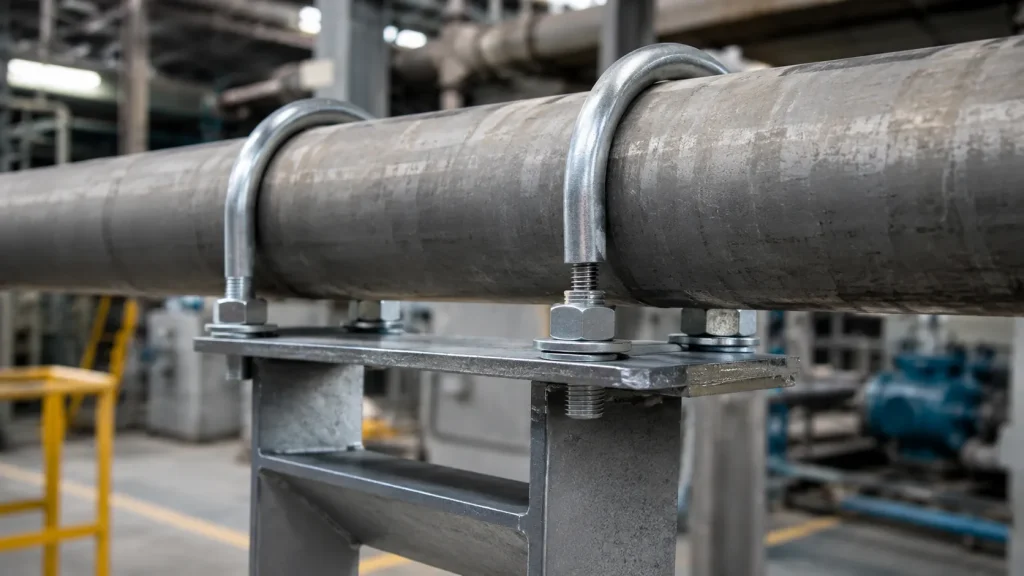
Why Do U Bolts Loosen in Pipe Supports? 6 Causes and Prevention Methods

Why Do U Bolts Loosen in Pipe Supports? 6 Causes and Prevention Methods

U bolts usually loosen in pipe supports because the connection loses clamping force, receives continuous vibration, restricts thermal pipe movement, uses an incorrectly sized U bolt, experiences surface settlement, or suffers from corrosion and inadequate inspection. This issue affects EPC contractors, pipe installers, industrial maintenance teams, equipment manufacturers and fastener distributors working with water, oil […]

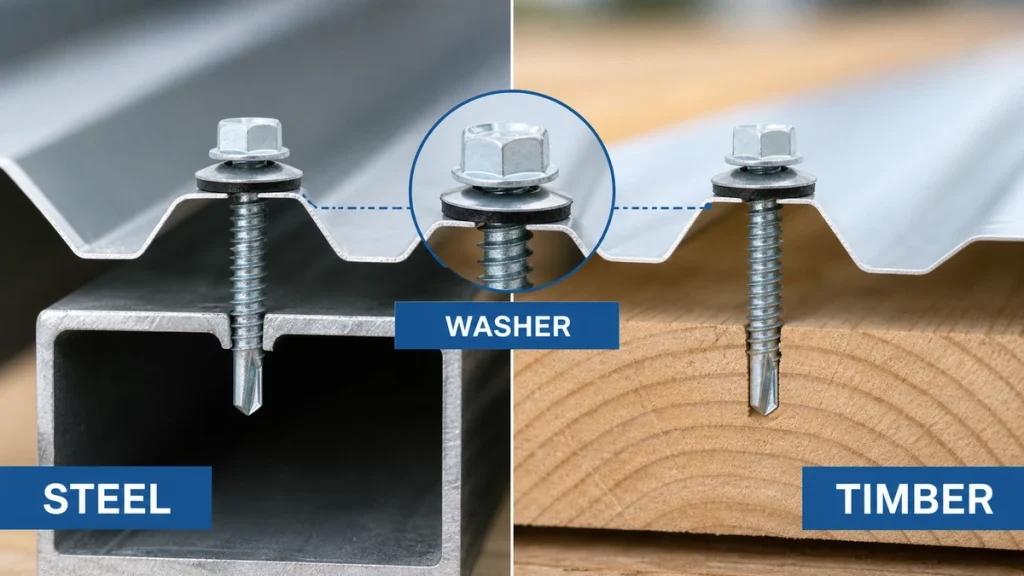
Which Self-Tapping Roofing Screw Specification Fits Metal Panels on Steel or Timber?

Which Self-Tapping Roofing Screw Specification Fits Metal Panels on Steel or Timber?

The correct self-tapping roofing screw depends on the complete panel-and-substrate stack-up. Steel supports typically require a point and thread matched to the support thickness and any pilot-hole requirement; timber supports require a wood-appropriate thread and sufficient embedment. In both cases, buyers must define diameter, length, head, sealing washer, material or coating, environment, pull-out requirements, and […]

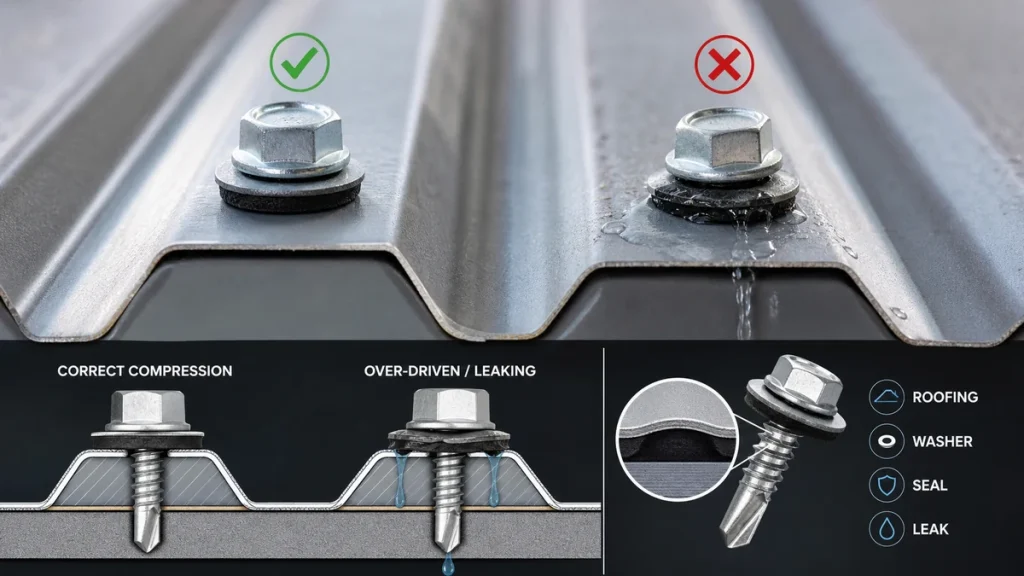
Why Do Self-Tapping Roofing Screws Leak Even When the Screw Length Looks Correct?

Why Do Self-Tapping Roofing Screws Leak Even When the Screw Length Looks Correct?

Direct answer: Correct screw length does not guarantee a watertight metal-roof connection. Self tapping roofing screws can leak because of incorrect washer compression, enlarged or stripped holes, insufficient thread engagement, panel movement, or an unsuitable coating-and-washer system. Buyers should diagnose the complete installed connection—including panel profile, support thickness, point type, washer condition, and exposure—rather than […]

Frequently Asked Questions

Is a socket head cap screw the same as a button head screw?

No. Both may use a hex socket drive, but a socket head cap screw has a taller cylindrical head and usually gives better wrench engagement for higher tightening force. A button head has a lower, rounded profile and is often chosen for appearance or reduced snagging, but it may not be the best choice for heavily tightened joints.

Where is an Allen cap screw a better fit than a hex bolt?

It is useful where the tool must enter from above and side clearance is limited, such as machine fixtures, recessed counterbores, guards, and compact equipment assemblies. A hex bolt may be easier to inspect and remove with common spanners, but it needs more space around the head.

What information prevents ordering the wrong size?

Confirm thread diameter, thread pitch, length measured from under the head, head type, and the required material or strength class. If the screw fits into a counterbore or recessed hole, the head diameter and head height also matter because a visually similar screw may not seat correctly.

Does stainless steel always mean the screw is stronger?

No. Stainless steel is often selected for corrosion resistance, but it should not be assumed to have the same strength as alloy steel socket head cap screws. Strength grade, material standard, and service environment should be checked together before replacing one material with another.

What finish should be considered for indoor machinery?

For dry indoor use, buyers often compare plain, black oxide, zinc-plated, or other surface treatments based on appearance, handling corrosion, and compatibility with the mating parts. The finish should also be checked against the required strength grade and any lubrication or assembly practice used in production.

Can the same screw be used for repeated removal and reassembly?

It may be suitable if the socket is well formed, the thread engagement is correct, and the material matches the load. For service parts, pay extra attention to socket quality, compatible hex key fit, and whether the joint design risks stripping the internal thread during repeated maintenance.

Leave Your Message

Please include the screw size and thread pitch, length and head style, plus the material, finish, and application environment. A drawing, standard reference, or photo of the joint will help confirm the correct Allen cap screw.