| Base material and anchor type |
Confirm whether the fixing goes into concrete, solid brick, hollow block, stone, or another wall material. |
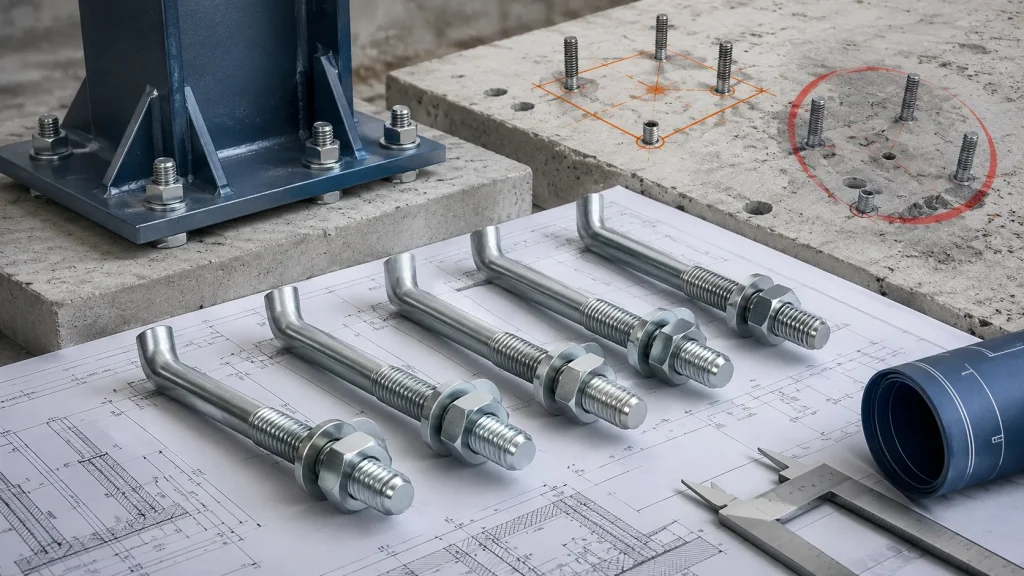
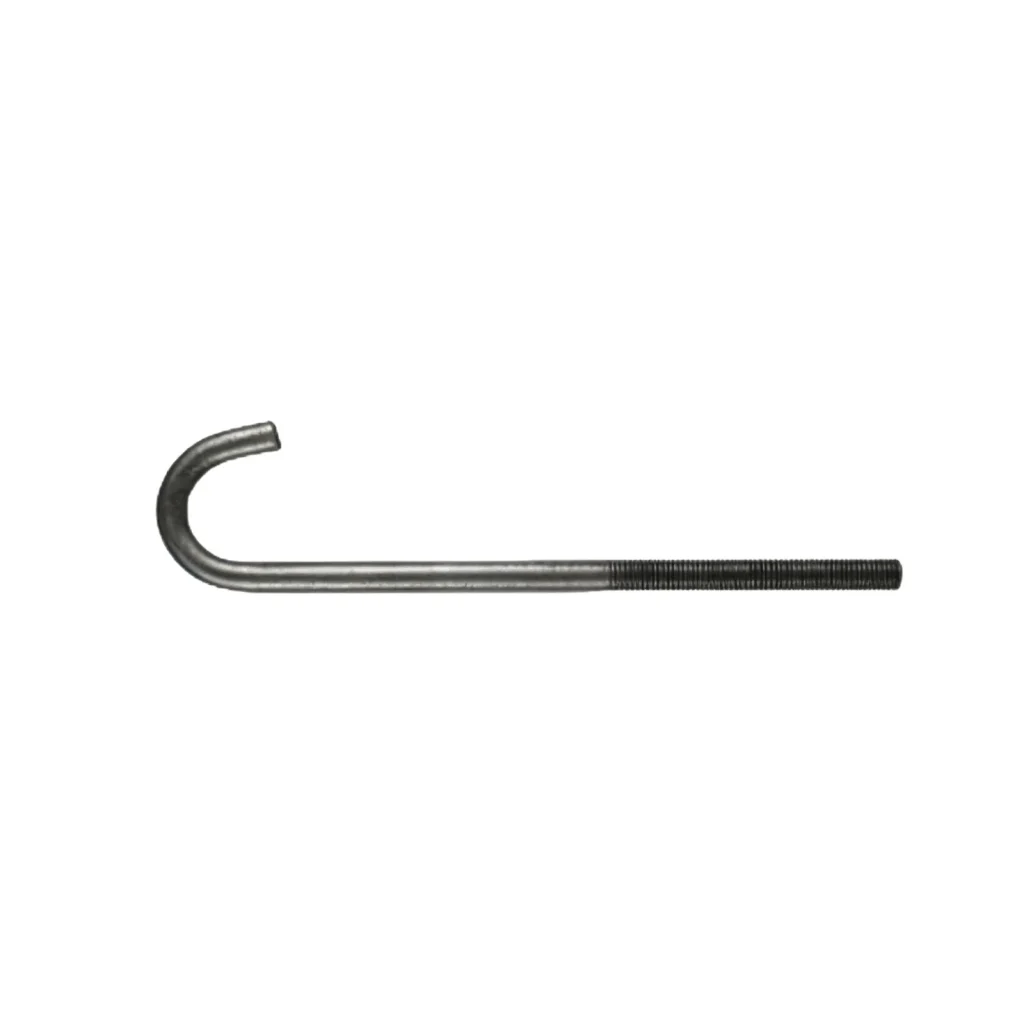
Expansion anchors, sleeve anchors, wedge anchors, and chemical anchors behave differently in cracked, hollow, or weak masonry. The wrong type can loosen or damage the wall. |
What wall material will the anchor bolt be installed in, and is it solid or hollow at the fixing point? |
| Load direction and bracket geometry |
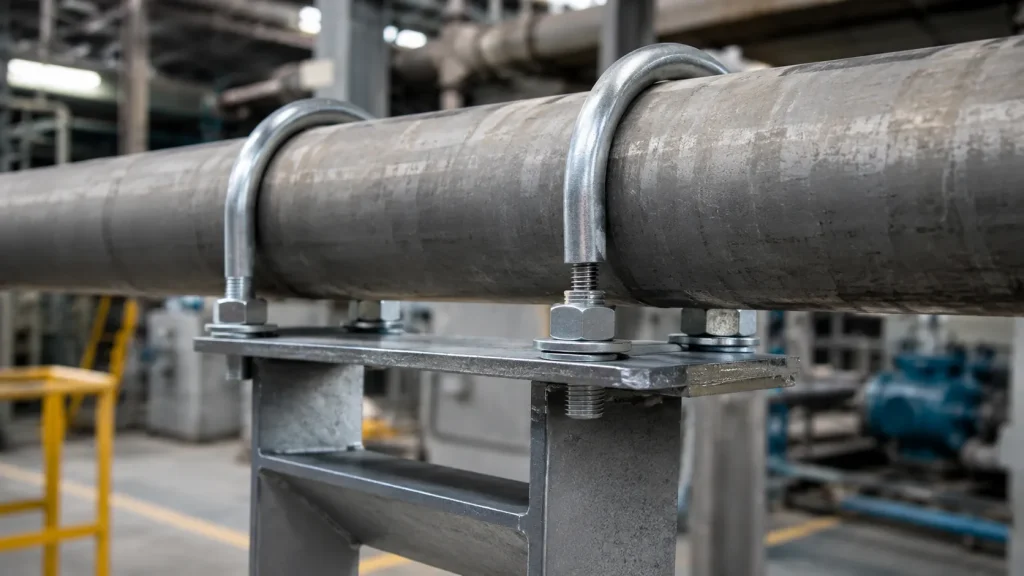
Identify whether the anchor mainly carries pull-out load, shear load, or a combination from a shelf, frame, rail, or equipment bracket. |
A wall anchor bolt that works for light shear may not suit a cantilevered bracket that pulls away from the wall. Edge distance and bolt spacing also affect holding strength. |
Can you share the bracket drawing or mark the load direction and distance from the wall face? |
| Diameter, length, and embedment depth |
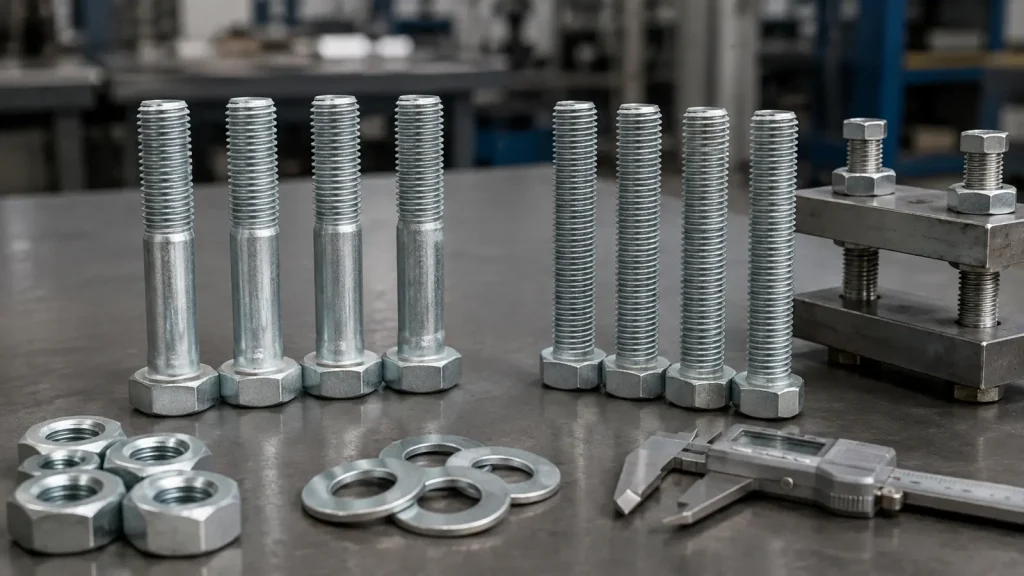
Compare the required bolt size with the fixture thickness, washer and nut allowance, hole depth, and minimum embedment needed by the anchor design. |
Too short an anchor may not develop holding power; too long an anchor can bottom out in a blind hole or interfere with cavities, reinforcement, or services inside the wall. |
What fixture thickness and drilled hole depth are available after allowing for washers and nuts? |
| Surface finish and exposure environment |
Choose the coating or material after checking indoor humidity, outdoor rain exposure, chemicals, and contact with other metals. |
Wall anchor bolts used outdoors or in damp service need better corrosion resistance than dry indoor fixings. Finish choice also affects thread fit and long-term removal. |
Will these anchors be installed indoors, outdoors, near moisture, or in a corrosive environment? |
| Installation method and site tolerance |
Verify hole diameter, drilling accuracy, cleaning steps, torque method, and whether installers can follow curing or setting requirements. |
Many anchor failures come from oversized holes, dust left in drilled holes, wrong tightening, or loading before a chemical anchor has cured. |
What drilling tools and installation process will the site use, and do you need anchors that are forgiving of field variation? |