Brushless Impact Driver Selection Guide | Hebei Wotu Fastener Manufacturing Co., Ltd.

Choose a Brushless Impact Driver for Your Fasteners

A brushless impact driver suits work that involves repeated screw driving, structural fasteners, self-drilling screws or other jobs where a compact tool must handle high twisting loads. The main decision is not simply maximum torque: match the driver’s control, bit interface, battery system and duty level to the fasteners and materials you use.

Brushless motors generally reduce brush wear and can use battery power efficiently, but the right model still depends on fastening consistency, access, runtime and operator control. Confirm the available configuration and intended application with Hebei Wotu Fastener Manufacturing Co., Ltd. before requesting a product recommendation.

Related Products

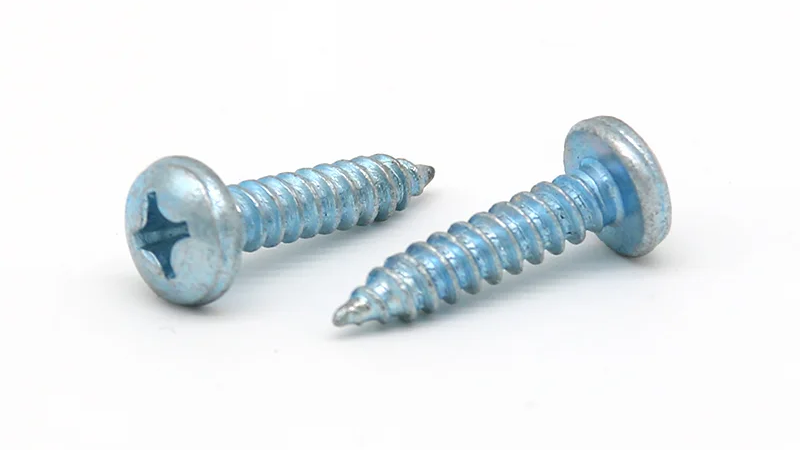
Blue-White Zinc Plated Pan Head With Pad Self-Tapping Screw

Blue-White Zinc Plated Pan Head With Pad Self-Tapping Screw

Brand: Hengzuan Surface: blue and white zinc plated Specifications: in stock ST4.2/ST4.8full range of specifications, length 13~50mm in stock, support nonstandard length customization Packaging: 25kg cartons, solid wood packaging, support neutral packaging, private-label customization

Read More
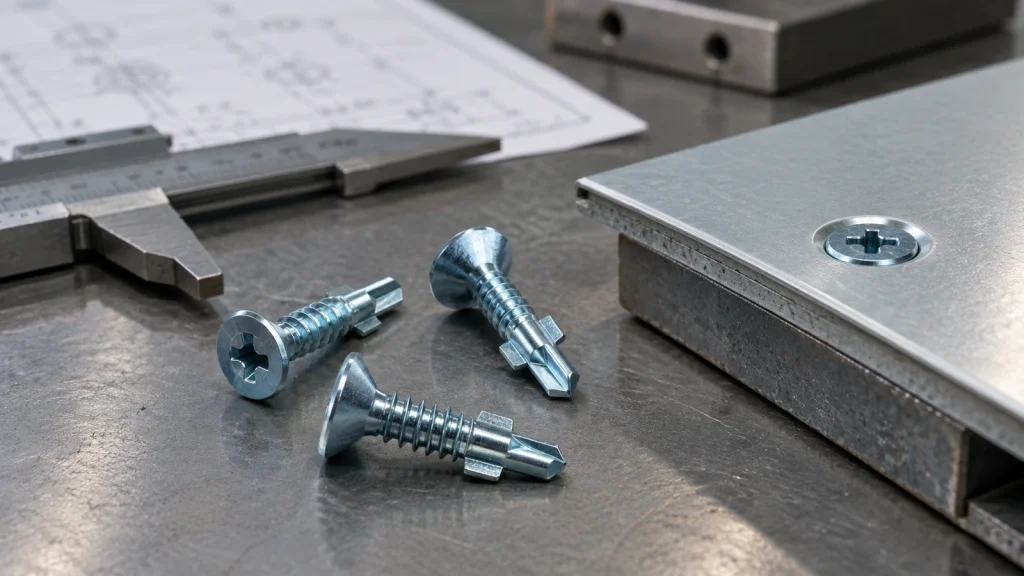
Countersunk Head Blue Zinc Self-Drilling Screw

Countersunk Head Blue Zinc Self-Drilling Screw

Brand: Hengzuan Surface: blue and white zinc plated, can be customized color zinc plated, black oxide plated Specifications: in stock 3.5/3.9/4.2/4.8/5.5 mainstream wire diameter, rod length 13mm~75mm full size range, nonstandard length can be customized as needed Packaging: 25kg export cartons, full wooden pallets wrapped with film, supports neutral export packaging, private-label customization

Read More

Compare brushless impact driver configurations

Driver selection criteria

Compare brushless impact drivers by fastening range, speed and torque control, compactness, battery compatibility, chuck or bit interface, heat management and service support. The useful specification is the one that fits your joint and work pattern, not an isolated maximum figure; confirm the exact configuration and included accessories before ordering.

Criterion What To Check Why It Matters Buyer Tip
Fastener size and material Match the driver’s stated fastening range to the screws, bolts, anchors, or self-drilling fasteners you use most often. An undersized tool slows work and strains the motor; an oversized one can damage heads, threads, or thin materials. Ask: what fastener types and diameters has this brushless impact driver been selected or tested for?
Torque control and speed modes Look for adjustable speed, impact, or torque settings rather than relying only on maximum torque figures. Controlled output matters when switching between small screws, heavy bolts, and delicate assemblies. Ask: can the operator reduce impact force for smaller fasteners or softer materials?
Battery platform and runtime Confirm the battery voltage, compatible battery packs, charger type, and availability of spare batteries. Runtime and battery compatibility affect daily productivity more than tool-only specifications. Ask: is the tool supplied bare, with one battery, or with a kit including charger and spare pack?
Chuck and bit compatibility Verify the drive size and bit-holding style before matching sockets, nut setters, or screwdriver bits. A mismatch between the tool and accessories causes poor engagement, wobble, or unnecessary adapter use. Ask: which bit or socket standard is recommended for the fasteners in my application?
Work environment and handling Consider tool weight, grip shape, LED lighting, belt hook position, and whether the housing suits dusty or outdoor job sites. A brushless impact driver may have the right power but still be tiring or awkward during repeated overhead or site work. Ask: is this model intended for assembly work, construction fastening, maintenance, or occasional workshop use?

Choose control, power and fit for your fasteners

An impact driver is usually the better choice than a standard drill for driving long or tight fasteners because its impact mechanism helps manage sudden resistance. A drill offers smoother rotation and more precise continuous speed control, so it may be preferable for delicate materials, drilling holes or applications where the fastener could be easily overdriven.

Do not substitute an impact driver for an impact wrench without checking the interface and load requirements. Drivers commonly suit screw-driving and smaller fasteners, while larger nuts and bolts may require a tool and socket system designed for that work. The correct choice reduces stripped heads, damaged threads and inconsistent seating.

Match the tool to the fastener. Share the fastener type, drive style, material and approximate size range. Long wood screws, self-drilling screws and structural fasteners place different demands on torque, speed and control. A tool selected only by a headline torque figure may be awkward or excessive for light assembly.

Prioritise control where finish matters. Variable-speed operation, selectable modes or a lower-power setting can help prevent cam-out, broken screws and damaged surfaces. For repetitive production work, ask how consistently the driver controls fastening and whether its settings suit the joint rather than relying on maximum output.

Check the working environment. Compact length and weight matter in cabinets, framing recesses and overhead work. Battery compatibility, charging arrangements, grip, lighting and expected duty cycle affect productivity more than motor type alone. Confirm whether the proposed configuration includes the battery, charger and accessories you need.

Send a focused enquiry. Include your application, fastener examples, material, expected daily use and any limits on tool size or battery platform. Ask which brushless impact driver configuration is suitable, what control settings are available and which bits or accessories are intended for the specified fasteners.

Criteria Importance Description Example Options
Impact driver vs drill driver Important when the work includes both fastening and hole drilling An impact driver helps with high-resistance screw driving, while a drill driver gives smoother rotation and better control for drilling and delicate fastening. Driving long structural screws may suit an impact driver; drilling accurate pilot holes may suit a drill driver.
Torque and control settings High importance for preventing damaged fasteners or inconsistent seating Maximum torque is only useful if the operator can control it. Variable speed or selectable modes can make the tool easier to use across different materials. A lower setting may help with cabinet hardware, while a higher setting may be needed for long screws in dense material.
Bit interface and accessory fit Essential for compatibility with the fasteners being used The driver must accept the correct bits for the drive style and application. Poor bit fit increases cam-out, wear and operator frustration. Phillips, Torx-style and hex fasteners each need a matching bit type and suitable bit quality.
Battery platform and runtime Important for daily productivity and fleet compatibility Battery voltage, capacity, charging setup and compatibility with existing tools affect how practical the driver is in regular use. A repair kit may prioritise compact batteries, while a production station may need spare batteries and predictable charging.
Size, weight and access Important for overhead work, tight spaces and long shifts A compact, well-balanced tool can reduce fatigue and reach confined areas, but very small tools may not suit heavier fastening tasks. Installing screws inside a frame recess may favour a shorter body over the highest available power rating.

Product Selection

Related Options

For repeated screw installation on a framing or assembly line, prioritise consistent control, easy bit changes and a battery setup that matches the rest of the workstation. For occasional repair work or tight access, lower weight and compact dimensions may matter more than the highest available output. Compare any proposed options against the same fastener and material requirements.

Blog Articles / Reviews

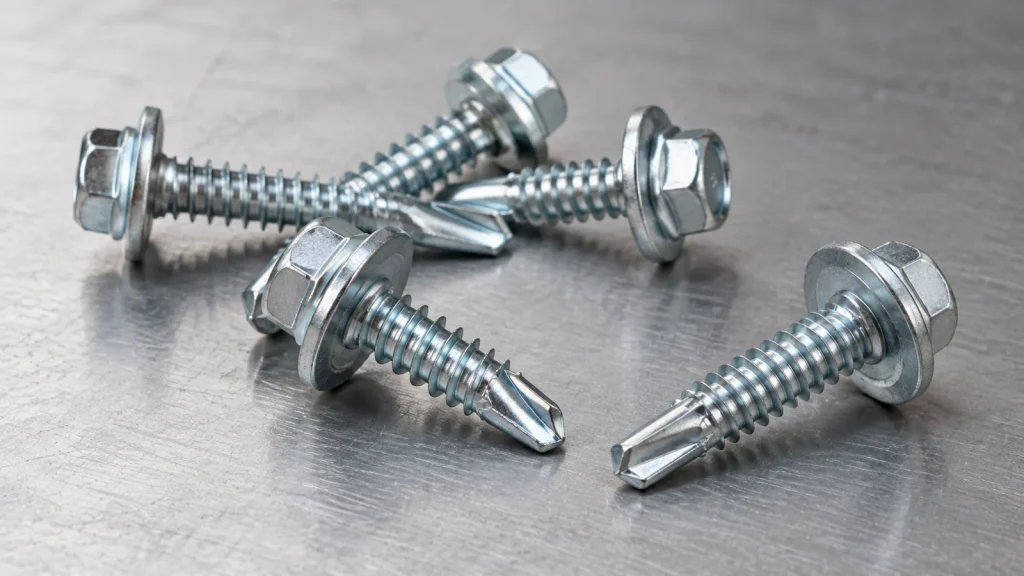
Hex Head Self-Drilling Screws with Cup Washers: Choosing Drill Point and Length

Hex Head Self-Drilling Screws with Cup Washers: Choosing Drill Point and Length

Choosing a hex head self-drilling screw with a cup washer requires more than selecting ST5.5 or ST6.3 and a nominal length. The drilling point must suit the steel it penetrates; the threaded section must engage the intended supporting material; and the head-and-washer assembly must seat correctly on the outer panel. A screw’s drilling capacity is […]

How to Choose Self-Tapping Screws for Plastic Parts

How to Choose Self-Tapping Screws for Plastic Parts

Choose self-tapping screws for plastic by matching the thread design to the resin, pilot hole and surrounding plastic, then checking head seating, thread engagement and tightening conditions on actual parts. Screw diameter alone cannot establish a suitable hole size or installation torque. This guide concerns metal screws fastening into plastic components. These screws create their […]

What RFQ Details Matter When Ordering Blue Zinc Winged Self-Drilling Screws?

What RFQ Details Matter When Ordering Blue Zinc Winged Self-Drilling Screws?

When ordering a blue zinc self drilling screw with a winged, countersunk configuration, diameter and length are not enough to define the application. The RFQ should identify the materials being connected, upper-material thickness, steel-substrate thickness, total material stack, required countersunk seating, screw diameter, total length, drill-point condition, wing geometry, surface treatment, installation method, quantity and […]

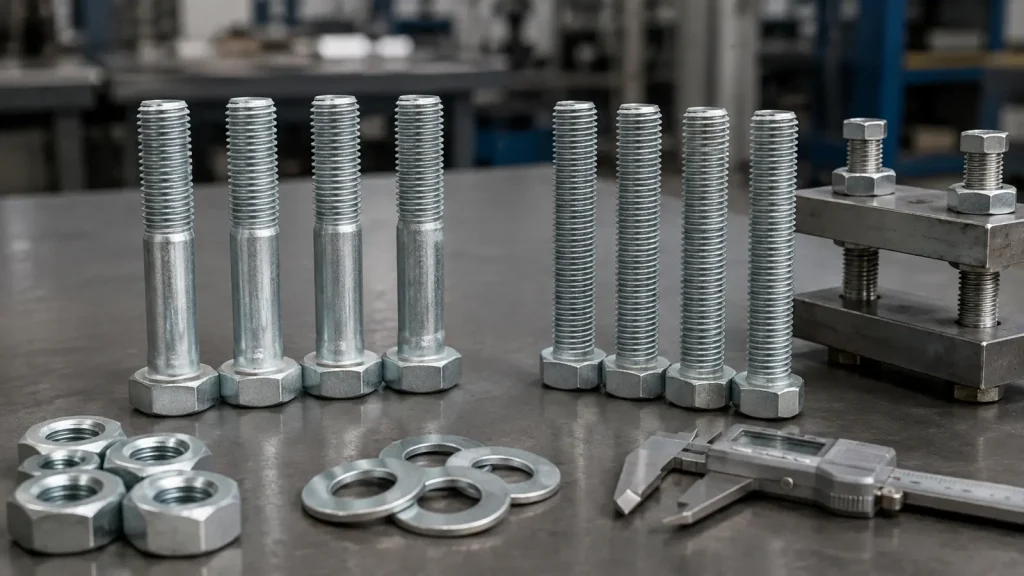
DIN 931 vs DIN 933 Hex Bolts: What Should Buyers Confirm Before Bulk Ordering?

DIN 931 vs DIN 933 Hex Bolts: What Should Buyers Confirm Before Bulk Ordering?

DIN 931-style half-thread and DIN 933-style full-thread hex bolts should not be selected from diameter and overall length alone. The practical choice depends on the joint stack, required grip, location of the thread transition, available nut engagement, mating hardware, material or property requirement, coating system and governing product specification. A half-thread bolt is not automatically […]

What Should Buyers Verify When Comparing Bolt Manufacturers?

What Should Buyers Verify When Comparing Bolt Manufacturers?

A bolt manufacturer should be evaluated against a defined joint, drawing and acceptance plan—not a product list or unit price alone. Buyers need to verify whether the supplier can manufacture the required geometry, control material and heat-treatment requirements where applicable, manage threads and coatings as one dimensional system, inspect critical characteristics, preserve batch traceability and […]

Which Hexagonal Wood Screw Specifications Should Buyers Freeze Before Production?

Which Hexagonal Wood Screw Specifications Should Buyers Freeze Before Production?

A hexagonal wood screw order should not be released from a gauge number and length alone. Before production, the buyer and supplier need one approved specification that fixes the screw diameter, length basis, thread geometry, point, hex-head dimensions, material, finish, installation method, substrate and acceptance evidence. The pilot hole belongs in the application specification as […]

Frequently Asked Questions

Is a brushless impact driver suitable for drilling as well as driving screws?

It can handle some drilling with the right hex-shank bits, but it is mainly designed for driving fasteners. For accurate hole drilling, larger drill bits or delicate materials, a drill or drill driver usually gives smoother control.

How is it different from an impact wrench?

An impact driver usually uses a hex bit interface and is aimed at screws and smaller fastening work. An impact wrench is typically used with sockets for nuts and bolts, so confirm the fastener type and interface before choosing between them.

Does higher torque always mean a better tool?

No. Too much output can strip screw heads, damage threads or overdrive fasteners, especially in softer materials. Control settings, speed response, balance and the correct bit often matter as much as peak torque.

What should I provide when asking for a recommendation?

Share the fastener type, drive style, size range, material, expected daily use and any battery or tool-size preference. If the work involves repetitive assembly, also describe the desired seating consistency and any surface-finish concerns.

Are brushless motors maintenance-free?

Brushless motors avoid carbon brush replacement, but the tool still needs appropriate use, clean storage, compatible accessories and battery care. Heavy-duty or continuous use should be matched with a configuration intended for that workload.

Leave Your Message

Tell us the fastener type and size range, the material or application, and your expected usage or battery preference so we can address the right brushless impact driver configuration.