Helicoil Insert Tool Selection Guide | Hebei Wotu Fastener Manufacturing Co., Ltd.

Helicoil Insert Tool Selection

A helicoil insert tool is chosen around the thread repair or thread reinforcement job: the insert size, the parent material, the access around the hole, and the volume of installations. The right tool seats the wire thread insert cleanly without stretching it, cross-threading it, or leaving the tang in the way of the screw.

For a buyer, the main decision is not only “which tool fits the insert,” but which installation method gives consistent results for the workpiece. A small repair kit, a production installation tool, and a tang break-off tool solve different parts of the same job.

Related Products

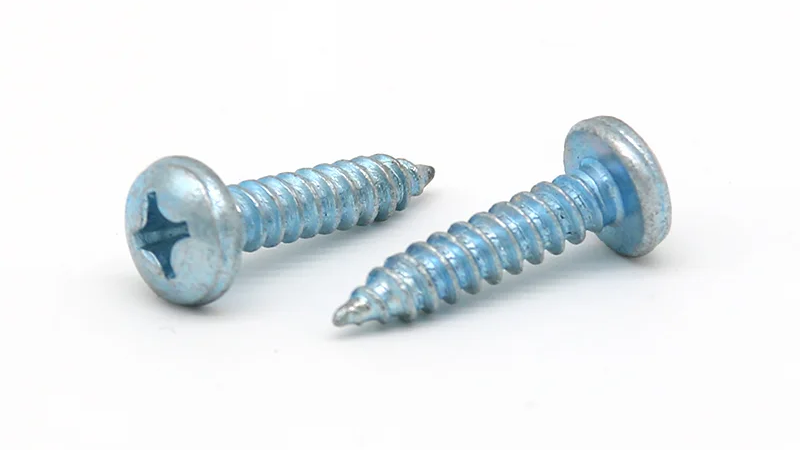
Countersunk Head Cross Blue-White Zinc Plated Drywall Screw

Countersunk Head Cross Blue-White Zinc Plated Drywall Screw

Brand: Hengzuan Surface: blue and white zinc plated Specifications: in stock 3.5/3.9/4.2 mainstream wire diameter, rod length 16mm~80mm full size range in stock, supports nonstandard length customization; fine/coarse tooth types are available Packaging: 25kg export cartons, full pallets wrapped with film, supports neutral export packaging, private-label customization

Read More

Selecting a tool for wire thread insert installation

Tool selection points

Relevant selection criteria for a helicoil insert tool include thread size, insert length, insert type, access to the hole, hand or production use, and whether the job requires installation only or a full repair set with drill, tap, inserts, and tang break-off parts.

Criterion What To Check Why It Matters Buyer Tip
Insert series, thread size and length Match the tool specification to the insert series, thread size, pitch and installed length. A tool for the wrong insert geometry may not drive the coil evenly or seat it at the intended depth. Ask which exact insert part numbers and thread standards the tool accepts.
Installation method and drive interface Confirm whether the tool is manual, power-assisted or pneumatic, and check the required drive connection. The drive method affects control, repeatability and suitability for occasional repair or repeated assembly work. Ask whether the tool can be used with your existing handle, driver or production equipment.
Mandrel and tang engagement Check how the mandrel engages the insert and whether the tool accommodates the insert’s driving tang. Secure engagement helps prevent cross-threading, coil distortion and incomplete installation. Ask how the tool is adjusted for different insert lengths and how the tang is removed after installation.
Depth control and access Verify the tool’s depth-setting method and its clearance requirements around the tapped hole. Consistent depth matters where the insert must sit below the surface, while tight access can rule out bulky tools. Provide the hole location, available clearance and required insert seating depth when requesting a fit check.

What to confirm before buying a helicoil insert tool

The practical difference is between manual installation tools and powered or semi-production tools. Manual tools suit maintenance, field repair, prototypes, and occasional thread inserts because they are simple to control and easy to store with tap, drill, and insert kits. Higher-volume work may need a more repeatable installation setup so operators drive inserts to the same depth with less hand variation.

Also confirm the insert style before selecting the tool. Free-running inserts, locking inserts, coarse threads, fine threads, blind holes, and through holes can change the installation feel and the need for tang removal or depth control. A tool that fits the nominal thread size may still be a poor choice if the nose, mandrel, or prewinder does not suit the insert form and hole access.

Start with the thread specification. Confirm the internal thread size required after repair, the insert length, thread pitch, and whether the work is metric or inch. Mixing thread systems or assuming a similar size is one of the easiest ways to damage the tapped hole or make the fastener bind after installation.

Match the tool to the installation environment. A straight, open hole on a bench fixture can use a simple hand insertion tool. A recessed bore, blind hole, engine component, mold plate, or assembled machine may need a slimmer tool nose, controlled insertion depth, or separate tang break-off access. Check the available clearance before ordering.

Think about the whole thread repair process, not only the insertion tool. A proper job usually depends on the correct drill, special tap, insert, insertion tool, and tang removal method. Buying a tool without confirming the tap and insert compatibility can leave the operator with a tool that turns but does not install the insert properly.

For an inquiry to Hebei Wotu Fastener Manufacturing Co., Ltd., send the thread size and pitch, insert type or sample details, parent material, and whether the work is one-off repair or repeated installation. Ask which tool components are needed for installation and tang removal, and confirm compatibility before placing an order.

Criteria Importance Description Example Options
Manual tool versus production setup Important when installation volume changes Manual tools suit small repairs and occasional insert installation. Repeated assembly work may need a setup that helps operators control depth and repeat the same installation process. A maintenance technician repairing one stripped thread may choose a hand tool, while a workshop installing inserts every day may ask about a more repeatable installation method.
Thread size and pitch match Critical for basic compatibility The tool, insert, tap, and final screw thread must be selected as a matched system. Similar-looking thread sizes are not interchangeable. A metric fine thread and a nearby inch thread may look close but require different insert and tool compatibility checks.
Hole access and depth control High when the hole is blind, recessed, or inside an assembled part Open holes are easier to install into with a simple straight tool. Restricted access may require a slimmer nose, careful depth control, or a separate way to remove the tang. A flat bench plate is easier to work on than a recessed bore in a machine component.
Insert style Important because not all inserts drive the same way Free-running, locking, tang-style, and tangless-style inserts can require different installation behavior or tool features. Confirm the insert design before selecting the tool. A locking insert may feel different during installation and should not be treated as automatically identical to a free-running insert.
Repair kit versus individual tool Useful when the buyer is solving a complete repair problem An individual insertion tool is only one part of the process. A complete repair may also require the correct drill, special tap, inserts, and tang removal method. For a first-time thread repair, buying only the insertion tool may leave the operator without the tap needed to prepare the hole.

Blog Articles / Reviews

How to Choose Self-Tapping Screws for Plastic Parts

How to Choose Self-Tapping Screws for Plastic Parts

Choose self-tapping screws for plastic by matching the thread design to the resin, pilot hole and surrounding plastic, then checking head seating, thread engagement and tightening conditions on actual parts. Screw diameter alone cannot establish a suitable hole size or installation torque. This guide concerns metal screws fastening into plastic components. These screws create their […]

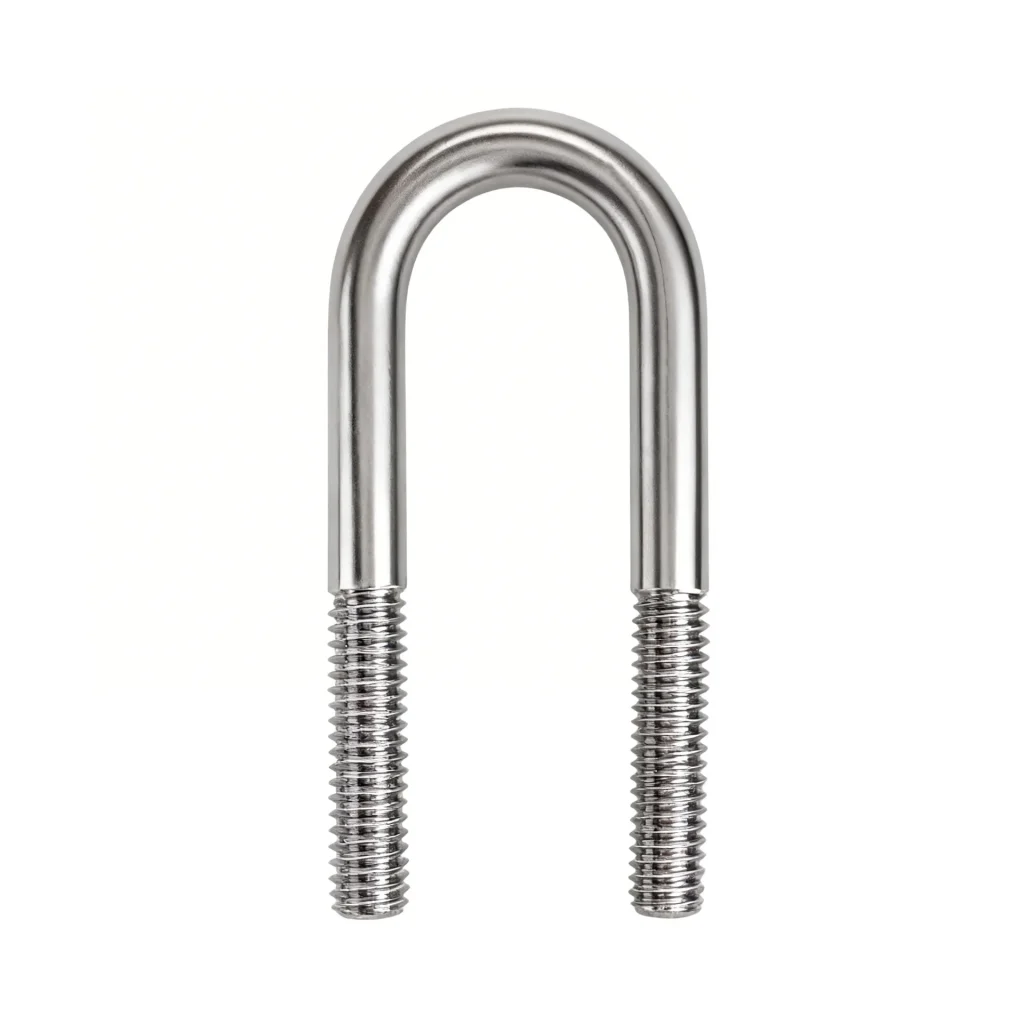
Which U-Bolt Measurements Must Buyers Provide Before a Quote?

Which U-Bolt Measurements Must Buyers Provide Before a Quote?

For an M10–M24 U-bolt RFQ, buyers should send a dimensioned drawing that defines thread diameter, inside width, leg or overall length, bend geometry, thread length, application diameter, material or grade requirement, surface finish, matching nuts/washers, quantity, and packing needs. Nominal thread size alone is not enough because different measurement datums can produce U-bolts that look […]

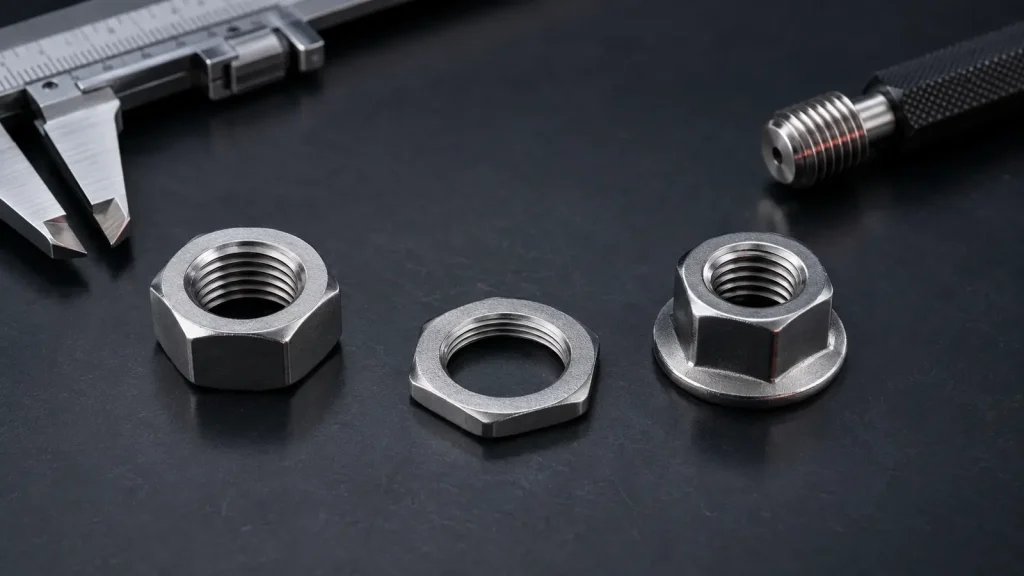
How Should Buyers Select Chinese and German Standard Hex Nuts?

How Should Buyers Select Chinese and German Standard Hex Nuts?

Direct Answer: Select a hex nut by the exact standard number and edition, thread diameter and pitch, nut style, property class, material, finish, mating bolt and acceptance method. “Chinese standard” or “German standard” alone is not a complete specification. Regular, thick, thin and flange nuts can differ in geometry and load behavior, so buyers should […]

Definition of Self-Drilling Screw

Definition of Self-Drilling Screw

A screw is a tool that uses the physical and mathematical principles of inclined planes, circular rotation, and friction to gradually tighten objects and machine parts. A self-drilling screw is a screw with a self-tapping drill bit at its tip. Screws are a common invention of humankind throughout history, and in terms of application, they […]

Anchor Bolts: 7 Ordering Errors That Cause Site Rework

Anchor Bolts: 7 Ordering Errors That Cause Site Rework

ost anchor bolt ordering errors come from incomplete drawings, unclear dimensions, unsuitable material or coating choices, undefined tolerances, and mismatched nuts or washers. These mistakes affect steel fabricators, EPC contractors, equipment installers, importers, and distributors because anchor bolts are usually embedded before the connected structure arrives on site. Once concrete has cured, even a small […]

Frequently Asked Questions

Can one installation tool fit all wire thread inserts?

No. The tool must match the thread size, pitch, insert style, and sometimes the insert length or installation method. A tool that appears to fit the diameter can still damage the insert if the mandrel, nose, or driving feature is not suitable.

Is a hand tool enough for repair work?

For occasional maintenance, field repair, and small batches, a hand insertion tool is often the practical choice because it gives the operator good control. For repeated production work, a more controlled installation setup may reduce variation in insertion depth and operator technique.

What is the difference between an insertion tool and a tang break-off tool?

The insertion tool drives the wire insert into the prepared tapped hole. A tang break-off tool removes the driving tang after installation when the insert design requires it, so the screw can pass through or seat correctly.

Do I need a special tap before using the tool?

Usually yes. Wire thread inserts are installed into a specially tapped hole, not a standard internal thread of the same final screw size. Confirm the correct drill and tap requirements together with the insert and installation tool.

What information should I send before ordering?

Provide the required thread size and pitch, metric or inch thread system, insert type, insert length if known, and whether the hole is through, blind, recessed, or hard to access. If the job is a repair, a photo or sample details can help clarify clearance and compatibility questions.

Leave Your Message

Send the required thread size and pitch, the insert type or sample, and whether the job is repair work or repeated installation. Include any access limits such as blind holes, recessed holes, or restricted tool clearance.