Mr Diy Cordless Screwdriver Selection Guide | Hebei Wotu Fastener Manufacturing Co., Ltd.

Choosing an MR DIY Cordless Screwdriver

An MR DIY cordless screwdriver is usually considered for light assembly, cabinet work, flat-pack furniture, cover plates and small household repairs. The real decision is not only the tool brand or store source, but whether its torque control, bit fit and battery style match the screws you need to drive.

For buyers dealing with fasteners, the screwdriver and the screw should be chosen together. A low-power cordless screwdriver can work well with small machine screws and wood screws, but it may struggle with long screws, dense material or fasteners that need controlled tightening.

Related Products

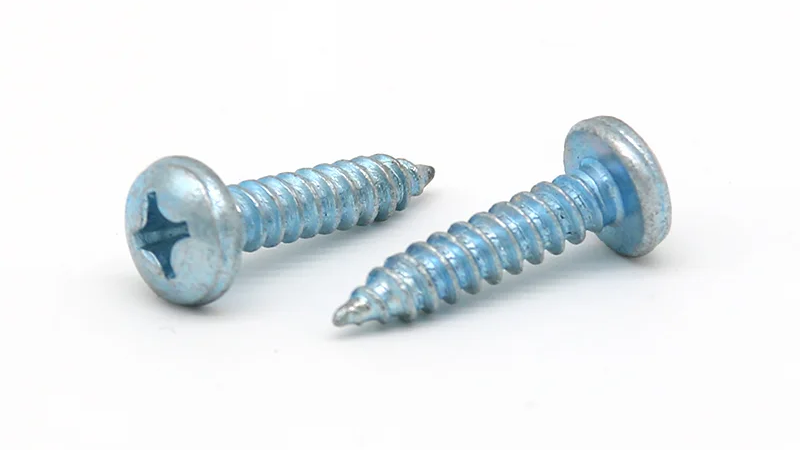
Blue-White Zinc Plated Pan Head With Pad Self-Tapping Screw

Blue-White Zinc Plated Pan Head With Pad Self-Tapping Screw

Brand: Hengzuan Surface: blue and white zinc plated Specifications: in stock ST4.2/ST4.8full range of specifications, length 13~50mm in stock, support nonstandard length customization Packaging: 25kg cartons, solid wood packaging, support neutral packaging, private-label customization

Read More
Countersunk Head Blue Zinc Self-Drilling Screw

Countersunk Head Blue Zinc Self-Drilling Screw

Brand: Hengzuan Surface: blue and white zinc plated, can be customized color zinc plated, black oxide plated Specifications: in stock 3.5/3.9/4.2/4.8/5.5 mainstream wire diameter, rod length 13mm~75mm full size range, nonstandard length can be customized as needed Packaging: 25kg export cartons, full wooden pallets wrapped with film, supports neutral export packaging, private-label customization

Read More

Matching screws and bits to a cordless screwdriver

Fastener and tool fit

Relevant selection criteria include the screw drive type, head style, thread form, workpiece material and whether the cordless screwdriver has adjustable torque. The best match is the combination that drives cleanly without cam-out, head damage or excessive tightening force.

Criterion What To Check Why It Matters Buyer Tip
Screw size and material range Match the screwdriver’s stated use with the screw head types, lengths and materials you plan to work on. Small assembly screws need different control from long screws driven into hardwood or dense board. Ask which screw sizes and materials the tool is intended to handle without stripping heads or stalling.
Torque control and speed settings Look for adjustable torque settings, a variable-speed trigger or both. Controlled torque helps prevent over-tightening, damaged threads and cracked plastic panels. Ask whether the torque setting can be adjusted low enough for furniture fittings and other light assembly work.
Battery and charging arrangement Confirm whether the battery is removable or built in, and check the charger type and charging time stated for the model. Battery design affects working interruptions, storage and replacement options. Ask whether a replacement battery or compatible charger is available if the tool will be used regularly.
Bit holder and included bits Verify the holder size and the screw-head bits supplied, such as Phillips, slotted, Pozidriv or Torx. A suitable bit transfers torque correctly and reduces slipping or damage to the screw head. Ask whether standard replacement bits fit the holder and which bit types are included in the package.
Grip, balance and access Hold the tool if possible and check its grip, weight distribution, forward/reverse control and access to tight spaces. A balanced, easy-to-control tool is more practical for repeated furniture assembly and overhead or confined work. Ask whether the design suits the intended working position and how easily the direction control can be operated.

What to check before choosing a light cordless screwdriver

The main difference between a cordless screwdriver and a compact drill driver is torque and control. A cordless screwdriver is lighter, easier to handle and better for repetitive low-load fastening. A drill driver has more force, but it can damage small screws, strip heads or over-tighten parts if used without care.

If the application involves finished panels, plastic parts, hinges or electrical covers, clutch adjustment and bit engagement matter more than raw power. If the work involves structural timber, thick metal brackets or long self-tapping screws, the buyer should check whether a stronger driver is more appropriate.

Start with the screw type and material. Phillips, Pozidriv, hex socket and Torx-style drives behave differently under power. A cordless screwdriver is most reliable when the bit fully seats in the recess and the screw thread suits the material. Poor bit fit is one of the quickest ways to round a head, even with a small tool.

Look at torque control before battery claims. Adjustable clutch settings help prevent over-driving, especially in soft wood, plastic housings and thin sheet assemblies. A simple on/off screwdriver may be acceptable for occasional repair work, but repeated assembly usually benefits from a clutch that can be set consistently.

Consider the working position. Straight-body tools fit narrow spaces, while pistol-grip designs can feel steadier for bench work. Built-in lights, forward/reverse switches and common bit holders are small details that matter when the job involves many screws rather than one quick repair.

Before asking for a recommendation, prepare the screw size, drive recess, material being fastened and the expected use frequency. If Hebei Wotu Fastener Manufacturing Co., Ltd. is being asked about compatible fasteners rather than the tool itself, include a sample screw or drawing so the advice can focus on thread, head style and drive fit.

Criteria Importance Description Example Options
Torque control Very important for small screws, soft materials and visible finished surfaces. An adjustable clutch helps limit driving force and makes repeated assembly more consistent. A basic on/off tool may offer less control near final tightening. Use a lower clutch setting for plastic housings or softwood and a higher setting only when the fastener and material require it.
Cordless screwdriver versus compact drill driver Important because tool size and available force should match the work. A cordless screwdriver is easier to handle for light fastening, while a drill driver is more versatile and better suited to drilling or higher-load screws. Extra power can increase the chance of over-tightening small fasteners. Use the lighter tool for furniture assembly and a drill driver for drilling pilot holes or driving longer screws into dense material.
Bit and screw drive compatibility Critical for preventing cam-out and damaged screw heads. The bit profile must match the recess, and it should seat fully with limited wobble. Similar-looking drive types are not automatically interchangeable. Match a Pozidriv screw with a Pozidriv bit rather than assuming a Phillips bit will provide the same engagement.
Battery format and operating time Important when the tool will be used repeatedly or away from a convenient charging point. Consider how often the tool will be used, how long each task takes and whether the battery is built in or removable. A larger capacity may extend working time but can add weight and bulk. Occasional household repairs may suit an integrated battery, while repeated bench assembly may make a replaceable battery more convenient.
Fastener and workpiece match Essential because the tool cannot compensate for an unsuitable screw or thread. Check the screw size, thread form, head style and material being joined before selecting the driving setting. Long screws, dense materials and structural connections may require a different tool or preparation. Small machine screws for a prepared hole present a different load from long self-tapping screws driven into thick sheet material.

Blog Articles / Reviews

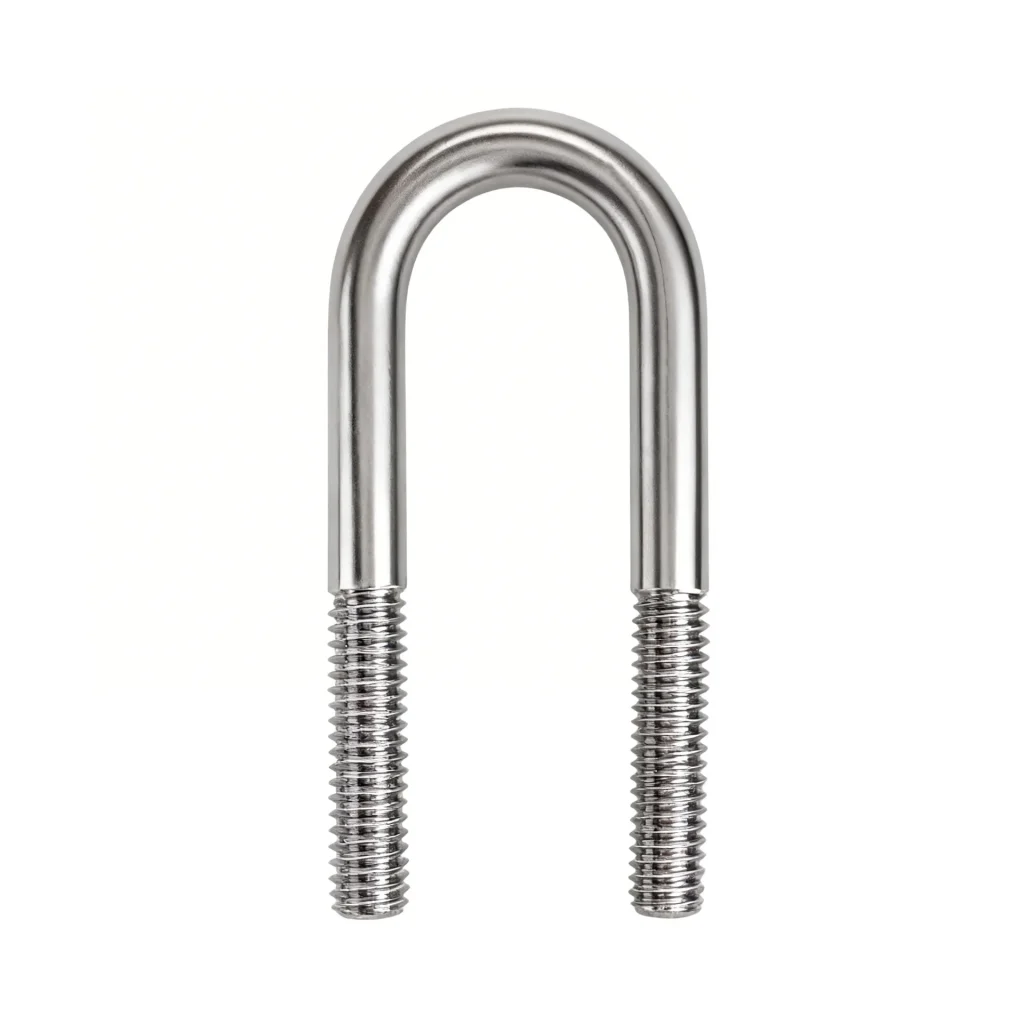
Which U-Bolt Measurements Must Buyers Provide Before a Quote?

Which U-Bolt Measurements Must Buyers Provide Before a Quote?

For an M10–M24 U-bolt RFQ, buyers should send a dimensioned drawing that defines thread diameter, inside width, leg or overall length, bend geometry, thread length, application diameter, material or grade requirement, surface finish, matching nuts/washers, quantity, and packing needs. Nominal thread size alone is not enough because different measurement datums can produce U-bolts that look […]

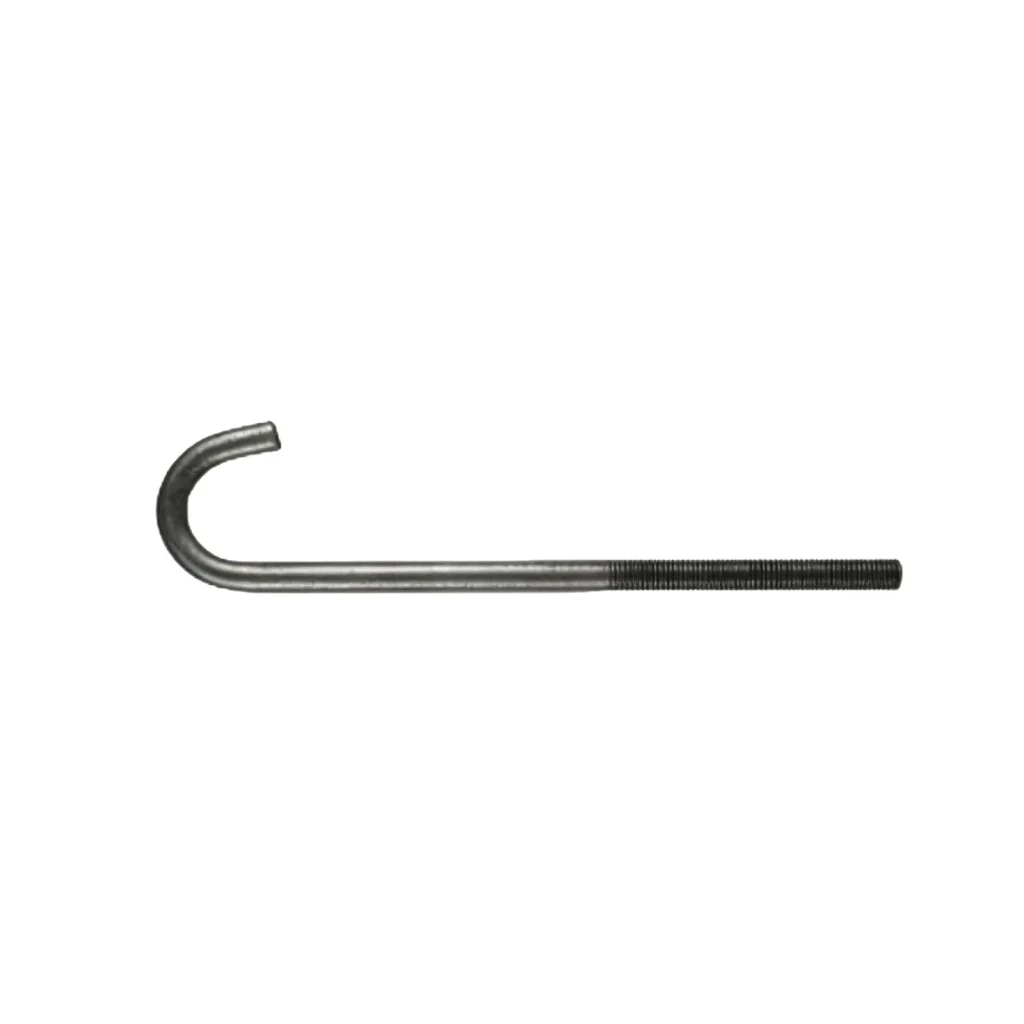
What Must Buyers Verify Before Ordering L-Shaped Anchor Bolts to an Older Standard?

What Must Buyers Verify Before Ordering L-Shaped Anchor Bolts to an Older Standard?

When ordering L-shaped anchor bolts against an older standard, buyers should verify the standard’s current status, confirm the specification approved for the project, and reconcile the drawing, dimensions, material and foundation interface before releasing the purchase order. A legacy standard number on a product page or old drawing is not, by itself, sufficient evidence that […]

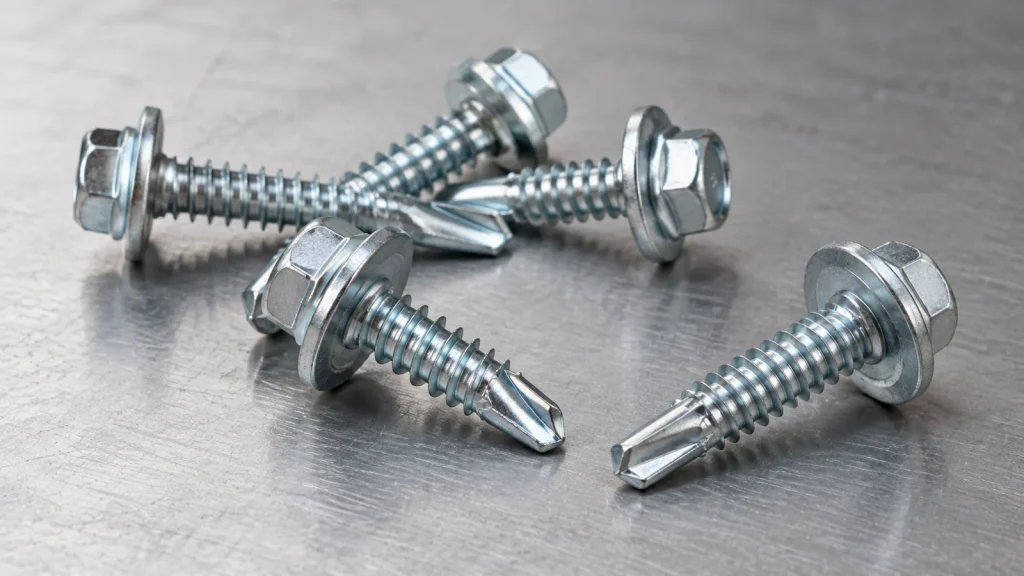
Hex Head Self-Drilling Screws with Cup Washers: Choosing Drill Point and Length

Hex Head Self-Drilling Screws with Cup Washers: Choosing Drill Point and Length

Choosing a hex head self-drilling screw with a cup washer requires more than selecting ST5.5 or ST6.3 and a nominal length. The drilling point must suit the steel it penetrates; the threaded section must engage the intended supporting material; and the head-and-washer assembly must seat correctly on the outer panel. A screw’s drilling capacity is […]

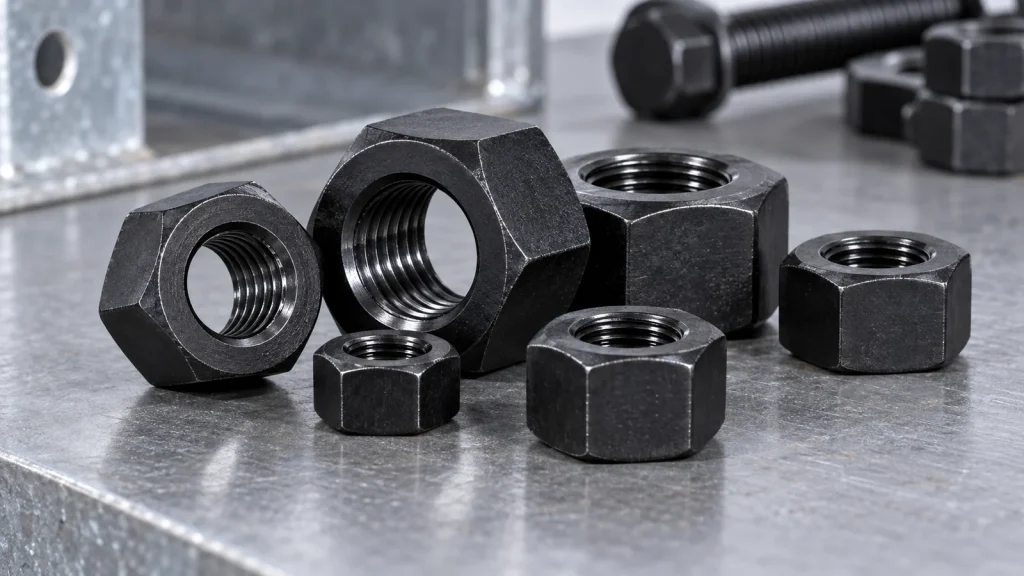
Grade 8 vs Grade 10 Hex Nuts: Strength Class and Bolt Compatibility

Grade 8 vs Grade 10 Hex Nuts: Strength Class and Bolt Compatibility

Class 8 and class 10 metric hex nuts are not interchangeable labels for bolt strength. They identify different nut property classes, while the suitability of either nut depends on the mating bolt, thread dimensions, nut style and the relevant specification. A black oxide finish adds another purchasing variable: it describes a surface treatment, not a […]

How to Choose Self-Tapping Screws for Plastic Parts

How to Choose Self-Tapping Screws for Plastic Parts

Choose self-tapping screws for plastic by matching the thread design to the resin, pilot hole and surrounding plastic, then checking head seating, thread engagement and tightening conditions on actual parts. Screw diameter alone cannot establish a suitable hole size or installation torque. This guide concerns metal screws fastening into plastic components. These screws create their […]

What Is a Fastener? Types, Functions and Industrial Uses

What Is a Fastener? Types, Functions and Industrial Uses

A fastener is a hardware component that mechanically joins or secures parts. Common examples include screws, bolts, nuts and rivets; washers are supporting components used in many fastening assemblies. Some connections can be dismantled by removing threaded fasteners, while others, such as riveted joints, normally require the fastener to be destroyed during removal. In industrial […]

Frequently Asked Questions

Is this type of tool suitable for assembling flat-pack furniture and cabinets?

Yes, a light cordless screwdriver is generally suitable for repeated low-load fastening in furniture, cabinets and small household repairs. Check that it offers enough torque control for the screw size and that the bit matches the drive recess.

When is a compact drill driver the better alternative?

Choose a compact drill driver when the work includes drilling, long screws, dense timber, thick sheet material or brackets that need more force. Its higher torque can be useful, but it also increases the risk of stripping small screws or damaging soft materials without careful control.

Does a higher battery rating always mean better fastening results?

No. Battery capacity affects operating time, while fastening results also depend on torque control, gear design, bit engagement and the screw-to-material match. For delicate assembly, a controllable clutch can matter more than maximum battery capacity.

What information should I provide before buying compatible fasteners for the tool?

Provide the screw diameter and length, drive type, head style, thread form and the material being fastened. A sample screw, drawing or clear photo can help confirm whether the fastener and bit are a practical match.

Can one bit type be used for all the screws in a household project?

No. Phillips, Pozidriv, Torx-style, hex socket and other drive recesses require the corresponding bit profile. A bit that looks similar but does not seat fully can cause cam-out, head damage and inconsistent tightening.

Leave Your Message

Send the screw type, drive recess and material being fastened. If possible, include the screw size or a photo of the fastener head so the fit with a cordless screwdriver can be assessed.