Power Hammer Machine for Forging Work | Hebei Wotu Fastener Manufacturing Co., Ltd.

Power Hammer Machine for Forging Work

A power hammer machine is selected around the forging work it must repeat: shaping bar, drawing out stock, upsetting sections or producing small batches of forged parts. The main decision is not simply hammer size. Impact energy, control, die compatibility and the available installation space must match the material, workpiece size and production rhythm.

For a purchase inquiry, describe the metal, starting stock, target parts and expected use. Those details determine whether a mechanical, pneumatic or other power-hammer arrangement is a practical fit.

Related Products

7-letter, 9-letter L-shaped anchor bolt (Chinese national standard GB/T799-1988 embedded anchor screw)

7-letter, 9-letter L-shaped anchor bolt (Chinese national standard GB/T799-1988 embedded anchor screw)

Brand: Wotu Surface: Natural black oxide treatment, customized hot-dip galvanized, zinc plated as required Specifications: Follow Chinese national standard GB/T799-1988, in stock M12-M48, total length 120mm~1500mm, nonstandard customized diameter, bending length, total screw length available Matching: Nuts, flat washers and spring washers of the same specification can be supplied in complete sets. Packaging: Bundling and packaging, using wooden pallets and film-wrapped export packaging in large quantities

Read More
Hot-Dip Galvanized Chinese National Standard Flat Washer (GB/T97.1A Level Flat Washer)

Hot-Dip Galvanized Chinese National Standard Flat Washer (GB/T97.1A Level Flat Washer)

Brand: Wotu Surface: overall hot-dip zinc plated anti-corrosion treatment, optional blue-white zinc plated, color zinc plated, black oxide Specifications: Execute GB/T97.1-2002 Chinese national standard, in stock M6-M64 full range of specifications, inner diameter, outer diameter, thickness strictly comply with Chinese national standard parameters, support nonstandard size customized Packaging: 25kg woven bag / export carton packaging, full pallets wrapped with film, supports private-label customization

Read More
Grade 8/Grade 10 High-strength Black Oxide Hex Nut (DIN934/GB Chinese National Standard Thickened Nut)

Grade 8/Grade 10 High-strength Black Oxide Hex Nut (DIN934/GB Chinese National Standard Thickened Nut)

Brand: Wotu Surface: quenching and tempering heat treatment + high temperature black oxide anti-rust treatment Specifications: Comply with DIN934, GB/T6170 standards, in stock M6-M48 full range of specifications, nonstandard sizes can be customized Packaging: 25kg carton/woven bag inner packaging, whole wooden pallet wrapped with film for export packaging, supports neutral/private-label customization packaging

Read More
Chinese National Standard / German Standard Hex Nut (thick Nuts, Thin Nuts, Flange Nuts, Multiple Categories)

Chinese National Standard / German Standard Hex Nut (thick Nuts, Thin Nuts, Flange Nuts, Multiple Categories)

Brand: Wotu Surface: color zinc plated, blue-white zinc plated, black oxide, hot-dip galvanized, various surface treatments available Specifications: Comply with DIN934, GB/T6170, GB/T6172.1, GB/T6177.1 standards, in stock M6-M64 full range of specifications, support nonstandard customized Packaging: woven bag inside/25kg export carton, full-container wooden pallet wrapped with film, supports private-label, neutral export packaging

Read More
Hot-Dip Galvanized Hex Head Bolt (DIN931 Half Thread / DIN933 Full Thread / GB30 Chinese National Standard Bolt, Can Be Equipped With Nut And Washer Set)

Hot-Dip Galvanized Hex Head Bolt (DIN931 Half Thread / DIN933 Full Thread / GB30 Chinese National Standard Bolt, Can Be Equipped With Nut And Washer Set)

Brand: Wotu Surface: overall hot-dip zinc plating treatment Specifications: Comply with DIN and GB standards, in stock M6-M48 full range of specifications, length 20mm-300mm, supports nonstandard customized. Packaging: woven bag inside / 25kg export carton, film-wrapped wooden pallet; supports neutral packaging and customer private-label customization.

Read More
U-bolt ( / U-bolt, M10/M12/M16/M20/M24 multiple specifications)

U-bolt ( / U-bolt, M10/M12/M16/M20/M24 multiple specifications)

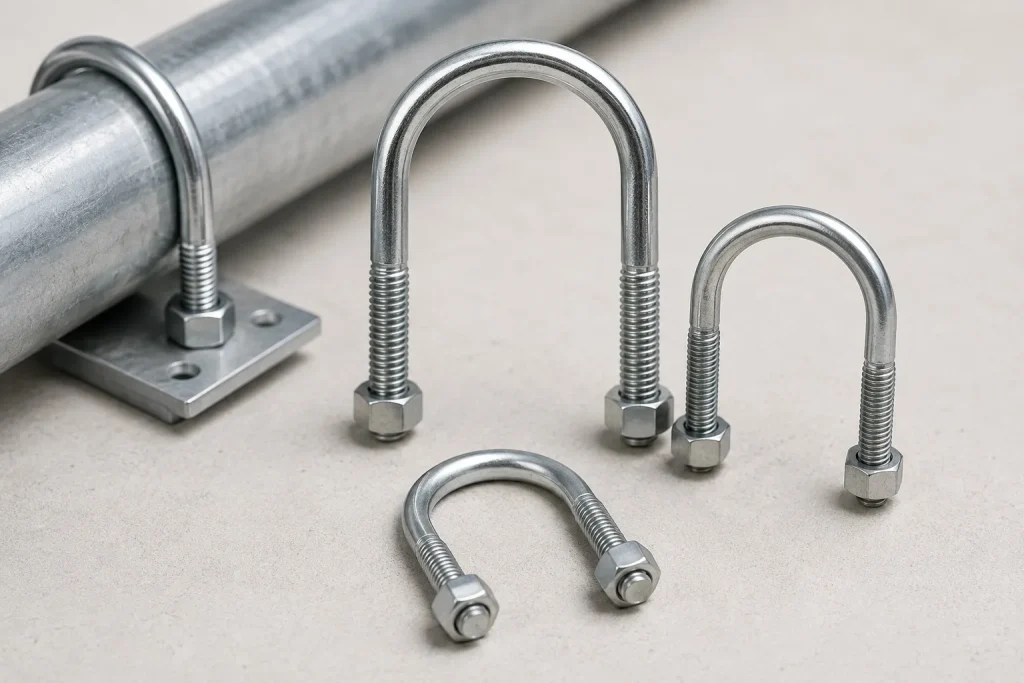
Brand: Wotu Surface: natural black oxide / hot-dip galvanized / blue-white zinc plated, multiple processes available Specifications: Based on common industry drawing parameters, suitable for pipe diameter 25mm~139.7mm, screw diameter M10~M24, total length can be nonstandard customized Matching: can be matched with nut, flat washer and spring washer of the same specifications for complete shipment Packaging: Bundling and packaging + 25kg export carton, full-container wooden pallet wrapped with film, supports private-label export packaging

Read More

Compare power hammer machines for your forging work

Power hammer machine selection

When reviewing a power hammer machine, compare rated impact capability, control method, die and tooling compatibility, working clearance, frame and foundation requirements, guarding, utility needs and access to wear-part support. The supplier should explain which values apply to your material and part range rather than offering a general machine description.

Criterion What To Check Why It Matters Buyer Tip
Hammer capacity and workpiece size Confirm the rated hammer size, maximum stock size, and suitable material types before quoting. A machine that is too small will slow production or deform parts poorly; an oversized unit can waste energy and floor space. Ask: What bar, billet, or forged part sizes do you need to form most often?
Stroke control and forming consistency Review how the operator controls blow force, stroke frequency, and repeatability during continuous work. Consistent impact control affects part shape, surface finish, die life, and scrap rate. Ask: Can the machine adjust impact force easily for different forging steps?
Die fit and changeover method Verify the die seat dimensions, clamping style, and how long a normal die change takes. Poor die compatibility can add tooling cost, while slow changeovers reduce useful production time. Ask: Will our existing dies fit, or do we need new tooling for this power hammer machine?
Power, foundation, and installation needs Confirm required electrical supply, air or hydraulic requirements if applicable, machine weight, and foundation recommendations. A power hammer creates heavy impact loads, so site preparation affects safety, vibration, and long-term machine stability. Ask: What foundation drawing and utility requirements should be checked before ordering?
Maintenance access and wear parts Identify the main wear parts, lubrication points, inspection intervals, and parts availability. Downtime usually comes from worn guides, seals, bearings, belts, or control parts rather than the frame itself. Ask: Which spare parts should be kept on hand for the first year of operation?

Choose impact, control and tooling for the application

The most useful distinction is between mechanical and pneumatic power hammers. A mechanical model can suit repeatable forging with a consistent operating rhythm, while a pneumatic model may offer more flexible control over blow frequency and impact during varied work. The right choice depends on how much the operator must vary the stroke, how consistently parts must be formed and what utilities are available.

Tooling and installation matter just as much as the hammer itself. Confirm the available die arrangement, working clearance, foundation or floor requirements, noise controls, guarding and access for maintenance before comparing quoted machines.

Match the machine to the work. Share the material type, bar or billet form, approximate workpiece range and the operations required. A machine intended for occasional shaping may not suit continuous production, while an oversized hammer can add installation, noise and operating demands without improving the finished part.

Compare control and repeatability. Ask how the operator controls blow frequency, impact intensity and ram movement. For varied shapes or small batches, controllability may matter more than maximum impact. For repeat work, check how the machine supports consistent results from one part to the next.

Check tooling and service conditions. Verify die dimensions, die-changing arrangements, available tooling options and compatibility with the intended forging process. Also ask about lubrication points, wear parts, guarding, electrical or air requirements, foundation guidance and the service documentation supplied with the machine.

Prepare a specific inquiry. Send a drawing or photos of the parts, material information, starting-stock dimensions, target output and available workshop utilities. Ask Hebei Wotu Fastener Manufacturing Co., Ltd. whether it supplies a suitable power hammer machine, then request the relevant technical data, tooling details, installation requirements and scope of supply for that configuration.


Criteria Importance Description Example Options
Hammer type A primary decision because it affects control, utilities and working rhythm. Mechanical and pneumatic arrangements can behave differently in blow control, maintenance needs and operator feel. Match the type to varied workshop forging or repeated production work. A shop making many different forged shapes may value adjustable control more than a fixed operating rhythm.
Impact and workpiece fit Critical because insufficient energy will not form the stock effectively, while oversizing can add cost and installation burden. Compare the machine capability against material type, bar or billet size, forging temperature and the amount of deformation required. Drawing out small bar stock and upsetting heavier sections may require different hammer capacity and tooling arrangements.
Tooling compatibility High, because the dies determine what the machine can actually form. Check die dimensions, mounting method, die-changing access and whether standard or custom tooling is needed for the intended part. A buyer with existing forging dies should ask if the die seat and fixing arrangement can accept them.
Installation conditions High for planning because a hammer can impose demanding foundation, space, noise and utility requirements. Review floor or foundation guidance, working clearance, guarding, maintenance access, air supply and electrical requirements before committing to a configuration. A compact workshop may need to confirm both machine footprint and safe access around the ram and die area.
Production pattern Important because occasional repair forging and repeat part production place different demands on the machine. For varied work, controllability and practical die changes may matter most. For repeat production, consistency, service access and integration with the process become more important. A maintenance shop may prefer flexible operation, while a production cell may focus on repeatable forming steps.

Product Selection

Related Options

For a workshop producing several forged shapes from different stock sizes, controllable impact and quick, practical die changes may be more valuable than maximum output alone. For a repeat production cell, focus instead on cycle consistency, integration with the existing process and clearly defined maintenance requirements; confirm the intended use before treating any listed configuration as suitable.

Blog Articles / Reviews

Definition of Self-Drilling Screw

Definition of Self-Drilling Screw

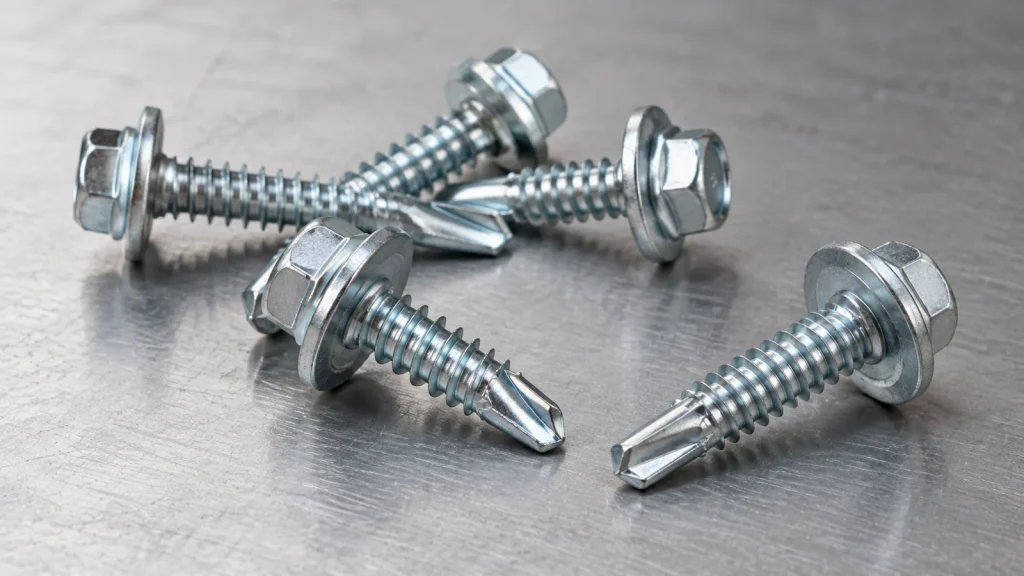
A screw is a tool that uses the physical and mathematical principles of inclined planes, circular rotation, and friction to gradually tighten objects and machine parts. A self-drilling screw is a screw with a self-tapping drill bit at its tip. Screws are a common invention of humankind throughout history, and in terms of application, they […]

Hex Head Self-Drilling Screws with Cup Washers: Choosing Drill Point and Length

Hex Head Self-Drilling Screws with Cup Washers: Choosing Drill Point and Length

Choosing a hex head self-drilling screw with a cup washer requires more than selecting ST5.5 or ST6.3 and a nominal length. The drilling point must suit the steel it penetrates; the threaded section must engage the intended supporting material; and the head-and-washer assembly must seat correctly on the outer panel. A screw’s drilling capacity is […]

What Is a Fastener? Types, Functions and Industrial Uses

What Is a Fastener? Types, Functions and Industrial Uses

A fastener is a hardware component that mechanically joins or secures parts. Common examples include screws, bolts, nuts and rivets; washers are supporting components used in many fastening assemblies. Some connections can be dismantled by removing threaded fasteners, while others, such as riveted joints, normally require the fastener to be destroyed during removal. In industrial […]

Which Hexagonal Wood Screw Specifications Should Buyers Freeze Before Production?

Which Hexagonal Wood Screw Specifications Should Buyers Freeze Before Production?

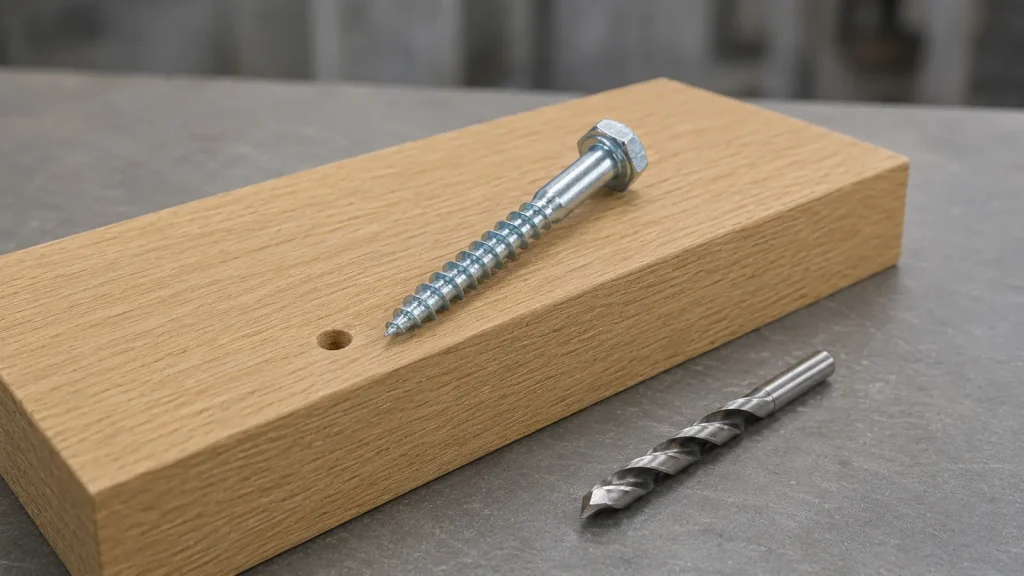
A hexagonal wood screw order should not be released from a gauge number and length alone. Before production, the buyer and supplier need one approved specification that fixes the screw diameter, length basis, thread geometry, point, hex-head dimensions, material, finish, installation method, substrate and acceptance evidence. The pilot hole belongs in the application specification as […]

Hex Thin Nut vs Standard Hex Nut: Which Fits Space-Limited or Locking Assemblies?

Hex Thin Nut vs Standard Hex Nut: Which Fits Space-Limited or Locking Assemblies?

Direct Answer: Choose a hex thin nut when reduced nut height is genuinely required by the assembly or when the engineering design specifies it as part of a locking arrangement. Choose a standard hex nut when full nut height, normal thread engagement, and the specified load-bearing function are required. Buyers should compare nut height, thread […]

Why Do Self-Tapping Roofing Screws Leak Even When the Screw Length Looks Correct?

Why Do Self-Tapping Roofing Screws Leak Even When the Screw Length Looks Correct?

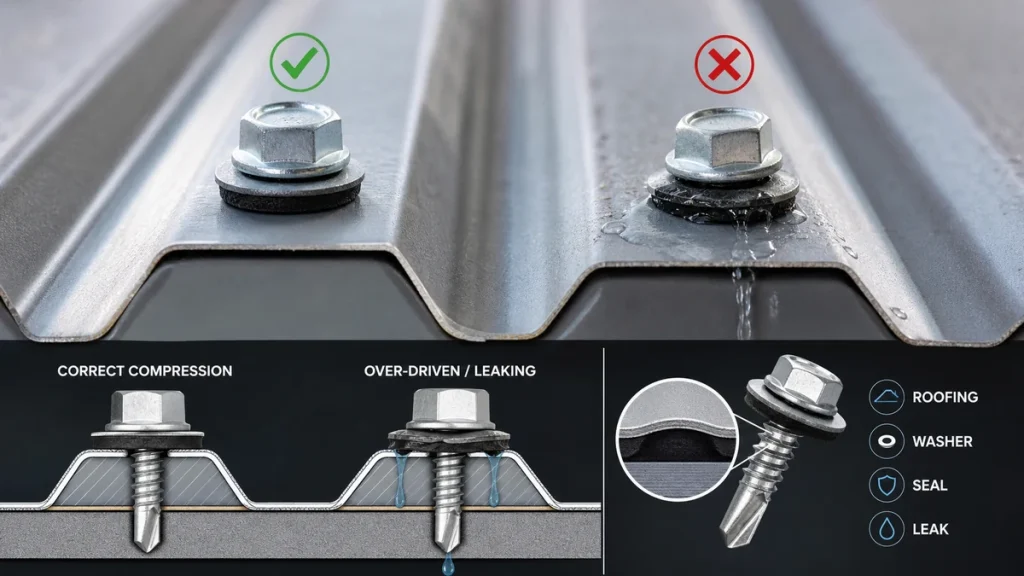
Direct answer: Correct screw length does not guarantee a watertight metal-roof connection. Self tapping roofing screws can leak because of incorrect washer compression, enlarged or stripped holes, insufficient thread engagement, panel movement, or an unsuitable coating-and-washer system. Buyers should diagnose the complete installed connection—including panel profile, support thickness, point type, washer condition, and exposure—rather than […]

Frequently Asked Questions

What forging work is a power hammer best suited for?

It is mainly suited to repeated hot-forging operations such as drawing out stock, shaping sections, upsetting material and forming parts with dies. Suitability depends on the material, starting-stock size, part geometry and how much control the operator needs during each blow.

Should I consider a press instead of a hammer?

A hammer delivers repeated impact and can be effective for shaping work where the operator benefits from fast blows and visible material movement. A press applies steadier force and may suit operations that need controlled deformation, longer contact time or specific tooling. The better choice depends on the part shape, production method and tolerance requirements.

Is a larger hammer always better?

No. An oversized machine can require more foundation work, space, noise control and operating effort without improving the finished part. The right size should match the material section, forming operation, tooling and expected production rhythm.

What information should I send before asking for a recommendation?

Send the material grade or type, starting bar or billet dimensions, finished part drawing or photos, expected production volume and available utilities such as air and electrical supply. Also note the workshop space and any existing dies or tooling you want to use.

What should I confirm about tooling before purchase?

Confirm die size, die fixing method, working clearance, die-changing process and whether the intended tooling suits your part shape. If you already use dies on another machine, ask whether they can be adapted or whether new tooling is required.

Leave Your Message

Tell us the material, starting-stock dimensions and type of forged part, plus whether the machine is for varied workshop work or repeat production. We can then confirm the relevant power-hammer configuration, tooling and installation details to discuss.