Screws and Bolts Selection | Hebei Wotu Fastener Manufacturing Co., Ltd.

Screws and Bolts for Reliable Joint Design

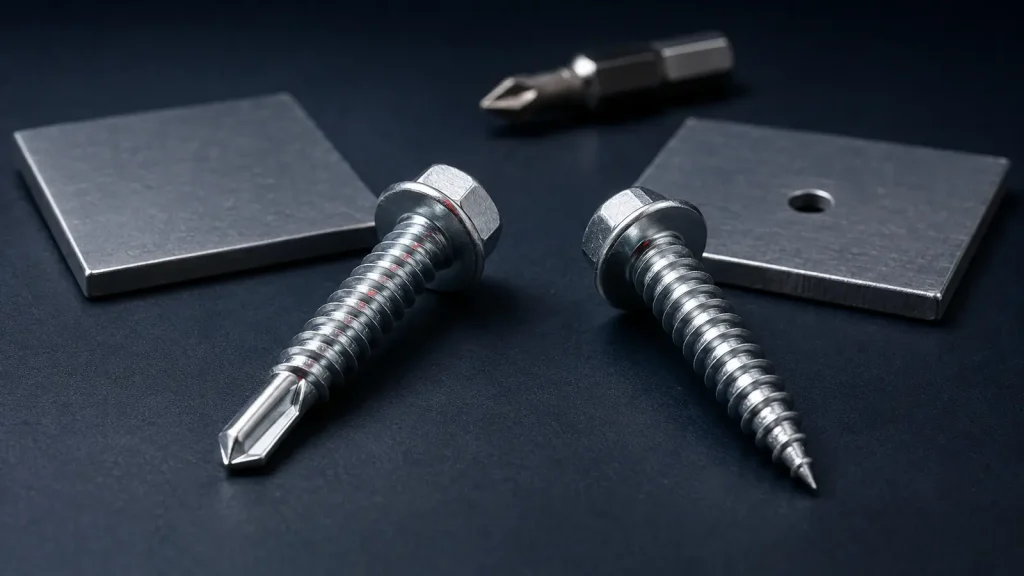
Screws and bolts are chosen by joint design, not by name alone. A roof sheet, a pipe support, a machine frame and a timber bracket all need different thread forms, heads, drives, materials and corrosion protection.

The main decision is how the fastener will create and hold clamping force in the actual materials being joined. That means checking the base material, hole condition, load direction, access for tools, exposure environment and whether the joint may need removal later.

Related Products

Hex nut (Chinese national standard GB52-1976)

Hex nut (Chinese national standard GB52-1976)

Brand: Wotu Surface: 304 stainless steel Specifications: in stock M6~M24 full standard metric specifications, supports nonstandard pitch, thickening/customized Matching: Can be matched with bolts of corresponding specifications, flat washer, spring washer complete set of supporting shipment Packaging: 25kg cartons, whole wooden pallets

Read More
Hex flange nut (Chinese national standard GB/T6177.1-2000)

Hex flange nut (Chinese national standard GB/T6177.1-2000)

Brand: Wotu Surface: zinc plated Specifications: in stockM6/M8/M10/M12/M14/M16/M20 Chinese national standardfull range of specifications, support nonstandard thickness, tooth pitch customized Matching: can be matched with bolts of the same specification, flat washer, spring washer complete set of shipment Packaging: 25kg cartons, whole wooden pallets

Read More
7-letter, 9-letter L-shaped anchor bolt (Chinese national standard GB/T799-1988 embedded anchor screw)

7-letter, 9-letter L-shaped anchor bolt (Chinese national standard GB/T799-1988 embedded anchor screw)

Brand: Wotu Surface: Natural black oxide treatment, customized hot-dip galvanized, zinc plated as required Specifications: Follow Chinese national standard GB/T799-1988, in stock M12-M48, total length 120mm~1500mm, nonstandard customized diameter, bending length, total screw length available Matching: Nuts, flat washers and spring washers of the same specification can be supplied in complete sets. Packaging: Bundling and packaging, using wooden pallets and film-wrapped export packaging in large quantities

Read More
Hot-Dip Galvanized Chinese National Standard Flat Washer (GB/T97.1A Level Flat Washer)

Hot-Dip Galvanized Chinese National Standard Flat Washer (GB/T97.1A Level Flat Washer)

Brand: Wotu Surface: overall hot-dip zinc plated anti-corrosion treatment, optional blue-white zinc plated, color zinc plated, black oxide Specifications: Execute GB/T97.1-2002 Chinese national standard, in stock M6-M64 full range of specifications, inner diameter, outer diameter, thickness strictly comply with Chinese national standard parameters, support nonstandard size customized Packaging: 25kg woven bag / export carton packaging, full pallets wrapped with film, supports private-label customization

Read More
Grade 8/Grade 10 High-strength Black Oxide Hex Nut (DIN934/GB Chinese National Standard Thickened Nut)

Grade 8/Grade 10 High-strength Black Oxide Hex Nut (DIN934/GB Chinese National Standard Thickened Nut)

Brand: Wotu Surface: quenching and tempering heat treatment + high temperature black oxide anti-rust treatment Specifications: Comply with DIN934, GB/T6170 standards, in stock M6-M48 full range of specifications, nonstandard sizes can be customized Packaging: 25kg carton/woven bag inner packaging, whole wooden pallet wrapped with film for export packaging, supports neutral/private-label customization packaging

Read More
Hot-Dip Galvanized Hex Head Bolt (DIN931 Half Thread / DIN933 Full Thread / GB30 Chinese National Standard Bolt, Can Be Equipped With Nut And Washer Set)

Hot-Dip Galvanized Hex Head Bolt (DIN931 Half Thread / DIN933 Full Thread / GB30 Chinese National Standard Bolt, Can Be Equipped With Nut And Washer Set)

Brand: Wotu Surface: overall hot-dip zinc plating treatment Specifications: Comply with DIN and GB standards, in stock M6-M48 full range of specifications, length 20mm-300mm, supports nonstandard customized. Packaging: woven bag inside / 25kg export carton, film-wrapped wooden pallet; supports neutral packaging and customer private-label customization.

Read More

Screw and Bolt Details That Affect Joint Performance

Fastener selection points

Compare screws and bolts by thread standard, head style, drive type, material, finish, point type, nut or washer requirement, and the way the fastener will be installed. The right choice usually comes from the joint drawing and operating conditions rather than from a single size description.

Criterion What To Check Why It Matters Buyer Tip
Thread type and mating material Confirm whether the fastener must cut its own thread, drill its own hole, or engage a pre-tapped nut or insert. Self-tapping screws, self-drilling screws, machine screws, and bolts behave differently in sheet metal, wood, plastic, and structural assemblies. The wrong thread can strip the material or fail to clamp properly. Ask: What material and thickness will the screw or bolt fasten into, and is there already a prepared hole or thread?
Pilot hole, drill point, and thread engagement For self-tapping or self-drilling screws, define the hole condition, required engagement length, and whether the point must drill through the top and bottom layers. Too small a pilot hole can split or distort material; too large a hole reduces thread grip. Insufficient engagement often causes loosening or pull-out. Ask: Can you provide the substrate thickness, stack-up, and any pilot hole diameter already used in production?
Head style and drive type Compare hex head, pan head, countersunk head, flange head, and drive options against tool access and surface requirements. The head controls bearing area, appearance, installation speed, and whether the fastener sits proud or flush. Drive choice affects cam-out risk and tool compatibility. Ask: Does the assembly need a flush finish, a wide bearing surface, or access for a socket or power driver?
Load direction and loosening risk Identify whether the fastener mainly sees clamp load, shear, vibration, pipe movement, or repeated service removal. Bolts in clamped joints and screws in thin material fail in different ways. Vibration, thermal cycling, and pipe supports may need attention to washers, nuts, thread fit, or locking features. Ask: Will the joint be exposed to vibration, movement, or regular maintenance removal?
Material and surface finish compatibility Match base material and coating to the environment, contact materials, and expected corrosion exposure. Finish choice affects corrosion resistance, appearance, friction during tightening, and compatibility with nearby metals or treated timber. Ask: Will the fasteners be used indoors, outdoors, in a wet area, or against dissimilar metals?

Choosing Fasteners for the Material, Hole and Service Conditions

The practical difference between screws and bolts is how the thread works in the joint. A screw usually forms or engages directly in the receiving material or a pre-formed thread, while a bolt normally passes through aligned holes and clamps parts together with a nut or threaded component. That distinction affects hole preparation, installation speed, serviceability and resistance to loosening.

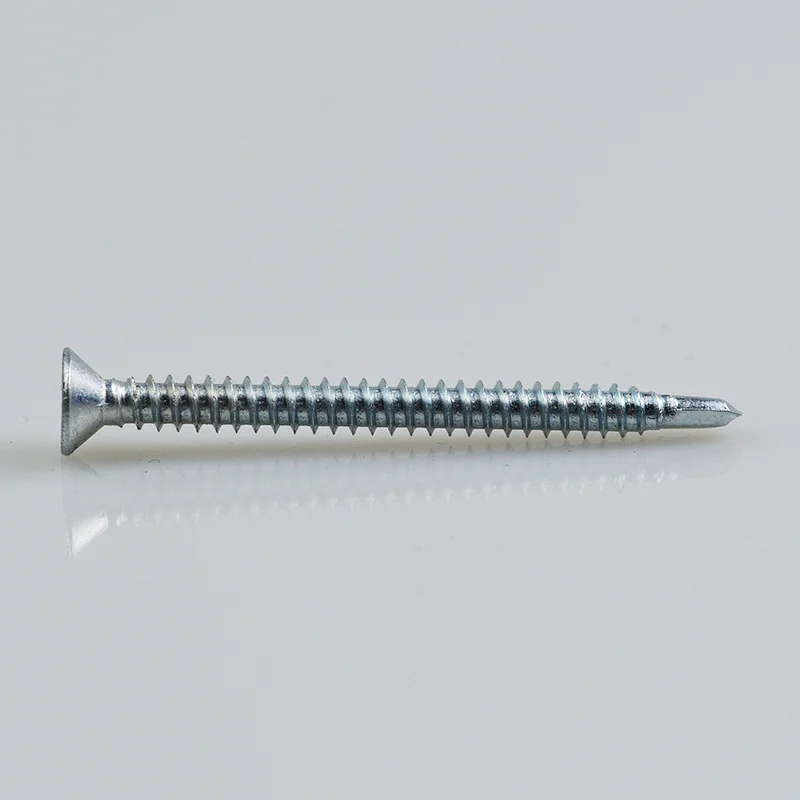
For example, a self-drilling screw can reduce drilling steps in sheet metal, but it still needs the correct drilling point, thread length and head style for the sheet thickness and washer contact. A bolt in a pipe support or bracket may be easier to inspect and retighten, but the joint depends on proper hole alignment, bearing area and vibration control.

Start with the joint materials. Thin sheet metal, structural steel, aluminum, timber, plastic and masonry do not accept the same thread design. For sheet-to-steel work, confirm whether a self-drilling screw, self-tapping screw or through-bolt is more suitable. For a tapped hole or nut assembly, match the thread standard and strength requirement before choosing the head style.

Check the installation method before finalizing the fastener. Limited tool access may push the choice toward a hex head, socket head or flange head. If workers install large quantities, drive stability matters because cam-out, stripped heads and damaged coatings create hidden cost. For self-tapping screws, pilot hole size and thread engagement are common failure points; too small a hole can split or distort material, while too large a hole can reduce holding power.

Think about the service environment. Outdoor exposure, moisture, chemicals and mixed metals can affect coating choice and long-term corrosion behavior. In vibrating applications such as pipe supports, loosening can come from insufficient clamp load, soft contact surfaces, oversized holes or missing locking features. Do not treat a longer fastener as an automatic upgrade; excess length can interfere with other parts and may not improve the joint if thread engagement or clamping area is wrong.

A useful next step is to send the drawing or describe the assembly: materials being joined, hole type, required head or drive, approximate size range, surface finish, and the load or exposure conditions. Hebei Wotu Fastener Manufacturing Co., Ltd. can then respond more accurately to the fastener type and details that need confirmation.

Criteria Importance Description Example Options
Installation method Important when labor time, tool access or drilling steps affect the project. Choose between a fastener that forms or engages its thread in the receiving material and one that passes through aligned holes to clamp with a nut or threaded component. A self-drilling screw may suit accessible sheet-metal work, while a bolt may suit a bracket that can be reached from both sides.
Joint materials and hole condition Critical because the same thread and point design will not suit every base material. Check whether the assembly uses sheet metal, structural steel, aluminum, timber, plastic, masonry, a pre-tapped hole or a clearance hole. Pilot-hole size, thread engagement and bearing area can change the result. A self-tapping screw may require a defined pilot hole in one material, while a bolt may require an aligned clearance hole and a suitable nut.
Serviceability and disassembly Important for equipment, supports and assemblies that require inspection, replacement or retightening. Screws can simplify one-sided installation, while bolts can provide visible nut access and a familiar route for checking the joint. Neither option removes the need to control loosening or protect the threads. A machine guard that is removed regularly may favor a readily accessible head or nut arrangement over a permanent-looking fastening method.
Environment and corrosion exposure Critical where moisture, chemicals, outdoor exposure or mixed metals may affect service life. Match the fastener material and finish with the joined materials and operating environment. Consider washers, contact surfaces and whether dissimilar metals need isolation. An outdoor assembly may require a different finish and washer arrangement from a dry indoor fixture, even when the nominal size is the same.
Load, clamp and vibration requirements Critical for supports, machinery and joints where movement or loosening could affect operation. Evaluate the load direction, required clamping behavior, joint stiffness, hole fit and any locking feature. A longer fastener is not automatically a stronger or safer choice. A vibrating pipe support may need a carefully specified bolted or screwed joint with suitable locking control rather than simply substituting a larger fastener.

Blog Articles / Reviews

Why Do U Bolts Loosen in Pipe Supports? 6 Causes and Prevention Methods

Why Do U Bolts Loosen in Pipe Supports? 6 Causes and Prevention Methods

U bolts usually loosen in pipe supports because the connection loses clamping force, receives continuous vibration, restricts thermal pipe movement, uses an incorrectly sized U bolt, experiences surface settlement, or suffers from corrosion and inadequate inspection. This issue affects EPC contractors, pipe installers, industrial maintenance teams, equipment manufacturers and fastener distributors working with water, oil […]

What Is the Difference Between Self Drilling and Self Tapping Screws?

What Is the Difference Between Self Drilling and Self Tapping Screws?

Direct Answer: A self-drilling screw has a drill-shaped point that creates a hole and then forms mating threads in a suitable material. A self-tapping screw forms or cuts mating threads but may require a correctly sized pilot hole. Selection depends on substrate type and thickness, joint stack, point geometry, installation tool, finish and application testing—not […]

National Standards for Self-Drilling Screws – Fasteners

National Standards for Self-Drilling Screws – Fasteners

When using fasteners, are you familiar with the standards governing them? Today, Hebei Wotu Fastener Manufacturing Co., Ltd. will discuss the national standards for fasteners with you. Let’s take a look. 1. Standards for Fastener Product Dimensions: These specifically define the basic dimensions of the product; for threaded products, this also includes the basic dimensions […]

The Concept of Hexagonal Self-Drilling Screws and High-Pressure Standard Parts

The Concept of Hexagonal Self-Drilling Screws and High-Pressure Standard Parts

Hexagonal self-drilling screws, manufactured by Hebei Wotu Fastener Manufacturing Co., Ltd., operate under a modern enterprise system and strictly manage according to the ISO9001:2015 quality system. The company uses “Wotu” as its registered trademark. The term “standard parts” in China is a shorthand for “standard fasteners,” a narrow definition. High- and medium-pressure standard parts refer […]

Frequently Asked Questions

When should I use a self-drilling screw instead of a self-tapping screw?

A self-drilling screw can make its own starting hole in suitable sheet or light-gauge metal, which may reduce a separate drilling step. A self-tapping screw normally needs a correctly sized pilot hole or an existing opening, so compare the material thickness, hole access, thread engagement and required installation process before choosing.

Are bolts always stronger than screws?

No. Joint strength depends on the fastener material, diameter, thread engagement, clamping force, hole condition and the materials being joined. A properly selected screw can suit a sheet-metal or timber joint, while a bolt with a nut or threaded component may be preferable where through-clamping, inspection or repeated disassembly matters.

What is usually better for a joint exposed to vibration?

A through-bolted joint can offer useful access for inspection and retightening, but it still needs suitable clamp load, aligned holes and a method of controlling loosening. Screws may be practical where access or installation speed is more important; the choice should account for contact surfaces, vibration level, locking features and whether maintenance access is available.

Can one fastener type be used for steel-to-aluminum assemblies?

Not automatically. The fastener, coating, washer arrangement and joint design should suit both materials and the service environment, since dissimilar metals and moisture can create corrosion concerns. Confirm the material combination, exposure, electrical isolation needs and required clamping method before approving the specification.

What information should I send when requesting a quotation?

Provide the materials being joined, fastener type if known, diameter and length range, thread standard, head and drive style, finish, washer or nut requirements, estimated quantity and application conditions. A drawing or clear assembly description is especially useful when the joint involves vibration, outdoor exposure, a tapped hole or limited tool access.

Leave Your Message

Share the materials being joined, the hole or thread condition, and the required head, drive or finish. If available, include a drawing, size range and whether the joint faces vibration, outdoor exposure or later disassembly.