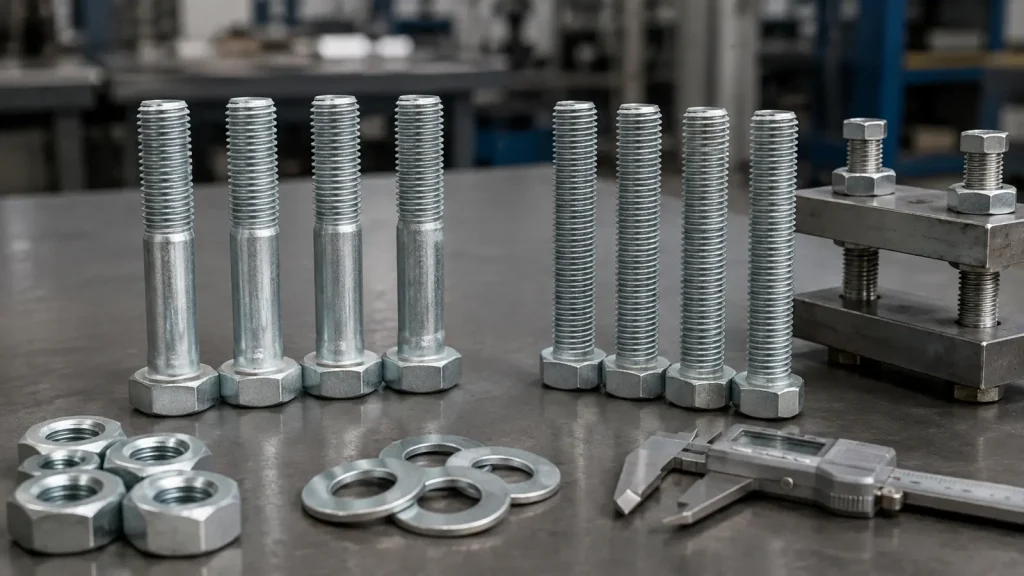
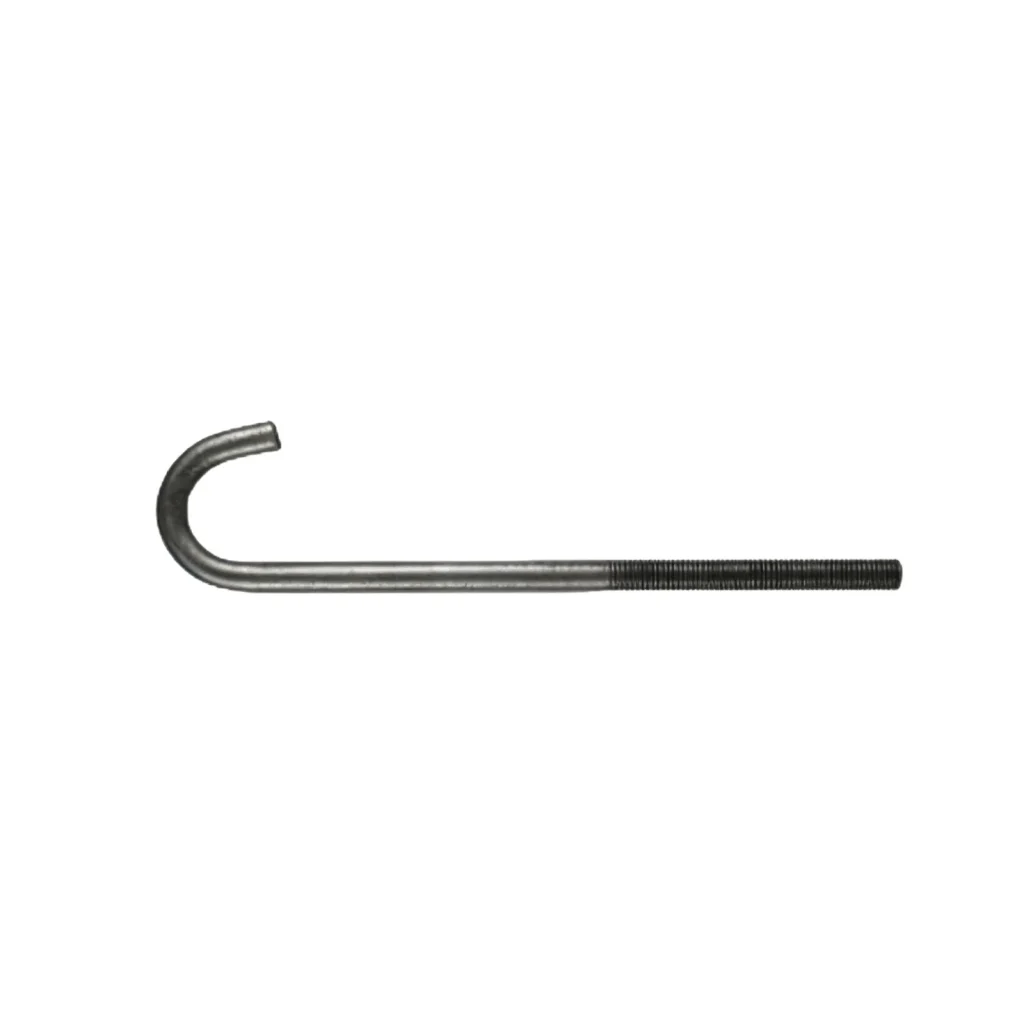
The practical distinction is between a bolt selected from an approved aerospace specification and a visually similar commercial bolt. Aircraft applications can depend on controlled dimensions, material condition, corrosion resistance, thread form, locking arrangement and traceability. A bolt that fits the hole may still be unsuitable for the joint.
For replacement orders, the existing part number, aircraft maintenance document or engineering drawing usually provides a safer starting point than measuring a sample alone. Ask the supplier to confirm the complete specification and the inspection or material documents available with the shipment.
Start with the application and governing document. Identify whether the bolt is used in a primary or secondary structure, landing-gear area, engine environment, control system or cabin assembly. Provide the approved part number, drawing revision or applicable aerospace standard where available. If the requirement is only described as “aircraft bolts,” request clarification before comparing quotations.
Match the complete configuration. Check head style, shank length, grip length, thread type, thread length, material, heat treatment, surface finish and locking method. Do not substitute a fully threaded bolt for a partial-thread design, or a plated steel bolt for a corrosion-resistant material, simply because the nominal size is the same.
Separate performance from paperwork. Ask what certificates, inspection records, material traceability and conformity documents can accompany the exact part. For aviation work, documentation may be as important as the physical fastener. Confirm that markings, packaging and lot identification will remain linked to the supplied parts.
Avoid sample-based assumptions. A used bolt may have damaged threads, altered surface condition or an unclear history, and a photograph cannot establish the required grade or standard. For the next step, send the part number or drawing reference, intended aircraft application and required quantity, then ask which specification and supporting documents the supplier can confirm.