SDS and SDS Plus: Product Selection | Hebei Wotu Fastener Manufacturing Co., Ltd.

SDS and SDS Plus Product Selection

If your inquiry says “SDS and SDS Plus,” first confirm what the drawing or purchase request means. In fastener buying, SDS often means self-drilling screws: screws with a drill point that cuts its own hole before the threads engage. SDS Plus, however, is also a common rotary hammer drill shank system, not a screw type.

That distinction matters because a self-drilling screw order depends on material thickness, drill point style, thread form, head type and coating. A drill bit or tool-accessory inquiry depends on shank fit, bit diameter and drilling substrate.

Related Products

7-letter, 9-letter L-shaped anchor bolt (Chinese national standard GB/T799-1988 embedded anchor screw)

7-letter, 9-letter L-shaped anchor bolt (Chinese national standard GB/T799-1988 embedded anchor screw)

Brand: Wotu Surface: Natural black oxide treatment, customized hot-dip galvanized, zinc plated as required Specifications: Follow Chinese national standard GB/T799-1988, in stock M12-M48, total length 120mm~1500mm, nonstandard customized diameter, bending length, total screw length available Matching: Nuts, flat washers and spring washers of the same specification can be supplied in complete sets. Packaging: Bundling and packaging, using wooden pallets and film-wrapped export packaging in large quantities

Read More
Chinese National Standard / German Standard Hex Nut (thick Nuts, Thin Nuts, Flange Nuts, Multiple Categories)

Chinese National Standard / German Standard Hex Nut (thick Nuts, Thin Nuts, Flange Nuts, Multiple Categories)

Brand: Wotu Surface: color zinc plated, blue-white zinc plated, black oxide, hot-dip galvanized, various surface treatments available Specifications: Comply with DIN934, GB/T6170, GB/T6172.1, GB/T6177.1 standards, in stock M6-M64 full range of specifications, support nonstandard customized Packaging: woven bag inside/25kg export carton, full-container wooden pallet wrapped with film, supports private-label, neutral export packaging

Read More
Chinese-standard Color Nylon Head Hex Self-Drilling Screw

Chinese-standard Color Nylon Head Hex Self-Drilling Screw

Brand: Hengzuan Surface: screw color zinc plated, head color nylon protective cap, multiple colors available Specifications: Chinese national standard ST5.5, ST6.3 mainstream caliber, rod length 25mm~125mm full range of specifications in stock, supports nonstandard length customization, suitable for drilling steel sheet thickness 2~6mm Packaging: 25kg cartons, full pallets packed on wooden pallets, support neutral packaging, private-label customization

Read More
Grade 8/Grade 10 High-strength Black Oxide Hex Nut (DIN934/GB Chinese National Standard Thickened Nut)

Grade 8/Grade 10 High-strength Black Oxide Hex Nut (DIN934/GB Chinese National Standard Thickened Nut)

Brand: Wotu Surface: quenching and tempering heat treatment + high temperature black oxide anti-rust treatment Specifications: Comply with DIN934, GB/T6170 standards, in stock M6-M48 full range of specifications, nonstandard sizes can be customized Packaging: 25kg carton/woven bag inner packaging, whole wooden pallet wrapped with film for export packaging, supports neutral/private-label customization packaging

Read More

Selecting the Right Self-Drilling Screw or SDS Plus-Related Item

Selection criteria

Useful selection criteria for self-drilling screws include point type, thread form, head style, washer requirement, screw length, base material, coating and installation method. For SDS Plus tool accessories, the key checks are shank compatibility, drilling material and required hole size, so the two inquiries should be kept separate.

Criterion What To Check Why It Matters Buyer Tip
Tool chuck compatibility Confirm whether the rotary hammer accepts SDS, SDS Plus, SDS Max, or another shank system before ordering bits or accessories. SDS Plus bits will not fit every SDS-style tool. A wrong shank choice can stop installation work even if the bit diameter is correct. What exact chuck type and tool model will the installer use on site?
Drilling task and base material Match the bit type to concrete, brick, block, or stone, and confirm whether the work is drilling only or hammer drilling. SDS Plus is commonly used for light to medium masonry drilling, while heavier systems are chosen for larger holes or tougher demolition work. What material is being drilled, and is the hole for an anchor, screw, sleeve, or through-fixing?
Hole diameter and usable drilling depth Compare the required anchor or fastener hole diameter with the bit’s cutting diameter and working length, not just its total length. Anchors and masonry screws depend on accurate hole size and depth. A bit that is too short or oversized can reduce holding performance. What finished hole diameter and minimum drilling depth does the selected fastener require?
Bit tip and flute design Ask whether the bit has a carbide tip suitable for hammer drilling and flutes that clear dust effectively for the planned hole depth. Poor dust removal slows drilling, increases heat, and can leave debris in the hole, which affects anchor seating and installation torque. Will the holes be shallow repetitive holes, deeper anchor holes, or overhead drilling where dust control matters?
Fastener installation method Verify whether the fastener needs a drilled pilot hole, a cleaned hole, or direct installation after drilling. SDS and SDS Plus bits prepare the hole, but the fastener type decides the correct hole tolerance, cleaning step, and insertion method. Which fastener will be installed after drilling, and does its specification require brushing, blowing, or a specific pilot hole size?

Key Checks Before You Quote SDS or SDS Plus

The practical difference is application language. “SDS” in a fastener schedule usually points to self-drilling screws for fastening sheet metal, roofing panels, brackets or light-gauge steel. “SDS Plus” usually points to a hammer drill accessory used in masonry or concrete drilling. Mixing the two terms can lead to the wrong product category before size or material is even discussed.

For a fastener inquiry, describe the screw by its function instead of relying only on the abbreviation: self-drilling screw, head style, diameter, length, drilling material and required finish. If the request is for SDS Plus, confirm whether the buyer needs drill bits or a fastener used after drilling, such as an anchor, screw or bolt assembly.

Start with the substrate. A self-drilling screw for thin sheet metal is not selected the same way as one used through overlapping steel, timber-to-metal, or exterior cladding. The drill point must suit the total material stack, while the thread must hold in the base material after drilling. If the point drills cleanly but the thread strips, the joint will still fail.

Separate drilling performance from fastening performance. The drill point controls entry and chip removal; the thread controls pull-out resistance and clamping; the head and washer control bearing area and sealing. A common mistake is choosing only by length, then discovering that the head style, washer material or coating does not suit the assembly.

Choose the finish around exposure and mating materials. Indoor dry service, exterior weather, treated timber, painted sheet and dissimilar metals can call for different coatings or washer choices. Do not assume one zinc or plated finish fits every environment; ask which surface treatment is suitable for the operating conditions and expected service life.

For a clear inquiry to Hebei Wotu Fastener Manufacturing Co., Ltd., send the screw type you need, the materials being joined, the thickness stack, preferred head style, length and diameter if known, finish requirement and packing preference. If your document says “SDS Plus,” add a note confirming whether you mean self-drilling screws or SDS Plus drill bits.


Criteria Importance Description Example Options
Product category Critical at the start of the inquiry SDS may refer to self-drilling screws, while SDS Plus usually refers to a hammer drill shank system. The wrong interpretation sends the inquiry into a different product category. A roof panel fastener request needs screw details; a masonry hole request may need SDS Plus drill bit details.
Substrate and thickness stack High for fastening performance The drill point and thread must suit the full material stack, not only the top sheet. Poor matching can cause slow drilling, stripped threads or weak clamping. Fastening thin sheet to light-gauge steel is a different selection problem from fixing a bracket through multiple layers.
Head, washer and sealing requirement Important for the installed joint The head style affects bearing area, tool drive and appearance. Washers may be needed where sealing or load distribution matters. Exterior cladding may need a washered head, while an internal bracket may prioritize compact head clearance.
Finish and exposure Important for service environment Coating choice should match moisture, outdoor exposure, mating materials and expected service conditions. A general plated finish may not suit every environment. An indoor dry assembly may have different finish needs from an exposed roof or treated timber connection.
Self-drilling versus pre-drilled fastening Useful when comparing installation methods Self-drilling screws reduce preparation steps when suitable, while pre-drilling can provide more control over hole size and alignment in some assemblies. Repetitive sheet metal fixing may favor self-drilling screws; a precision bracket may justify drilling the hole first.

Blog Articles / Reviews

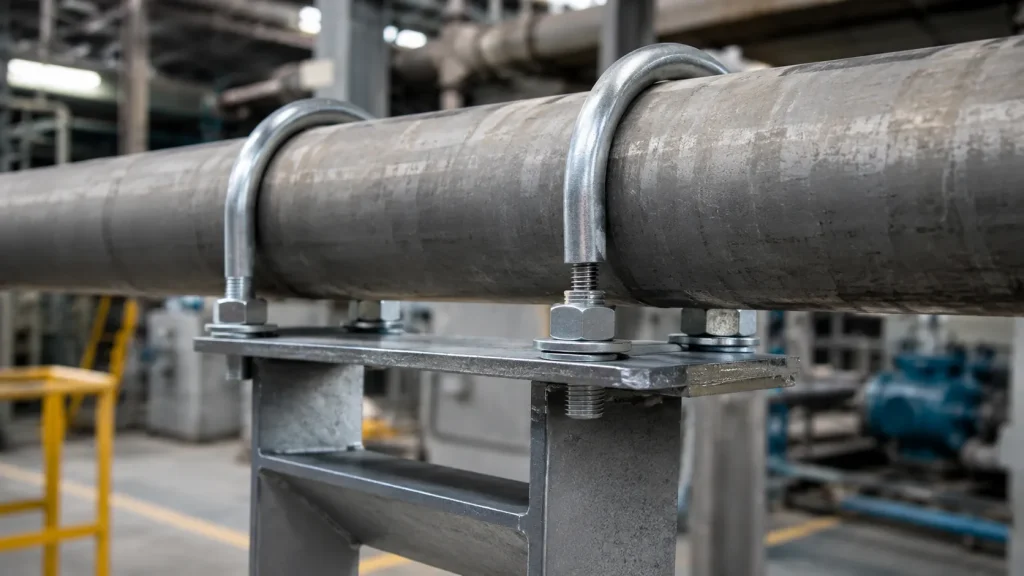
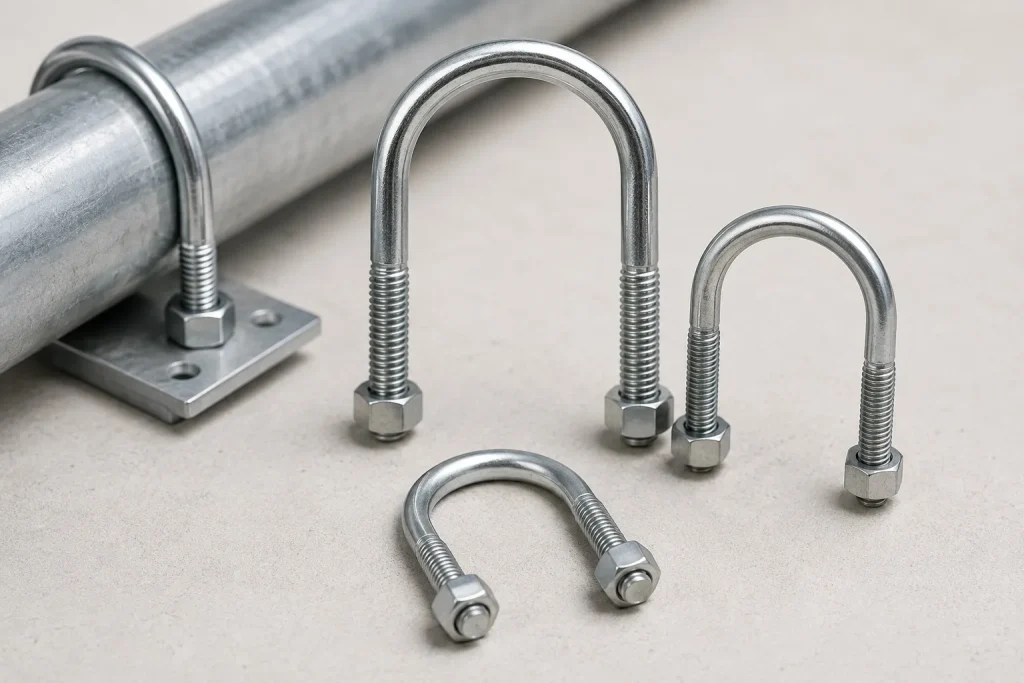
Why Do U Bolts Loosen in Pipe Supports? 6 Causes and Prevention Methods

Why Do U Bolts Loosen in Pipe Supports? 6 Causes and Prevention Methods

U bolts usually loosen in pipe supports because the connection loses clamping force, receives continuous vibration, restricts thermal pipe movement, uses an incorrectly sized U bolt, experiences surface settlement, or suffers from corrosion and inadequate inspection. This issue affects EPC contractors, pipe installers, industrial maintenance teams, equipment manufacturers and fastener distributors working with water, oil […]

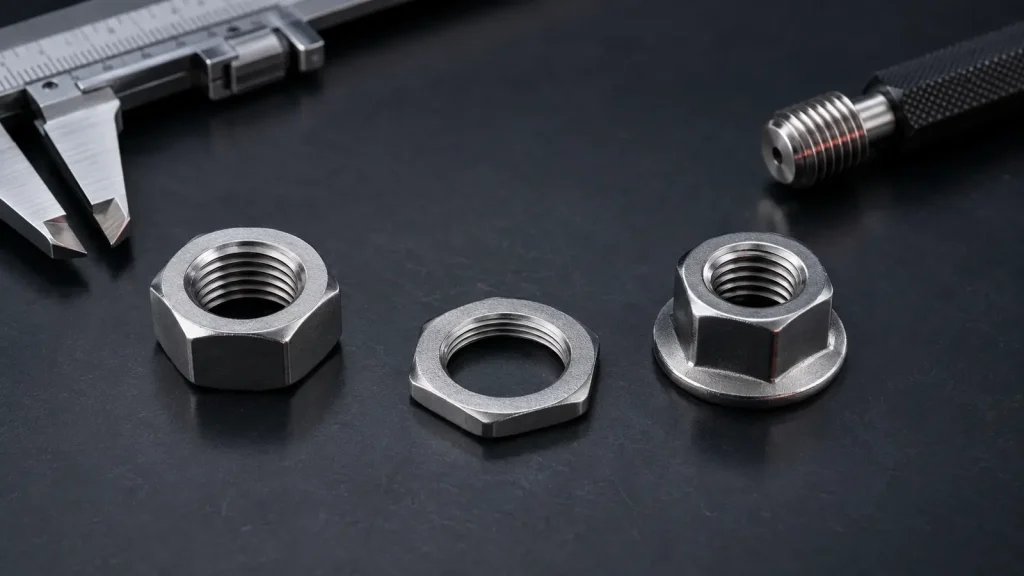
Hex Thin Nut vs Standard Hex Nut: Which Fits Space-Limited or Locking Assemblies?

Hex Thin Nut vs Standard Hex Nut: Which Fits Space-Limited or Locking Assemblies?

Direct Answer: Choose a hex thin nut when reduced nut height is genuinely required by the assembly or when the engineering design specifies it as part of a locking arrangement. Choose a standard hex nut when full nut height, normal thread engagement, and the specified load-bearing function are required. Buyers should compare nut height, thread […]

How Should Buyers Select Chinese and German Standard Hex Nuts?

How Should Buyers Select Chinese and German Standard Hex Nuts?

Direct Answer: Select a hex nut by the exact standard number and edition, thread diameter and pitch, nut style, property class, material, finish, mating bolt and acceptance method. “Chinese standard” or “German standard” alone is not a complete specification. Regular, thick, thin and flange nuts can differ in geometry and load behavior, so buyers should […]

What Is the Difference Between Self Drilling and Self Tapping Screws?

What Is the Difference Between Self Drilling and Self Tapping Screws?

Direct Answer: A self-drilling screw has a drill-shaped point that creates a hole and then forms mating threads in a suitable material. A self-tapping screw forms or cuts mating threads but may require a correctly sized pilot hole. Selection depends on substrate type and thickness, joint stack, point geometry, installation tool, finish and application testing—not […]

National Standards for Self-Drilling Screws – Fasteners

National Standards for Self-Drilling Screws – Fasteners

When using fasteners, are you familiar with the standards governing them? Today, Hebei Wotu Fastener Manufacturing Co., Ltd. will discuss the national standards for fasteners with you. Let’s take a look. 1. Standards for Fastener Product Dimensions: These specifically define the basic dimensions of the product; for threaded products, this also includes the basic dimensions […]

Frequently Asked Questions

Does SDS mean self-drilling screw or SDS Plus drill bit?

It depends on the context of the request. In fastener schedules, SDS often refers to self-drilling screws; in power-tool and masonry drilling contexts, SDS Plus refers to a rotary hammer shank system. Confirm the product category before discussing size, coating or packing.

Can a self-drilling screw replace a drilled hole and separate screw?

Often it can in sheet metal and light-gauge steel applications, because the drill point forms the hole as the screw is installed. It is not automatically suitable for every material stack; thick steel, hard materials, brittle substrates or applications needing controlled hole quality may still require pre-drilling or another fastening method.

What is the main trade-off between self-drilling and self-tapping screws?

A self-drilling screw combines drilling and fastening in one operation, which can reduce installation steps when the point suits the material. A self-tapping screw forms or cuts threads but usually needs a pilot hole, which can give better control in some assemblies but adds preparation work.

Why is screw length alone not enough for a quote?

Length does not define the drill point, thread engagement, head bearing area, washer choice or surface finish. Two screws with the same length may perform very differently in roofing sheet, bracket fixing or metal-to-metal joints.

What information should be sent for a fastener inquiry?

Send the materials being joined, total thickness, screw diameter and length if known, head style, washer requirement, coating or finish, and the installation environment. If the drawing says SDS Plus, add a note confirming whether the request is for drill accessories or for screws used after drilling.

Leave Your Message

Please share whether SDS means self-drilling screws or SDS Plus drill accessories, the materials being drilled or fastened, and the required size, finish or head style if already specified.