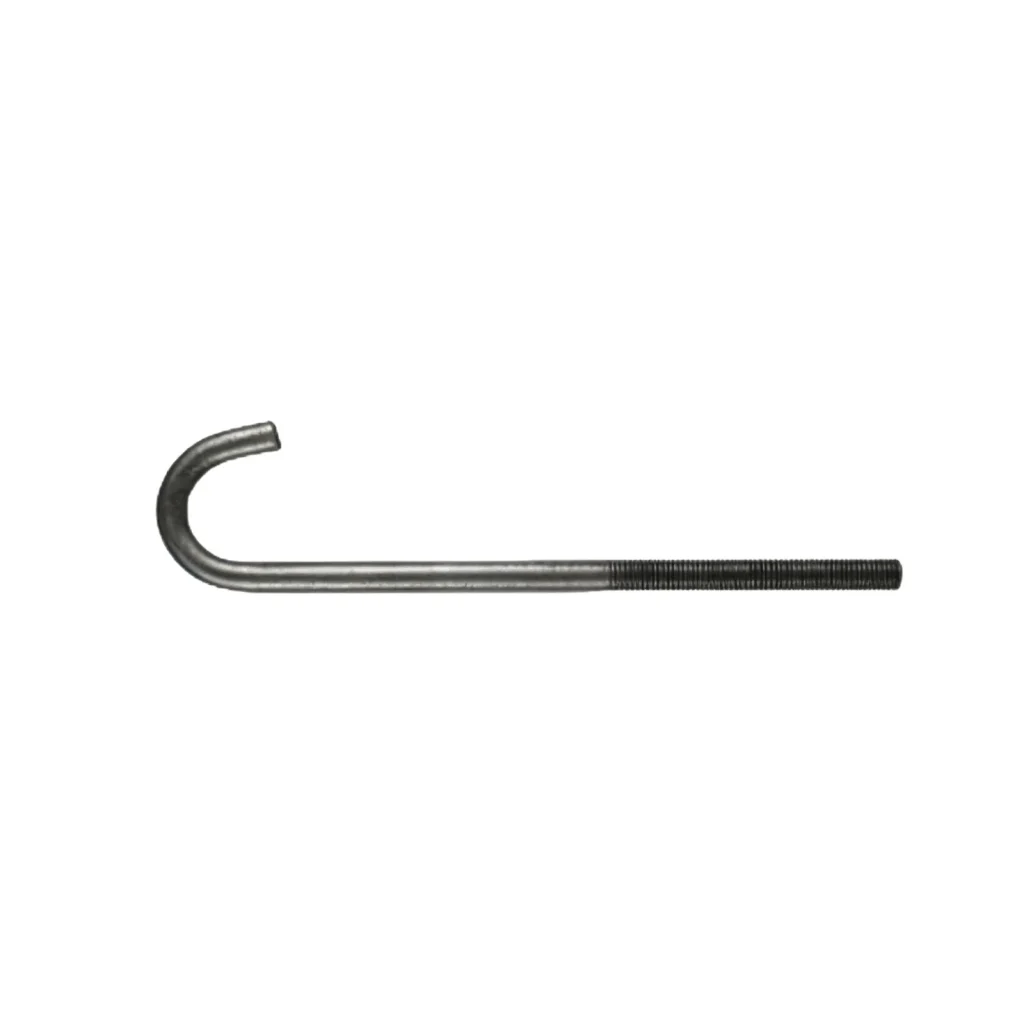
The first distinction is between cast-in-place anchor bolts and post-installed anchors. Cast-in-place bolts are set before the concrete cures and suit planned foundations, equipment bases, and structural embeds. Post-installed anchors are fitted into drilled holes after the concrete is in place, which makes them useful for retrofit work or layout changes.
Stainless steel improves corrosion resistance, but it does not replace correct anchor design. Buyers still need to confirm the concrete condition, hole preparation, load direction, thread engagement, washer and nut requirements, and the environment. A stainless anchor used with incompatible nuts, incorrect hole size, or insufficient embedment can still cause installation problems.
Start with the application. A light-duty bracket, a safety railing, a pump base, and a steel column base do not ask the anchor to do the same work. Confirm whether the bolt carries tension, shear, vibration, or a combination. If the anchor connects a base plate, share the plate thickness and hole diameter so the usable thread length and washer fit can be checked.
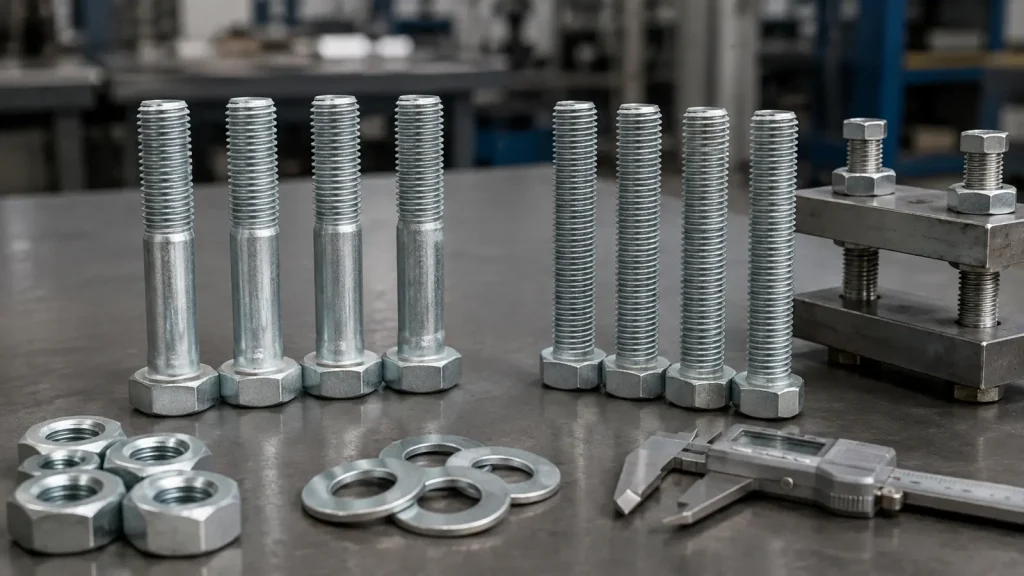
Match the stainless steel choice to the environment. Indoor dry locations may not need the same corrosion resistance as coastal, chemical, food-processing, or wet outdoor sites. Also confirm whether the whole assembly should be stainless, including nuts and washers, because mixed materials can create avoidable corrosion or maintenance issues.
Do not order from diameter and total length alone. Common mistakes include ignoring embedment depth, thread length, bend shape for cast-in anchors, projection above concrete, and compatibility with the installation method. For post-installed anchors, the drill hole diameter and cleaning procedure matter; for cast-in bolts, the template, position tolerance, and concrete pour sequence matter.
A practical next step is to send the anchor drawing or a simple schedule with bolt type, size, material grade if specified, thread standard, quantity, nut and washer needs, and the working environment. If the project engineer has defined a standard or drawing note, include it before requesting alternatives.