| Drive style and tool control |
Compare pin-in-hex, pin-in-Torx, one-way, spanner, clutch, or other security drives, and confirm the matching bit availability. |
The drive determines how difficult the screw is to remove and how practical it is for installers to fit during production or maintenance. |
Ask: Which tamper-resistant drive do you recommend for our access level, and can matching installation bits be supplied or specified? |
| Head type and exposed access |
Match the head style to the assembly: countersunk for flush surfaces, pan or button head for clamping, or low-profile heads where snagging is a concern. |
A poorly chosen head can leave an edge exposed, reduce clamp area, or make the screw easier to grip with pliers. |
Ask: Will the screw head sit flush or remain exposed in our part, and is that acceptable for both appearance and tamper resistance? |
| Material and corrosion environment |
State whether the screws will be used indoors, outdoors, near moisture, in treated timber, or against dissimilar metals. |
Tamper proof screws are often left visible and hard to replace, so rust, staining, or galvanic corrosion can become a maintenance problem. |
Ask: What material and surface finish suit our environment and mating material without creating corrosion issues? |
| Thread type and base material |
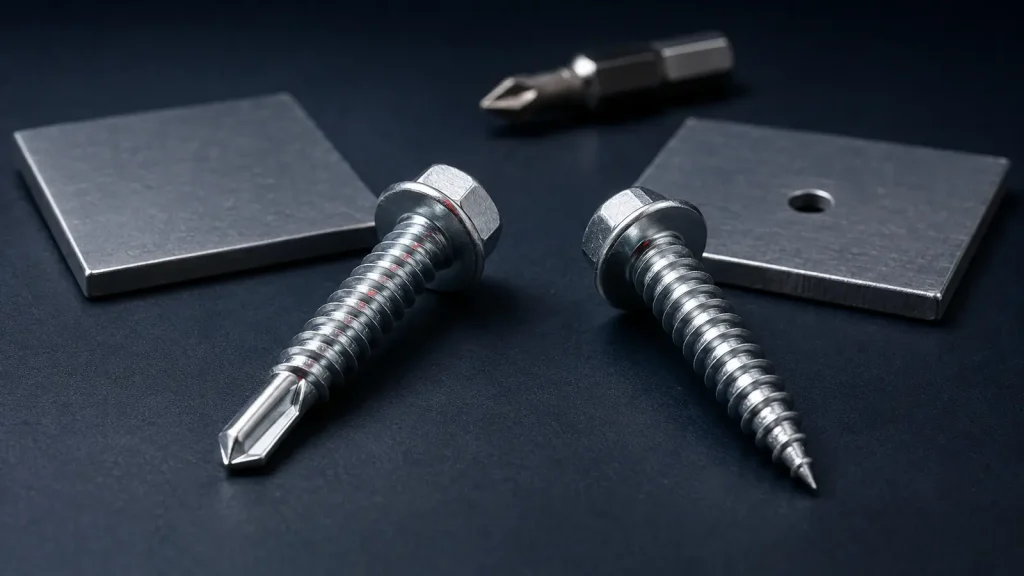
Confirm whether the screw goes into sheet metal, plastic, wood, masonry with an anchor, or a pre-tapped hole. |
Security drive features do not compensate for the wrong thread; poor engagement can strip the hole or loosen under vibration. |
Ask: What thread form, point style, pilot hole, or insert should be used for our substrate and thickness? |
| Removal and maintenance policy |
Decide whether authorized staff must remove the screw later, or whether the joint should be difficult to service without damage. |
Some tamper-resistant screws are designed for controlled removal, while one-way styles can complicate repair or inspection. |
Ask: Do we need a removable security screw, or is a permanent or semi-permanent fixing acceptable for this assembly? |