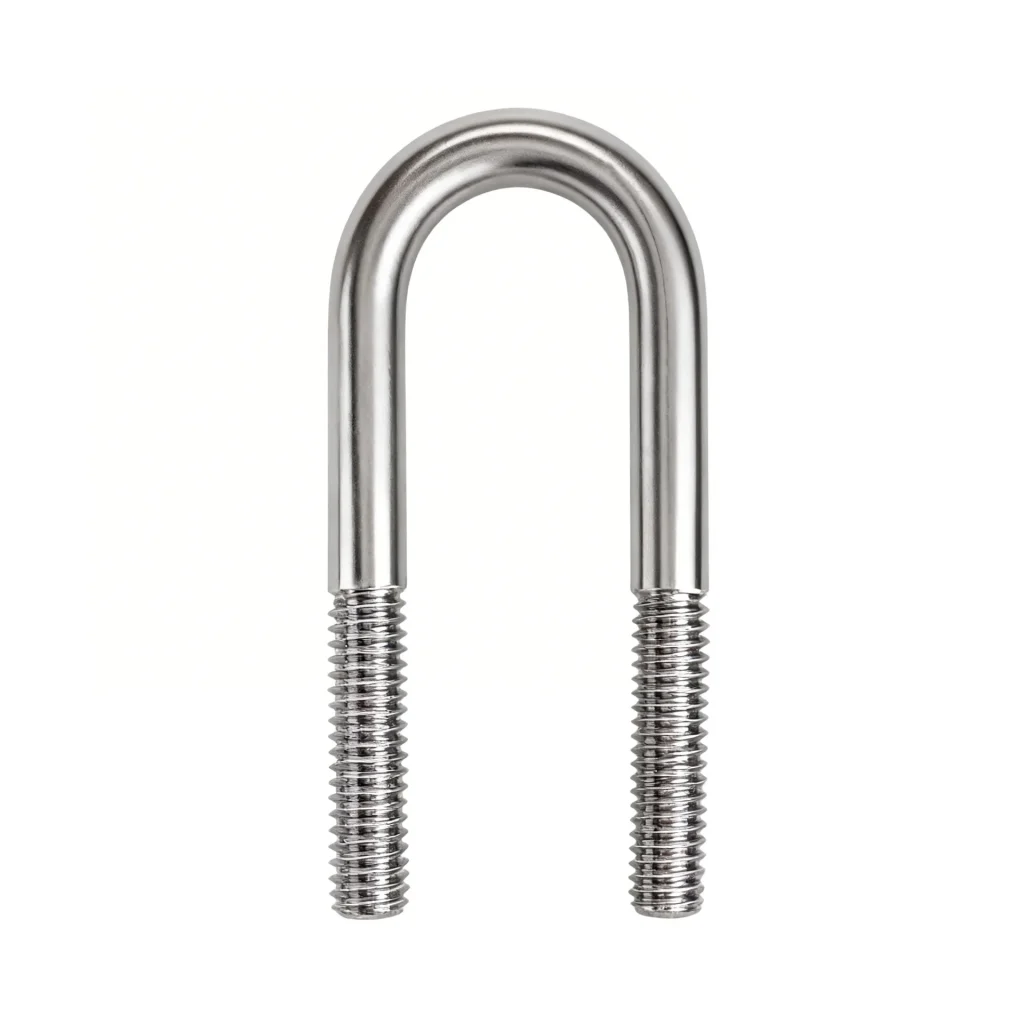
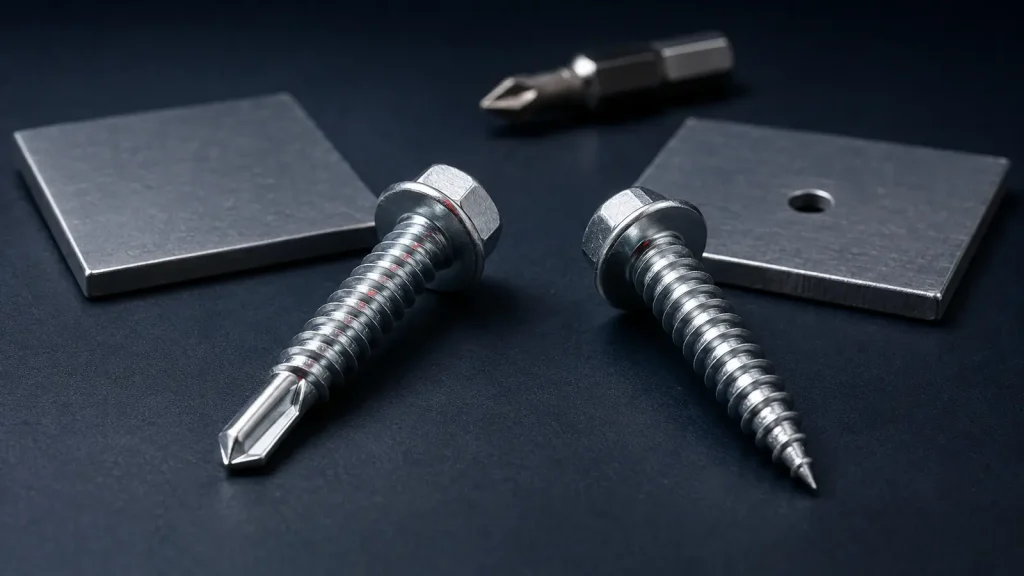
The most important distinction is between a standard threaded fastener and a custom or application-specific threaded part. Standard parts suit repeatable assemblies where the thread form, head style, length, material and finish are already defined. Application-specific parts matter when space, corrosion exposure, vibration, unusual grip length or mating material changes the risk of failure.
Thread fit also affects purchasing decisions. A thread that is too loose can reduce clamp control or allow movement; a thread that is too tight can slow assembly, damage mating parts or create rejection during inspection. Confirm the standard, tolerance class, surface finish and any coating thickness before placing an order.
Start with the assembly drawing or an existing sample. Identify the thread standard, diameter, pitch, length, head or drive style, and the mating material. If the part replaces an existing fastener, note whether the issue is breakage, corrosion, stripping, loosening or inconsistent installation.
Material and surface treatment should match the environment, not just the price target. Indoor dry assemblies, outdoor structures, machinery, chemical exposure and high-humidity locations can require different choices. Coatings can improve corrosion resistance, but they may also change thread fit, appearance and compatibility with the mating part.
A common mistake is specifying only “threaded” and a diameter. That leaves too many decisions open: coarse or fine pitch, right-hand or left-hand thread, full or partial thread, end shape, head style, grade or property class, and finish. These details affect interchangeability and inspection, so they should be confirmed before sampling or bulk purchase.
For the next step, provide a drawing, photo, sample reference or full description of the required threaded part. Include the application, mating part, required finish, packaging expectations and any inspection standard your team uses.