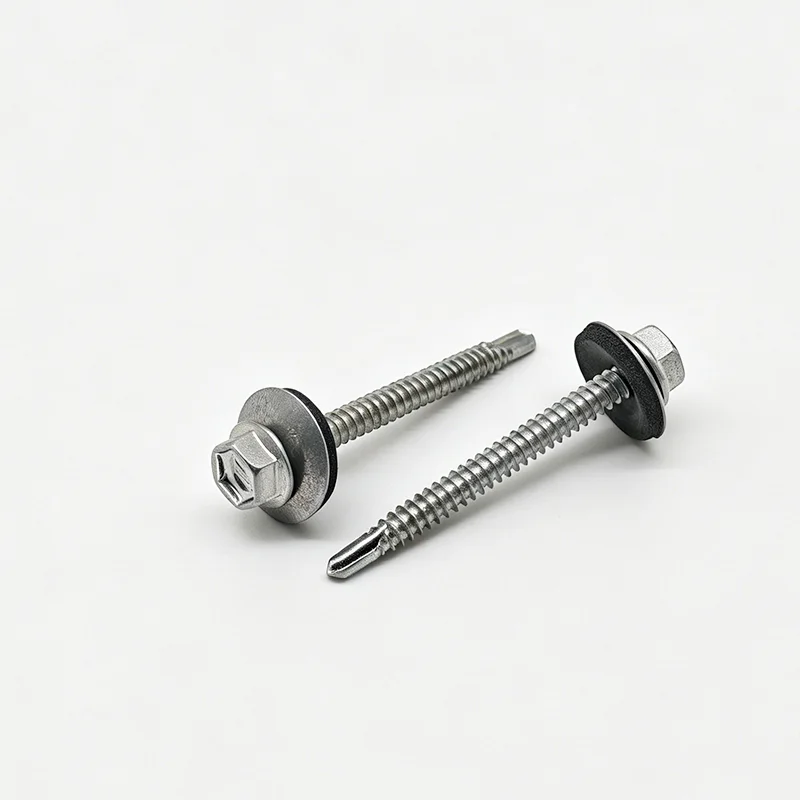
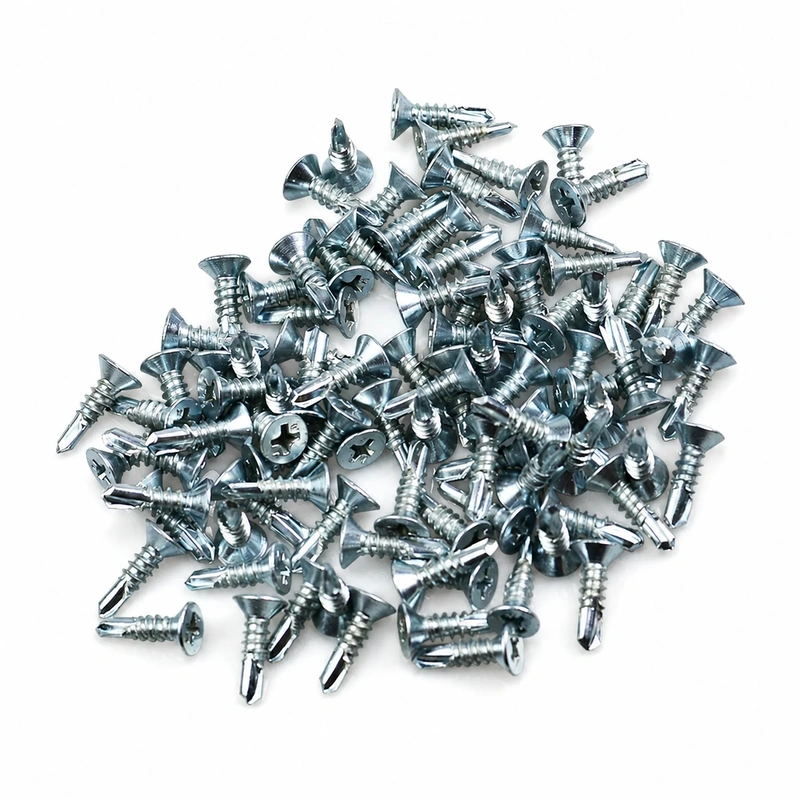
The most common practical distinction is between fully threaded studs and double-end studs. A fully threaded stud gives maximum thread engagement options along its length and is useful when the nut position may vary. A double-end stud has threaded sections at both ends and an unthreaded shank in the middle, which can improve alignment and seating in machinery, flanges, and assemblies where the center body should not engage the mating parts.
Weld studs, threaded rods, tap-end studs, and anchor studs serve different installation needs. A weld stud becomes part of a metal surface after welding, a threaded rod is often cut or used in longer assemblies, a tap-end stud screws into a tapped component before the nut is fitted, and an anchor stud is selected for fastening into masonry or concrete. Choosing the wrong type can make installation slow, reduce clamping reliability, or make later maintenance difficult.
Start with the joint design. If one side of the assembly is tapped, a tap-end or double-end stud may be appropriate. If both sides use nuts, a fully threaded stud or threaded rod may fit better. If the fastener must be permanently attached to a steel plate or bracket, ask whether a weld stud is the intended style rather than adapting a standard threaded stud.
Match the thread form and engagement to the mating parts. Confirm diameter, thread pitch, thread direction if relevant, and usable threaded length at each end. A common mistake is specifying only the overall length, then finding that the thread length, unthreaded body, or chamfer does not suit the assembly.
Consider the working environment before choosing material and finish. Indoor dry assemblies, outdoor structures, equipment exposed to vibration, and corrosive environments may need different steel grades, stainless materials, or surface treatments. Do not treat coating as a cosmetic choice only; it can affect fit, corrosion resistance, and compatibility with nuts and tapped holes.
For an inquiry, prepare a drawing or clear description showing stud type, overall length, thread size and pitch, thread length at each end, material or strength requirement, finish, mating nut requirement, and application conditions. If the design is still open, explain the joint and installation method so the stud style can be checked before quoting.