Wall Hole Drill Machine Selection Guide | Hebei Wotu Fastener Manufacturing Co., Ltd.

Wall Hole Drill Machine Selection for Fastening Work

A wall hole drill machine is chosen around the wall material, hole diameter, drilling depth, and the fixing that will go into the hole afterward. A clean, correctly sized hole helps anchors, screws, and expansion fixings seat properly instead of spinning, cracking the substrate, or losing grip.

For buyers planning wall fastening work, the main decision is not only the drill itself. The drill mode, bit type, dust control, and matching fastener all need to suit concrete, brick, block, stone, or plastered surfaces.

Related Products

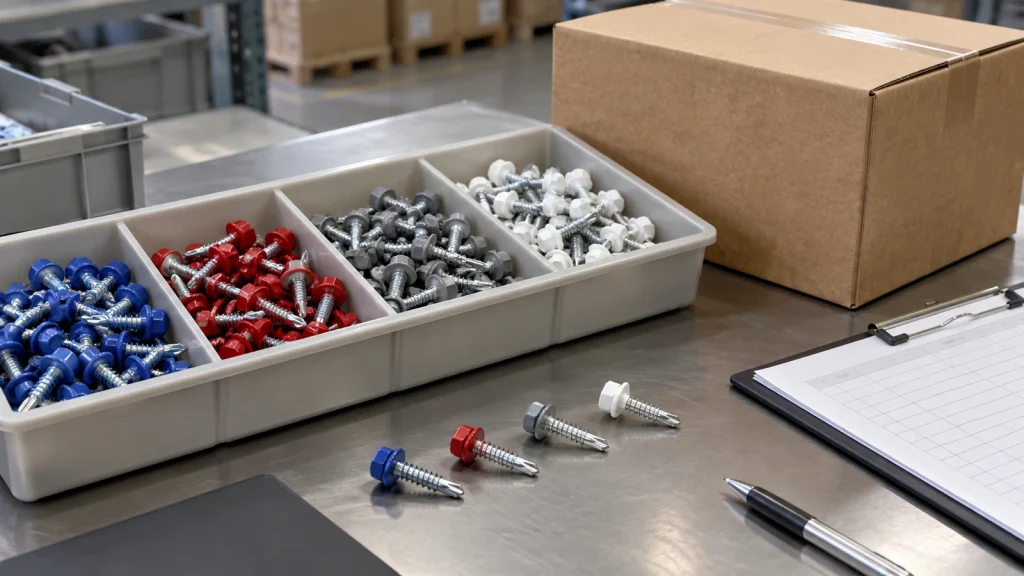
Hex Head Self-Drilling Screw With Bonded Washer

Hex Head Self-Drilling Screw With Bonded Washer

Brand: Hengzuan Surface: blue and white zinc plated, color zinc plated can be customized on request Specifications: in stock 4.2/4.8/5.5/6.3mm mainstream wire diameter, length 20mm~165mm full range of specifications, nonstandard rod length, drill point size can be customized Packaging: 25kg export cartons, full pallets wrapped with film, supports neutral export packaging, customer private-label customization

Read More
Dacromet Hex Head Self-Drilling Screw

Dacromet Hex Head Self-Drilling Screw

Brand: Hengzuan Surface: Dacromet anti-corrosion coating Specifications: in stock ST5.5/ST6.3 mainstream caliber, rod length 50mm~150mm, extended full range of specifications, supports nonstandard extra long customized, suitable for drilling steel sheet thickness 2~6mm Packaging: 25kg export cartons, full pallets wrapped with film, supports neutral export packaging, private-label customization

Read More
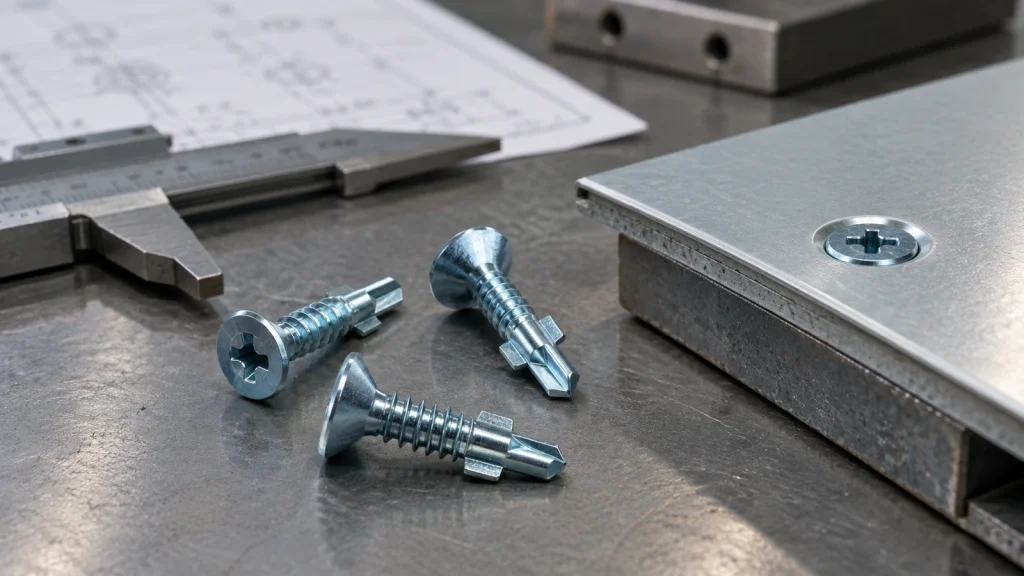
Blue-White Zinc Plated Winged Countersunk Head Self-Drilling Screw

Blue-White Zinc Plated Winged Countersunk Head Self-Drilling Screw

Brand: Hengzuan Surface: blue and white zinc plated, optional color zinc plated, black oxide treatment Specifications: in stock ST3.5/ST4.2/ST4.8 mainstream specifications, rod length 16~50mm full size range, supports nonstandard length customization, suitable for drilling steel sheets 2~5mm Packaging: 25kg cartons, full pallets packed on wooden pallets, support neutral packaging, private-label customization

Read More
Wafer Head Self-Drilling Screw

Wafer Head Self-Drilling Screw

Brand: Hengzuan Surface: blue and white zinc plated, can be customized color zinc plated, black oxide plated Specifications: Comply with GB/T15856.2 Chinese national standard, in stock ST3.5/ST4.2/ST4.8/ST5.5 mainstream wire diameter, rod length 13mm~50mm full range of specifications, nonstandard length customization on demand, drilling applicable plate thickness 2~5mm Packaging: 25kg export cartons, full pallets wrapped with film, supports neutral export packaging, private-label customization

Read More
Countersunk Head Blue-White Zinc Plated Self-Drilling Screw (Chinese National Standard: Phillips Countersunk Head Self-Drilling And Self-Tapping Screw GB/T15856.2-2002)

Countersunk Head Blue-White Zinc Plated Self-Drilling Screw (Chinese National Standard: Phillips Countersunk Head Self-Drilling And Self-Tapping Screw GB/T15856.2-2002)

Brand: Hengzuan Surface: blue and white zinc plated, can be customized color zinc plated, black oxide plated Specifications: Comply with GB/T15856.2-2002 Chinese national standard, in stock ST4.2/ST4.8/ST5.5 full range of specifications, length 13mm~75mm optional, supports customized nonstandard rod lengths; drilling adaptation plate thickness 0.7~6mm Packaging: 25kg export cartons, full pallets wrapped with film, supports neutral export packaging, customer private-label customization

Read More
Countersunk Head Blue Zinc Self-Drilling Screw

Countersunk Head Blue Zinc Self-Drilling Screw

Brand: Hengzuan Surface: blue and white zinc plated, can be customized color zinc plated, black oxide plated Specifications: in stock 3.5/3.9/4.2/4.8/5.5 mainstream wire diameter, rod length 13mm~75mm full size range, nonstandard length can be customized as needed Packaging: 25kg export cartons, full wooden pallets wrapped with film, supports neutral export packaging, private-label customization

Read More

Selecting drilling equipment for wall fastening points

Wall drilling selection notes

When comparing options for a wall hole drill machine, focus on substrate compatibility, drill mode, bit type, hole size range, access around the work area, and how the drilled hole will be cleaned before fastening. The right choice is the one that produces repeatable holes for the intended anchor or screw, not simply the most powerful tool available.

Criterion What To Check Why It Matters Buyer Tip
Wall material and hardness Match the machine’s stated application to concrete, brick, block, tile, or plaster, then test it on the actual wall material. A drill suited to masonry may chip tile, struggle with reinforced concrete, or damage softer wall surfaces. Can you confirm the machine and recommended bit for our wall material and any reinforcement present?
Hole diameter and drilling depth Compare the required hole sizes and depths with the machine’s supported bit range and working clearance. A machine that handles small anchor holes may not suit larger penetrations or deep installation holes. What hole diameter and depth can this model produce continuously for our application?
Drilling mode and bit connection Verify whether the machine provides rotary drilling, hammer action, or both, and confirm the chuck or bit interface. Hammer action speeds masonry work, while the wrong connection prevents use of the bits already in your tool system. Which bit types and connection standard are compatible, and are adapters required?
Dust control and work-area protection Check for an integrated dust outlet, compatible extractor connection, or a supplied dust-collection arrangement. Masonry dust can obscure the hole, contaminate occupied spaces, and increase cleanup time. How is dust captured during overhead or indoor drilling, and what extractor connection does it use?
Handling, access, and operating cycle Review the machine’s weight, handle position, cable or battery arrangement, and recommended operating cycle for the installation location. Overhead and confined-wall work magnifies fatigue, while long drilling sessions can expose thermal or power limitations. Can you provide the operating guidance for repeated overhead drilling and the available power options?

What to check before drilling wall holes for fixings

The practical difference is between drilling a hole and preparing a fastening point. A light drill may make holes in soft masonry, but harder concrete often needs hammer action and a suitable masonry bit. If the hole is oversized, rough, angled, or not deep enough, even a good anchor may fail to tighten correctly.

Match the machine and bit to the base material first, then choose the anchor or screw system around the load, environment, and installation method. If the project uses self-drilling or self-tapping screws in nearby metal components, keep that separate from masonry drilling: wall holes usually need a drilled pilot or anchor, while self-drilling screws are designed for specific sheet or metal assemblies.

Start with the wall material. Concrete, hollow brick, solid brick, aerated block, and tile over masonry do not drill the same way. Hard concrete usually calls for hammer drilling and impact-rated masonry bits, while brittle tile or plaster finishes need controlled starts to avoid chipping. For hollow materials, the fixing type matters as much as the hole.

Define the hole before choosing the machine. Confirm the required hole diameter, depth, and tolerance from the anchor or fixing specification. A common mistake is choosing a drill by power alone and ignoring bit stability, depth control, and operator access. For repeated holes, consistent depth and straight entry reduce rejected fixing points.

Consider dust, edge distance, and site conditions. Dust left inside a hole can reduce anchor seating, especially in deeper holes. Drilling too close to an edge can crack masonry or weaken the fastening point. In finished interiors, dust extraction and low-vibration handling may matter more than maximum drilling speed.

Next step: share the wall material, hole size, fixing type, and installation environment. If the hole is being prepared for screws, anchors, or other fasteners, ask Hebei Wotu Fastener Manufacturing Co., Ltd. which fastener details should be confirmed so the drilled hole and fixing work together.


Criteria Importance Description Example Options
Wall material Usually the first decision factor Concrete, solid brick, hollow block, aerated block, tile, and plastered masonry respond differently to drilling pressure and impact. The wall material also affects the anchor or screw system that can hold reliably. A fixing that works in solid concrete may not grip properly in a hollow brick wall without a suitable hollow-wall anchor.
Drill mode and bit choice Critical for hole quality Hammer action and masonry bits help in hard mineral substrates, but brittle finishes may need a slower start or non-impact approach before the main drilling stage. Worn or mismatched bits can produce rough or oversized holes. A clean masonry hole for an expansion anchor requires a bit that matches the anchor maker’s stated hole size, not an approximate substitute.
Hole diameter and depth Directly affects fastening strength The drilled hole must match the fixing specification closely enough for the anchor, plug, or screw system to seat and tighten. Too shallow, too deep, or too wide a hole can cause poor engagement or installation failure. If the anchor needs a defined embedment depth, the installer should set a depth stop or mark the bit before repeated drilling.
Dust removal and surface condition Often overlooked on site Dust inside the hole can stop an anchor from seating fully and may reduce grip. Finished surfaces also need care because chipping around the entry point can affect appearance and sometimes the bearing area of the fixture. Before placing a plug or anchor, the hole is commonly brushed, blown, or vacuumed according to the fixing method.
Fastener or anchor compatibility Determines whether the drilled hole becomes a reliable fixing point The drill machine prepares the hole, but the installed fixing carries the load. Buyers should match the fixing to the substrate, fixture thickness, exposure environment, and installation method. A wall-mounted bracket may need an anchor for the masonry plus a separate screw specification for the bracket material.

Product Selection

Related Options

For installing wall-mounted brackets, frames, cable supports, or construction hardware, the priority is a clean hole that matches the fixing system. A correctly selected drill machine and bit help the installer avoid loose anchors, cracked masonry, and rework after the fastener is tightened.

Blog Articles / Reviews

What Should an RFQ Include When Sourcing Dacromet Hex Head Self-Drilling Screw?

What Should an RFQ Include When Sourcing Dacromet Hex Head Self-Drilling Screw?

When sourcing dacromet hex head self drilling screw, a complete RFQ should define the application, screw configuration, coating requirement, dimensions, and supplier confirmation requirements. Buyers often receive different quotations because suppliers may interpret coating, size, drilling capability, or packaging scope differently. Before preparing a project inquiry, buyers can review the available fastener product categories to […]

What Is the Difference Between Self Drilling and Self Tapping Screws?

What Is the Difference Between Self Drilling and Self Tapping Screws?

Direct Answer: A self-drilling screw has a drill-shaped point that creates a hole and then forms mating threads in a suitable material. A self-tapping screw forms or cuts mating threads but may require a correctly sized pilot hole. Selection depends on substrate type and thickness, joint stack, point geometry, installation tool, finish and application testing—not […]

What RFQ Details Matter When Ordering Blue Zinc Winged Self-Drilling Screws?

What RFQ Details Matter When Ordering Blue Zinc Winged Self-Drilling Screws?

When ordering a blue zinc self drilling screw with a winged, countersunk configuration, diameter and length are not enough to define the application. The RFQ should identify the materials being connected, upper-material thickness, steel-substrate thickness, total material stack, required countersunk seating, screw diameter, total length, drill-point condition, wing geometry, surface treatment, installation method, quantity and […]

What Should Buyers Confirm When Ordering Color Nylon Head Hex Self-Drilling Screws?

What Should Buyers Confirm When Ordering Color Nylon Head Hex Self-Drilling Screws?

When ordering a chinese standard color nylon head hex self drilling screw, the RFQ should define more than a color name. Buyers should confirm the exact color reference, nylon head or cap configuration, base screw diameter and length, steel-sheet condition, metallic screw finish, visible-face requirement, color approval method, batch-consistency check and packaging or SKU separation. […]

Frequently Asked Questions

Which drill type suits concrete, brick, and block walls?

Hard concrete usually needs a drill with hammer action and a masonry bit designed for impact drilling. Solid brick may also need hammer mode, while hollow brick, aerated block, tile, or plastered finishes often need more control to avoid cracking, breakout, or oversized holes.

Is a more powerful machine always better for wall holes?

No. Power helps in dense masonry, but hole accuracy, bit condition, depth control, and the correct drilling mode often matter more for fastening. Too much impact or poor control can damage brittle surfaces and leave a hole that does not hold the fixing properly.

What is the difference between drilling for an anchor and using a self-drilling screw?

A wall anchor normally needs a prepared hole with the correct diameter and depth before installation. A self-drilling screw forms its own hole in suitable sheet or metal assemblies, but that does not mean it can replace a masonry anchor in concrete, brick, or block.

Why do anchors spin or fail to tighten after drilling?

Common causes include an oversized hole, drilling at an angle, using the wrong bit, leaving dust in the hole, or choosing a fixing that does not suit the wall material. Hollow or weak substrates also need fixings designed for that structure rather than standard expansion anchors.

What information should be confirmed before buying fasteners for drilled wall holes?

Confirm the wall material, hole diameter, drilling depth, fixing type, load direction, and whether the work is indoors or outdoors. If the fixing connects to metal parts, also confirm the screw thread, head style, coating, and any pilot-hole requirements for the mating material.

Leave Your Message

Send the wall material, required hole diameter and depth, and the fastener or anchor type you plan to use. If available, include the application load and whether the work is indoors, outdoors, or in a finished surface.