Bolt Head Screws Selection Guide | Hebei Wotu Fastener Manufacturing Co., Ltd.

Bolt Head Screws for Joint Fit

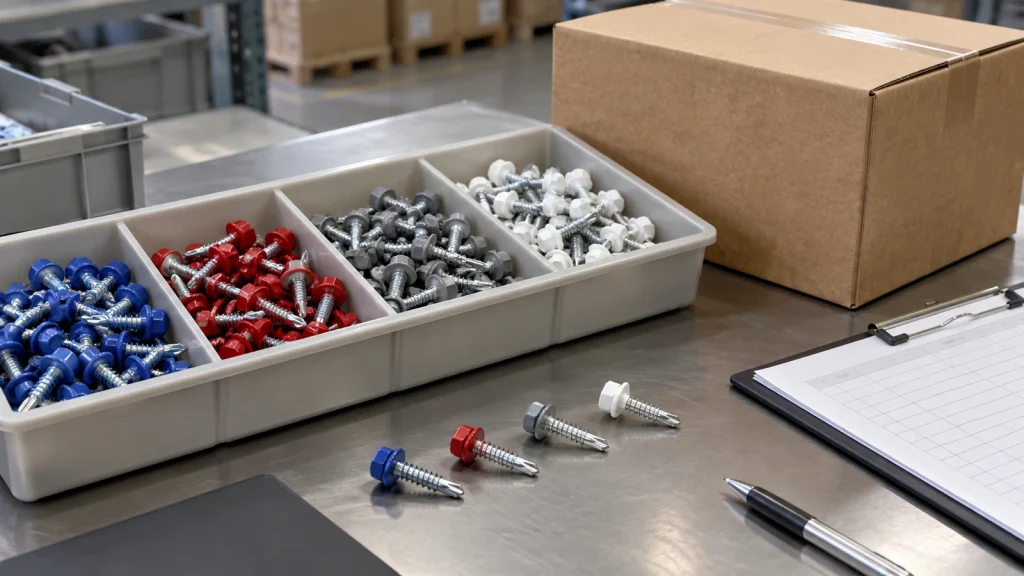
Bolt head screws are selected mainly by the joint they must form and the access available for installation. An external hexagonal head can accept a wrench or socket, while the thread, point and shank determine whether the screw suits metal, wood, panels or another material.

Before requesting a quotation, define the application, mating materials, required diameter and length, head dimensions, drive method and surface finish. These details prevent a visually similar screw from being supplied with the wrong thread or installation behavior.

Related Products

Hot-Dip Galvanized Hex Head Bolt (DIN931 Half Thread / DIN933 Full Thread / GB30 Chinese National Standard Bolt, Can Be Equipped With Nut And Washer Set)

Hot-Dip Galvanized Hex Head Bolt (DIN931 Half Thread / DIN933 Full Thread / GB30 Chinese National Standard Bolt, Can Be Equipped With Nut And Washer Set)

Brand: Wotu Surface: overall hot-dip zinc plating treatment Specifications: Comply with DIN and GB standards, in stock M6-M48 full range of specifications, length 20mm-300mm, supports nonstandard customized. Packaging: woven bag inside / 25kg export carton, film-wrapped wooden pallet; supports neutral packaging and customer private-label customization.

Read More
Countersunk Head Blue-White Zinc Plated Self-Drilling Screw (Chinese National Standard: Phillips Countersunk Head Self-Drilling And Self-Tapping Screw GB/T15856.2-2002)

Countersunk Head Blue-White Zinc Plated Self-Drilling Screw (Chinese National Standard: Phillips Countersunk Head Self-Drilling And Self-Tapping Screw GB/T15856.2-2002)

Brand: Hengzuan Surface: blue and white zinc plated, can be customized color zinc plated, black oxide plated Specifications: Comply with GB/T15856.2-2002 Chinese national standard, in stock ST4.2/ST4.8/ST5.5 full range of specifications, length 13mm~75mm optional, supports customized nonstandard rod lengths; drilling adaptation plate thickness 0.7~6mm Packaging: 25kg export cartons, full pallets wrapped with film, supports neutral export packaging, customer private-label customization

Read More
Countersunk Head Blue Zinc Self-Drilling Screw

Countersunk Head Blue Zinc Self-Drilling Screw

Brand: Hengzuan Surface: blue and white zinc plated, can be customized color zinc plated, black oxide plated Specifications: in stock 3.5/3.9/4.2/4.8/5.5 mainstream wire diameter, rod length 13mm~75mm full size range, nonstandard length can be customized as needed Packaging: 25kg export cartons, full wooden pallets wrapped with film, supports neutral export packaging, private-label customization

Read More
Countersunk Head Self-Tapping Screw

Countersunk Head Self-Tapping Screw

Brand: Hengzuan Surface: blue and white zinc plated, optional color zinc plated, black oxide treatment Specifications: Follow GB/T846-1985 Chinese national standard, in stock ST4.2/ST4.8/ST5.5 full range of specifications Packaging: 25kg export cartons, full pallets wrapped with film, supports neutral export packaging, private-label customization

Read More

Compare head access, thread fit and surface protection

Bolt head screw selection points

When comparing bolt head screws, review the head profile and tool access alongside thread form, point style, diameter, length, material, coating and washer compatibility. A supplier should also confirm tolerances, packaging and whether the requested head and thread combination is available for the intended application.

Criterion What To Check Why It Matters Buyer Tip
Head style and drive access Confirm the exact head form, such as hex head, socket head, pan head, countersunk, or flange head, and match it with the tool access available in the assembly. The head decides how the screw is driven, how much clearance it needs, and whether it sits proud, flush, or spreads load over a wider surface. Ask: What tool will be used on the line or site, and is there enough space around the head for that tool?
Thread type and mating material Specify whether the screw needs machine threads, self-tapping threads, self-drilling points, or coarse threads for wood or board materials. The wrong thread can strip the base material, require extra hole preparation, or fail to develop enough holding strength. Ask: What material will the screw enter, and will the hole be pre-drilled, tapped, or made by the screw itself?
Length, diameter, and engagement depth Define nominal diameter, overall length, threaded length, and the minimum thread engagement needed after passing through the top component. Too short gives weak engagement; too long can bottom out, interfere with parts behind the joint, or increase assembly time. Ask: What are the thicknesses of all clamped parts, including washers, brackets, gaskets, or coatings?
Surface finish and service environment Choose the finish according to exposure conditions, such as indoor dry use, outdoor weather, treated timber, or contact with dissimilar metals. Finish affects corrosion resistance, appearance, friction during tightening, and compatibility with the surrounding materials. Ask: Will the screw face moisture, chemicals, salt air, or visible appearance requirements after installation?
Point style and hole preparation Confirm whether the screw requires a sharp point, drill point, blunt end, or standard bolt-like end, and define any pilot hole or clearance hole size separately. Point style changes installation force, alignment, risk of cracking, and whether the fastener can cut its own path. Ask: Is the assembly designed for fast driving without a prepared hole, or does it need controlled alignment through drilled holes?

Define the screw for the joint, not just the head shape

The term “bolt head screw” can describe a screw with an external hex head, but it does not by itself identify the thread type or application. A hex-head self-tapping screw, self-drilling screw and machine screw may look similar at the head while requiring different mating parts and installation methods.

This distinction matters because head access is only one part of fit. Confirm whether the screw must form its own thread, pass through a clearance hole into a nut, or engage with a tapped hole. Also check whether a washer is needed to distribute load or protect the mating surface.

Match the thread and point to the joint. For sheet metal or other thin materials, a self-tapping or self-drilling design may be appropriate, but the point and thread geometry must suit the material thickness. For a pre-tapped hole or nut, specify a machine-screw thread instead. Using a self-drilling screw where a controlled tapped joint is required can produce the wrong engagement and inconsistent assembly.

Choose the head for access and load distribution. An external hex head works where a socket or wrench can reach the fastener. Check the head height and across-flats dimensions against the tool and surrounding clearance. If the joint needs a broad bearing surface, specify whether a washer-faced head or a separate washer is required; a smaller bearing area can mark soft material or pull through it.

Specify length from the actual joint stack. Account for the material layers, washer, nut or thread engagement rather than choosing length from the visible head alone. Excess length can interfere with adjacent parts, while insufficient engagement can weaken the connection. Confirm the intended measurement convention and whether the point is included in the required length.

Confirm material and finish for the environment. Indoor furniture, exposed equipment and damp or chemically aggressive locations may need different material or coating choices. Ask for the available material, finish, colour requirements and any compatibility information relevant to the mating parts. For a quotation, send a drawing or reference sample together with the application, material stack, size range and estimated quantity.

Criteria Importance Description Example Options
Head and tool access Critical where installation space is limited An external hex head needs enough clearance for a socket, wrench or driver. Check head height and across-flats size against nearby walls, flanges or recessed areas. A hex-head screw may suit an exposed metal bracket, while a recessed joint may need a different drive or lower head profile.
Thread type Determines whether the screw forms, cuts or engages a thread The correct thread depends on whether the screw goes into a nut, a tapped hole, sheet metal, timber or board material. Similar-looking heads do not mean the same installation behavior. A machine screw is appropriate for a matching nut or tapped hole; a self-tapping screw is chosen for a material where the screw forms its own mating thread.
Point style Important for installation method and material damage control The point affects whether the screw can start easily, drill through material or require a prepared pilot hole. The wrong point can slow installation or damage the substrate. A self-drilling point may reduce a separate drilling step in suitable sheet material, while a blunt or machine-screw end needs a prepared mating thread.
Bearing surface and washer use Important for load distribution and surface protection A bolt-style head may need a washer or washer-faced design when the joint needs a broader bearing area. This is especially relevant on softer materials or coated surfaces. A washer can help spread load on a panel, while direct head contact may be acceptable on a harder bracket if marking is not a concern.
Material and finish Affects corrosion resistance, appearance and compatibility Material and coating should match the service environment and the mating parts. Indoor dry use, outdoor exposure and decorative requirements can lead to different choices. A zinc-colored finish, darker coating or other specified surface treatment may be requested depending on the visible appearance and exposure conditions.

Product Selection

Related Options

For an assembly line or maintenance job, the useful comparison is not simply the external hex head. Check which screw design matches the substrate, creates or engages the required thread, and provides reliable tool access without damaging nearby surfaces. Share the joint drawing or a sample so the proposed option can be checked against the real installation.

Blog Articles / Reviews

How to Specify Countersunk Head Cross Thick Thread Fiberboard Screws for Furniture Assembly Projects

How to Specify Countersunk Head Cross Thick Thread Fiberboard Screws for Furniture Assembly Projects

Fiberboard screws are selected based on more than screw size alone. For furniture assembly and board-based applications, buyers need to match the screw structure with the characteristics of fiberboard, MDF, and similar engineered wood materials. A suitable specification should consider thread design, head style, screw length, diameter, installation method, and application requirements. For buyers sourcing […]

What Should Buyers Confirm When Ordering Color Nylon Head Hex Self-Drilling Screws?

What Should Buyers Confirm When Ordering Color Nylon Head Hex Self-Drilling Screws?

When ordering a chinese standard color nylon head hex self drilling screw, the RFQ should define more than a color name. Buyers should confirm the exact color reference, nylon head or cap configuration, base screw diameter and length, steel-sheet condition, metallic screw finish, visible-face requirement, color approval method, batch-consistency check and packaging or SKU separation. […]

What Should an RFQ Include When Sourcing Dacromet Hex Head Self-Drilling Screw?

What Should an RFQ Include When Sourcing Dacromet Hex Head Self-Drilling Screw?

When sourcing dacromet hex head self drilling screw, a complete RFQ should define the application, screw configuration, coating requirement, dimensions, and supplier confirmation requirements. Buyers often receive different quotations because suppliers may interpret coating, size, drilling capability, or packaging scope differently. Before preparing a project inquiry, buyers can review the available fastener product categories to […]

How Should Buyers Evaluate Self Tapping Screws for Project Procurement?

How Should Buyers Evaluate Self Tapping Screws for Project Procurement?

#4 self tapping screws should not be purchased from the “#4” designation alone. For a usable B2B specification, the buyer still needs the actual screw diameter, thread form or pitch, overall length, substrate, pilot-hole condition, head and drive style, material, surface finish and quantity. This matters because suppliers may use different naming systems. Wotu Fastener’s […]

Anchor Bolts: 7 Ordering Errors That Cause Site Rework

Anchor Bolts: 7 Ordering Errors That Cause Site Rework

ost anchor bolt ordering errors come from incomplete drawings, unclear dimensions, unsuitable material or coating choices, undefined tolerances, and mismatched nuts or washers. These mistakes affect steel fabricators, EPC contractors, equipment installers, importers, and distributors because anchor bolts are usually embedded before the connected structure arrives on site. Once concrete has cured, even a small […]

Frequently Asked Questions

Is an external hex head enough to define the screw I need?

No. The head only tells you how the screw is driven. You still need to define the thread type, point style, diameter, length, material and finish, because a self-drilling screw, self-tapping screw and machine screw can have similar heads but work in different joints.

When should I choose a bolt head screw instead of a countersunk screw?

Choose an external hex or bolt-style head when tool access from above is available and the head can remain proud of the surface. A countersunk screw is better when the head must sit flush, but it needs a prepared countersink and offers a different bearing pattern on the material.

Can the same screw be used for metal panels, timber and furniture board?

Usually not without checking the thread and point. Thin metal may need a self-tapping or self-drilling design, while timber or board applications often need a thread form that grips the material without splitting or stripping it. The material thickness and pilot-hole condition change the correct choice.

What is a common ordering mistake with these screws?

A common mistake is ordering by head appearance and overall length only. That can result in the wrong thread pitch, point, washer style or finish, even if the screw looks similar in a photo. Provide the joint details or a sample if the screw must replace an existing fastener.

What should I send with an inquiry?

Send the application, mating materials, diameter, length, thread requirement, head dimensions or tool size, point style, finish and quantity. If the part is used in an existing assembly, a drawing, photo with dimensions or physical sample helps confirm the replacement more accurately.

Leave Your Message

Tell us the application and mating materials, the required diameter and length, and the preferred head, thread and finish. A drawing or sample is useful if the screw replaces an existing fastener.