The most useful distinction is between diameter and thread specification. “8mm” normally describes the nominal diameter, but an M8 bolt may be supplied with different thread pitches depending on the standard and application. The nut must match the bolt thread exactly; a near match can feel tight at first and then damage the thread during tightening.
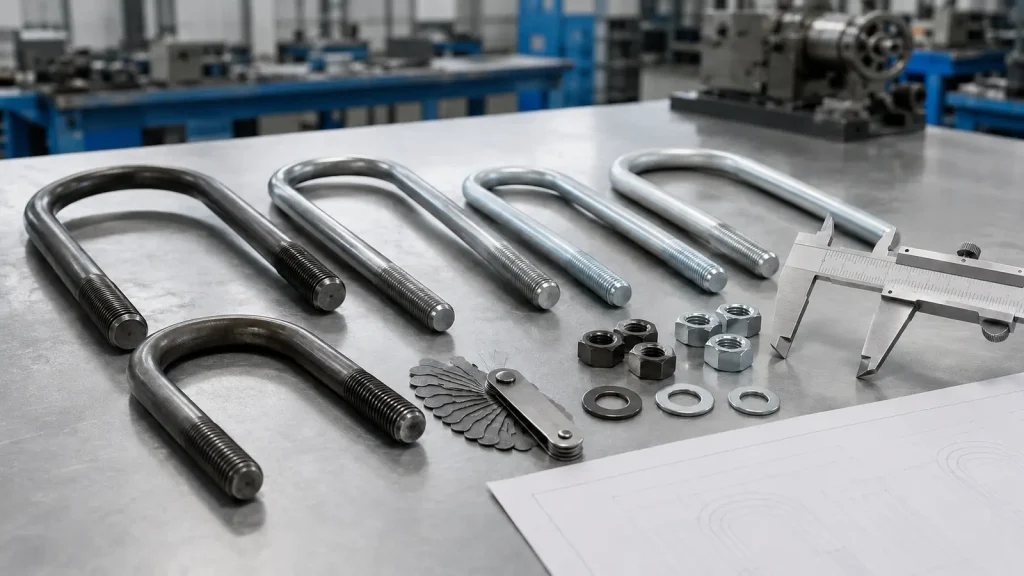
Length is the next practical difference. Bolt length should allow enough thread engagement through the nut while leaving suitable clearance for washers, brackets, coatings, and tolerances. Too short reduces clamping security; too long may interfere with moving parts, covers, or nearby components.
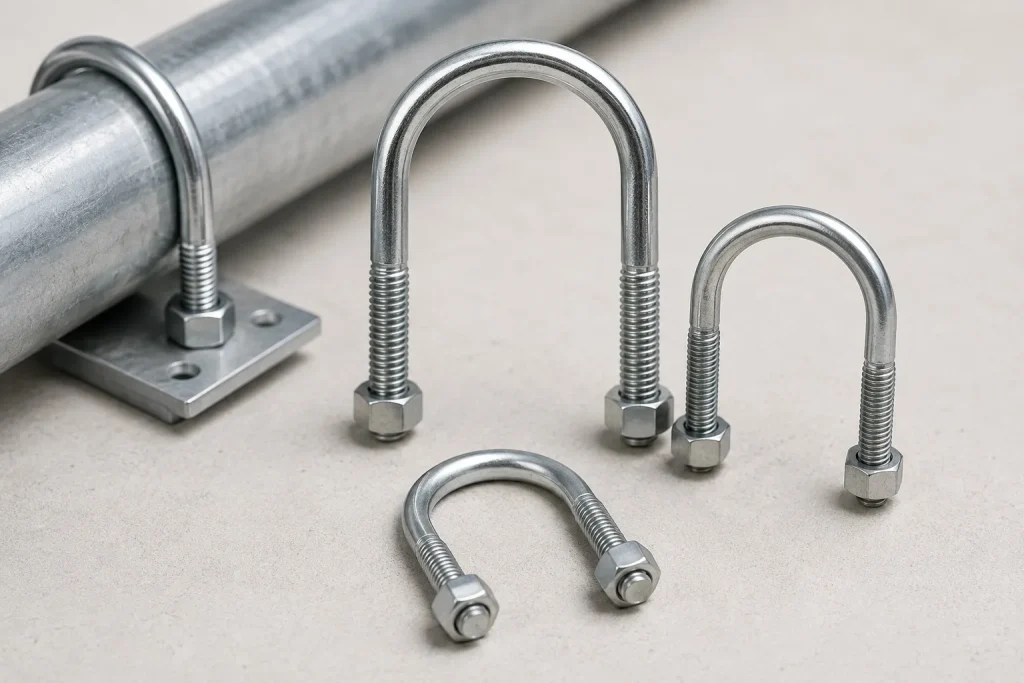
Start with the assembly, not the fastener alone. Confirm the parts being clamped, hole diameter, total grip thickness, washer use, and whether the joint sees vibration, outdoor exposure, heat, or repeated removal. These details decide whether a standard hex bolt and hex nut are enough or whether a lock nut, washer, flange nut, or different finish should be considered.
Check the thread standard before ordering. Many buyers write “8mm nut bolt” when they mean an M8 bolt with a specific pitch and length. If the part must fit existing equipment, send a sample, drawing, or the exact standard callout. Mixing metric, inch, coarse, and fine thread assumptions is a common cause of unusable stock.
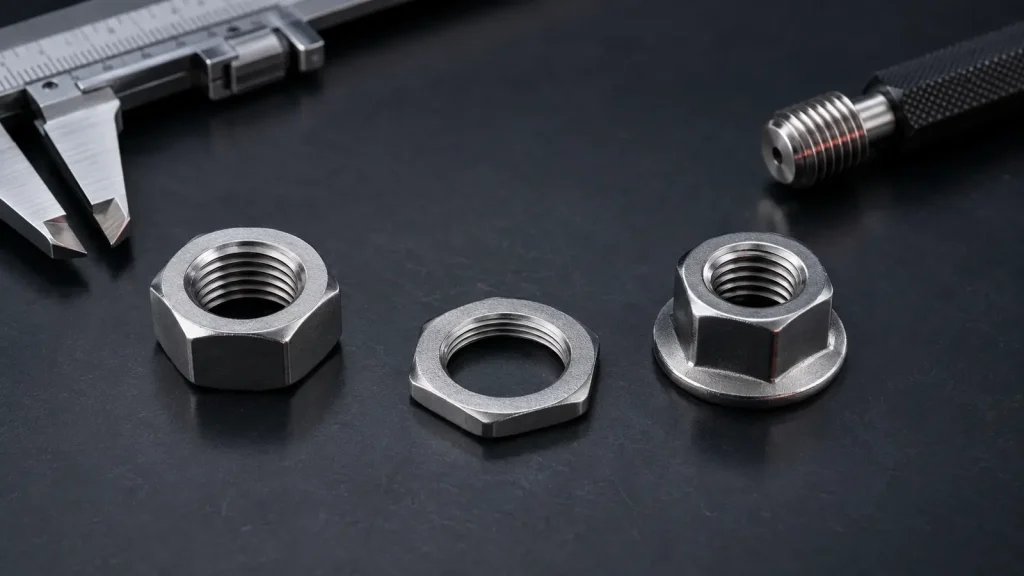
Select the nut style for the space and locking requirement. A standard hex nut gives normal bearing area and thread engagement. A thin nut may help in a restricted space but is not a direct substitute in every load-bearing joint. If loosening is a concern, discuss the joint condition rather than simply adding a second nut after the design is already fixed.
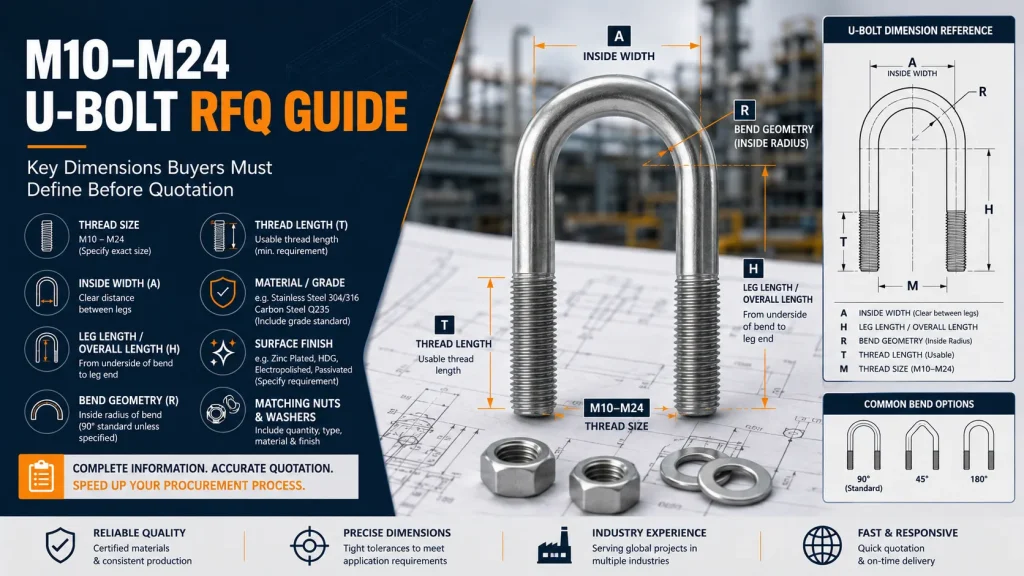
For the next step, prepare a short inquiry with the M8 thread pitch, bolt length, head type, nut type, material or strength requirement, finish, quantity, and packing preference. If any of those details are unknown, describe the application and share a drawing or photo so Hebei Wotu Fastener Manufacturing Co., Ltd. can clarify what needs to be confirmed before quoting.