An Allen key bolt is driven from an internal hex socket, while a standard hex bolt is tightened from the outside of the head. That difference matters in recessed holes, narrow spaces and assemblies where the bolt head must sit neatly inside a counterbore. A socket head cap screw can give a clean, compact installation, but it needs the correct Allen key size and enough socket depth to avoid rounding during tightening.
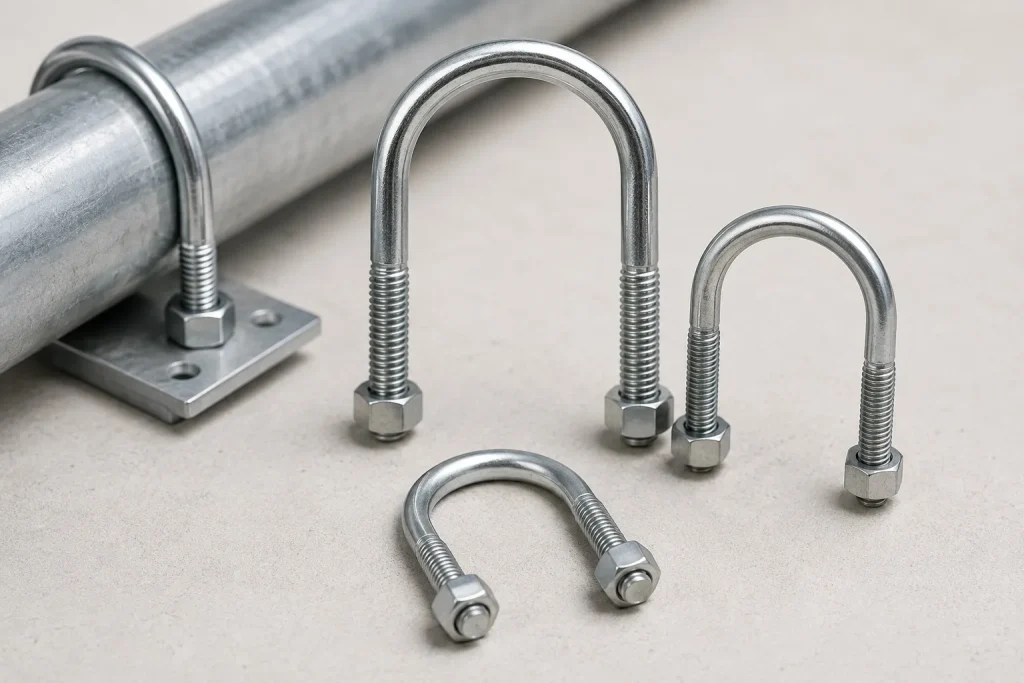
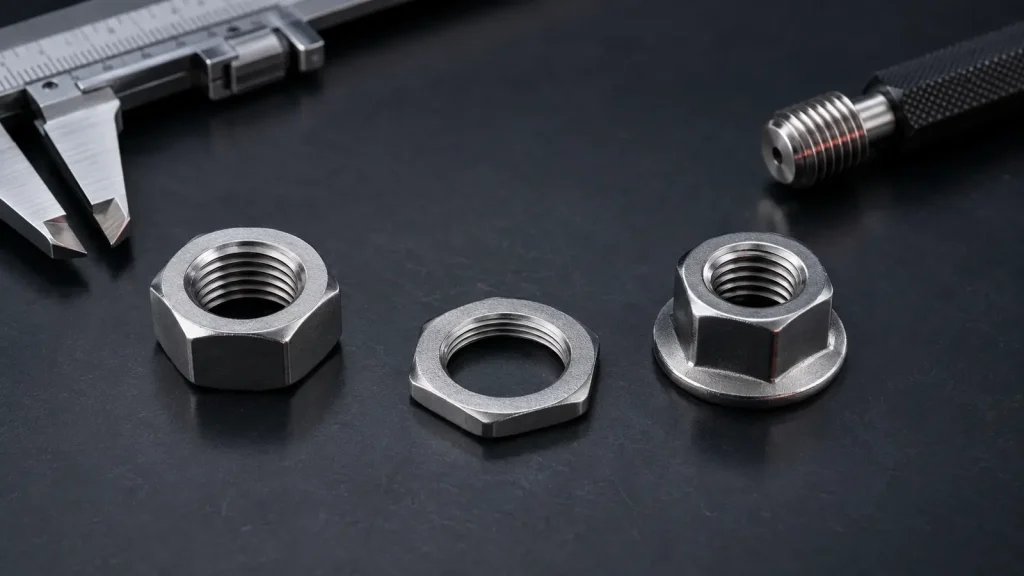
If the bolt passes through both parts, the nut style also matters. A standard hex nut suits many general joints, a thin nut may help where space is tight, and a locking method may be needed where vibration is present. The bolt and nut should match in thread standard, diameter, pitch and strength class rather than being selected only by visible size.
Start with the joint layout. For a tapped hole, you may need only a socket head screw of the correct thread length. For a through-hole, ask for the bolt, nut and washer together so the thread engagement and clamping surface are considered as one assembly. Avoid ordering by overall bolt length alone if the grip length, washer thickness or nut height affects the final fit.
Choose the head style around access and clearance. Socket head cap screws suit stronger, compact joints with a cylindrical head. Button head screws give a smoother, lower profile but usually offer less tool engagement. Countersunk socket screws sit flush, but only work properly when the mating part has the correct countersink angle and depth.
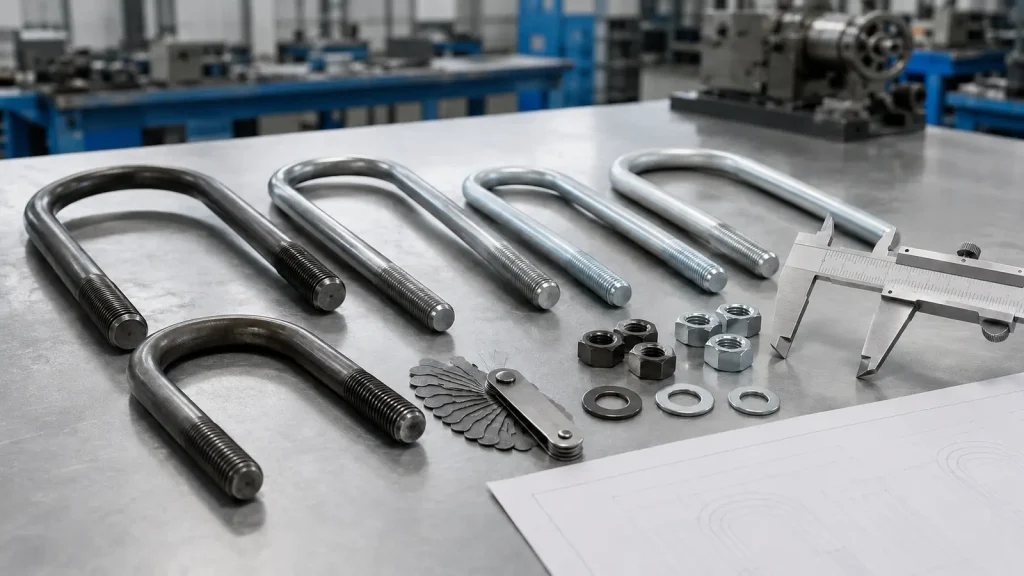
Match the material and finish to the environment. Plain steel may suit protected indoor assemblies, while zinc-plated or other coated fasteners are often chosen where corrosion resistance and appearance matter. Stainless steel can help in wet or corrosive settings, but the buyer should still confirm grade, galling risk and whether the required strength is available for the application.
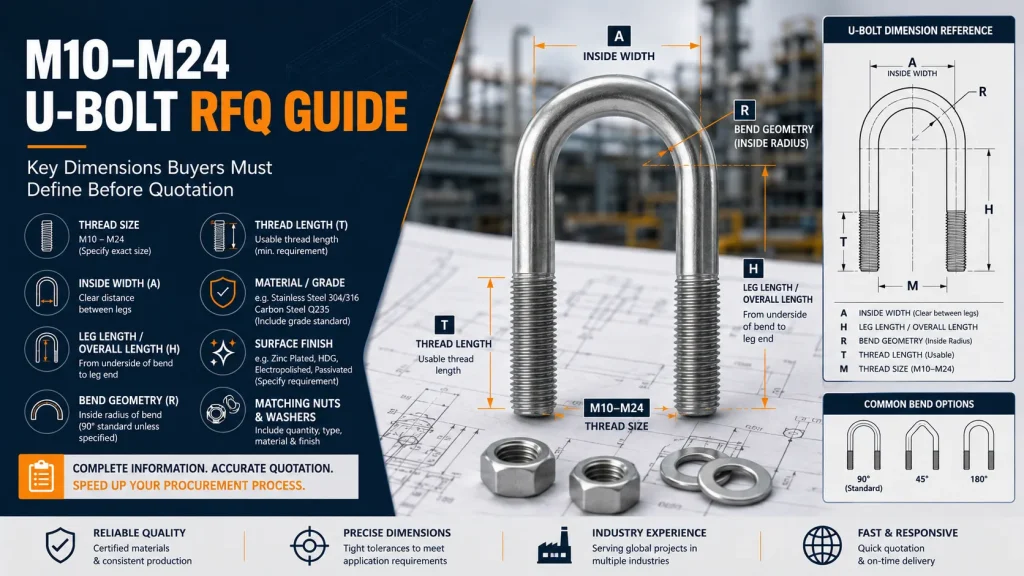
For an inquiry, send the fastener name you use locally, a drawing or photo if available, thread diameter and pitch, length, head type, nut type, washer requirement, material or grade, surface finish and expected quantity. If the part is replacing an existing fastener, include the old sample dimensions rather than relying on a trade name such as “alanki.”