A button head bolt is not automatically interchangeable with a standard socket head cap screw. Its domed head generally gives more clearance around the fastener, but the shallower head can provide less drive engagement and less room for high tightening torque. That distinction matters in structural, vibrating or frequently serviced assemblies.
Also confirm how length is measured. For most head-bearing fasteners it is measured from beneath the head to the tip, but the required fit still depends on the joint stack-up, washer use, nut engagement and any tapped hole depth. Matching the drawing and mating hardware prevents a visually correct fastener from being functionally wrong.
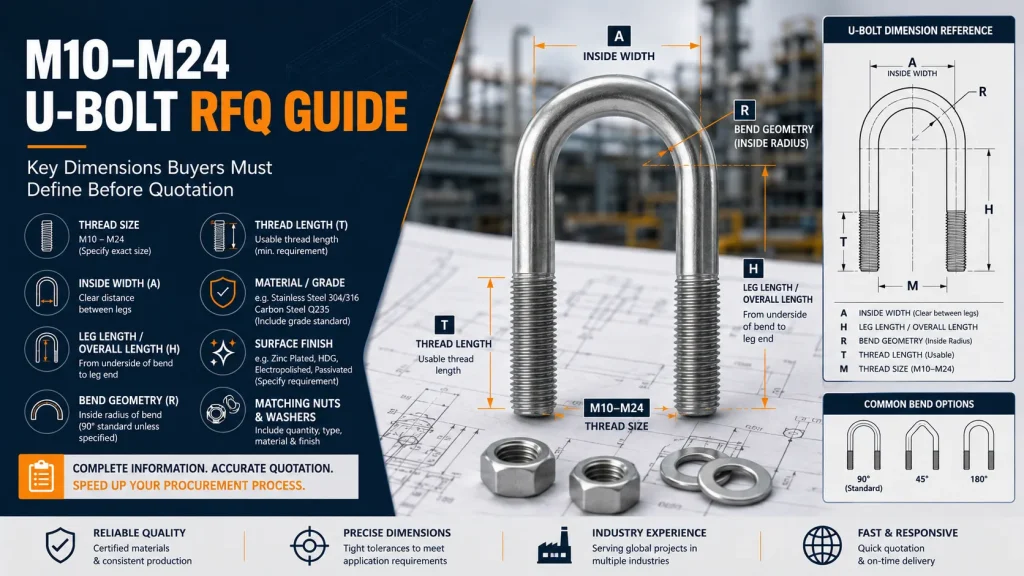
Specify the geometry first. Confirm the head diameter and height, drive type and size, thread form, nominal diameter, length, tip style and whether the joint uses a nut or a tapped hole. If the fastener must sit inside a recess, check the complete head envelope rather than only the nominal thread size.
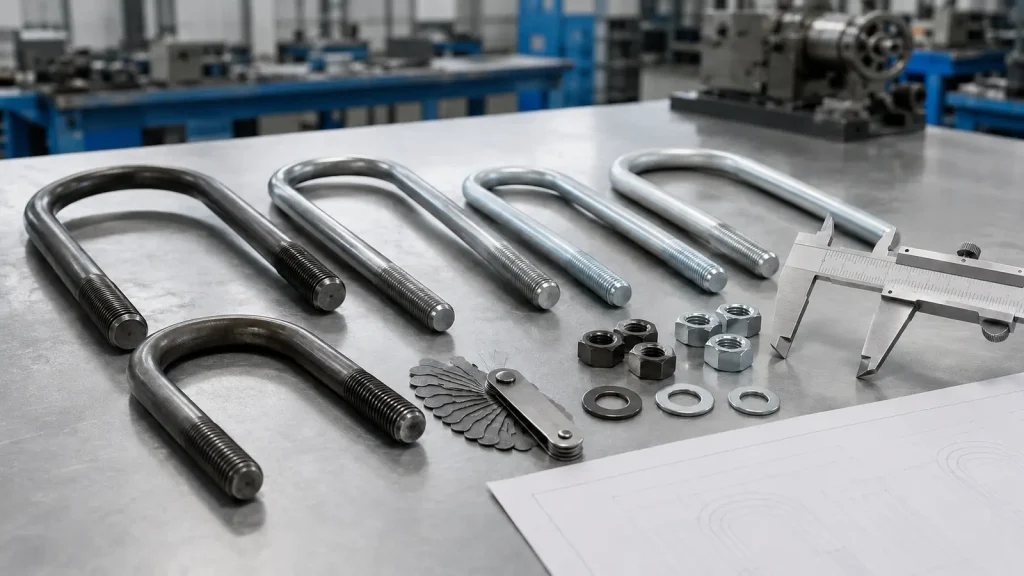
Choose material and finish for the environment. Carbon steel, stainless steel and other materials involve different corrosion behaviour, strength, cost and compatibility considerations. State exposure to moisture, chemicals, outdoor conditions or dissimilar metals, then ask which material and coating options are available for the intended service.
Match the fastener to the joint load and service conditions. A rounded head may be preferable where edges could snag or clearance is limited, but it may not be the right choice where the joint requires very high preload, repeated removal or maximum drive engagement. Confirm the required grade or mechanical class, tightening method and any locking arrangement with the design engineer.
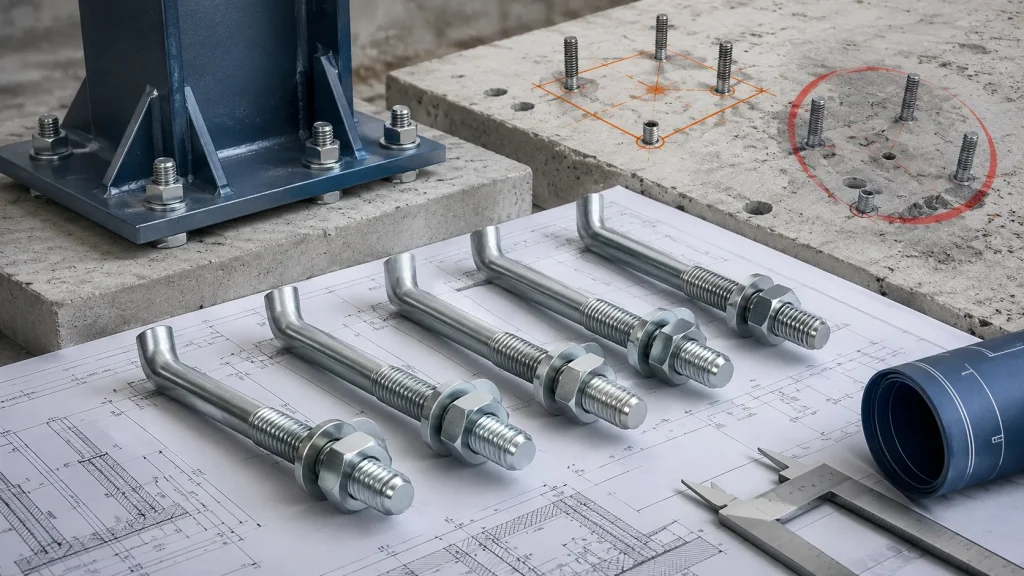
Avoid specification gaps that create rework. Do not send only “M-size button head bolt” or a photograph. Include a drawing or marked-up dimensions, mating nut or tapped-hole details, finish, packaging requirements and quantity. For an enquiry, ask Hebei Wotu Fastener Manufacturing Co., Ltd. to confirm the proposed part drawing, available material and finish, inspection documents, and compatibility with your mating components.