Ceiling Nails Selection Guide | Hebei Wotu Fastener Manufacturing Co., Ltd.

Ceiling Nails for Overhead Fastening

Ceiling nails are chosen for overhead fastening, so the main question is not only size. The nail has to suit the ceiling substrate, the board or hanger being fixed, the installation method, and the expected load.

For a purchase inquiry to Hebei Wotu Fastener Manufacturing Co., Ltd., the useful starting point is the application: concrete ceiling, timber framing, light-gauge steel, gypsum board accessories, insulation fixing, or suspended-ceiling support. Each use points to a different nail style and finish.

Related Products

Countersunk Head Self-Tapping Screw

Countersunk Head Self-Tapping Screw

Brand: Hengzuan Surface: blue and white zinc plated, optional color zinc plated, black oxide treatment Specifications: Follow GB/T846-1985 Chinese national standard, in stock ST4.2/ST4.8/ST5.5 full range of specifications Packaging: 25kg export cartons, full pallets wrapped with film, supports neutral export packaging, private-label customization

Read More
Countersunk Head Cross Black Phosphated Drywall Screw

Countersunk Head Cross Black Phosphated Drywall Screw

Brand: Hengzuan Specifications: in stock 3.5/3.9/4.2 mainstream wire diameter, rod length 16mm~80mm full range of specifications in stock, supports nonstandard length customization Packaging: 25kg export cartons, full pallets wrapped with film, supports neutral export packaging, private-label customization

Read More
Countersunk Head Cross Blue-White Zinc Plated Drywall Screw

Countersunk Head Cross Blue-White Zinc Plated Drywall Screw

Brand: Hengzuan Surface: blue and white zinc plated Specifications: in stock 3.5/3.9/4.2 mainstream wire diameter, rod length 16mm~80mm full size range in stock, supports nonstandard length customization; fine/coarse tooth types are available Packaging: 25kg export cartons, full pallets wrapped with film, supports neutral export packaging, private-label customization

Read More
Black Phosphated Winged Countersunk Head Self-Drilling Screw

Black Phosphated Winged Countersunk Head Self-Drilling Screw

Brand: Hengzuan Surface: high temperature black phosphated anti-rust treatment, blue zinc, color zinc plated coating can be replaced as needed Specifications: in stock ST3.5/ST4.2/ST4.8 common specifications, rod length 16mm~50mm, complete, supports nonstandard size customization, suitable for drilling steel sheets 2~5mm Packaging: 25kg cartons, whole wooden pallets, support neutral packaging, private-label customization

Read More
Countersunk Head Blue-White Zinc Plated Self-Drilling Screw (Chinese National Standard: Phillips Countersunk Head Self-Drilling And Self-Tapping Screw GB/T15856.2-2002)

Countersunk Head Blue-White Zinc Plated Self-Drilling Screw (Chinese National Standard: Phillips Countersunk Head Self-Drilling And Self-Tapping Screw GB/T15856.2-2002)

Brand: Hengzuan Surface: blue and white zinc plated, can be customized color zinc plated, black oxide plated Specifications: Comply with GB/T15856.2-2002 Chinese national standard, in stock ST4.2/ST4.8/ST5.5 full range of specifications, length 13mm~75mm optional, supports customized nonstandard rod lengths; drilling adaptation plate thickness 0.7~6mm Packaging: 25kg export cartons, full pallets wrapped with film, supports neutral export packaging, customer private-label customization

Read More
Countersunk Head Blue Zinc Self-Drilling Screw

Countersunk Head Blue Zinc Self-Drilling Screw

Brand: Hengzuan Surface: blue and white zinc plated, can be customized color zinc plated, black oxide plated Specifications: in stock 3.5/3.9/4.2/4.8/5.5 mainstream wire diameter, rod length 13mm~75mm full size range, nonstandard length can be customized as needed Packaging: 25kg export cartons, full wooden pallets wrapped with film, supports neutral export packaging, private-label customization

Read More

Ceiling nail selection by substrate and fixing method

Selection criteria

Useful ceiling nail selection usually starts with substrate, head type, shank design, point form, finish, and installation method. A clear drawing, sample, or project specification helps separate a workable fastener from one that only looks similar.

Criterion What To Check Why It Matters Buyer Tip
Ceiling material and fixing base Confirm whether the nail will fasten into concrete, masonry, timber, light-gauge steel, or a suspended ceiling component. A nail that holds well in one base material may bend, loosen, or fail to penetrate another. What ceiling substrate will the nail be driven into, and is there a sample or drawing showing the fixing point?
Nail type and installation method Identify whether the job needs loose ceiling nails, collated nails, powder-actuated fasteners, or another fixing format. The nail style must match the installation tool and site method; the wrong format can slow work or make the fastener unusable. Which tool or fastening system will installers use on site?
Head style and holding requirement Compare head shape, shank form, and any washer or clip used with the nail. Ceiling fixings often need secure pull-out resistance and stable support for panels, hangers, channels, or accessories. What will the nail support, and does the fixing need a washer, clip, or wider head for bearing area?
Surface protection and environment Ask what finish is available and whether the ceiling area is dry indoor space, humid service area, or exposed construction environment. Moisture and site conditions can affect corrosion, staining, and long-term holding reliability. Will these nails be used indoors only, or should the finish suit damp or corrosive conditions?
Size compatibility with the assembly Check nail length, shank diameter, head diameter, and packaging against the ceiling system or project specification. Too short may not anchor securely; too long can interfere with hidden services or penetrate beyond the intended base. Can you share the specified nail size, ceiling detail, or the thickness of the material being fixed?

Key choices before specifying ceiling nails

The biggest distinction is between nails that fasten into a structural base and nails that hold a lining material. A nail used into concrete or masonry needs a shank and point suited to hard substrates, while a nail for timber ceiling battens or board fixing is usually selected around withdrawal resistance, head shape, and surface finish.

This matters because overhead fasteners fail in different ways. A nail can bend during installation, pull out under vibration, stain a finished ceiling, or damage the board surface if the head is wrong. Confirm the substrate and the installed part before discussing diameter, length, packaging, or coating.

Match the nail to the ceiling base. Concrete, masonry, timber, and metal framing do not use the same fastener logic. For hard bases, ask whether the nail is intended for direct fixing and what tool or installation method it suits. For timber, check shank type and head style. For gypsum board or decorative panels, avoid a head that cuts through the surface.

Do not treat coating as a cosmetic choice. Indoor dry ceilings may need a different finish from humid rooms, coastal projects, parking areas, or exposed soffits. A bright, galvanized, phosphate, or other finish can affect corrosion resistance, paint compatibility, and appearance around the fixing point. State the service environment rather than asking only for the cheapest finish.

Check the installed function. A ceiling nail used to locate a clip, hanger, insulation washer, mesh, or board may need a specific head diameter, shank form, or compatibility with an accessory. If the nail supports suspended elements, confirm the design requirement with the project engineer instead of substituting by appearance.

Prepare the inquiry with practical details. Share the substrate, the item being fixed, required nail length and diameter if already specified, finish preference, packaging requirement, and any drawing or sample photo. If the specification is not fixed, ask which options are suitable for the application rather than requesting a generic ceiling nail quote.

Criteria Importance Description Example Options
Ceiling substrate Usually the most important decision factor The base material controls the required shank, point, embedment, and installation method. A nail suitable for timber may not perform in concrete or masonry. A concrete ceiling fixing may require a hard-substrate fastening approach, while timber battens may use a nail selected for withdrawal resistance.
Installed function Critical where the nail supports an accessory or suspended part The nail may be holding board, a clip, mesh, insulation, a washer, or a hanger. Each use places different demands on head shape and holding strength. A wide-head fixing can suit soft insulation, while a ceiling clip may need a head and shank that fit the clip design.
Head style Important for surface finish and pull-through resistance Head diameter and profile affect how the load is spread and how visible the fixing looks after installation. The wrong head can damage board surfaces or fail to hold thin materials. A small neat head may suit visible finishing work, while a larger head may be better where the fastener must retain a washer or panel edge.
Finish or coating Important when moisture, appearance, or paint compatibility matters The finish should suit the service environment and the finished ceiling surface. Indoor dry areas, humid rooms, parking areas, and exposed soffits can require different corrosion and appearance considerations. A dry interior ceiling may have different finish needs from a humid utility area or semi-exposed soffit.
Installation method High, because a good nail can fail if installed with the wrong method Some ceiling nails are selected around hand installation, power tools, direct fixing, or use with accessories. Tool compatibility affects seating, bending, surface damage, and installation speed. A fastening job into a hard ceiling base should confirm the intended fixing method before finalizing nail size and form.

Blog Articles / Reviews

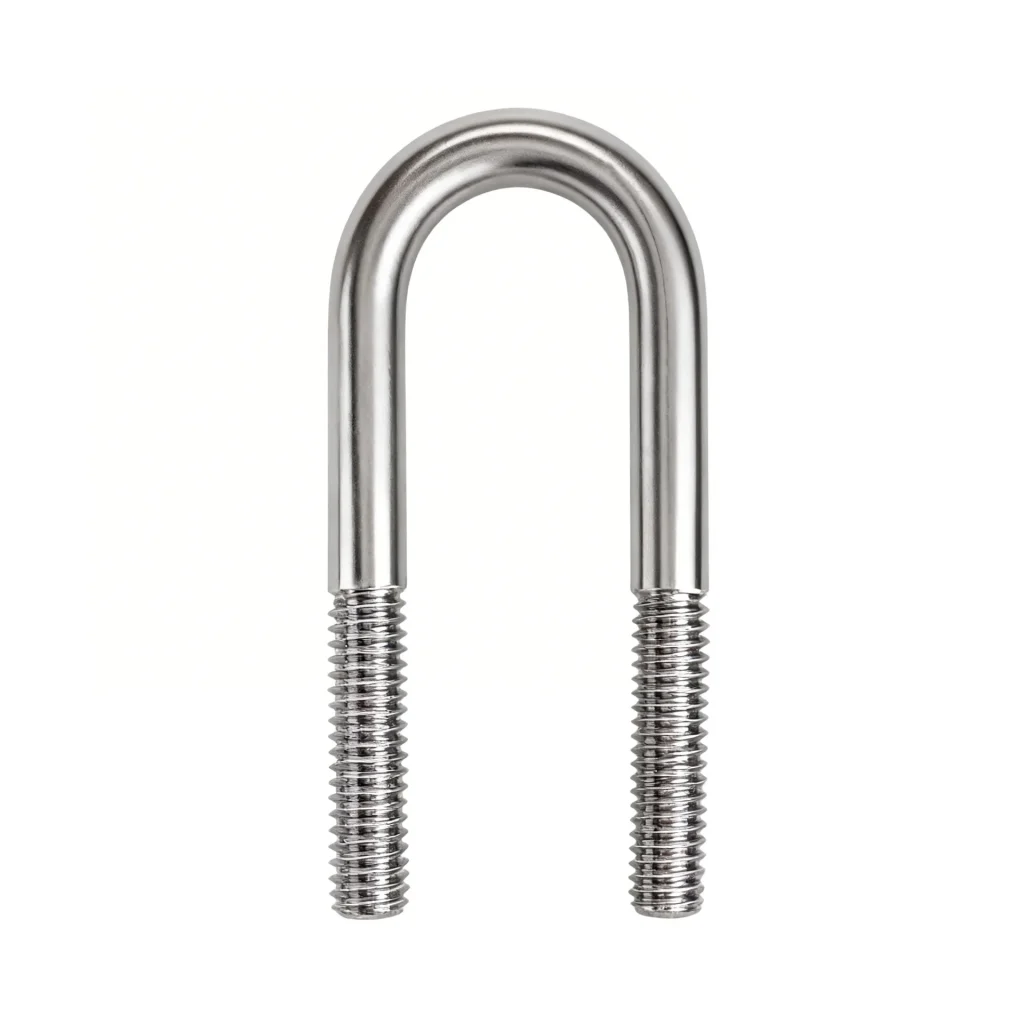
Which U-Bolt Measurements Must Buyers Provide Before a Quote?

Which U-Bolt Measurements Must Buyers Provide Before a Quote?

For an M10–M24 U-bolt RFQ, buyers should send a dimensioned drawing that defines thread diameter, inside width, leg or overall length, bend geometry, thread length, application diameter, material or grade requirement, surface finish, matching nuts/washers, quantity, and packing needs. Nominal thread size alone is not enough because different measurement datums can produce U-bolts that look […]

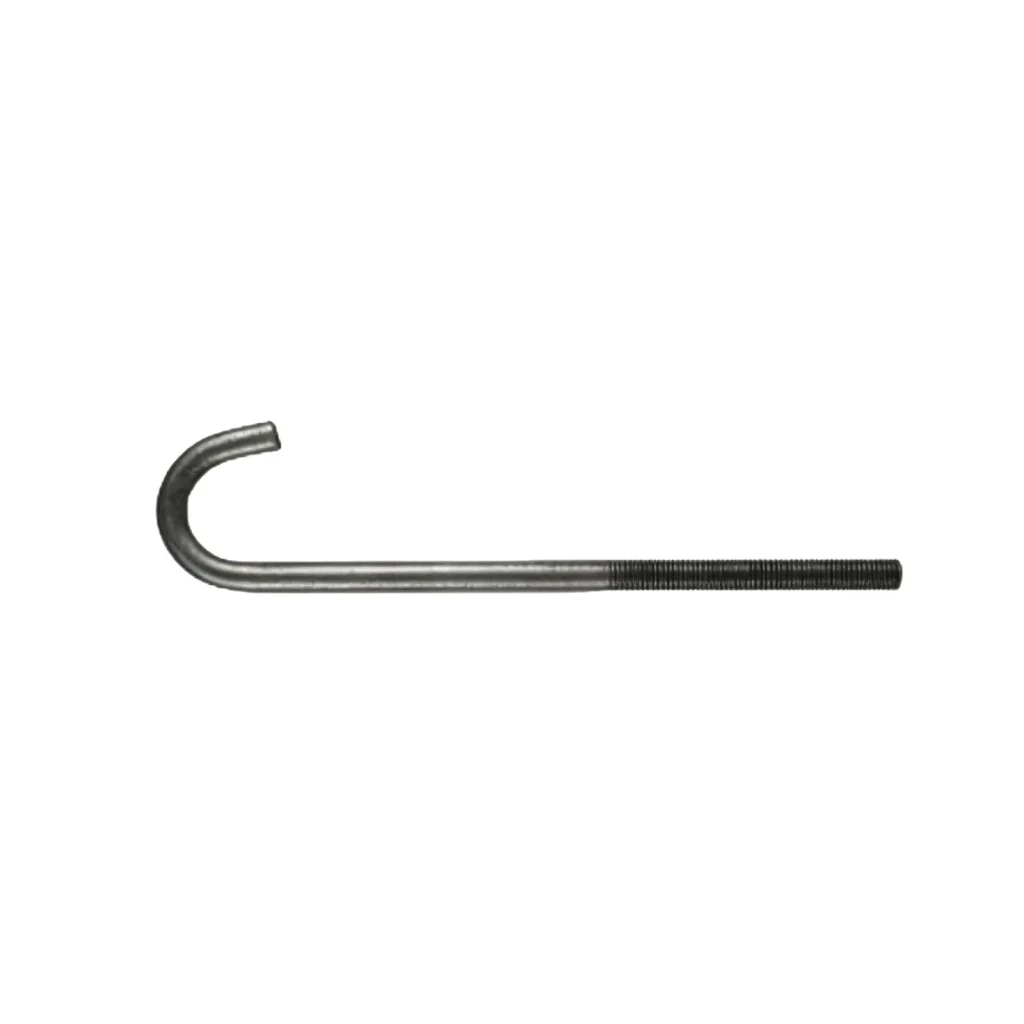
What Must Buyers Verify Before Ordering L-Shaped Anchor Bolts to an Older Standard?

What Must Buyers Verify Before Ordering L-Shaped Anchor Bolts to an Older Standard?

When ordering L-shaped anchor bolts against an older standard, buyers should verify the standard’s current status, confirm the specification approved for the project, and reconcile the drawing, dimensions, material and foundation interface before releasing the purchase order. A legacy standard number on a product page or old drawing is not, by itself, sufficient evidence that […]

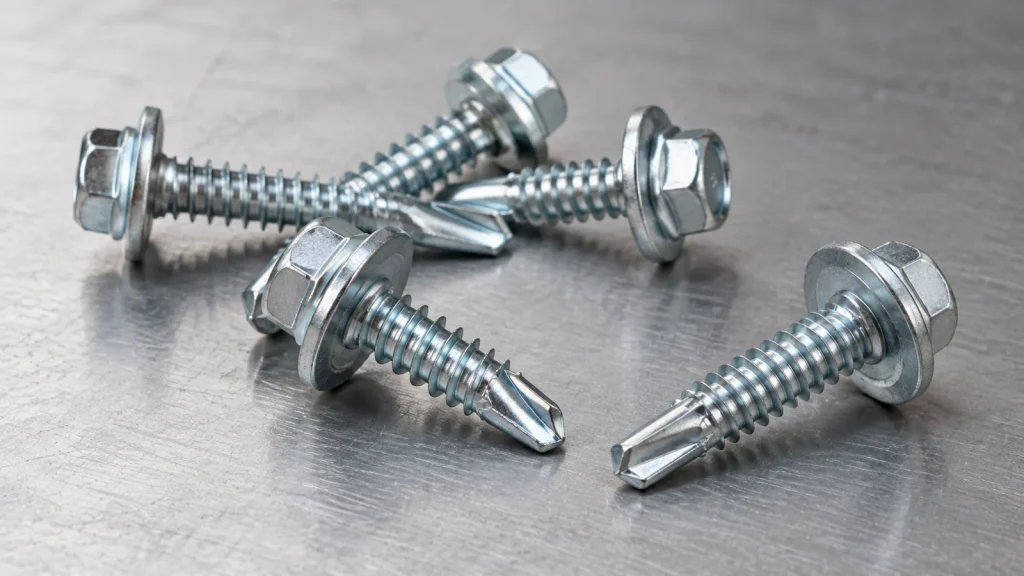
Hex Head Self-Drilling Screws with Cup Washers: Choosing Drill Point and Length

Hex Head Self-Drilling Screws with Cup Washers: Choosing Drill Point and Length

Choosing a hex head self-drilling screw with a cup washer requires more than selecting ST5.5 or ST6.3 and a nominal length. The drilling point must suit the steel it penetrates; the threaded section must engage the intended supporting material; and the head-and-washer assembly must seat correctly on the outer panel. A screw’s drilling capacity is […]

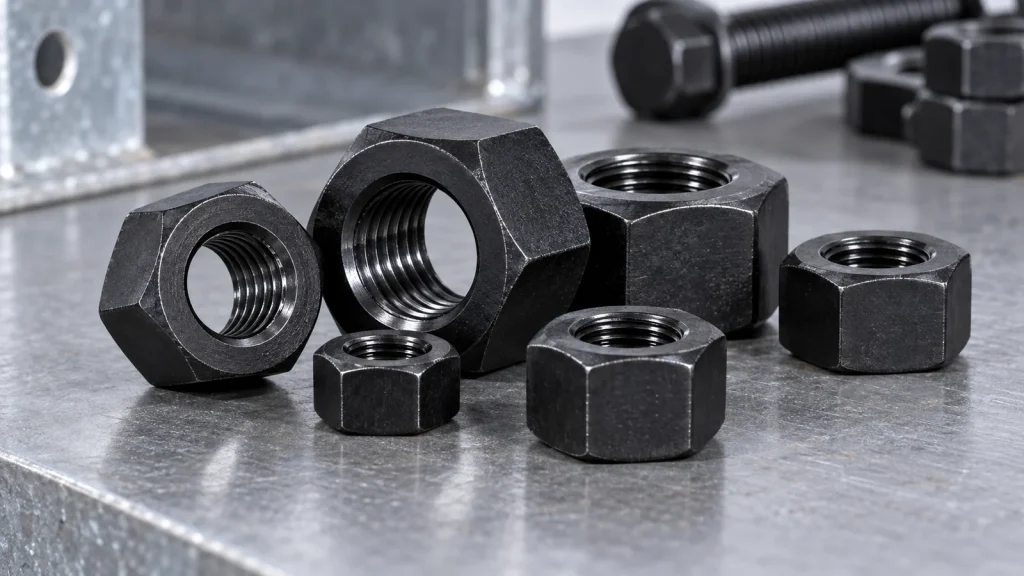
Grade 8 vs Grade 10 Hex Nuts: Strength Class and Bolt Compatibility

Grade 8 vs Grade 10 Hex Nuts: Strength Class and Bolt Compatibility

Class 8 and class 10 metric hex nuts are not interchangeable labels for bolt strength. They identify different nut property classes, while the suitability of either nut depends on the mating bolt, thread dimensions, nut style and the relevant specification. A black oxide finish adds another purchasing variable: it describes a surface treatment, not a […]

How to Choose Self-Tapping Screws for Plastic Parts

How to Choose Self-Tapping Screws for Plastic Parts

Choose self-tapping screws for plastic by matching the thread design to the resin, pilot hole and surrounding plastic, then checking head seating, thread engagement and tightening conditions on actual parts. Screw diameter alone cannot establish a suitable hole size or installation torque. This guide concerns metal screws fastening into plastic components. These screws create their […]

What Is a Fastener? Types, Functions and Industrial Uses

What Is a Fastener? Types, Functions and Industrial Uses

A fastener is a hardware component that mechanically joins or secures parts. Common examples include screws, bolts, nuts and rivets; washers are supporting components used in many fastening assemblies. Some connections can be dismantled by removing threaded fasteners, while others, such as riveted joints, normally require the fastener to be destroyed during removal. In industrial […]

Frequently Asked Questions

What substrate information is needed before selecting the nail?

The ceiling base is the first detail to confirm. Concrete, masonry, timber battens, and light-gauge steel each need different holding behavior, point geometry, and installation method, so a nail chosen for one base may not work safely or cleanly in another.

Can the same nail be used for gypsum board and suspended-ceiling clips?

Not usually without checking the function. A nail for fixing board must avoid tearing or dimpling the surface, while a nail used with a clip or hanger may need stronger engagement with the base material and compatibility with the accessory.

Is a longer nail always better for overhead fixing?

No. Extra length can help only if it creates useful embedment in the correct base material; it can also bend, hit hidden services, or fail to seat properly. The useful length depends on the thickness of the part being fixed and the required penetration into the substrate.

What is the trade-off between a large head and a small head?

A larger head spreads pressure and can help hold washers, insulation, mesh, or softer materials. A smaller head may give a cleaner finish or suit a specific clip, but it can pull through thin or fragile materials if the application is wrong.

What details should be included in a purchase inquiry?

Share the ceiling substrate, the material being fastened, nail diameter and length if known, head style, finish, installation tool or method, and packaging requirement. If there is a drawing, sample photo, or project specification, include it so the supplier can check the match instead of quoting a generic item.

Leave Your Message

Send the ceiling substrate, the item being fixed, and the required nail size or drawing. If the finish or installation tool is already specified, include that too so the inquiry can be checked accurately.