The practical difference is head geometry. A cheese head bolt has straight sides and a relatively tall cylindrical head, so it gives a broad, flat contact area without sitting flush. A countersunk bolt is better when the head must sit below the surface, while a hex head bolt is easier to tighten with an external wrench where there is side access.
This matters because the wrong head style can cause interference, poor seating, or damaged parts. If the joint is in a recessed pocket, confirm driver access from above. If the head sits near a moving part, check head height. If the material is soft or coated, consider whether a washer or larger bearing face is needed to spread load.
Start with the mating joint. Confirm whether the bolt will go into a tapped hole, pass through with a nut, or fasten into an insert. That choice changes thread length, shank length, and whether a fully threaded or partially threaded bolt makes sense. Do not select length from the outside thickness alone; include washer stack-up, coating thickness, and required thread engagement.
Choose the drive style for the actual assembly method. Slotted and cross recess styles suit simple tools but can slip if torque control is poor. Hex socket or internal drive styles may work better in recessed locations, but the tool must have enough vertical clearance. If operators assemble many parts per shift, driver access and repeatability can matter as much as the bolt material.
Match material and finish to the environment. Plain carbon steel may be suitable for dry indoor assemblies; plated steel can improve corrosion resistance for general use; stainless steel may be preferred where moisture, cleaning, or appearance is a concern. Avoid assuming that a shiny finish equals the right corrosion performance, and confirm whether the coating affects thread fit or appearance requirements.
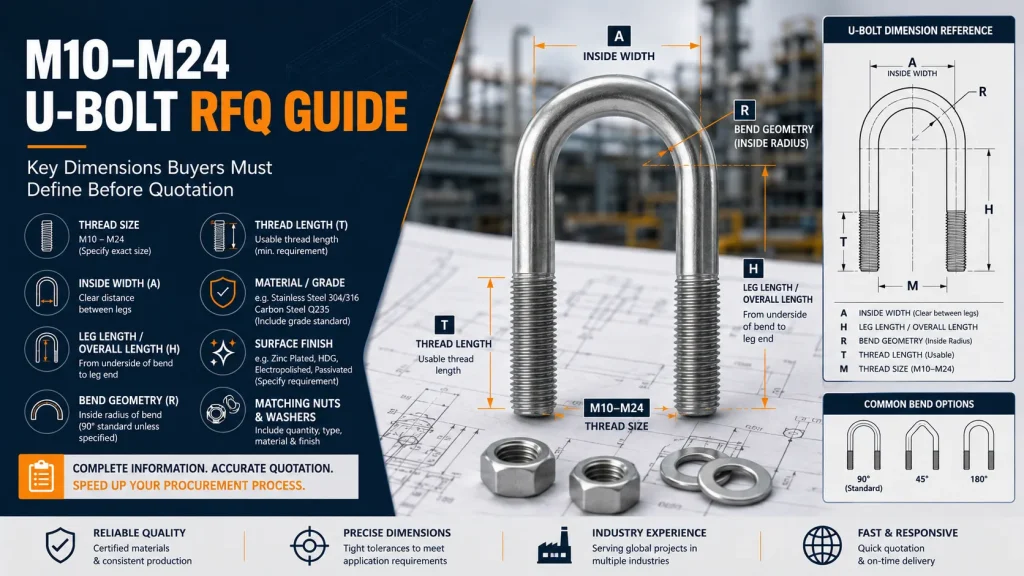
For an inquiry, send the standard or drawing if available, plus diameter, thread pitch, length, head style, drive type, material, finish, and quantity. If the part must match an existing bolt, share photos and key measurements rather than relying on the name alone, because “cheese head” can be used differently across markets and standards.