Colour-Coated Fasteners | Hebei Wotu Fastener Manufacturing Co., Ltd.

Colour-coated fasteners for visible fixing applications

Colour-coated fasteners are chosen when a fixing must blend with a finished panel, roof, cladding system or other visible surface. The main decision is not colour alone: the coating must suit the base material, outdoor exposure and installation method without cracking or exposing the metal during driving.

Start by identifying the fastener type, substrate and required colour reference. A coating that looks right on a sample may still be unsuitable if it reacts with the panel material, lacks the required corrosion resistance or is damaged by the tool used for installation.

Related Products

Hex nut DIN934-1987 (A/B accuracy classification)

Hex nut DIN934-1987 (A/B accuracy classification)

Brand: Wotu Standard basis: German standard DIN934-1987, metric coarse thread/fine thread universal thread Surface: 304 stainless steel Specifications: M6~M24 full range of specifications Supporting equipment: same specification bolts, flat washer, spring washer complete set of shipment Packaging: 25kg standard carton, whole wooden pallet packaging

Read More


Hex flange nut (Chinese national standard GB/T6177.1-2000)

Hex flange nut (Chinese national standard GB/T6177.1-2000)

Brand: Wotu Surface: zinc plated Specifications: in stockM6/M8/M10/M12/M14/M16/M20 Chinese national standardfull range of specifications, support nonstandard thickness, tooth pitch customized Matching: can be matched with bolts of the same specification, flat washer, spring washer complete set of shipment Packaging: 25kg cartons, whole wooden pallets

Read More

Compare finish, compatibility and installation performance

Colour-coated fastener selection

Compare colour-coated fasteners by visible finish, base material, coating system, coverage of the exposed parts, compatibility with the substrate and resistance to installation damage. Confirm the required colour reference and application conditions rather than assuming that similarly named colours or finishes are interchangeable.

Criterion What To Check Why It Matters Buyer Tip
Coating type and base metal Confirm the coating system and the fastener material beneath it. The base metal and coating work together to affect corrosion resistance, strength, and compatibility with the panel or frame. Ask which substrate and coating process are available for your installation environment.
Colour match and finish Compare a physical sample or approved colour reference with the panel finish. Small differences in shade, gloss, or texture can remain visible after installation, especially across large façades or roofs. Ask how colour approval is handled before production and whether the finish is gloss, matt, or textured.
Coating adhesion and edge coverage Inspect coated threads, heads, corners, and cut or formed areas for even coverage and firm adhesion. Thin spots or damaged edges can expose the fastener to corrosion and may also interfere with tightening. Ask what inspection is carried out on threaded areas and formed edges before dispatch.
Fit with the installation system Match the fastener head, thread, length, washer, and drive type to the panel and supporting material. An incorrect fit can damage the coating, leave gaps, or reduce holding strength during installation. Send the panel thickness, support material, fixing method, and required colour when asking for a suitable option.

Choose a colour-coated fastener for the finished assembly

Colour matching and coating durability are separate requirements. A standard painted finish may meet a visual need in a sheltered application, while a more carefully specified coating system may be needed for exterior cladding, roofing or areas exposed to moisture and pollutants.

The fastener head, washer and exposed thread should also be considered together. A close colour match is less useful if the washer remains visible, the head chips during installation or the fastener material is incompatible with the panel.

Define the application before discussing colour. State whether the fastener will be used with roofing sheets, wall panels, trim, timber or another substrate, and identify whether the finished assembly is indoors, outdoors or near a corrosive environment. These details affect the suitable base material and coating system.

Specify colour with a recognised reference, sample or approved panel rather than a general description such as red or grey. Ask how colour variation is controlled between production batches and whether the coating covers the head, washer or other visible areas that matter in the finished installation.

Check installation conditions as carefully as appearance. The fastener should suit the driver, bit or installation tool, and the coating should tolerate normal tightening without excessive chipping. Avoid choosing by colour alone or mixing a coated fastener with a washer or panel finish that has a different durability level.

For an enquiry, send the fastener type and size, the material being fixed, the colour reference and the exposure conditions. Also ask which coating system is proposed, how compatibility is assessed and whether an approval sample can be reviewed before placing a production order.

Criteria Importance Description Example Options
Colour reference and batch consistency Important for visible assemblies where fasteners must blend with panels or trim A named colour alone may not be enough because different coating systems and batches can vary in shade and gloss. A recognised reference or approved sample reduces misunderstanding. A roof panel project may require fastener heads to match an approved sheet sample rather than a general colour name.
Base material and corrosion protection Critical for outdoor, damp or exposed applications The visible colour does not define the corrosion performance. The fastener material and protective coating need to suit the environment and the material being fixed. A fastener used on exterior cladding may need more than a simple decorative finish if it will face rain, moisture or pollutants.
Coating coverage on visible parts Important where the finished appearance is inspected closely Confirm whether the coating applies only to the head or also affects the washer and other visible areas. Mismatched exposed parts can make a fixing stand out even when the head colour is correct. A colour-matched head with a contrasting washer may be acceptable on some industrial work but unsuitable for a façade panel.
Installation damage resistance High priority where fasteners are driven with power tools A coating should tolerate normal driving and tightening without excessive chipping or scuffing. Tool fit, recess design and installation method all influence the final result. A coated screw head can look acceptable before installation but show damage if the driver bit slips or the torque setting is too high.
Compatibility with panel and washer materials Important for long-term appearance and service life The fastener, washer, panel coating and substrate should be considered together. A visually suitable fastener may still be a poor choice if the assembly has incompatible materials or unequal durability. A coated fixing used with a premium panel finish should have a washer and protection level that suit the same exposure conditions.

Blog Articles / Reviews

Grade 8 vs Grade 10 Hex Nuts: Strength Class and Bolt Compatibility

Grade 8 vs Grade 10 Hex Nuts: Strength Class and Bolt Compatibility

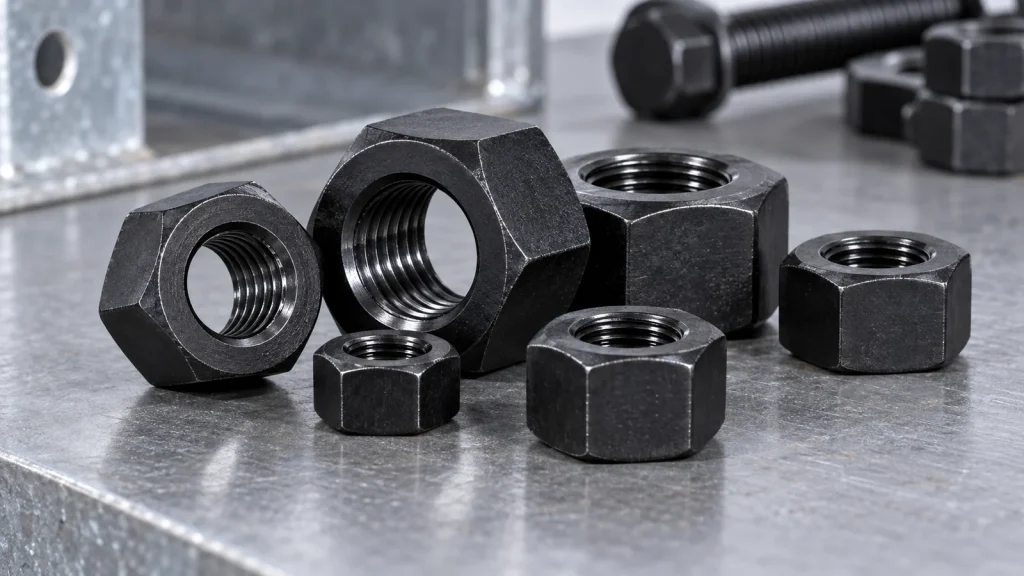
Class 8 and class 10 metric hex nuts are not interchangeable labels for bolt strength. They identify different nut property classes, while the suitability of either nut depends on the mating bolt, thread dimensions, nut style and the relevant specification. A black oxide finish adds another purchasing variable: it describes a surface treatment, not a […]

DIN 931 vs DIN 933 Hex Bolts: What Should Buyers Confirm Before Bulk Ordering?

DIN 931 vs DIN 933 Hex Bolts: What Should Buyers Confirm Before Bulk Ordering?

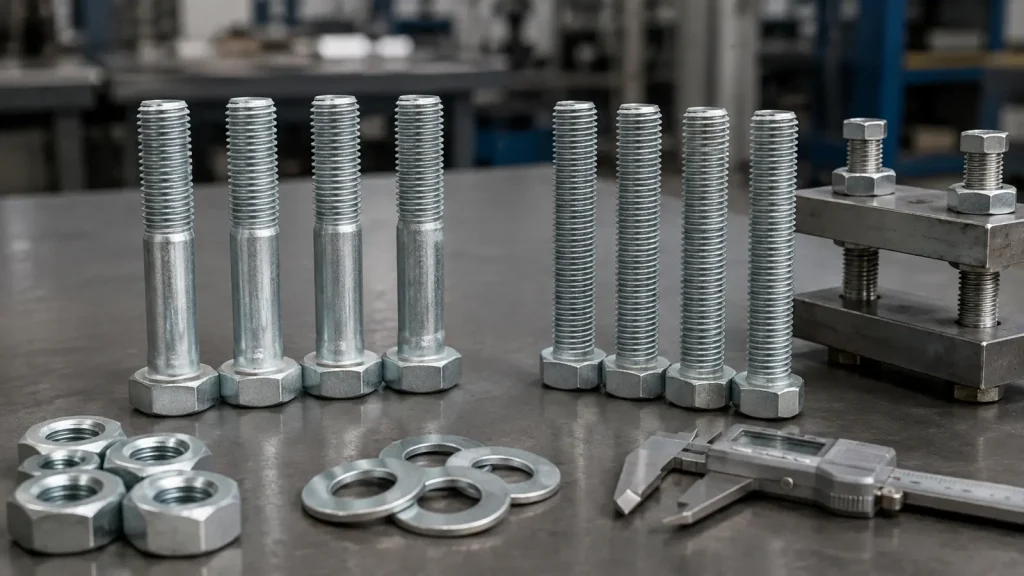
DIN 931-style half-thread and DIN 933-style full-thread hex bolts should not be selected from diameter and overall length alone. The practical choice depends on the joint stack, required grip, location of the thread transition, available nut engagement, mating hardware, material or property requirement, coating system and governing product specification. A half-thread bolt is not automatically […]

Which U-Bolt Measurements Must Buyers Provide Before a Quote?

Which U-Bolt Measurements Must Buyers Provide Before a Quote?

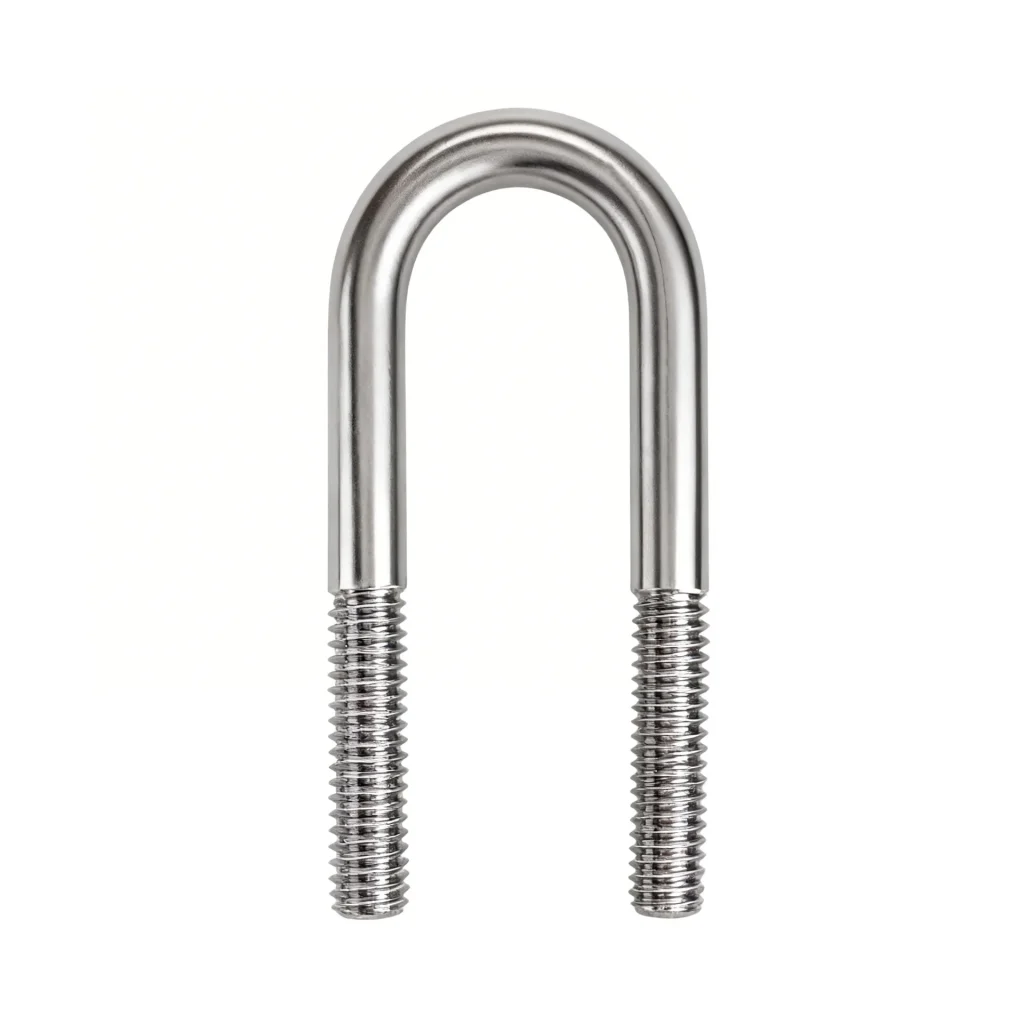
For an M10–M24 U-bolt RFQ, buyers should send a dimensioned drawing that defines thread diameter, inside width, leg or overall length, bend geometry, thread length, application diameter, material or grade requirement, surface finish, matching nuts/washers, quantity, and packing needs. Nominal thread size alone is not enough because different measurement datums can produce U-bolts that look […]

What Should Buyers Check Before Ordering Hot-Dip Galvanized Flat Washers?

What Should Buyers Check Before Ordering Hot-Dip Galvanized Flat Washers?

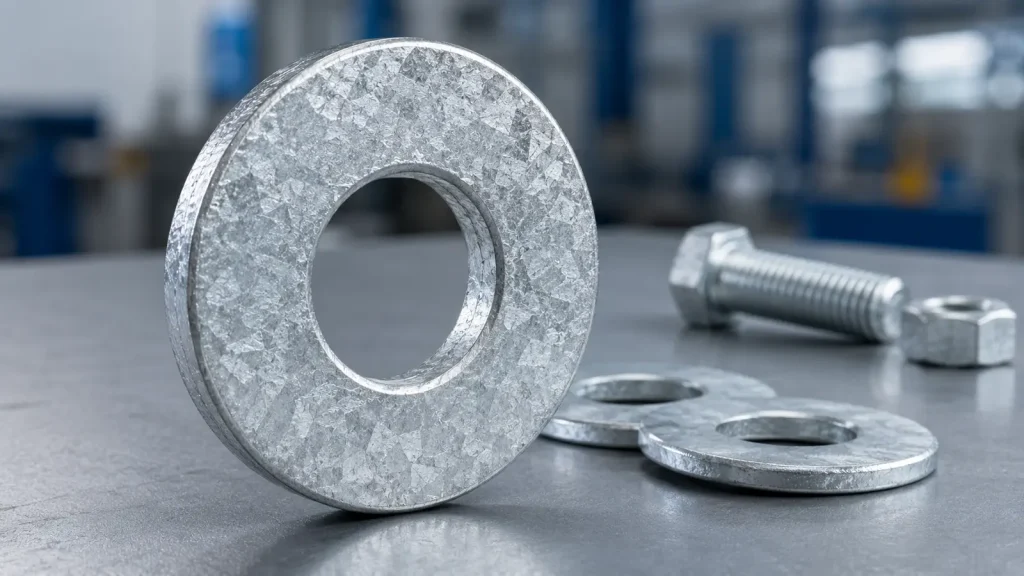
A hot-dip galvanized flat washer should be purchased as a defined joint component, not simply as an M-size metal disc. A usable specification identifies the dimensional standard and series, nominal size, inside and outside diameters, thickness, product grade, hardness or mechanical requirement, base material, coating requirement and the bolt, nut and bearing surface with which […]

What Is the Difference Between Self Drilling and Self Tapping Screws?

What Is the Difference Between Self Drilling and Self Tapping Screws?

Direct Answer: A self-drilling screw has a drill-shaped point that creates a hole and then forms mating threads in a suitable material. A self-tapping screw forms or cuts mating threads but may require a correctly sized pilot hole. Selection depends on substrate type and thickness, joint stack, point geometry, installation tool, finish and application testing—not […]

How Should Buyers Select Chinese and German Standard Hex Nuts?

How Should Buyers Select Chinese and German Standard Hex Nuts?

Direct Answer: Select a hex nut by the exact standard number and edition, thread diameter and pitch, nut style, property class, material, finish, mating bolt and acceptance method. “Chinese standard” or “German standard” alone is not a complete specification. Regular, thick, thin and flange nuts can differ in geometry and load behavior, so buyers should […]

Frequently Asked Questions

How should I specify the colour for a visible fastener?

Use a recognised colour reference, approved panel sample or physical colour chip rather than a plain description such as blue, red or dark grey. Also confirm which visible parts need coating, because the head, washer and any exposed thread may affect the final appearance.

Is a painted head enough for outdoor roofing or cladding?

Not always. A painted appearance may satisfy the visual requirement, but the base fastener material, corrosion protection and washer durability also need to suit outdoor exposure. Ask what coating system is proposed for the full fixing assembly, not just the head colour.

What is the trade-off between colour match and coating toughness?

A very close colour match is useful on visible panels, but it should not be chosen at the expense of adhesion, corrosion resistance or installation performance. In some applications, a slightly less exact shade with a more suitable coating system may be the better choice.

Can the same coated fastener be used with different panel materials?

It should be checked before substitution. Different panels, coatings and metals can have different compatibility requirements, especially outdoors or in damp environments. Provide the panel material and finish so the fastener and washer can be assessed as a complete fixing.

What common mistake causes colour-coated fasteners to fail visually?

A common mistake is approving the colour on a loose sample but ignoring installation damage. The driving bit, torque, recess type and washer compression can all affect whether the coating chips, scuffs or exposes metal after installation.

What details should I send with an enquiry?

Send the fastener type, size, head style, substrate, panel or surface material, colour reference, indoor or outdoor exposure and any washer requirement. If appearance is critical, ask whether a sample can be reviewed against the finished panel before production.

Leave Your Message

Please provide the fastener type and size, the material being fixed, the required colour reference and the indoor or outdoor exposure conditions so the suitable coating and compatibility questions can be addressed.