The most common distinction is between fasteners that cut or form their own thread and fasteners that clamp through a prepared hole with a nut or threaded insert. Self-tapping or self-drilling screws can speed installation in sheet metal or profiles, but they need the right pilot condition and thread engagement. Through-bolts and machine screws usually give more controlled clamping where the door or lock case can accept them.
Head style also matters. Countersunk heads sit flush under escutcheons, strike plates and latch plates, while pan, button or socket heads may interfere with trim if there is not enough clearance. A fastener that is mechanically strong but proud of the surface can still cause a lock to bind or a cover plate to sit unevenly.
Start with the door and frame material. Wood, thin steel, stainless steel, aluminum and composite doors do not hold threads in the same way. A fastener that works well in a solid timber door may strip in thin sheet metal; a screw that bites into steel may split a narrow wooden stile without a suitable pilot hole.
Match the fastener to the lock position. Lock body screws, latch plate screws, cylinder retaining screws and strike plate screws do different jobs. Some mainly locate a part; others resist pull-out, vibration or forced movement. Treating every screw in the set as interchangeable is a common cause of loose plates and misaligned latches.
Choose the surface finish for the environment and the visible hardware. Indoor cabinet or room-door hardware may prioritize appearance and smooth seating. Exterior doors, damp corridors and industrial entrances need more attention to corrosion resistance and compatibility with the lock or trim material. Confirm the finish rather than relying on color alone.
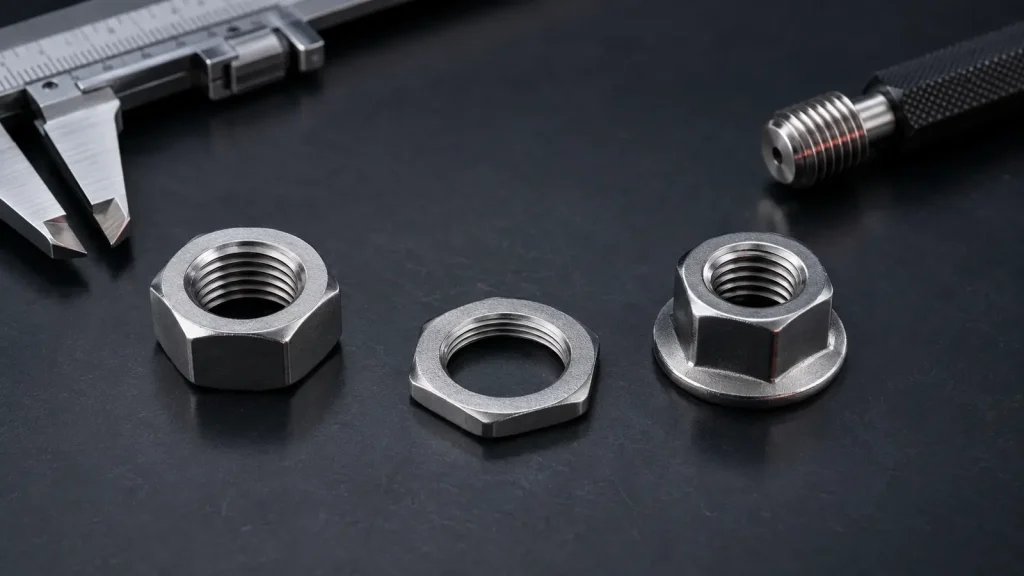
Before requesting a quote, prepare a simple part description: fastener type, head style, drive type, thread form, material or finish, door material, application position and any sample or drawing you already use. If the part must replace an existing screw, send clear measurements or a sample so the thread and head geometry can be matched correctly.