Driller-Style Fasteners | Hebei Wotu Fastener Manufacturing Co., Ltd.

Driller-Style Fasteners for Self-Drilling Applications

Driller-style fasteners are chosen when the screw must cut its own hole and fasten material in one operation. The main decision is not just the head shape or coating; it is whether the drill point, thread form and material match the sheet, frame or substrate being joined.

For a buyer comparing self-drilling screw options, the practical benefit is faster installation with fewer separate drilling steps. The risk is choosing a point or thread that looks similar but performs poorly in the actual material stack.

Related Products

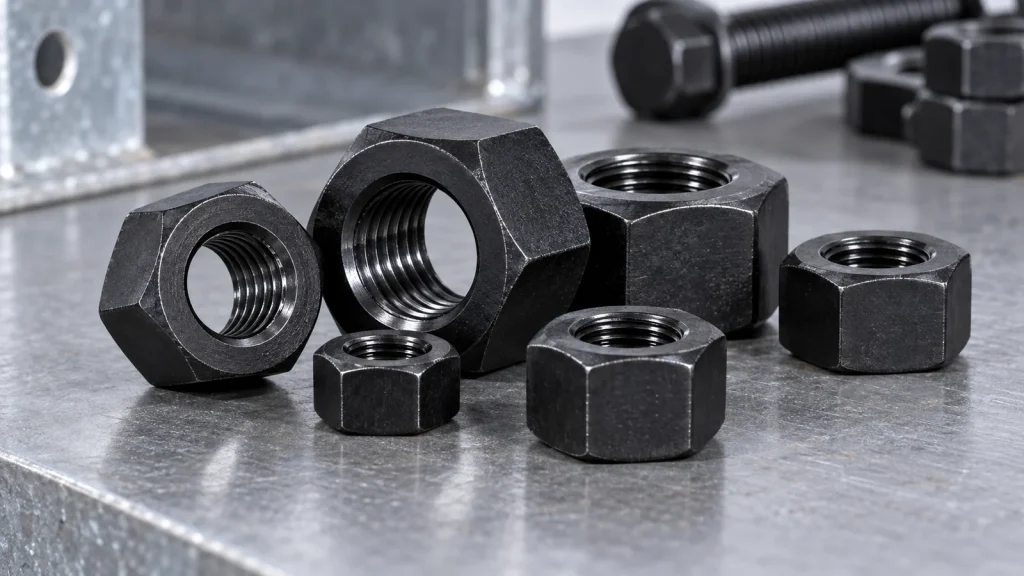
Chinese National Standard / German Standard Hex Nut (thick Nuts, Thin Nuts, Flange Nuts, Multiple Categories)

Chinese National Standard / German Standard Hex Nut (thick Nuts, Thin Nuts, Flange Nuts, Multiple Categories)

Brand: Wotu Surface: color zinc plated, blue-white zinc plated, black oxide, hot-dip galvanized, various surface treatments available Specifications: Comply with DIN934, GB/T6170, GB/T6172.1, GB/T6177.1 standards, in stock M6-M64 full range of specifications, support nonstandard customized Packaging: woven bag inside/25kg export carton, full-container wooden pallet wrapped with film, supports private-label, neutral export packaging

Read More

Hot-Dip Galvanized Hex Nut (DIN934 Thickened/GB Thin Nut In Multiple Specifications)

Hot-Dip Galvanized Hex Nut (DIN934 Thickened/GB Thin Nut In Multiple Specifications)

Brand: Wotu Surface: high temperature hot dip zinc plated surface treatment Specifications: Comply with DIN934, GB/T6170, GB/T6172.1 Chinese national standard German standard, in stock M6-M64 full range of specifications, length is nonstandard customized as required Packaging: 25kg woven bag/export carton, full-container wooden pallet wrapped with film, supports neutral packaging, private-label customization

Read More
Hot-Dip Galvanized Hex Head Bolt (DIN931 Half Thread / DIN933 Full Thread / GB30 Chinese National Standard Bolt, Can Be Equipped With Nut And Washer Set)

Hot-Dip Galvanized Hex Head Bolt (DIN931 Half Thread / DIN933 Full Thread / GB30 Chinese National Standard Bolt, Can Be Equipped With Nut And Washer Set)

Brand: Wotu Surface: overall hot-dip zinc plating treatment Specifications: Comply with DIN and GB standards, in stock M6-M48 full range of specifications, length 20mm-300mm, supports nonstandard customized. Packaging: woven bag inside / 25kg export carton, film-wrapped wooden pallet; supports neutral packaging and customer private-label customization.

Read More

Driller-Style Fastener Selection Factors

Selection criteria

Compare driller-style fasteners by drill point type, thread pattern, head shape, drive recess, washer requirement, material and surface finish. These details determine whether the screw drills cleanly, seats correctly and holds reliably in the intended assembly.

Criterion What To Check Why It Matters Buyer Tip
Drill point style and material thickness Confirm the drill point type and the sheet or section thickness it is meant to penetrate before thread engagement. A point that is too light can burn or fail to drill; a point that is too aggressive may oversize the hole or reduce thread grip. What base material and thickness range will this driller style be used with?
Thread form after drilling Compare the thread diameter, pitch, and thread length with the material stack and required clamp load. The drill point makes the hole, but the thread holds the joint. Poor thread engagement can lead to loosening or pull-out. How many layers must the fastener pass through, and where should the threads fully engage?
Head style and drive recess Match the head shape and drive type to the tool access, surface finish, and torque control used during installation. The wrong drive can cam out or strip; the wrong head can sit proud, crush a washer, or interfere with the assembled part. Will installation be by hand tool, screw gun, or automated driver, and does the head need to sit flush?
Coating and exposure conditions Ask what surface coating is available and whether it suits indoor, outdoor, humid, or chemically exposed use. Self-drilling fasteners expose fresh metal as they cut. The coating and washer choice affect corrosion resistance around the finished joint. What environment will the installed fastener face, and is a sealing washer needed?
Point consistency for production work Request confirmation of dimensional tolerances and sample performance in the actual mating material. Small changes in point geometry can change drilling speed, burr formation, and tool wear across a batch. Can samples be tested in the real material stack before placing a production order?

Choosing the Right Drill Point, Head and Finish

The useful distinction is between a fastener that only forms threads after a pilot hole and a driller-style fastener with an integrated drill point. A true drilling point removes material as it enters, so the point geometry must suit the base metal thickness and hardness. If the point is too light for the work, installers may see wandering, broken tips or incomplete penetration.

Head style also changes the result. Hex washer heads suit many metal-to-metal and roofing-style assemblies where drive grip and bearing area matter. Pan, wafer or countersunk heads may be better where clearance, appearance or flush seating is more important. The right choice depends on the joint, not on one “standard” driller style.

Start with the materials being joined. Thin sheet to light steel framing, metal sheet to timber, and heavier metal-to-metal assemblies can require different point styles and thread designs. Share the material stack, approximate thickness range and whether the fastener must drill through one or multiple layers.

Match the head and drive to the installation method. A hex washer head gives strong tool engagement and can help distribute load under the head. A countersunk or low-profile head may be selected where the fastener cannot stand proud. Avoid choosing by appearance alone; poor drive fit can slow installation and damage coatings.

Consider corrosion exposure before selecting surface finish. Indoor dry assemblies, exterior cladding, roofing and humid industrial settings place different demands on plating or coating. The wrong finish may look acceptable at purchase but fail earlier than expected in service.

A practical next step is to ask Hebei Wotu Fastener Manufacturing Co., Ltd. which driller-style options suit your material stack, required head style, drive type and finish preference. If samples are available, test them with the same driver speed, tool bit and substrate used in production.

Criteria Importance Description Example Options
Drill point type and capacity Decisive for successful penetration The point must match the combined thickness and hardness of the materials. A point intended for light sheet may not suit a heavier metal-to-metal joint. Compare a point for thin sheet with a more robust point for a thicker or harder material stack.
Thread form Important for holding and installation speed Thread spacing and form should suit the material receiving the threads and the loads placed on the joint. The best pattern for metal-to-metal work may differ from one used with timber. Review coarse and fine thread options against the actual substrate rather than choosing by screw appearance.
Head and drive style Important for seating, clearance and tool compatibility Head shape affects bearing area, visible profile and whether the fastener sits flush. The drive recess must also match the available driver and bit. A hex washer head may suit accessible assemblies, while a countersunk or low-profile head may suit a flush or restricted-clearance installation.
Material and surface finish Important wherever moisture or chemicals are present The fastener material and finish should reflect the service environment. A finish selected for a dry interior should not automatically be treated as suitable for exterior or humid use. Compare finishes intended for dry indoor assemblies with options considered for exterior cladding or humid industrial areas.
Integrated drilling versus a pilot-hole method A practical trade-off in installation planning An integrated point can reduce separate drilling steps, while a pilot-hole method may provide more control in thick, hard or position-sensitive materials. The choice affects tools, labor and process consistency. Use the integrated point where the material stack is within its intended range; consider a pilot hole when controlled hole size or difficult substrate conditions matter more than speed.

Blog Articles / Reviews

Grade 8 vs Grade 10 Hex Nuts: Strength Class and Bolt Compatibility

Grade 8 vs Grade 10 Hex Nuts: Strength Class and Bolt Compatibility

Class 8 and class 10 metric hex nuts are not interchangeable labels for bolt strength. They identify different nut property classes, while the suitability of either nut depends on the mating bolt, thread dimensions, nut style and the relevant specification. A black oxide finish adds another purchasing variable: it describes a surface treatment, not a […]

What Is a Fastener? Types, Functions and Industrial Uses

What Is a Fastener? Types, Functions and Industrial Uses

A fastener is a hardware component that mechanically joins or secures parts. Common examples include screws, bolts, nuts and rivets; washers are supporting components used in many fastening assemblies. Some connections can be dismantled by removing threaded fasteners, while others, such as riveted joints, normally require the fastener to be destroyed during removal. In industrial […]

How Should Buyers Evaluate Self Tapping Screws for Project Procurement?

How Should Buyers Evaluate Self Tapping Screws for Project Procurement?

#4 self tapping screws should not be purchased from the “#4” designation alone. For a usable B2B specification, the buyer still needs the actual screw diameter, thread form or pitch, overall length, substrate, pilot-hole condition, head and drive style, material, surface finish and quantity. This matters because suppliers may use different naming systems. Wotu Fastener’s […]

What Should an RFQ Include When Sourcing Dacromet Hex Head Self-Drilling Screw?

What Should an RFQ Include When Sourcing Dacromet Hex Head Self-Drilling Screw?

When sourcing dacromet hex head self drilling screw, a complete RFQ should define the application, screw configuration, coating requirement, dimensions, and supplier confirmation requirements. Buyers often receive different quotations because suppliers may interpret coating, size, drilling capability, or packaging scope differently. Before preparing a project inquiry, buyers can review the available fastener product categories to […]

How to Specify Countersunk Head Cross Thick Thread Fiberboard Screws for Furniture Assembly Projects

How to Specify Countersunk Head Cross Thick Thread Fiberboard Screws for Furniture Assembly Projects

Fiberboard screws are selected based on more than screw size alone. For furniture assembly and board-based applications, buyers need to match the screw structure with the characteristics of fiberboard, MDF, and similar engineered wood materials. A suitable specification should consider thread design, head style, screw length, diameter, installation method, and application requirements. For buyers sourcing […]

Frequently Asked Questions

Are these fasteners suitable for joining sheet metal to timber?

They can be suitable when the drill point can pass through the metal and the thread provides enough engagement in the timber. Confirm the thickness and hardness of the sheet, the timber type, and whether the head needs a washer or a flush finish before selecting a design.

When would a pilot-hole screw be a better choice?

A screw used with a separate pilot hole may be preferable when the material stack is too thick or hard for the integrated point, or when the hole position and size must be controlled closely. It adds an installation step but can give the installer more control over difficult materials.

Does an integrated drill point eliminate the need to check the substrate?

No. A drill point does not have unlimited cutting capacity, and similar-looking points can suit different material thicknesses and hardness levels. A point that is too light may wander, stop before full penetration or suffer damage during installation.

How do I choose between a hex washer head and a countersunk head?

A hex washer head is often considered where drive engagement and bearing area are important. A countersunk head is more appropriate when the fastener must sit flush or remain within a limited clearance, but the mating material must allow proper countersinking.

What information should I provide when requesting a suitable option?

Provide the materials being joined, the approximate thickness of every layer, the required head and drive style, the installation tool, and the expected exposure to moisture or chemicals. Ask Hebei Wotu Fastener Manufacturing Co., Ltd. to confirm the drill point, thread pattern and finish for that application, and whether samples can be evaluated in the actual material stack.

Leave Your Message

Send the material being fastened, the approximate thickness of each layer and the preferred head or drive style. Include the installation environment if corrosion resistance is important.