Electric Power Screwdriver Selection | Hebei Wotu Fastener Manufacturing Co., Ltd.

Electric power screwdriver selection for fastening work

An electric power screwdriver is useful when a fastening job needs repeatable driving speed, controlled torque and less operator fatigue than a hand screwdriver. The main decision is not simply corded or cordless; it is whether the tool can drive the chosen screw consistently without damaging the head, stripping the thread or leaving joints under-tightened.

For buyers working with screws, self-tapping fasteners or light assembly hardware, the right screwdriver should match the fastener type, material being joined and daily workload. A tool that works well for occasional maintenance may not suit production assembly, and a high-speed model can cause more problems if torque control is poor.

Related Products

Blue-White Zinc Plated Pan Head With Pad Self-Tapping Screw

Blue-White Zinc Plated Pan Head With Pad Self-Tapping Screw

Brand: Hengzuan Surface: blue and white zinc plated Specifications: in stock ST4.2/ST4.8full range of specifications, length 13~50mm in stock, support nonstandard length customization Packaging: 25kg cartons, solid wood packaging, support neutral packaging, private-label customization

Read More
7-letter, 9-letter L-shaped anchor bolt (Chinese national standard GB/T799-1988 embedded anchor screw)

7-letter, 9-letter L-shaped anchor bolt (Chinese national standard GB/T799-1988 embedded anchor screw)

Brand: Wotu Surface: Natural black oxide treatment, customized hot-dip galvanized, zinc plated as required Specifications: Follow Chinese national standard GB/T799-1988, in stock M12-M48, total length 120mm~1500mm, nonstandard customized diameter, bending length, total screw length available Matching: Nuts, flat washers and spring washers of the same specification can be supplied in complete sets. Packaging: Bundling and packaging, using wooden pallets and film-wrapped export packaging in large quantities

Read More
Hex nut (Chinese national standard GB52-1976)

Hex nut (Chinese national standard GB52-1976)

Brand: Wotu Surface: 304 stainless steel Specifications: in stock M6~M24 full standard metric specifications, supports nonstandard pitch, thickening/customized Matching: Can be matched with bolts of corresponding specifications, flat washer, spring washer complete set of supporting shipment Packaging: 25kg cartons, whole wooden pallets

Read More
Hot-Dip Galvanized Chinese National Standard Flat Washer (GB/T97.1A Level Flat Washer)

Hot-Dip Galvanized Chinese National Standard Flat Washer (GB/T97.1A Level Flat Washer)

Brand: Wotu Surface: overall hot-dip zinc plated anti-corrosion treatment, optional blue-white zinc plated, color zinc plated, black oxide Specifications: Execute GB/T97.1-2002 Chinese national standard, in stock M6-M64 full range of specifications, inner diameter, outer diameter, thickness strictly comply with Chinese national standard parameters, support nonstandard size customized Packaging: 25kg woven bag / export carton packaging, full pallets wrapped with film, supports private-label customization

Read More
Grade 8/Grade 10 High-strength Black Oxide Hex Nut (DIN934/GB Chinese National Standard Thickened Nut)

Grade 8/Grade 10 High-strength Black Oxide Hex Nut (DIN934/GB Chinese National Standard Thickened Nut)

Brand: Wotu Surface: quenching and tempering heat treatment + high temperature black oxide anti-rust treatment Specifications: Comply with DIN934, GB/T6170 standards, in stock M6-M48 full range of specifications, nonstandard sizes can be customized Packaging: 25kg carton/woven bag inner packaging, whole wooden pallet wrapped with film for export packaging, supports neutral/private-label customization packaging

Read More
Chinese National Standard / German Standard Hex Nut (thick Nuts, Thin Nuts, Flange Nuts, Multiple Categories)

Chinese National Standard / German Standard Hex Nut (thick Nuts, Thin Nuts, Flange Nuts, Multiple Categories)

Brand: Wotu Surface: color zinc plated, blue-white zinc plated, black oxide, hot-dip galvanized, various surface treatments available Specifications: Comply with DIN934, GB/T6170, GB/T6172.1, GB/T6177.1 standards, in stock M6-M64 full range of specifications, support nonstandard customized Packaging: woven bag inside/25kg export carton, full-container wooden pallet wrapped with film, supports private-label, neutral export packaging

Read More

Selecting an electric screwdriver for screw fastening work

Electric screwdriver selection points

Useful selection criteria include the screw drive style, required tightening control, access space around the fastener, operator workload and whether the application is field installation, repair or repeated assembly. The tool should support the fastener rather than force a mismatch between bit, screw head and joint material.

Criterion What To Check Why It Matters Buyer Tip
Torque control and repeatability Ask how torque is set, adjusted, and verified on the screwdriver model you are considering. Fasteners can strip, loosen, or sit unevenly if the tool cannot hold a consistent torque for the joint. What torque range do you recommend for my screw size, material, and production pace?
Power source and duty cycle Compare corded, battery, and controller-powered options against the number of screws driven per shift. A tool that suits light assembly may overheat, slow down, or need frequent charging in continuous work. How many fastening cycles can the tool handle in normal continuous use before cooling or recharging?
Bit compatibility and nose access Confirm the drive type, bit shank, screw head style, and clearance around the fastening point. Poor bit fit causes cam-out, damaged screw heads, and slower assembly, especially in recessed or narrow areas. Can you match the screwdriver and bit setup to a sample screw or drawing of my assembly?
Start method and operator control Review push-to-start, trigger-start, clutch shutoff, and reverse functions before choosing a model. The control style affects operator fatigue, fastening speed, and how easily workers can remove or correct screws. Which start and shutoff method is better for repeated bench assembly versus occasional maintenance use?
Service parts and calibration support Ask about replacement bits, carbon brushes if applicable, clutch parts, controllers, and torque checking support. Consumables and calibration needs affect downtime more than the initial tool purchase in regular production. Which parts wear first, and how should we check torque accuracy during routine use?

Match the screwdriver to the fastener, material and workload

The practical difference between an electric power screwdriver and a drill driver is control. A drill driver can make holes and drive screws, but it often has more power than needed for small fasteners. A dedicated power screwdriver usually gives better handling, easier bit alignment and more predictable tightening for repetitive screwdriving.

This matters most where the screw head, thread engagement or finished surface must stay clean. If the job involves larger fasteners, pilot holes or mixed drilling and driving, a drill driver may be more flexible. If the job is repetitive screw assembly, an electric screwdriver with the right clutch and bit fit is usually the safer choice.

Start with the fastener, not the tool. Confirm the screw drive type, head size, material, thread style and the material being fixed. A Phillips, Pozidriv, hex socket or Torx-style recess needs the correct bit profile; a close-looking bit can cam out, wear the screw head and create inconsistent tightening.

Choose torque control for the work, not just maximum power. Adjustable clutch settings help prevent overdriving in softer materials and under-tightening in harder joints. Too much torque can strip threads or crush the surface, while too little can leave assemblies loose after vibration or handling.

Consider duty cycle and working position. Cordless tools give freedom for site work, maintenance and moving around large assemblies, but battery management becomes part of the job. Corded or bench-use tools can suit repeated workstation assembly where consistent operation matters more than mobility.

Avoid buying the screwdriver separately from the fastening method. Ask whether pilot holes are needed, which bit standard should be used, how the fastener should sit after installation and whether the joint needs a torque check. For an inquiry, share the screw type, the materials being joined and the expected use pattern so the tool and fastener can be considered together.

Criteria Importance Description Example Options
Fastener and bit compatibility Essential for reliable engagement and clean screw installation. The drive profile and bit size should match the screw recess closely. A poor match can cause slipping, damaged heads and inconsistent results. A Torx-style screw requires a correctly sized Torx-style bit rather than a visually similar profile.
Torque control Important wherever joint tightness, surface condition or thread integrity matters. Adjustable control helps limit overdriving in softer materials and reduces the risk of under-tightening in harder joints. Maximum torque alone does not indicate suitability. A light assembly may need a lower, repeatable setting than a fastening task involving a harder material.
Corded, cordless or bench-use format The right choice depends on mobility, access and the pattern of daily work. Cordless tools support movement around assemblies but require battery planning. Corded or workstation tools can be practical where the operator repeatedly works in one location. Field maintenance may favor portability, while a fixed assembly station may favor continuous access to power.
Workload and access Important for operator comfort, consistency and tool suitability over the intended use period. Consider fastening frequency, available clearance, operator position and whether quick bit changes are needed. A tool suited to occasional repairs may not be the best fit for repeated production work. A compact tool can be easier to align in a confined assembly, while a larger tool may be more suitable where access is open and the workload is heavier.

Product Selection

Related Options

For assembly work using small screws, the priority is controlled, repeatable tightening. For site work or maintenance, portability and quick bit changes may matter more. For harder materials or larger fasteners, confirm that the electric screwdriver has enough torque without sacrificing control at the screw head.

Blog Articles / Reviews

Hex Head Self-Drilling Screws with Cup Washers: Choosing Drill Point and Length

Hex Head Self-Drilling Screws with Cup Washers: Choosing Drill Point and Length

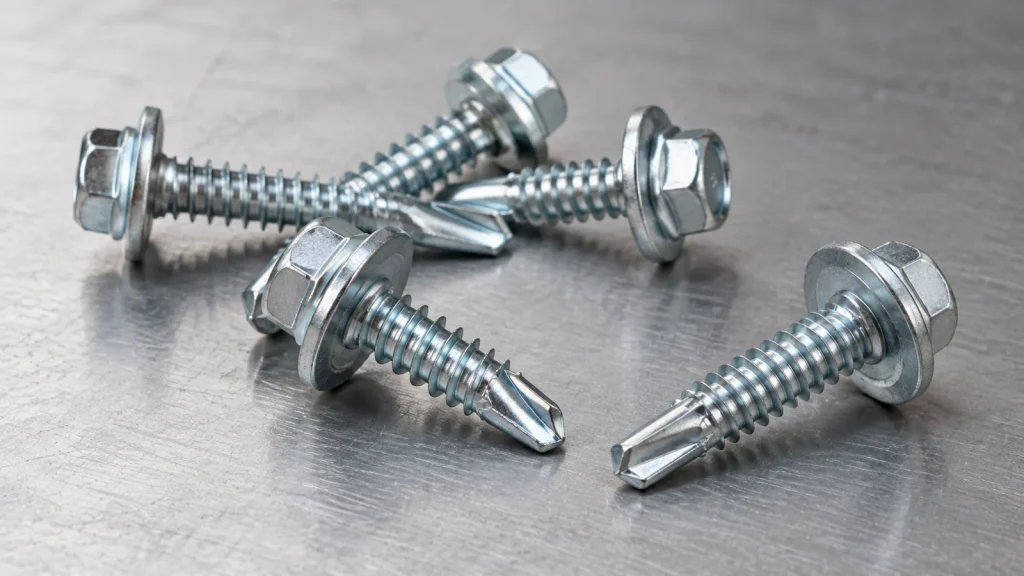
Choosing a hex head self-drilling screw with a cup washer requires more than selecting ST5.5 or ST6.3 and a nominal length. The drilling point must suit the steel it penetrates; the threaded section must engage the intended supporting material; and the head-and-washer assembly must seat correctly on the outer panel. A screw’s drilling capacity is […]

Which Hexagonal Wood Screw Specifications Should Buyers Freeze Before Production?

Which Hexagonal Wood Screw Specifications Should Buyers Freeze Before Production?

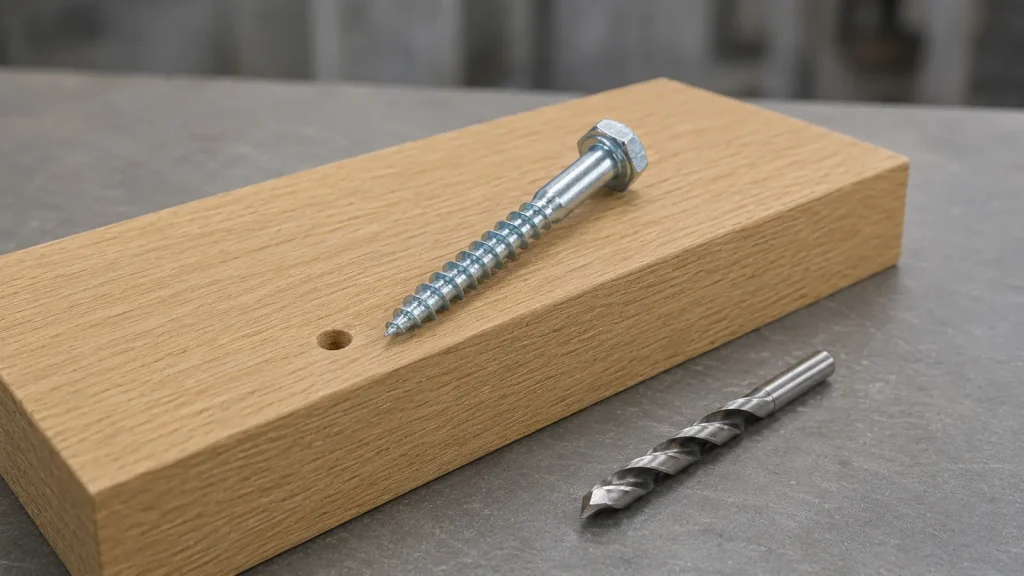
A hexagonal wood screw order should not be released from a gauge number and length alone. Before production, the buyer and supplier need one approved specification that fixes the screw diameter, length basis, thread geometry, point, hex-head dimensions, material, finish, installation method, substrate and acceptance evidence. The pilot hole belongs in the application specification as […]

Why Do Self-Tapping Roofing Screws Leak Even When the Screw Length Looks Correct?

Why Do Self-Tapping Roofing Screws Leak Even When the Screw Length Looks Correct?

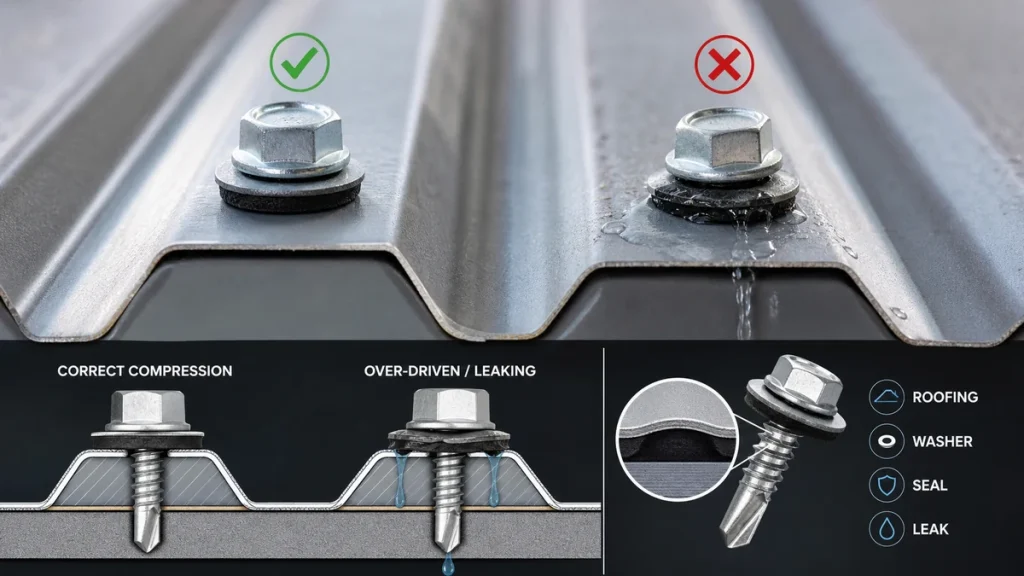
Direct answer: Correct screw length does not guarantee a watertight metal-roof connection. Self tapping roofing screws can leak because of incorrect washer compression, enlarged or stripped holes, insufficient thread engagement, panel movement, or an unsuitable coating-and-washer system. Buyers should diagnose the complete installed connection—including panel profile, support thickness, point type, washer condition, and exposure—rather than […]

Why Do U Bolts Loosen in Pipe Supports? 6 Causes and Prevention Methods

Why Do U Bolts Loosen in Pipe Supports? 6 Causes and Prevention Methods

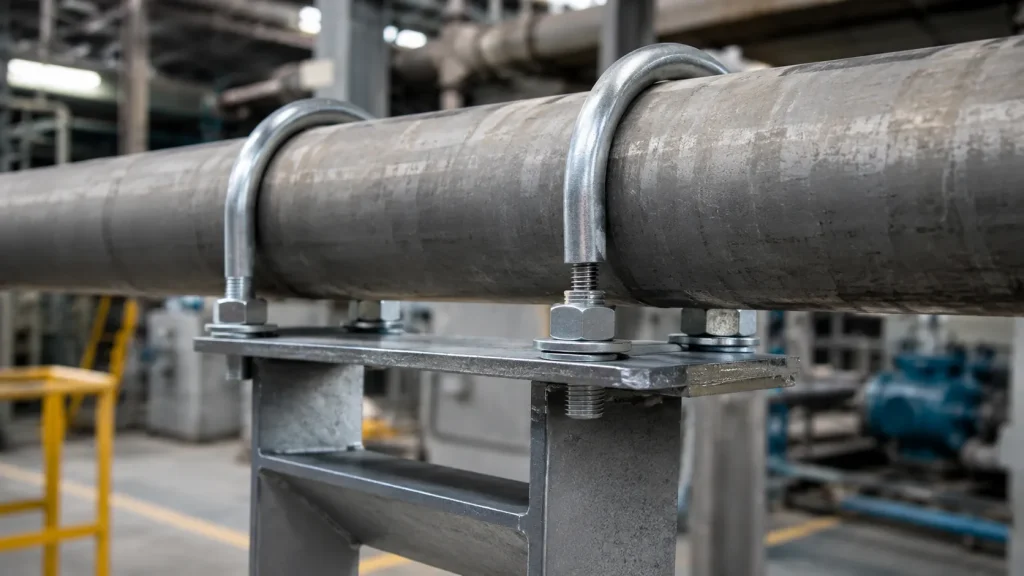
U bolts usually loosen in pipe supports because the connection loses clamping force, receives continuous vibration, restricts thermal pipe movement, uses an incorrectly sized U bolt, experiences surface settlement, or suffers from corrosion and inadequate inspection. This issue affects EPC contractors, pipe installers, industrial maintenance teams, equipment manufacturers and fastener distributors working with water, oil […]

Definition of Self-Drilling Screw

Definition of Self-Drilling Screw

A screw is a tool that uses the physical and mathematical principles of inclined planes, circular rotation, and friction to gradually tighten objects and machine parts. A self-drilling screw is a screw with a self-tapping drill bit at its tip. Screws are a common invention of humankind throughout history, and in terms of application, they […]

Frequently Asked Questions

Is a dedicated screwdriver suitable for repetitive assembly work?

Yes, it can suit repeated screw installation where consistent driving and reduced hand fatigue matter more than drilling flexibility. Confirm that the tool offers suitable torque control, bit compatibility and a duty pattern appropriate for the intended workload.

When is a drill driver the better alternative?

A drill driver is the more flexible choice when the job combines hole making, pilot drilling and screwdriving or uses a broad range of fastener sizes. Its extra power may be less convenient for small screws if the clutch and speed settings do not provide enough control.

Does a higher operating speed always produce better results?

No. Excessive speed can cause cam-out, surface damage or overdriving, especially in softer materials or with small fasteners. A controlled speed and an appropriate clutch setting are usually more valuable than maximum speed alone.

Should one tool cover every screw and joint in a workshop?

Usually not. Different drive profiles, screw sizes, materials and access conditions may require different bits, torque ranges or tool formats, so a highly flexible tool can involve a compromise in control or handling.

What should be included in a purchase enquiry?

Provide the screw drive type and size, the materials being joined, the expected fastening frequency, the working position and whether mobility is important. Also ask which bit standard, torque-control range and power arrangement suit the application.

Leave Your Message

Share the screw drive type and size, the materials being joined, and whether the work is occasional maintenance or repeated assembly. These details help confirm the suitable screwdriver style, bit choice and torque-control needs.