Eye Nut Hangers Selection Guide | Hebei Wotu Fastener Manufacturing Co., Ltd.

Eye Nut Hangers for Threaded Assemblies

Eye nut hangers provide a threaded attachment point for suspending components, fittings or assemblies. The key purchase decision is matching the hanger's thread and eye arrangement to the mating hardware, while confirming that the design suits the direction and nature of the applied load.

For a reliable enquiry, identify the connection standard, intended application, installation environment and required quantity. Those details determine whether a basic eye nut, an eye nut used with a threaded rod, or a more complete hanger assembly is appropriate.

Related Products

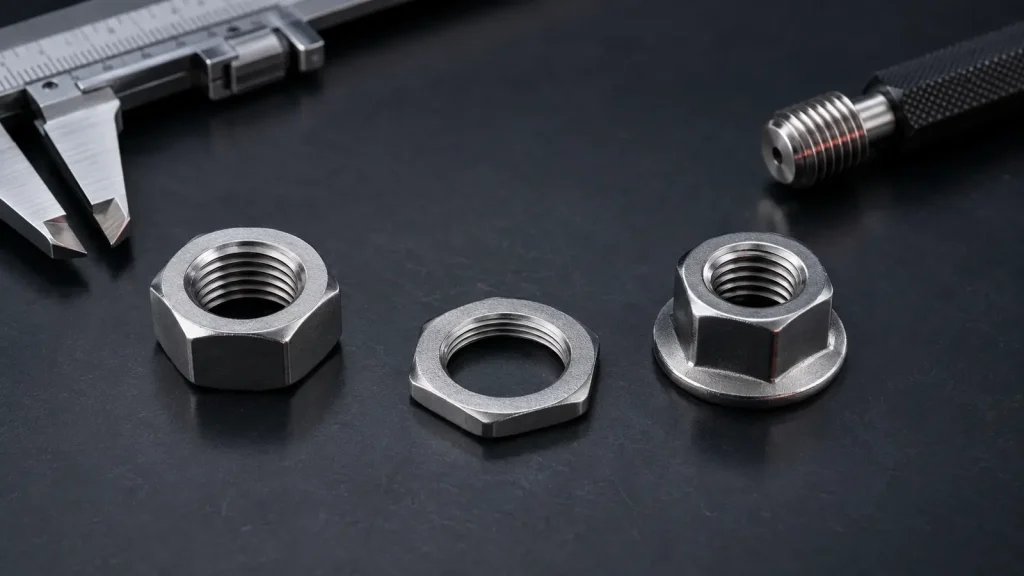
Hex nut DIN934-1987 (A/B accuracy classification)

Hex nut DIN934-1987 (A/B accuracy classification)

Brand: Wotu Standard basis: German standard DIN934-1987, metric coarse thread/fine thread universal thread Surface: 304 stainless steel Specifications: M6~M24 full range of specifications Supporting equipment: same specification bolts, flat washer, spring washer complete set of shipment Packaging: 25kg standard carton, whole wooden pallet packaging

Read More
Hex thin nut

Hex thin nut

Brand: Wotu Surface: zinc plated Specifications: in stock M8~M64 full standard specifications, covering precision, machinery, and steel structure full size range, supporting nonstandard tooth pitch and customized thickness Matching: Can be matched with bolts of corresponding specifications, flat washer, spring washer complete set of shipment Packing: packed in 25kg cartons and packed on wooden pallets.

Read More
Hex nut (Chinese national standard GB52-1976)

Hex nut (Chinese national standard GB52-1976)

Brand: Wotu Surface: 304 stainless steel Specifications: in stock M6~M24 full standard metric specifications, supports nonstandard pitch, thickening/customized Matching: Can be matched with bolts of corresponding specifications, flat washer, spring washer complete set of supporting shipment Packaging: 25kg cartons, whole wooden pallets

Read More
Hex flange nut (Chinese national standard GB/T6177.1-2000)

Hex flange nut (Chinese national standard GB/T6177.1-2000)

Brand: Wotu Surface: zinc plated Specifications: in stockM6/M8/M10/M12/M14/M16/M20 Chinese national standardfull range of specifications, support nonstandard thickness, tooth pitch customized Matching: can be matched with bolts of the same specification, flat washer, spring washer complete set of shipment Packaging: 25kg cartons, whole wooden pallets

Read More
Grade 8/Grade 10 High-strength Black Oxide Hex Nut (DIN934/GB Chinese National Standard Thickened Nut)

Grade 8/Grade 10 High-strength Black Oxide Hex Nut (DIN934/GB Chinese National Standard Thickened Nut)

Brand: Wotu Surface: quenching and tempering heat treatment + high temperature black oxide anti-rust treatment Specifications: Comply with DIN934, GB/T6170 standards, in stock M6-M48 full range of specifications, nonstandard sizes can be customized Packaging: 25kg carton/woven bag inner packaging, whole wooden pallet wrapped with film for export packaging, supports neutral/private-label customization packaging

Read More
Chinese National Standard / German Standard Hex Nut (thick Nuts, Thin Nuts, Flange Nuts, Multiple Categories)

Chinese National Standard / German Standard Hex Nut (thick Nuts, Thin Nuts, Flange Nuts, Multiple Categories)

Brand: Wotu Surface: color zinc plated, blue-white zinc plated, black oxide, hot-dip galvanized, various surface treatments available Specifications: Comply with DIN934, GB/T6170, GB/T6172.1, GB/T6177.1 standards, in stock M6-M64 full range of specifications, support nonstandard customized Packaging: woven bag inside/25kg export carton, full-container wooden pallet wrapped with film, supports private-label, neutral export packaging

Read More

Match the eye nut hanger to the assembly

Eye nut hanger selection points

When comparing eye nut hangers, focus on thread compatibility, eye dimensions, material and finish, load direction, installation clearance and the information available to verify the design. A drawing, sample or assembly sketch can resolve fit questions more accurately than a product name alone.

Criterion What To Check Why It Matters Buyer Tip
Load direction and lifting use Confirm whether the eye nut will be loaded in line with the threaded shank, at an angle, or only used as a hanging point. Eye nuts handle force differently depending on the pull direction. Side loading or angled lifting can reduce usable capacity and may require a different lifting point design. Ask: Will this eye nut hanger carry a vertical load only, or will the load pull from the side or at an angle?
Thread size and mating part Match the eye nut thread to the bolt, stud, or rod it will screw onto, including thread diameter, pitch, and standard. A close visual match is not enough. Wrong thread pitch or standard can cause poor engagement, damaged threads, or unsafe assembly. Ask: What bolt or threaded rod will the eye nut fit, and can you provide the exact thread specification?
Material and surface finish Choose material and coating based on indoor use, outdoor exposure, moisture, chemicals, or need for corrosion resistance. Plain steel, galvanized finishes, and stainless materials behave differently in wet or corrosive environments. The finish also affects long-term appearance and thread fit. Ask: Will the hanger be used indoors, outdoors, or near moisture, and is corrosion resistance more important than lowest cost?
Eye opening and connection method Check the inside eye diameter, ring thickness, and whether it must accept a hook, shackle, cable, chain, or threaded accessory. The eye must fit the connecting hardware without binding, forcing, or creating a poor load angle. Ask: What hardware will pass through the eye, and what clearance is needed for easy assembly?
Applicable standard and marking requirements Verify the required standard, drawing, grade, and any marking or traceability needs before ordering. Eye nut dimensions and rated-use expectations can vary by standard and application. Clear requirements reduce the chance of receiving a similar-looking but unsuitable part. Ask: Do you need eye nuts made to a named standard or project drawing, and should the parts carry grade or batch markings?

Confirm thread, load direction and environment

An eye nut is not automatically the same as a complete hanger. An eye nut normally supplies the threaded connection and lifting or suspension eye, while a hanger assembly may also include a rod, bolt, bracket or other supporting parts. This distinction matters because the mating thread, available installation space and load path must work together.

Also separate axial loading from side loading. An eye may suit a straight suspension arrangement but be unsuitable if the force pulls across the eye or causes bending. Ask for the intended loading direction and any applicable design or test information before approving the part for a load-bearing use.

Match the thread first. Confirm whether the mating part uses a metric or imperial thread, then provide the thread designation and fit required by the assembly. A similar-looking thread can bind, leave insufficient engagement or create an unreliable connection. If the eye nut will run on threaded rod, check the rod, nut and any locking method as one assembly rather than selecting the hanger in isolation.

Check the load path and eye geometry. Describe whether the hanger supports a straight vertical load, a suspended fixture, cable management hardware or another application. The eye opening, bearing surface and clearance around the installation point can affect how the load is transferred. Do not assume that a stated thread size alone establishes a safe working load; request the relevant rating or design basis for the intended use.

Choose the finish for the environment. Indoor dry service, outdoor exposure, moisture, chemicals and frequent handling can require different material or surface-treatment choices. Ask which finishes and materials are available and whether they suit the surrounding hardware. A finish that looks suitable may still create compatibility or corrosion issues in a mixed-metal assembly.

Make the enquiry easy to verify. Send a drawing or clear dimensions for the eye, overall height and threaded section, together with the application, load direction, mating component, quantity and delivery destination. Ask whether the requested eye nut hanger is supplied as an individual threaded part or as a complete assembly, and confirm inspection documents or packaging requirements before placing an order.

Criteria Importance Description Example Options
Eye nut vs complete hanger assembly Important for scope of supply and installation fit An eye nut is a threaded component, while a hanger assembly may include rods, bolts, brackets or locking hardware. Buyers should confirm exactly which parts are required and which are supplied separately. If the site already has threaded rod installed, the enquiry may only need a matching eye nut; if not, the buyer may need compatible rod and locking hardware as well.
Thread standard and engagement Critical for mechanical compatibility The internal thread must match the mating male thread in standard, diameter, pitch and usable engagement. Similar-looking threads can assemble poorly or fail to seat correctly. A metric threaded rod should be matched with the correct metric internal thread rather than selected only by approximate outside diameter.
Load direction Critical for load-bearing applications An eye nut that suits a straight pull may not be suitable for angled or side loading unless the design supports that condition. Load direction changes how force transfers through the eye and thread. A vertical suspended fixture and a cable pulling sideways through the eye create different loading conditions and should not be treated as the same application.
Material and surface finish Important for service life and compatibility Indoor dry use, outdoor exposure, moisture and contact with other metals can require different material or coating choices. Finish selection should consider corrosion resistance and compatibility with surrounding hardware. A hanger used in a dry interior ceiling space may have different finish needs from one exposed to weather or frequent moisture.
Eye geometry and clearance Important for fit and movement The eye inside diameter, outside diameter, thickness and overall height affect whether the mating hook, cable, rod or fitting can connect properly. Clearance around the installation point should be checked before ordering. A hook may fit the thread size of the assembly but still be too large for the eye opening or may bind against nearby structure.

Product Selection

Related Options

For a suspended fixture or threaded-rod installation, the main priority is a correctly matched connection that keeps the load aligned with the hanger. Compare candidate parts against the actual mating hardware, available clearance and service environment, then confirm the applicable load information before selecting a part for the assembly.

Blog Articles / Reviews

Hex Thin Nut vs Standard Hex Nut: Which Fits Space-Limited or Locking Assemblies?

Hex Thin Nut vs Standard Hex Nut: Which Fits Space-Limited or Locking Assemblies?

Direct Answer: Choose a hex thin nut when reduced nut height is genuinely required by the assembly or when the engineering design specifies it as part of a locking arrangement. Choose a standard hex nut when full nut height, normal thread engagement, and the specified load-bearing function are required. Buyers should compare nut height, thread […]

How Should Buyers Select Chinese and German Standard Hex Nuts?

How Should Buyers Select Chinese and German Standard Hex Nuts?

Direct Answer: Select a hex nut by the exact standard number and edition, thread diameter and pitch, nut style, property class, material, finish, mating bolt and acceptance method. “Chinese standard” or “German standard” alone is not a complete specification. Regular, thick, thin and flange nuts can differ in geometry and load behavior, so buyers should […]

Frequently Asked Questions

Can an eye nut be used as a complete suspension hanger by itself?

Sometimes, but not always. An eye nut provides the threaded eye connection; the full hanger may also need a threaded rod, bolt, bracket, washer, locking nut or other support hardware. Confirm what parts are included in the supply and what parts are already in your assembly.

What is the main difference between an eye nut and an eye bolt?

An eye nut has an internal thread and usually screws onto a male threaded part such as a bolt or rod. An eye bolt has a threaded shank that screws into a tapped hole or nut. The better choice depends on which side of the assembly already has the thread and how the load will be aligned.

Is thread size enough to choose the right part?

No. Thread size is only one requirement; you also need the thread standard, engagement length, eye inside diameter, overall height, material, finish and clearance around the installation point. For load-bearing use, ask for the relevant rating or design information for the intended load direction.

What common mistake causes fit or safety problems?

A frequent mistake is treating all eye-shaped fasteners as interchangeable. Side loading, poor thread engagement, mixed thread standards or an eye opening that does not match the mating hook or hardware can all create problems. A simple sketch of the assembly often prevents the wrong selection.

What should be included in an enquiry?

Send the thread standard and size, eye dimensions, material or finish requirement, quantity, mating component and installation environment. Also describe whether the load is vertical, angled or variable, and state whether you need only the eye nut or a complete hanger assembly.

Leave Your Message

Please provide the thread standard and size, intended application with load direction, and the material or finish required for the environment. A drawing or dimensions, quantity and mating component details will help us review the enquiry accurately.