Floor Drilling Machine Selection | Hebei Wotu Fastener Manufacturing Co., Ltd.

Floor drilling machine selection for concrete and masonry work

A floor drilling machine is selected mainly by the floor material, hole size and drilling method required. For concrete floors, buyers typically compare diamond core drills, rotary hammers and heavier drilling rigs according to whether the job needs clean circular holes, anchor holes or repeated production drilling.

The right machine should match the application without adding unnecessary weight, setup time or operating complexity. Before asking Hebei Wotu Fastener Manufacturing Co., Ltd. about supply, confirm whether the company can provide the complete drilling machine or only related fastening products.

Related Products

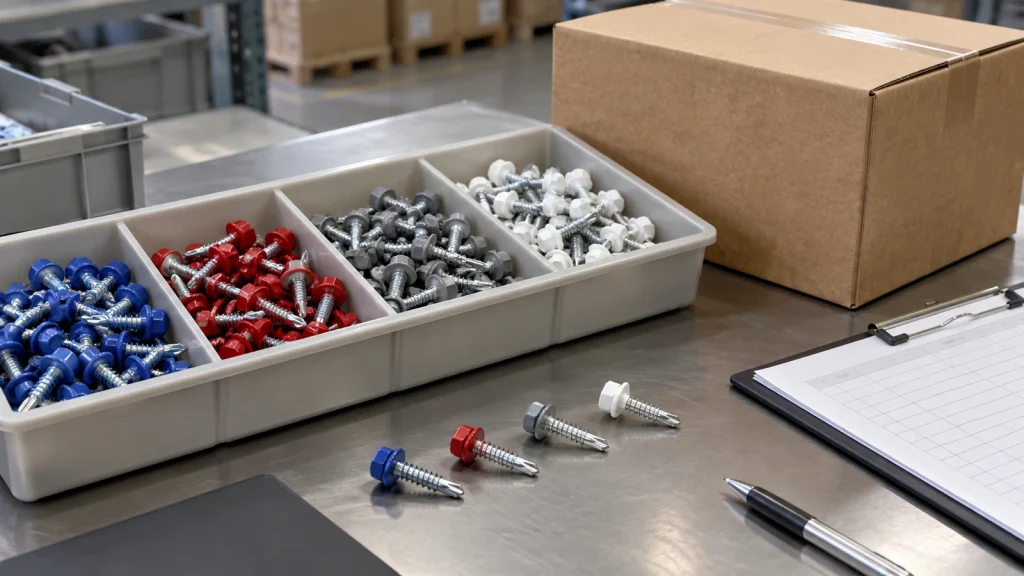
Hex Head Self-Drilling Screw With Bonded Washer

Hex Head Self-Drilling Screw With Bonded Washer

Brand: Hengzuan Surface: blue and white zinc plated, color zinc plated can be customized on request Specifications: in stock 4.2/4.8/5.5/6.3mm mainstream wire diameter, length 20mm~165mm full range of specifications, nonstandard rod length, drill point size can be customized Packaging: 25kg export cartons, full pallets wrapped with film, supports neutral export packaging, customer private-label customization

Read More
Hex Head No. 5 Point Self-Drilling Screw

Hex Head No. 5 Point Self-Drilling Screw

Brand: Wotu Surface: blue and white zinc plated, customized color zinc plated, Dacromet anti-corrosion coating available Specifications: ST5.5, ST6.3 mainstream specifications, rod length 20mm~125mm, full size range in stock, support nonstandard customization, drilling to adapt to steel sheet 2-6mm Packaging: 25kg cartons, whole wooden pallets

Read More
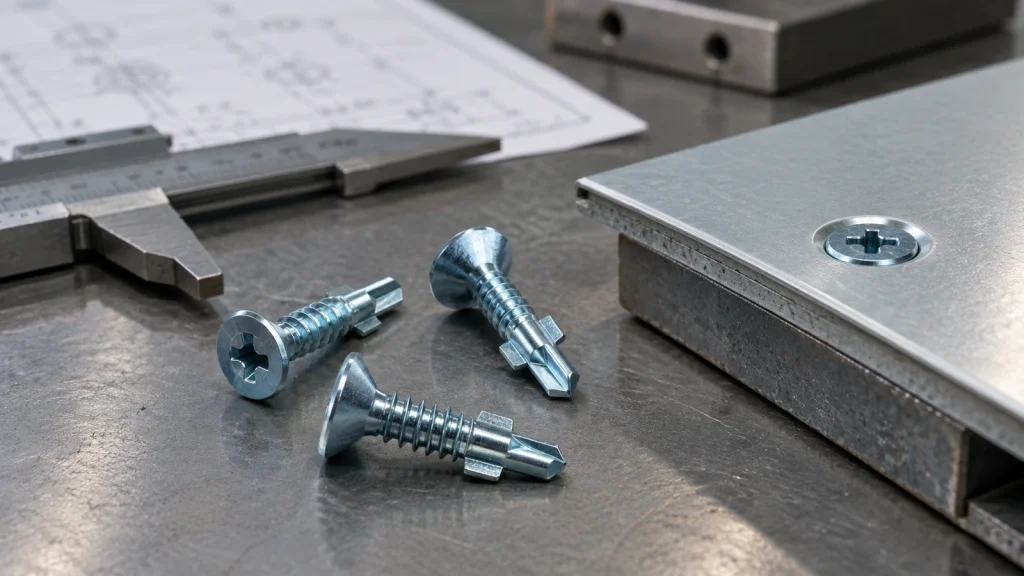
Countersunk Head Blue-White Zinc Plated Self-Drilling Screw (Chinese National Standard: Phillips Countersunk Head Self-Drilling And Self-Tapping Screw GB/T15856.2-2002)

Countersunk Head Blue-White Zinc Plated Self-Drilling Screw (Chinese National Standard: Phillips Countersunk Head Self-Drilling And Self-Tapping Screw GB/T15856.2-2002)

Brand: Hengzuan Surface: blue and white zinc plated, can be customized color zinc plated, black oxide plated Specifications: Comply with GB/T15856.2-2002 Chinese national standard, in stock ST4.2/ST4.8/ST5.5 full range of specifications, length 13mm~75mm optional, supports customized nonstandard rod lengths; drilling adaptation plate thickness 0.7~6mm Packaging: 25kg export cartons, full pallets wrapped with film, supports neutral export packaging, customer private-label customization

Read More
Blue-White Zinc Plated Winged Countersunk Head Self-Drilling Screw

Blue-White Zinc Plated Winged Countersunk Head Self-Drilling Screw

Brand: Hengzuan Surface: blue and white zinc plated, optional color zinc plated, black oxide treatment Specifications: in stock ST3.5/ST4.2/ST4.8 mainstream specifications, rod length 16~50mm full size range, supports nonstandard length customization, suitable for drilling steel sheets 2~5mm Packaging: 25kg cartons, full pallets packed on wooden pallets, support neutral packaging, private-label customization

Read More
Countersunk Head Blue Zinc Self-Drilling Screw

Countersunk Head Blue Zinc Self-Drilling Screw

Brand: Hengzuan Surface: blue and white zinc plated, can be customized color zinc plated, black oxide plated Specifications: in stock 3.5/3.9/4.2/4.8/5.5 mainstream wire diameter, rod length 13mm~75mm full size range, nonstandard length can be customized as needed Packaging: 25kg export cartons, full wooden pallets wrapped with film, supports neutral export packaging, private-label customization

Read More

Compare floor drilling machines by hole type and floor material

Floor drilling machine selection

Relevant floor drilling equipment should be compared by drilling method, material compatibility, hole range, depth, feed control, mounting arrangement, power requirements, dust or water management and the availability of compatible bits and replacement parts. Confirm each item against the actual job instead of choosing by motor size or machine appearance alone.

Criterion What To Check Why It Matters Buyer Tip
Floor material and reinforcement Confirm whether the machine is intended for concrete, masonry, tile, screed, or reinforced slabs, and review compatible tooling. Different floor materials change cutting speed, tool wear, vibration, and the risk of damaging embedded reinforcement or finishes. Ask: Which floor materials and reinforcement conditions can this model handle, and which drill bits or core tools are recommended?
Required hole diameter and depth Compare your full range of hole diameters and drilling depths with the machine’s stated working range and tool compatibility. A machine suited to small anchor holes may not provide the control, clearance, or drive needed for larger penetrations. Provide the smallest and largest hole sizes, maximum depth, and whether holes must be blind or through-holes.
Drilling method and drive control Check whether the machine uses rotary drilling, impact drilling, or core drilling, and confirm how speed, feed, and torque are controlled. The wrong drilling method can cause excessive vibration, poor hole accuracy, tool damage, or surface chipping. Ask which drilling mode fits your floor material and whether the operator can adjust speed and feed for each tool.
Stability, alignment, and portability Review the mounting or anchoring method, guide arrangement, machine weight, and how the unit is positioned on uneven or finished floors. A stable, accurately aligned setup produces straighter holes and reduces movement during drilling, while portability matters across multiple work areas. Ask how the machine is secured, how alignment is set, and whether it can be moved without damaging the floor.
Dust, slurry, and worksite control Confirm provisions for dust extraction, water supply, slurry collection, drainage, and safe operation in the intended indoor or outdoor location. Concrete and masonry drilling can create dust or slurry that affects visibility, cleanup, nearby equipment, and the finished surface. Ask what dust or water-control equipment is required and how waste is contained during floor drilling.

Choose the right drilling method for concrete floor work

Choose a diamond core drilling machine when the work calls for accurate, clean openings through concrete or masonry, especially around pipes, conduits or other building services. A rotary hammer is generally better suited to smaller anchor and fixing holes, while a floor-mounted or rig-mounted system offers greater control for repeated or larger drilling work.

This distinction matters because the tool, bit type, cooling method, dust control and support arrangement all affect installation quality. A machine designed for anchor holes may not be suitable for large service penetrations, and a heavy rig can be inefficient for occasional light work.

Start with the floor material and reinforcement conditions. State whether the machine will drill plain concrete, reinforced concrete, stone, masonry or another surface, and identify any concerns about embedded steel, dust or water use. These details influence the drilling system and compatible bits.

Define the hole requirement clearly: approximate diameter range, drilling depth, through-holes or blind holes, and the number of holes per shift. A compact hand-guided machine may suit intermittent maintenance work, while repeated drilling may justify a stable base, adjustable support or a more controlled feed system.

Compare wet and dry drilling based on the work area. Wet drilling can help manage heat and dust but requires water handling and protection around the worksite. Dry drilling may simplify setup but can place greater demands on dust extraction and the selected bit. Confirm the available power supply, mounting space and transport limitations before choosing a machine.

For an enquiry, send the floor material, required hole diameter and depth, expected drilling frequency, and whether wet or dry drilling is acceptable. Also ask what is included, which bits or accessories are compatible, and whether the supplier can support the complete machine specification rather than only fasteners or related hardware.

Criteria Importance Description Example Options
Drilling method Often the first decision because it determines the machine category and tooling Diamond core drilling suits clean larger openings, rotary hammer drilling suits smaller anchor holes, and rig-mounted systems suit controlled repeated work. A pipe penetration through a concrete slab points toward core drilling; a row of fixing holes may only need a rotary hammer.
Floor material and reinforcement Critical because hard aggregate, masonry or embedded steel can change the bit and machine requirement The buyer should state the actual material and whether reinforced concrete or unknown embedded metal may be present. A reinforced concrete floor may require diamond tooling and stable feed control rather than a light-duty hand drill.
Hole diameter and depth High importance because capacity must match the job, not just the motor rating Larger or deeper holes usually need more stable guidance, suitable bits and careful heat or dust management. Small anchor holes and large service openings should not be treated as the same drilling task.
Wet or dry operation Important for site cleanliness, cooling, dust control and work area restrictions Wet drilling can improve cooling and dust suppression, while dry drilling may reduce water handling but increases the need for extraction and suitable bits. A finished interior space may favor dry drilling with dust control; a rough construction area may allow wet core drilling.
Machine support and handling Important when holes must be repeatable, accurate or drilled in volume Hand-guided tools are faster to move but less controlled; mounted or supported systems take longer to set up but improve stability. Maintenance crews drilling occasional holes may prefer a portable tool, while repeated floor penetrations may justify a mounted rig.

Product Selection

Related Options

For a contractor making repeated service openings in reinforced concrete floors, the main priority is usually stable guidance, suitable diamond tooling and effective control of dust or drilling water. For occasional anchor installation, a smaller rotary hammer may be the more practical choice; the appropriate option depends on the hole pattern and working conditions rather than a general product ranking.

Blog Articles / Reviews

What Should an RFQ Include When Sourcing Dacromet Hex Head Self-Drilling Screw?

What Should an RFQ Include When Sourcing Dacromet Hex Head Self-Drilling Screw?

When sourcing dacromet hex head self drilling screw, a complete RFQ should define the application, screw configuration, coating requirement, dimensions, and supplier confirmation requirements. Buyers often receive different quotations because suppliers may interpret coating, size, drilling capability, or packaging scope differently. Before preparing a project inquiry, buyers can review the available fastener product categories to […]

What Is the Difference Between Self Drilling and Self Tapping Screws?

What Is the Difference Between Self Drilling and Self Tapping Screws?

Direct Answer: A self-drilling screw has a drill-shaped point that creates a hole and then forms mating threads in a suitable material. A self-tapping screw forms or cuts mating threads but may require a correctly sized pilot hole. Selection depends on substrate type and thickness, joint stack, point geometry, installation tool, finish and application testing—not […]

What RFQ Details Matter When Ordering Blue Zinc Winged Self-Drilling Screws?

What RFQ Details Matter When Ordering Blue Zinc Winged Self-Drilling Screws?

When ordering a blue zinc self drilling screw with a winged, countersunk configuration, diameter and length are not enough to define the application. The RFQ should identify the materials being connected, upper-material thickness, steel-substrate thickness, total material stack, required countersunk seating, screw diameter, total length, drill-point condition, wing geometry, surface treatment, installation method, quantity and […]

What Should Buyers Confirm When Ordering Color Nylon Head Hex Self-Drilling Screws?

What Should Buyers Confirm When Ordering Color Nylon Head Hex Self-Drilling Screws?

When ordering a chinese standard color nylon head hex self drilling screw, the RFQ should define more than a color name. Buyers should confirm the exact color reference, nylon head or cap configuration, base screw diameter and length, steel-sheet condition, metallic screw finish, visible-face requirement, color approval method, batch-consistency check and packaging or SKU separation. […]

Rust Prevention Tips for Self-Drilling Screws

Rust Prevention Tips for Self-Drilling Screws

As we all know, the simplest way to prevent self-drilling screws from rusting is to properly isolate the screws from moisture-containing and humid environments. This can be achieved through selective application of protective coatings and sealants, or by purchasing specially formulated rust-resistant or rust-proof screws. This is why many businesses and households have rust prevention […]

Frequently Asked Questions

Which type of machine is best for clean holes through concrete floors?

For clean circular openings, a diamond core drilling machine is usually the right category to consider. It is better suited to pipe, conduit and service penetrations than a general percussion drill, especially where edge quality and hole accuracy matter.

Is a rotary hammer enough for floor drilling work?

A rotary hammer can be suitable for smaller anchor holes and occasional fixing work. It is not the best choice for larger through-holes, repeated production drilling or applications that need a smooth, accurately sized opening.

What is the main trade-off between wet and dry drilling?

Wet drilling helps cool the bit and can reduce airborne dust, but it adds water handling and cleanup requirements. Dry drilling may be easier to set up in some finished areas, but it needs suitable tooling and effective dust extraction.

Can one machine handle every floor material and hole size?

Not reliably. Concrete, reinforced concrete, stone and masonry can require different bits, feed control and drilling methods, and a machine sized for small anchors may not handle large core holes well.

What details should be sent before asking for a quote?

Provide the floor material, approximate hole diameter and depth, number of holes, wet or dry drilling preference, available power supply and any limits on machine weight or setup space. Also confirm whether the supplier can provide the complete drilling machine, compatible bits and accessories, or only related fastening components.

Leave Your Message

Tell us the floor material, required hole diameter and depth, and whether you need wet or dry drilling. Also confirm the expected drilling frequency and whether you need a complete machine or related fastening components.