Helicoil Kit for Thread Repair | Hebei Wotu Fastener Manufacturing Co., Ltd.

Helicoil Kit for Thread Repair

A helicoil kit is usually chosen when a stripped internal thread must be repaired without replacing the full part. The key decision is not only the insert size, but whether the kit matches the base material, thread standard, hole access and strength expected after repair.

For maintenance teams, machine shops and assembly buyers, the right kit can turn a damaged threaded hole back into a serviceable connection. The wrong kit can create a loose insert, poor bolt engagement or a repair that fails during tightening.

Related Products

Dacromet Hex Head Self-Drilling Screw

Dacromet Hex Head Self-Drilling Screw

Brand: Hengzuan Surface: Dacromet anti-corrosion coating Specifications: in stock ST5.5/ST6.3 mainstream caliber, rod length 50mm~150mm, extended full range of specifications, supports nonstandard extra long customized, suitable for drilling steel sheet thickness 2~6mm Packaging: 25kg export cartons, full pallets wrapped with film, supports neutral export packaging, private-label customization

Read More
Countersunk Head Cross Thick Thread Fiberboard Screw

Countersunk Head Cross Thick Thread Fiberboard Screw

Brand: Wotu Surface: color zinc plated electroplating Specifications: in stock 3.5/4.0/4.5/5.0 regular wire diameter, rod length 16~80mm full range of specifications in stock, supports nonstandard length customization Packaging: 25kg cartons, whole wooden pallets

Read More
Blue-White Zinc Plated Winged Countersunk Head Self-Drilling Screw

Blue-White Zinc Plated Winged Countersunk Head Self-Drilling Screw

Brand: Hengzuan Surface: blue and white zinc plated, optional color zinc plated, black oxide treatment Specifications: in stock ST3.5/ST4.2/ST4.8 mainstream specifications, rod length 16~50mm full size range, supports nonstandard length customization, suitable for drilling steel sheets 2~5mm Packaging: 25kg cartons, full pallets packed on wooden pallets, support neutral packaging, private-label customization

Read More
Blue-White Zinc Plated Pan Head With Pad Self-Tapping Screw

Blue-White Zinc Plated Pan Head With Pad Self-Tapping Screw

Brand: Hengzuan Surface: blue and white zinc plated Specifications: in stock ST4.2/ST4.8full range of specifications, length 13~50mm in stock, support nonstandard length customization Packaging: 25kg cartons, solid wood packaging, support neutral packaging, private-label customization

Read More
Wafer Head Self-Drilling Screw

Wafer Head Self-Drilling Screw

Brand: Hengzuan Surface: blue and white zinc plated, can be customized color zinc plated, black oxide plated Specifications: Comply with GB/T15856.2 Chinese national standard, in stock ST3.5/ST4.2/ST4.8/ST5.5 mainstream wire diameter, rod length 13mm~50mm full range of specifications, nonstandard length customization on demand, drilling applicable plate thickness 2~5mm Packaging: 25kg export cartons, full pallets wrapped with film, supports neutral export packaging, private-label customization

Read More
Countersunk Head Blue Zinc Self-Drilling Screw

Countersunk Head Blue Zinc Self-Drilling Screw

Brand: Hengzuan Surface: blue and white zinc plated, can be customized color zinc plated, black oxide plated Specifications: in stock 3.5/3.9/4.2/4.8/5.5 mainstream wire diameter, rod length 13mm~75mm full size range, nonstandard length can be customized as needed Packaging: 25kg export cartons, full wooden pallets wrapped with film, supports neutral export packaging, private-label customization

Read More

Select a Helicoil Kit for the Damaged Thread

Helicoil kit selection points

Useful helicoil kit selection depends on thread standard, insert length, installation tools, base material and access to the damaged hole. Buyers should also confirm whether they need a general maintenance kit with several sizes or a dedicated kit for one specific repair size.

Criterion What To Check Why It Matters Buyer Tip
Thread size and pitch coverage Compare the kit contents against the damaged internal threads you need to repair, including metric or inch size and thread pitch. A helicoil kit only works when the insert, tap, drill size, and installation tool match the original thread. A close-looking pitch can still fail or damage the part further. Ask: Which thread sizes and pitches are included in this kit, and is the correct tap supplied for each insert size?
Insert length and installed depth Check the insert length options and confirm they suit the parent material thickness and the bolt engagement needed after repair. An insert that is too short may not provide enough thread engagement, while one that is too long can bottom out, protrude, or interfere with nearby features. Ask: What insert lengths are supplied for the size I need, and what minimum hole depth is recommended?
Repair process tools included Confirm whether the kit includes the drill, special tap, installation mandrel, tang break-off tool, and enough replacement inserts. Some kits include only the basic installation items, while others require separate drills or tang tools. Missing tools slow repairs and increase the chance of poor installation. Ask: Is this a complete repair kit for first-time installation, or are any drill bits or tools purchased separately?
Base material and application fit Match the kit to the part being repaired, such as aluminum, cast iron, steel, or a frequently serviced threaded hole. Thread inserts are often used to restore stripped threads or strengthen softer materials, but hole preparation, insert choice, and locking needs can vary by application. Ask: Is the supplied insert type suitable for my material and for repeated bolt removal?
Insert style and removal needs Check whether the kit uses standard free-running inserts or a locking style, and whether replacement inserts are readily available. Free-running inserts suit general repairs, while locking inserts can help resist loosening in vibration but may affect bolt removal torque and reuse. Ask: Are the inserts standard free-running or locking, and can I order spare inserts in the same size later?

Key Checks Before Ordering a Thread Repair Kit

The main difference between helicoil kits is the thread system and repair method they support. A metric kit will not substitute cleanly for an inch-size thread, and a coarse-thread repair kit is not the same as a fine-thread kit even when the nominal bolt diameter looks similar.

It also matters whether the kit includes only inserts or the full set of repair tools, such as the correct drill, tap, installation tool and tang break-off tool. For one-off field repair, a complete kit is easier to control. For production or repeated maintenance, buyers often standardize inserts separately and keep dedicated tooling on hand.

Start with the damaged thread, not the insert brand. Confirm the bolt diameter, pitch and thread standard, then check whether the repaired hole has enough wall thickness for an insert. A common mistake is ordering by bolt size alone and overlooking pitch, which can lead to a repair that starts but will not tighten correctly.

Match the insert material and style to the working conditions. Stainless steel inserts are commonly used for corrosion resistance and durable thread engagement, but the surrounding part material still matters. Softer metals, frequently removed bolts, vibration and temperature changes may all affect the best insert length and locking style.

Check access before choosing the kit. Blind holes, deep recesses and curved parts can make drilling, tapping and tang removal harder. If the repair point cannot be drilled squarely, a simple insert kit may not solve the problem reliably without proper fixturing or workshop equipment.

For an inquiry, provide the thread size and pitch, base material, hole type, approximate thread depth and whether you need a full repair kit or replacement inserts only. If the repair will be used in a high-vibration or safety-critical assembly, say so early so the insert style and installation method can be reviewed.

Criteria Importance Description Example Options
Thread standard and pitch Essential for compatibility The insert, installation tap and replacement bolt must follow the same thread system and pitch. Matching nominal diameter alone does not ensure a usable repair. A metric fine-thread repair should be matched with the corresponding metric fine-thread bolt, tap and insert.
Kit contents Important for first-time or field repairs Some packages are complete repair sets, while others contain inserts only. Check for the preparation tool, installation tool and tang-removal tool if those items are needed. An occasional maintenance job may call for a complete single-size set; a workshop with established tooling may need insert refills only.
Insert length and locking style Important for load, engagement and service conditions The available thread depth and required bolt engagement affect insert length. A locking style may be relevant where the fastener experiences vibration, but it should not be selected without checking the bolt and joint design. A deep hole may accept a longer insert, while a shallow blind hole may require a shorter option.
Hole access and geometry Critical to installation accuracy Straight, open access is easier to prepare than a blind, recessed or curved location. Limited access can affect tool alignment and whether the repair can be completed reliably. A through-hole in a removable flat part is generally easier to prepare than a deep blind hole inside assembled equipment.
Wire insert or solid bushing A key alternative decision A wire insert can restore the original fastener size with a relatively compact repair, while a solid bushing may offer a different rigidity and retention approach. Compare available wall thickness, hole damage and tooling before selecting the repair format. A standard stripped thread may suit a wire-insert repair; severe damage or a need for a solid sleeve may justify evaluating a bushing instead.

Blog Articles / Reviews

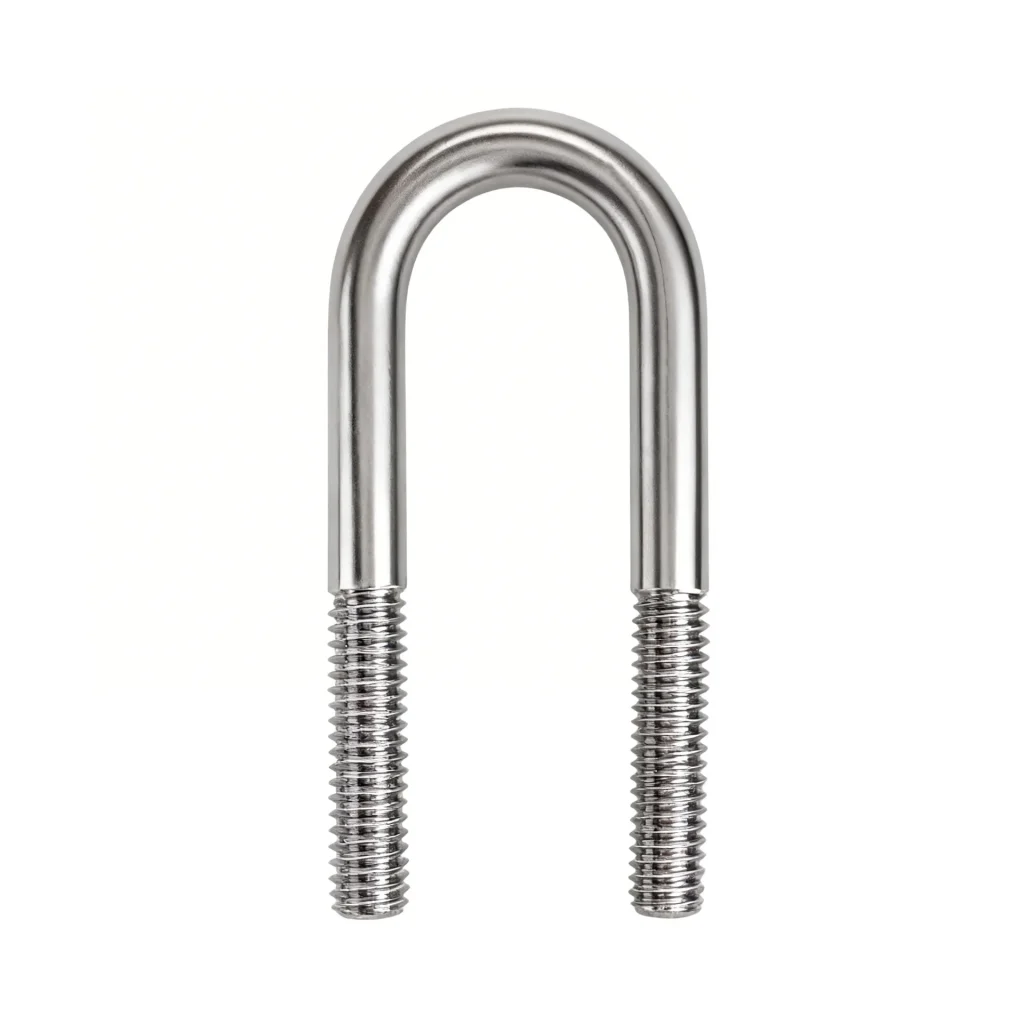
Which U-Bolt Measurements Must Buyers Provide Before a Quote?

Which U-Bolt Measurements Must Buyers Provide Before a Quote?

For an M10–M24 U-bolt RFQ, buyers should send a dimensioned drawing that defines thread diameter, inside width, leg or overall length, bend geometry, thread length, application diameter, material or grade requirement, surface finish, matching nuts/washers, quantity, and packing needs. Nominal thread size alone is not enough because different measurement datums can produce U-bolts that look […]

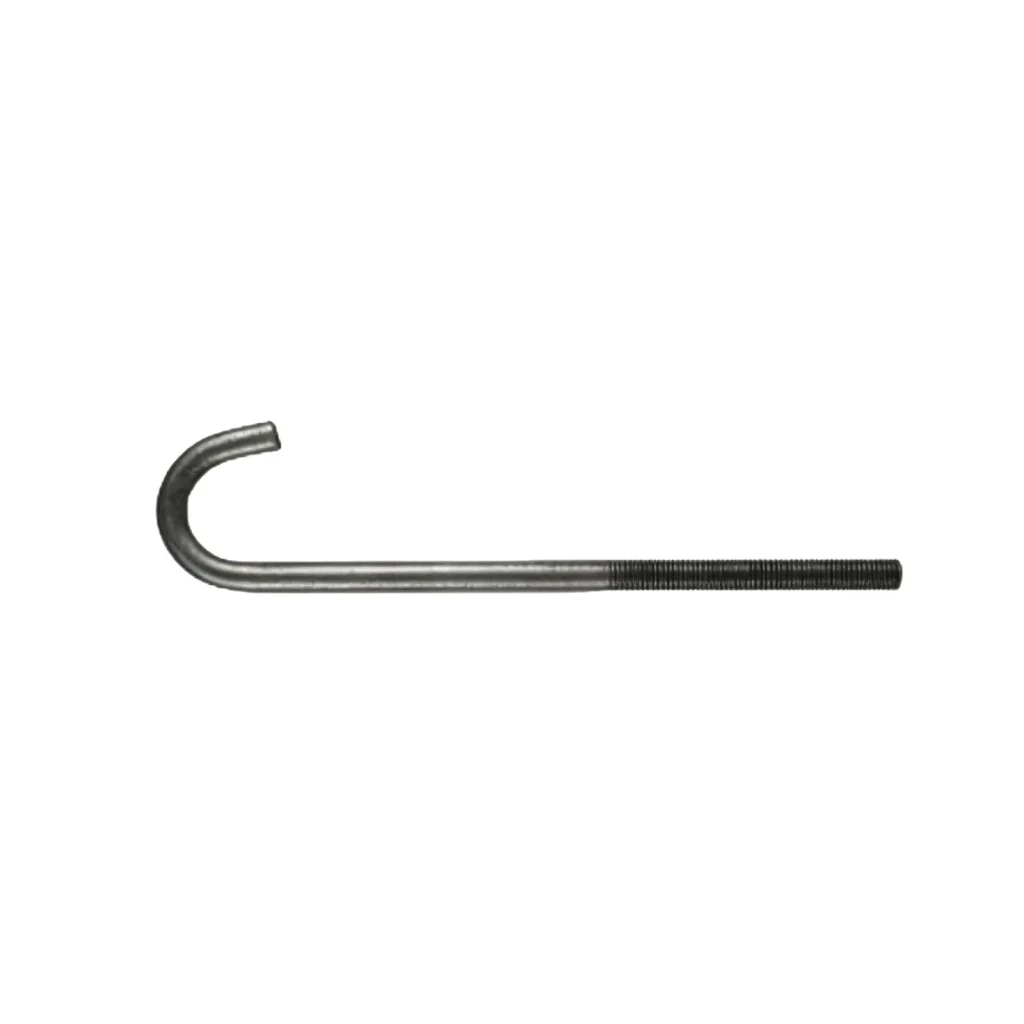
What Must Buyers Verify Before Ordering L-Shaped Anchor Bolts to an Older Standard?

What Must Buyers Verify Before Ordering L-Shaped Anchor Bolts to an Older Standard?

When ordering L-shaped anchor bolts against an older standard, buyers should verify the standard’s current status, confirm the specification approved for the project, and reconcile the drawing, dimensions, material and foundation interface before releasing the purchase order. A legacy standard number on a product page or old drawing is not, by itself, sufficient evidence that […]

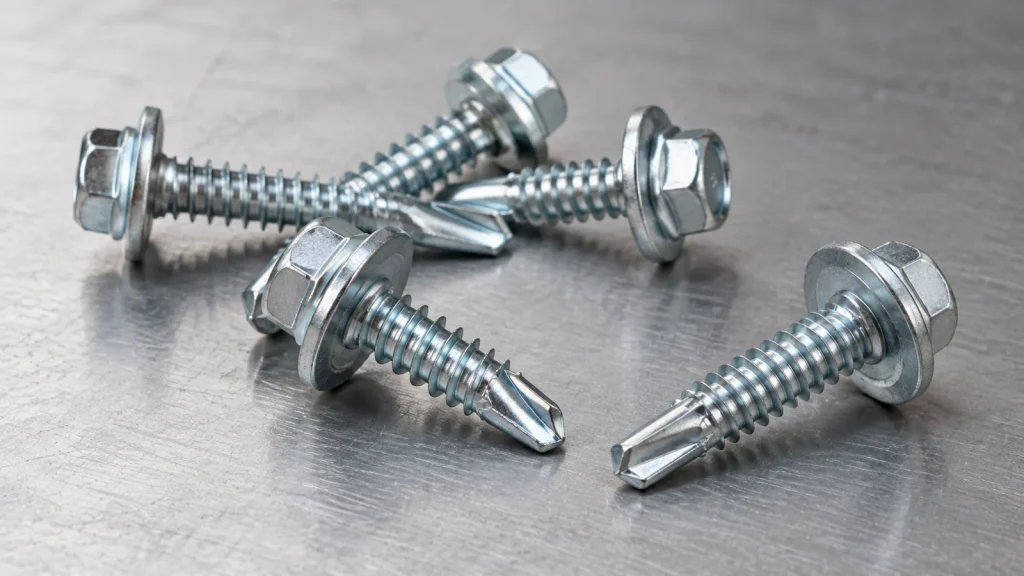
Hex Head Self-Drilling Screws with Cup Washers: Choosing Drill Point and Length

Hex Head Self-Drilling Screws with Cup Washers: Choosing Drill Point and Length

Choosing a hex head self-drilling screw with a cup washer requires more than selecting ST5.5 or ST6.3 and a nominal length. The drilling point must suit the steel it penetrates; the threaded section must engage the intended supporting material; and the head-and-washer assembly must seat correctly on the outer panel. A screw’s drilling capacity is […]

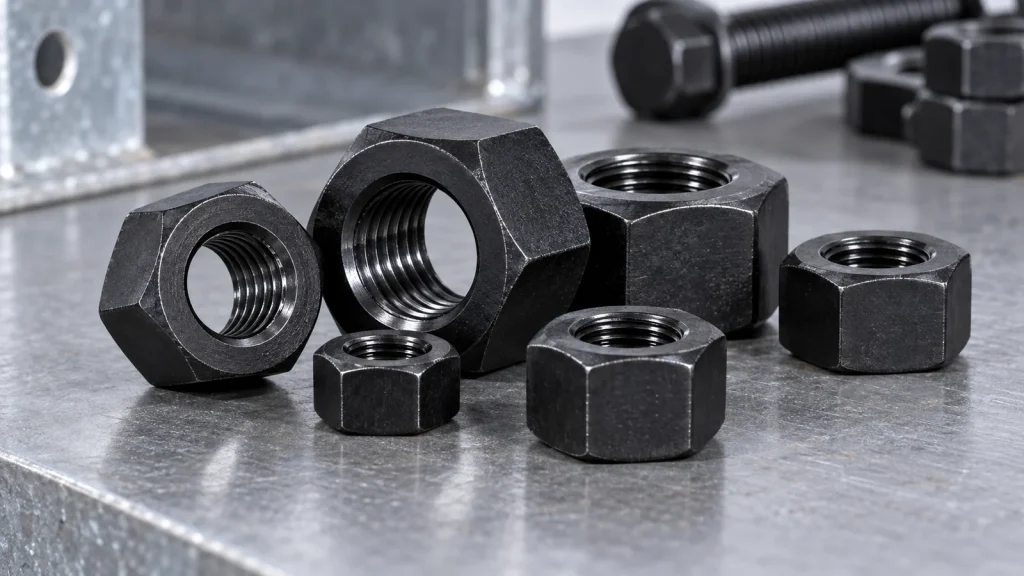
Grade 8 vs Grade 10 Hex Nuts: Strength Class and Bolt Compatibility

Grade 8 vs Grade 10 Hex Nuts: Strength Class and Bolt Compatibility

Class 8 and class 10 metric hex nuts are not interchangeable labels for bolt strength. They identify different nut property classes, while the suitability of either nut depends on the mating bolt, thread dimensions, nut style and the relevant specification. A black oxide finish adds another purchasing variable: it describes a surface treatment, not a […]

How to Choose Self-Tapping Screws for Plastic Parts

How to Choose Self-Tapping Screws for Plastic Parts

Choose self-tapping screws for plastic by matching the thread design to the resin, pilot hole and surrounding plastic, then checking head seating, thread engagement and tightening conditions on actual parts. Screw diameter alone cannot establish a suitable hole size or installation torque. This guide concerns metal screws fastening into plastic components. These screws create their […]

What Is a Fastener? Types, Functions and Industrial Uses

What Is a Fastener? Types, Functions and Industrial Uses

A fastener is a hardware component that mechanically joins or secures parts. Common examples include screws, bolts, nuts and rivets; washers are supporting components used in many fastening assemblies. Some connections can be dismantled by removing threaded fasteners, while others, such as riveted joints, normally require the fastener to be destroyed during removal. In industrial […]

Frequently Asked Questions

Can a thread insert kit be used in an aluminum part?

It can be suitable when the part has enough surrounding material and the repaired hole can be prepared accurately. Confirm the insert length, hole depth and working load against the part design, especially if the joint will be opened frequently or exposed to vibration.

When is a solid threaded bushing a better alternative?

A solid bushing may be preferable when the repair needs a rigid, non-wound insert or when the damaged hole requires a different repair approach. It can require more parent material and a larger prepared hole, so compare available wall thickness, access and installation tooling before choosing.

Does the kit size match only the bolt diameter?

No. Bolt diameter is only one part of the match; pitch and thread standard must also agree. Metric, inch, coarse and fine threads that appear similar by diameter are not interchangeable.

Should I order a complete kit or replacement inserts only?

A complete kit is practical for a first repair or occasional maintenance because it may include the dedicated preparation and installation tools. If the workshop already has compatible tooling and repeats the same repair, replacement inserts may be the more efficient choice; confirm exactly which tools are included.

What changes when the damaged hole is blind?

A blind hole limits access for drilling, tapping, insert installation and removal of the tang, and the available thread depth becomes especially important. Provide the approximate depth and access conditions so the proposed insert length and tool set can be checked before ordering.

Leave Your Message

Send the thread size and pitch, base material, and whether the hole is through or blind. Also note if you need a complete installation kit or replacement inserts only.