Hex Wrench Size Chart for Fastener Fit | Hebei Wotu Fastener Manufacturing Co., Ltd.

Hex wrench size chart for fastener fit

A hex wrench size chart is most useful when you are matching an Allen key to a socket head screw, set screw, furniture connector, machine screw, or other internal-hex fastener before purchasing or assembly. The important decision is not only the wrench size, but also the fastener standard, thread size, head style, and whether the drawing uses metric or inch dimensions.

For fastener sourcing, the chart should be treated as a fit check, not a substitute for a part specification. Two screws with similar thread diameters can use different internal hex sizes if the head form or standard changes.

Related Products

Hex nut (Chinese national standard GB52-1976)

Hex nut (Chinese national standard GB52-1976)

Brand: Wotu Surface: 304 stainless steel Specifications: in stock M6~M24 full standard metric specifications, supports nonstandard pitch, thickening/customized Matching: Can be matched with bolts of corresponding specifications, flat washer, spring washer complete set of supporting shipment Packaging: 25kg cartons, whole wooden pallets

Read More
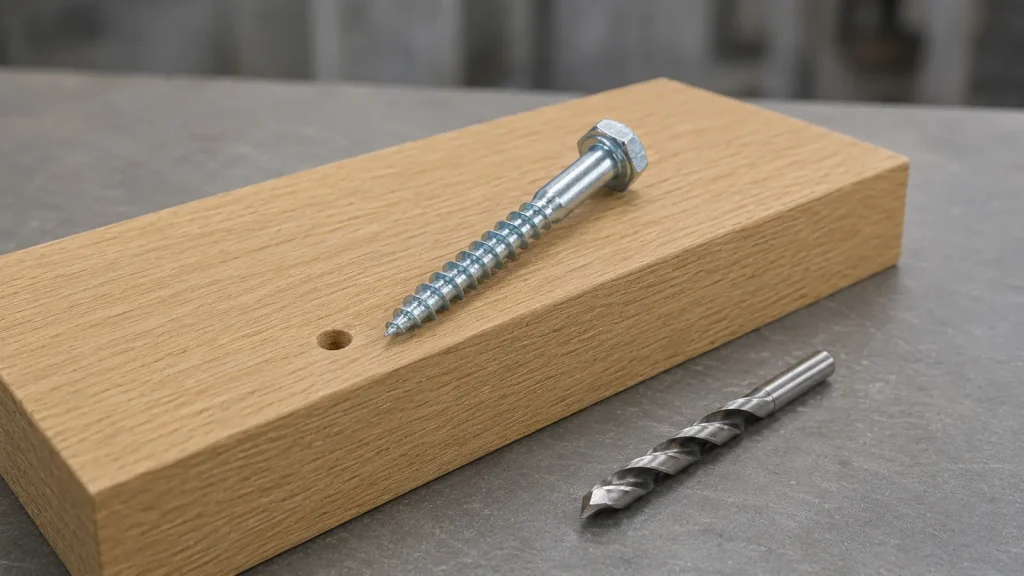
Hexagonal Wood Screws

Hexagonal Wood Screws

Brand: Wotu Surface: blue and white zinc plated Specifications: Chinese national standard 6#/8#/10#/12#/16#/20#, rod length 35mm~250mm full range of specifications in stock, supports nonstandard length customization Packaging: 25kg cartons, full pallets packed on wooden pallets, support neutral packaging, private-label customization

Read More
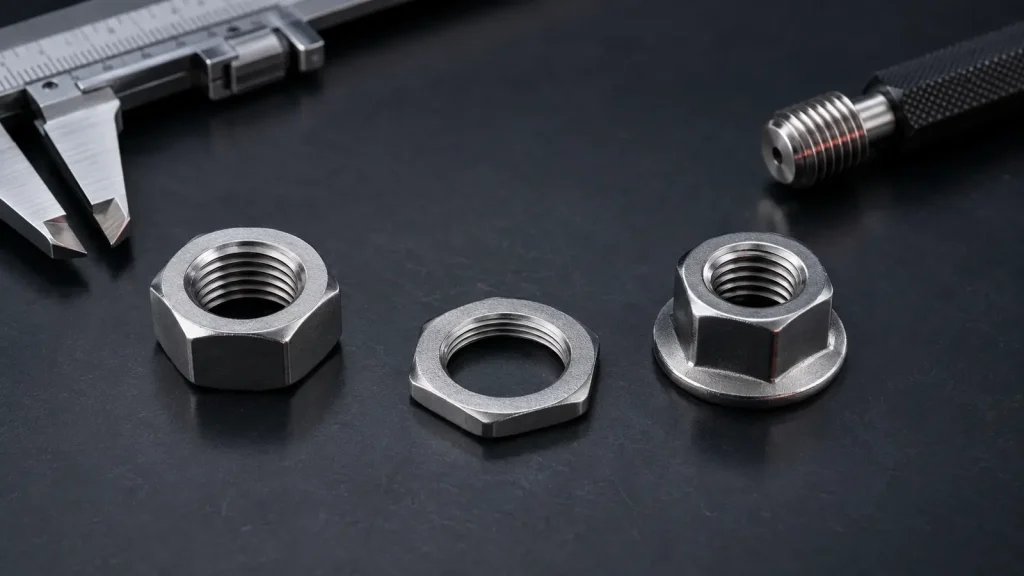
Chinese National Standard / German Standard Hex Nut (thick Nuts, Thin Nuts, Flange Nuts, Multiple Categories)

Chinese National Standard / German Standard Hex Nut (thick Nuts, Thin Nuts, Flange Nuts, Multiple Categories)

Brand: Wotu Surface: color zinc plated, blue-white zinc plated, black oxide, hot-dip galvanized, various surface treatments available Specifications: Comply with DIN934, GB/T6170, GB/T6172.1, GB/T6177.1 standards, in stock M6-M64 full range of specifications, support nonstandard customized Packaging: woven bag inside/25kg export carton, full-container wooden pallet wrapped with film, supports private-label, neutral export packaging

Read More
Hot-Dip Galvanized Hex Nut (DIN934 Thickened/GB Thin Nut In Multiple Specifications)

Hot-Dip Galvanized Hex Nut (DIN934 Thickened/GB Thin Nut In Multiple Specifications)

Brand: Wotu Surface: high temperature hot dip zinc plated surface treatment Specifications: Comply with DIN934, GB/T6170, GB/T6172.1 Chinese national standard German standard, in stock M6-M64 full range of specifications, length is nonstandard customized as required Packaging: 25kg woven bag/export carton, full-container wooden pallet wrapped with film, supports neutral packaging, private-label customization

Read More
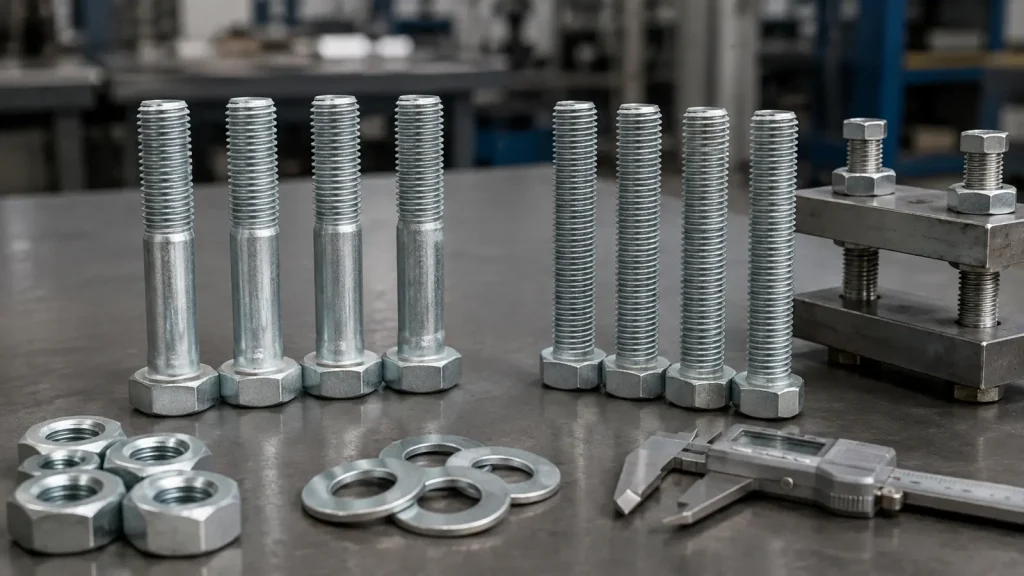
Hot-Dip Galvanized Hex Head Bolt (DIN931 Half Thread / DIN933 Full Thread / GB30 Chinese National Standard Bolt, Can Be Equipped With Nut And Washer Set)

Hot-Dip Galvanized Hex Head Bolt (DIN931 Half Thread / DIN933 Full Thread / GB30 Chinese National Standard Bolt, Can Be Equipped With Nut And Washer Set)

Brand: Wotu Surface: overall hot-dip zinc plating treatment Specifications: Comply with DIN and GB standards, in stock M6-M48 full range of specifications, length 20mm-300mm, supports nonstandard customized. Packaging: woven bag inside / 25kg export carton, film-wrapped wooden pallet; supports neutral packaging and customer private-label customization.

Read More
Hex flange nut (Chinese national standard GB/T6177.1-2000)

Hex flange nut (Chinese national standard GB/T6177.1-2000)

Brand: Wotu Surface: zinc plated Specifications: in stockM6/M8/M10/M12/M14/M16/M20 Chinese national standardfull range of specifications, support nonstandard thickness, tooth pitch customized Matching: can be matched with bolts of the same specification, flat washer, spring washer complete set of shipment Packaging: 25kg cartons, whole wooden pallets

Read More

Match hex wrench size to the fastener drive

Drive fit criteria

When comparing fasteners that use a hex wrench drive, focus on the relationship between thread size, head geometry, internal socket size, coating thickness, and assembly access. The correct choice is the fastener and tool combination that seats fully, transfers torque cleanly, and matches the drawing or mating component.

Criterion What To Check Why It Matters Buyer Tip
Drive type on the fastener Confirm whether the recess is internal hex, hex socket, Allen, Torx, Phillips, or an external hex head before choosing a wrench. A hex wrench size chart only applies to internal hex drives. Using it for a different recess can round the drive or give a false size match. Ask: Is the fastener drawing calling out an internal hex socket size, or only the thread diameter and head style?
Metric or inch sizing system Match the wrench set to the drawing standard, package label, or fastener specification rather than estimating by appearance. Metric and inch hex keys can look close but fit differently. A slightly loose key can damage the socket under torque. Ask: Is the socket size specified in millimeters or inches, and should the supplied wrench match that standard?
Socket size versus thread size Do not assume the wrench size from the bolt or screw diameter alone. Check the head standard or the stated socket size. Fasteners with the same thread size can use different socket sizes depending on head type, standard, and design. Ask: Can you provide the fastener standard or drawing so the hex key size can be confirmed from the socket dimension?
Access around the assembly Compare the available working space with the type of wrench needed, such as L-key, T-handle, ball-end key, or bit socket. A correct hex size still may not work if the tool cannot reach the recess squarely or apply enough turning force. Ask: Will the wrench be used in open access, a recessed pocket, or at an angle during installation?
Risk of stripping during installation Verify that the hex key seats fully in the socket and is not undersized, worn, or contaminated with coating buildup or debris. Poor engagement concentrates force on the socket corners and can make removal or tightening unreliable. Ask: Is there any coating, plating, paint, or debris in the socket that could affect wrench fit?

What to confirm before using a hex wrench size chart for purchasing

The most common mistake is reading a hex wrench size chart as if thread size and wrench size are always interchangeable. They are related, but they are not the same measurement. Thread size describes the screw body; hex wrench size describes the across-flat dimension of the internal drive.

This distinction matters because the wrong drive size can strip the socket, slow assembly, or cause field service problems even when the thread fits the mating part. Before ordering fasteners, confirm the standard, head type, drive size, material, surface finish, and any drawing tolerance that affects tool engagement.

Start with the fastener type. Socket head cap screws, button head screws, countersunk socket screws, set screws, and hex socket self-tapping parts may use different drive sizes for the same nominal thread. A chart is only reliable when it matches the exact head style and standard used in your drawing or sample.

Check metric and inch systems carefully. A 5 mm hex key and a 3/16 inch hex key look close enough to confuse during assembly, but they are not the same. Mixing systems often leads to rounded sockets, especially on plated or small-diameter fasteners where tool engagement is limited.

Consider the assembly method. Manual repair work may tolerate a standard L-key, while production assembly often needs consistent bit engagement, tool access, and repeatable torque control. If the screw is recessed, used in a narrow channel, or installed at an angle, confirm both the wrench size and tool clearance before production.

For an inquiry, share the fastener drawing or sample details rather than only asking for a wrench chart. Include the thread size, head style, applicable standard if known, material, coating, and the required internal hex size or the tool currently used. Hebei Wotu Fastener Manufacturing Co., Ltd. can then answer the fastener-fit question more accurately.

Criteria Importance Description Example Options
Fastener head style and standard Essential because the same thread can use different internal drive sizes. Match the chart entry to the exact part type, such as a socket head, button head, countersunk socket screw, set screw, or another hex-drive fastener. A socket head screw and a button head screw with the same nominal thread should not be assumed to share the same wrench size.
Metric or inch drive system Essential for preventing loose tool engagement and damage to the socket. Confirm that the wrench and fastener use the same measurement system instead of selecting a key because its size appears visually close. Specify the metric or inch drive dimension on the drawing or purchase description.
Tool format Important when access, assembly speed, or torque consistency affects the application. Choose between an L-key, T-handle, driver bit, or controlled hex tool according to the available clearance and installation method. An L-key may suit maintenance access, while a driver bit may be more practical for repeated workstation assembly.
Socket engagement and clearance Important for recessed, angled, coated, or space-limited installations. Check that the tool can enter fully and that surrounding parts leave enough room for the selected wrench or bit to operate without slipping. A recessed screw may require a long-reach tool, while a narrow channel may limit the handle or driver body.
Drawing, sample, and purchase details Essential when the chart alone cannot identify the complete fastener specification. Use the chart with the part drawing or sample and state the thread, head style, material, coating, drive size, and application. A buyer can send a sample and identify the current hex key used so the replacement fastener is checked as a complete tool-and-part combination.

Product Selection

Related Options

For maintenance kits, machinery assembly, furniture hardware, and metal fabrication, the priority is usually repeatable tool fit across every fastener in the build. A clear size match helps purchasing avoid mixed-drive batches and helps installers keep the right wrench or bit at the workstation.

Blog Articles / Reviews

What Should an RFQ Include When Sourcing Dacromet Hex Head Self-Drilling Screw?

What Should an RFQ Include When Sourcing Dacromet Hex Head Self-Drilling Screw?

When sourcing dacromet hex head self drilling screw, a complete RFQ should define the application, screw configuration, coating requirement, dimensions, and supplier confirmation requirements. Buyers often receive different quotations because suppliers may interpret coating, size, drilling capability, or packaging scope differently. Before preparing a project inquiry, buyers can review the available fastener product categories to […]

Hex Thin Nut vs Standard Hex Nut: Which Fits Space-Limited or Locking Assemblies?

Hex Thin Nut vs Standard Hex Nut: Which Fits Space-Limited or Locking Assemblies?

Direct Answer: Choose a hex thin nut when reduced nut height is genuinely required by the assembly or when the engineering design specifies it as part of a locking arrangement. Choose a standard hex nut when full nut height, normal thread engagement, and the specified load-bearing function are required. Buyers should compare nut height, thread […]

How Should Buyers Select Chinese and German Standard Hex Nuts?

How Should Buyers Select Chinese and German Standard Hex Nuts?

Direct Answer: Select a hex nut by the exact standard number and edition, thread diameter and pitch, nut style, property class, material, finish, mating bolt and acceptance method. “Chinese standard” or “German standard” alone is not a complete specification. Regular, thick, thin and flange nuts can differ in geometry and load behavior, so buyers should […]

Which Hexagonal Wood Screw Specifications Should Buyers Freeze Before Production?

Which Hexagonal Wood Screw Specifications Should Buyers Freeze Before Production?

A hexagonal wood screw order should not be released from a gauge number and length alone. Before production, the buyer and supplier need one approved specification that fixes the screw diameter, length basis, thread geometry, point, hex-head dimensions, material, finish, installation method, substrate and acceptance evidence. The pilot hole belongs in the application specification as […]

DIN 931 vs DIN 933 Hex Bolts: What Should Buyers Confirm Before Bulk Ordering?

DIN 931 vs DIN 933 Hex Bolts: What Should Buyers Confirm Before Bulk Ordering?

DIN 931-style half-thread and DIN 933-style full-thread hex bolts should not be selected from diameter and overall length alone. The practical choice depends on the joint stack, required grip, location of the thread transition, available nut engagement, mating hardware, material or property requirement, coating system and governing product specification. A half-thread bolt is not automatically […]

What Should Buyers Confirm When Ordering Color Nylon Head Hex Self-Drilling Screws?

What Should Buyers Confirm When Ordering Color Nylon Head Hex Self-Drilling Screws?

When ordering a chinese standard color nylon head hex self drilling screw, the RFQ should define more than a color name. Buyers should confirm the exact color reference, nylon head or cap configuration, base screw diameter and length, steel-sheet condition, metallic screw finish, visible-face requirement, color approval method, batch-consistency check and packaging or SKU separation. […]

Frequently Asked Questions

Can one hex wrench size fit every screw with the same thread size?

No. The internal drive can change with the head style, fastener standard, and design of the screw, even when the thread size is the same. Match the wrench to the socket dimension shown for the exact fastener rather than estimating from the thread.

Should I use a metric key or an inch-size key when the fit seems close?

Use the measurement system specified for the fastener. A near match can leave clearance between the tool and socket, increasing the risk of rounding the internal drive during tightening or removal.

Is an L-shaped Allen key always the best tool for assembly?

An L-key is convenient for occasional work and tight access, but a driver bit or controlled hex tool may provide more consistent engagement in production assembly. The choice depends on access, required torque control, installation volume, and whether the tool must reach a recessed fastener.

What information should I send when ordering fasteners from a size chart?

Provide the fastener drawing or sample together with the thread size, head style, metric or inch system, internal hex size if known, material, coating, and application. If the part will be installed with an existing tool, identify that tool as well so the drive fit can be checked before ordering.

Does a larger hex wrench mean the screw has a larger thread?

Not necessarily. Thread size describes the screw body, while hex wrench size describes the across-flat dimension of the internal drive. Head geometry and the applicable fastener standard can change the drive size independently of the thread.

Leave Your Message

Send the thread size, head style, metric or inch standard, and the internal hex size if known. If you have a drawing or sample, include the coating and application so the fastener and wrench fit can be checked together.