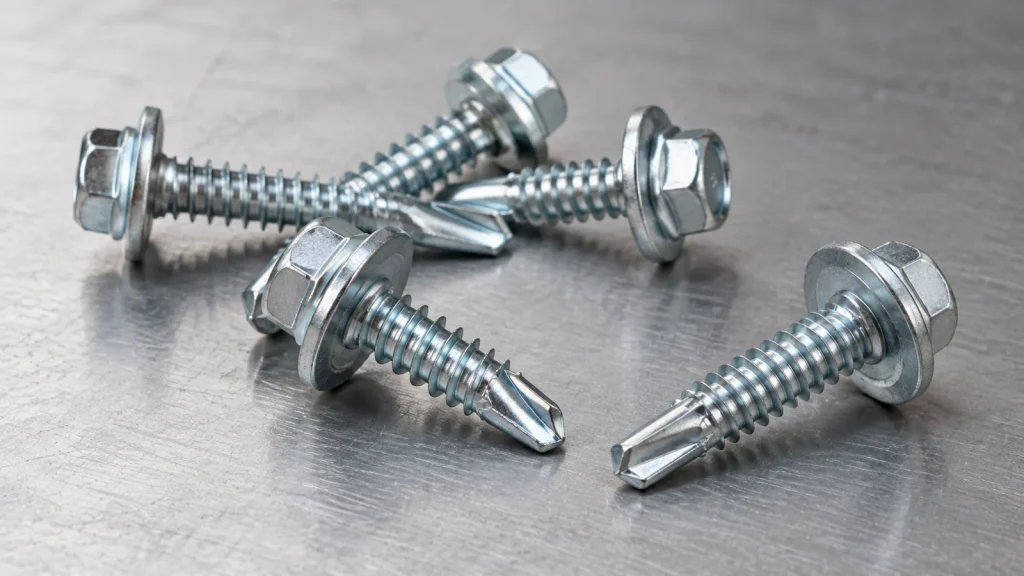
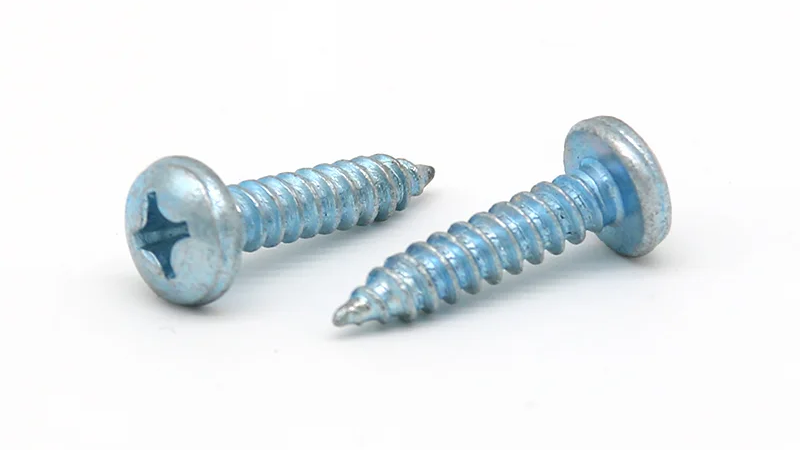
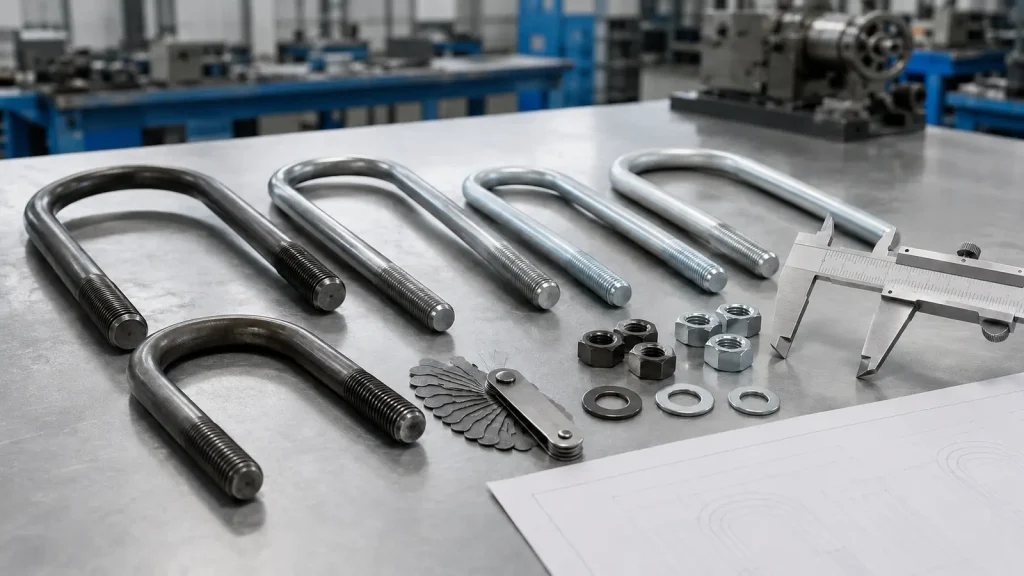
The main choice is between an anchor that expands behind the panel and one that spreads a load with a toggle or hinged wing. Expansion sleeves and molly-style anchors can suit lighter fittings and offer a neat installation, while toggle designs can distribute load over a larger area and may be more suitable for heavier or wider fixtures.
Wall thickness matters as much as nominal anchor size. An anchor that is too short may not form correctly behind the panel, while one that is too long may not clamp the fixture securely. Check the actual panel thickness, the fixture depth and the required screw length before ordering.
Start with the wall and load. Identify the panel material and thickness, then estimate the load from the fixture rather than the anchor alone. A shelf, cabinet rail or wall-mounted equipment bracket may place a different pull-out and shear demand on the fixing than a small sign or accessory.
Choose the installation method carefully. Self-drilling anchors can reduce preparation for suitable panels, while anchors that require a drilled hole may provide a different grip and load-distribution pattern. Toggle and hinged anchors often need more clearance behind the wall, so check for studs, pipes, cables and insulation before drilling.
Check the fixture connection. Match the screw thread, head style, washer needs and usable grip range to the mounting hole. Avoid selecting an anchor solely by outside diameter; an incompatible screw or an oversized hole can prevent the anchor from clamping correctly.
Confirm the order details before requesting a quotation. Send the wall material and thickness, fixture type, approximate load, anchor diameter or screw size, preferred material or finish and expected quantity. Ask Hebei Wotu Fastener Manufacturing Co., Ltd. to confirm the available design, working range, installation requirements, packaging and any samples or technical drawings needed for approval.