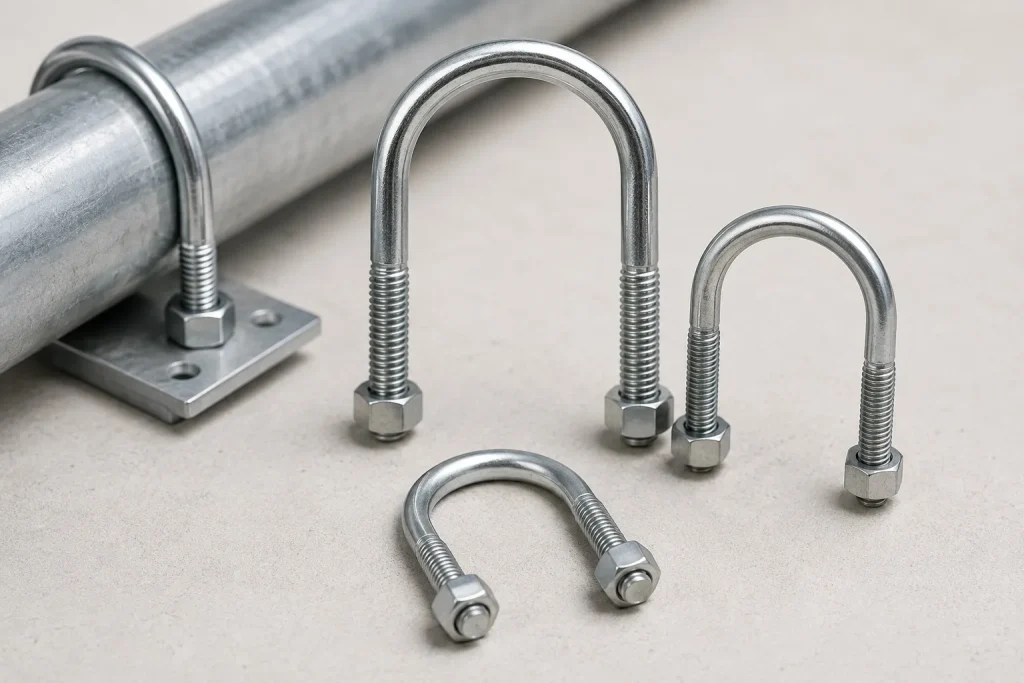
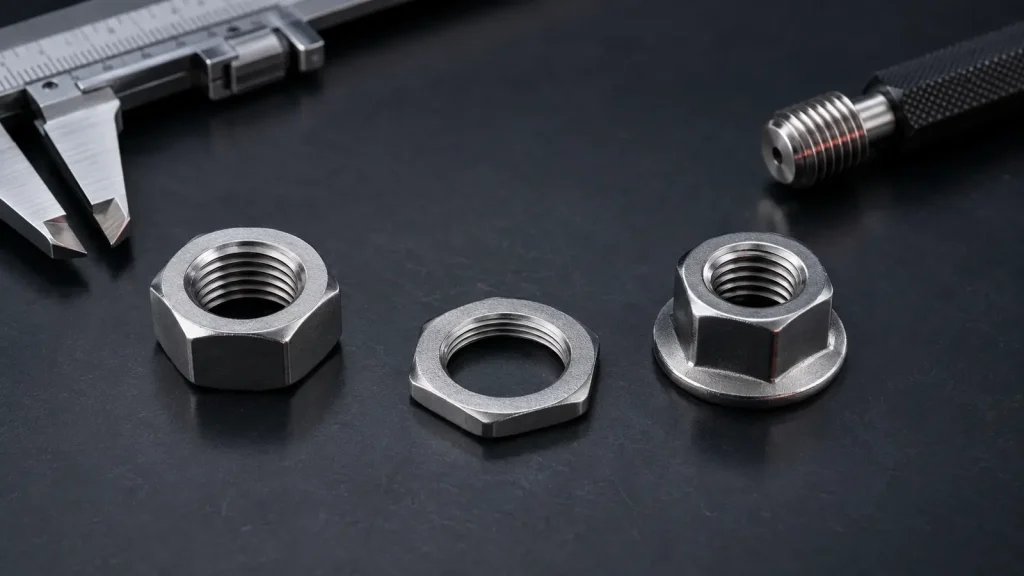
| Locking method for the joint |
Identify whether the nut uses prevailing torque, a nylon insert, an all-metal distorted thread, a jam-nut arrangement, or another locking design. |
Different locking styles handle vibration, temperature, reuse, and installation torque differently. A nylon insert may suit many general assemblies, while all-metal styles are often considered where heat or chemical exposure could damage non-metal inserts. |
Ask which lock nut type matches the operating temperature, vibration level, and expected number of removals in your assembly. |
| Thread standard and mating bolt fit |
Confirm the thread series, diameter, pitch, and standard required by the mating bolt or stud before comparing nuts. |
A lock nut that is close but not correct can damage threads, give false torque readings, or fail to clamp properly. Mixed standards are a common source of assembly problems. |
Send the bolt specification or drawing and ask the supplier to confirm the matching lock nut thread standard, not just the nominal size. |
| Nut height and available assembly space |
Compare the nut height, wrench clearance, and thread engagement length against the space around the joint. |
Some locking assemblies use thin or jam nuts where space is tight, but reduced height can also reduce thread engagement and change how the joint is tightened. |
Ask whether a standard-height lock nut or a thinner locking arrangement is more suitable for the available space and load path. |
| Material and surface finish compatibility |
Match the nut material and coating to the bolt material, service environment, and any corrosion or appearance requirement. |
Material and finish affect corrosion resistance, galling risk, and fit after coating. A coating that is too thick or poorly matched can interfere with thread assembly. |
Ask what material and finish options are available for the required size, and whether the finish is suitable for the mating fastener and working environment. |
| Installation torque and reuse expectations |
Clarify whether the assembly requires a specified tightening torque, prevailing torque range, or controlled reuse limit. |
Lock nuts depend on correct installation to maintain clamp load and locking action. Reusing some styles too many times can reduce locking performance. |
Ask what installation guidance should be followed for the selected lock nut and whether the nut is intended for single use or limited reuse. |