Popper Fastening for Removable Closures | Hebei Wotu Fastener Manufacturing Co., Ltd.

Popper fastening for removable closures

Popper fastening usually refers to a snap-style fastening method: a two-part connector that presses together and releases by pulling. Buyers choose it when a closure needs to open repeatedly without tools, such as on covers, light panels, bags, garments, protective equipment, or removable trim.

The main decision is not only the popper size or finish. The right fastening depends on the base material, how often it will be opened, how much pull it must resist, and whether the finished part needs a neat visible face, corrosion resistance, or easy field replacement.

Related Products

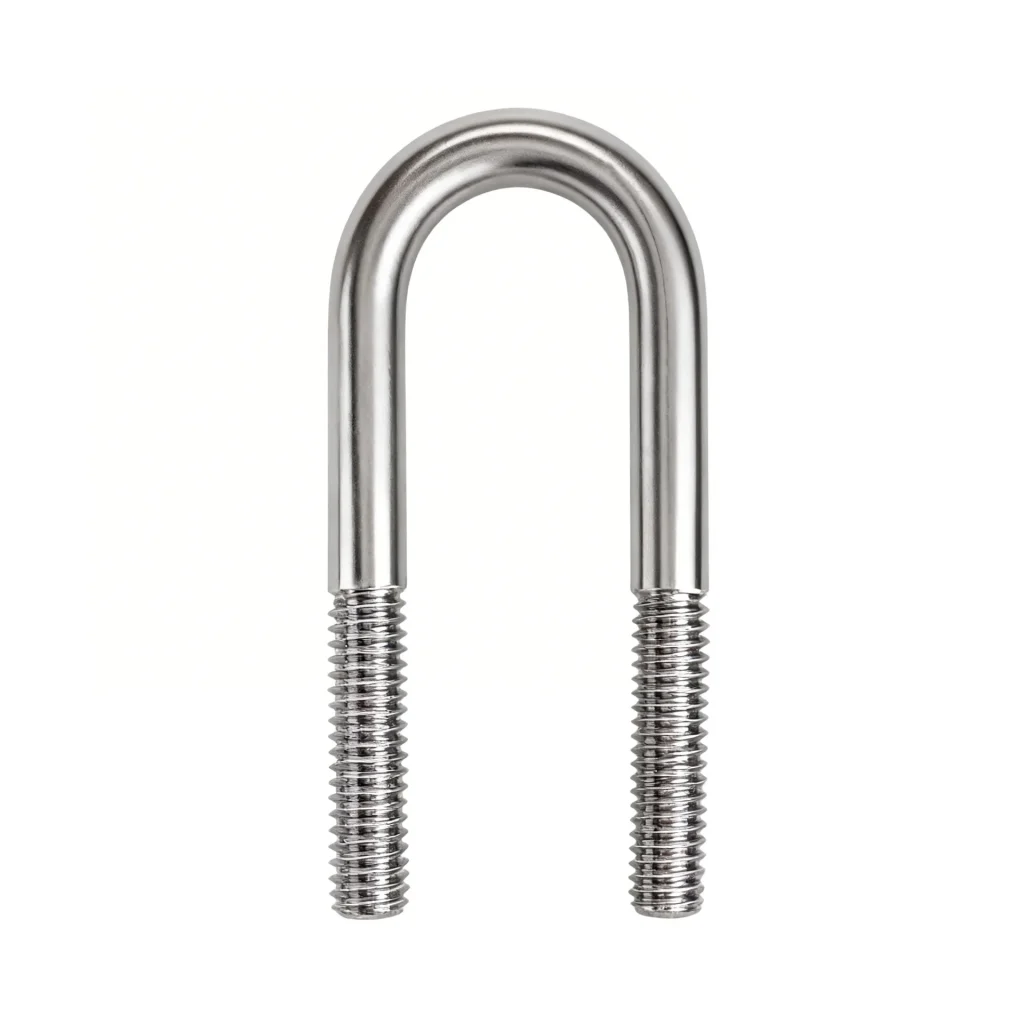
U-bolt ( / U-bolt, M10/M12/M16/M20/M24 multiple specifications)

U-bolt ( / U-bolt, M10/M12/M16/M20/M24 multiple specifications)

Brand: Wotu Surface: natural black oxide / hot-dip galvanized / blue-white zinc plated, multiple processes available Specifications: Based on common industry drawing parameters, suitable for pipe diameter 25mm~139.7mm, screw diameter M10~M24, total length can be nonstandard customized Matching: can be matched with nut, flat washer and spring washer of the same specifications for complete shipment Packaging: Bundling and packaging + 25kg export carton, full-container wooden pallet wrapped with film, supports private-label export packaging

Read More
Wafer Head Self-Drilling Screw

Wafer Head Self-Drilling Screw

Brand: Hengzuan Surface: blue and white zinc plated, can be customized color zinc plated, black oxide plated Specifications: Comply with GB/T15856.2 Chinese national standard, in stock ST3.5/ST4.2/ST4.8/ST5.5 mainstream wire diameter, rod length 13mm~50mm full range of specifications, nonstandard length customization on demand, drilling applicable plate thickness 2~5mm Packaging: 25kg export cartons, full pallets wrapped with film, supports neutral export packaging, private-label customization

Read More
Countersunk Head Blue-White Zinc Plated Self-Drilling Screw (Chinese National Standard: Phillips Countersunk Head Self-Drilling And Self-Tapping Screw GB/T15856.2-2002)

Countersunk Head Blue-White Zinc Plated Self-Drilling Screw (Chinese National Standard: Phillips Countersunk Head Self-Drilling And Self-Tapping Screw GB/T15856.2-2002)

Brand: Hengzuan Surface: blue and white zinc plated, can be customized color zinc plated, black oxide plated Specifications: Comply with GB/T15856.2-2002 Chinese national standard, in stock ST4.2/ST4.8/ST5.5 full range of specifications, length 13mm~75mm optional, supports customized nonstandard rod lengths; drilling adaptation plate thickness 0.7~6mm Packaging: 25kg export cartons, full pallets wrapped with film, supports neutral export packaging, customer private-label customization

Read More
Countersunk Head Blue Zinc Self-Drilling Screw

Countersunk Head Blue Zinc Self-Drilling Screw

Brand: Hengzuan Surface: blue and white zinc plated, can be customized color zinc plated, black oxide plated Specifications: in stock 3.5/3.9/4.2/4.8/5.5 mainstream wire diameter, rod length 13mm~75mm full size range, nonstandard length can be customized as needed Packaging: 25kg export cartons, full wooden pallets wrapped with film, supports neutral export packaging, private-label customization

Read More
Blue-White Zinc Plated Pan Head With Pad Self-Tapping Screw

Blue-White Zinc Plated Pan Head With Pad Self-Tapping Screw

Brand: Hengzuan Surface: blue and white zinc plated Specifications: in stock ST4.2/ST4.8full range of specifications, length 13~50mm in stock, support nonstandard length customization Packaging: 25kg cartons, solid wood packaging, support neutral packaging, private-label customization

Read More

Compare popper fastening options by material, release feel, and installation method

Popper fastening selection points

When comparing popper fastening options, look at the cap and socket style, stud and eyelet compatibility, material and finish, grip range, release force, and the tooling needed for installation. The best choice is the one that matches the substrate and use pattern rather than the one that only matches the visible size.

Criterion What To Check Why It Matters Buyer Tip
Popper type and opening style Confirm whether the application needs a press-stud snap, sew-on popper, rivet-mounted popper, or another snap fastening style. Different poppers attach in different ways and do not suit the same fabric, panel, or access requirement. Ask: which popper construction matches my material and how often will it be opened and closed?
Material compatibility Match the fastening to the base material, such as woven fabric, leather, canvas, plastic sheet, or light metal panel. A popper that holds well in thick canvas may tear thin fabric or fail to seat properly in a rigid panel. Ask for guidance based on the exact material thickness and whether reinforcement is needed around the hole.
Grip and pull resistance Verify how firmly the popper needs to hold under normal use, including pulling, vibration, washing, or outdoor movement. Too little retention causes accidental opening; too much retention can make the fastening hard to use or damage the surrounding material. Ask: can samples be checked on my actual material before choosing the final popper?
Finish and environment Consider exposure to moisture, sweat, cleaning chemicals, abrasion, or outdoor weather before choosing the metal or finish. The wrong finish can stain surrounding material, corrode, or lose appearance before the product reaches its expected service life. Ask which finish is suitable for indoor use, garments, bags, covers, or outdoor equipment.
Installation method and tooling Confirm the required setting tool, die, press, or hand tool before ordering the fastening. Even a suitable popper can fail if it is set with the wrong tool or uneven pressure. Ask what tooling is required and whether installation instructions or trial parts can be provided.

Choosing a popper fastening for repeated opening and secure closure

A popper fastening is different from a permanent rivet, screw, or bolt because it is designed for repeated opening rather than fixed clamping. That makes it useful for access panels, fabric assemblies, removable covers, and products that need quick manual closure.

The trade-off is holding strength and wear. A popper that is easy to release may not suit heavy vibration or high pull loads, while a firmer snap can be harder to use on soft fabric or thin sheet. The mating parts, installation method, and backing material should be chosen together, not treated as separate items.

Start with the material being fastened. Fabric, leather, plastic sheet, thin metal, and composite panels all need different support around the hole or fixing point. Soft materials may need a washer, reinforcement patch, or wider cap to stop tearing; rigid materials may need a stem length and setting method that avoid cracking or distortion.

Check the opening action and use cycle. If the user will open the fastening every day, the feel of engagement matters: it should snap positively without requiring excessive force. For covers or trims that are only removed for service, a stronger hold may be more important than one-handed operation.

Do not choose finish only by appearance. Outdoor or damp applications need attention to corrosion resistance and contact with the surrounding material. Mixed metals, coatings, and plated finishes can behave differently in moisture, abrasion, or cleaning environments, so ask how the popper will be used and maintained.

A useful inquiry should include the base material, approximate material thickness, the visible face style required, the expected pull direction, and whether installation will be done by hand tools, a press, or automated equipment. If you are contacting Hebei Wotu Fastener Manufacturing Co., Ltd., also confirm which popper fastening types, materials, and compatible setting methods are available for your application.


Criteria Importance Description Example Options
Base material Critical for preventing pull-out, cracking, or poor setting Fabric, leather, plastic, thin metal, and composite panels behave differently around the fixing point. The fastening should match the material strength and the support available around the hole. A soft fabric cover may need reinforcement, while a thin rigid panel may need careful selection of stem length and setting pressure.
Release force Important for user comfort and accidental opening risk A lighter snap is easier to open, but may not hold securely in movement. A firmer snap improves retention, but can be difficult to operate or may stress weak materials. A frequently opened access flap may favor easier release; a protective cover exposed to pulling may need a stronger hold.
Installation method Affects consistency, appearance, and production practicality Some popper fastenings can be set with hand tools, while others may need a press or dedicated tooling. Poor setting can loosen the fastening or damage the surrounding material. Small-batch repair work may use hand setting tools; repeated production may require a more controlled press process.
Material and finish Important where appearance, moisture, cleaning, or abrasion matters The finish should suit both the visible face and the working environment. Corrosion resistance, surface wear, and compatibility with the surrounding material should be checked before ordering. A decorative bag closure may prioritize appearance, while an outdoor cover may prioritize resistance to moisture and wear.
Alternative fastening type Useful when the application needs more than repeated snap closure Popper fastenings are convenient, but they are not the best answer for every joint. Screws, rivets, hook-and-loop, buckles, latches, or magnets may suit different strength, adjustability, or access needs. A removable trim may suit a popper; a panel that must stay fixed under vibration may need a more secure mechanical fastener.

Blog Articles / Reviews

Which U-Bolt Measurements Must Buyers Provide Before a Quote?

Which U-Bolt Measurements Must Buyers Provide Before a Quote?

For an M10–M24 U-bolt RFQ, buyers should send a dimensioned drawing that defines thread diameter, inside width, leg or overall length, bend geometry, thread length, application diameter, material or grade requirement, surface finish, matching nuts/washers, quantity, and packing needs. Nominal thread size alone is not enough because different measurement datums can produce U-bolts that look […]

Why Do Self-Tapping Roofing Screws Leak Even When the Screw Length Looks Correct?

Why Do Self-Tapping Roofing Screws Leak Even When the Screw Length Looks Correct?

Direct answer: Correct screw length does not guarantee a watertight metal-roof connection. Self tapping roofing screws can leak because of incorrect washer compression, enlarged or stripped holes, insufficient thread engagement, panel movement, or an unsuitable coating-and-washer system. Buyers should diagnose the complete installed connection—including panel profile, support thickness, point type, washer condition, and exposure—rather than […]

Applications of Self-Drilling Screws in Daily Life

Applications of Self-Drilling Screws in Daily Life

The use of self-drilling screws is becoming increasingly widespread in everyday home renovations and large-scale industrial manufacturing. So, what are the specific applications of self-drilling screws? How can we quickly determine whether or not we should use them? Let Hebei Wotu Fastener Manufacturing Co., Ltd. show you! The tail of a self-drilling screw is shaped […]

The Widespread Application of Hot-Dip Galvanized Bolts in Daily Life

The Widespread Application of Hot-Dip Galvanized Bolts in Daily Life

Hot-dip galvanized bolts are widely used in daily life, especially due to their advantages, which have led to their rapid development in the market and widespread consumer appeal. So what are the specific advantages of hot-dip galvanized bolts in use? Today, Hebei Wotu Fastener Manufacturing Co., Ltd. will explain. 1. Due to its special surface […]

Definition of Self-Drilling Screw

Definition of Self-Drilling Screw

A screw is a tool that uses the physical and mathematical principles of inclined planes, circular rotation, and friction to gradually tighten objects and machine parts. A self-drilling screw is a screw with a self-tapping drill bit at its tip. Screws are a common invention of humankind throughout history, and in terms of application, they […]

Anchor Bolts: 7 Ordering Errors That Cause Site Rework

Anchor Bolts: 7 Ordering Errors That Cause Site Rework

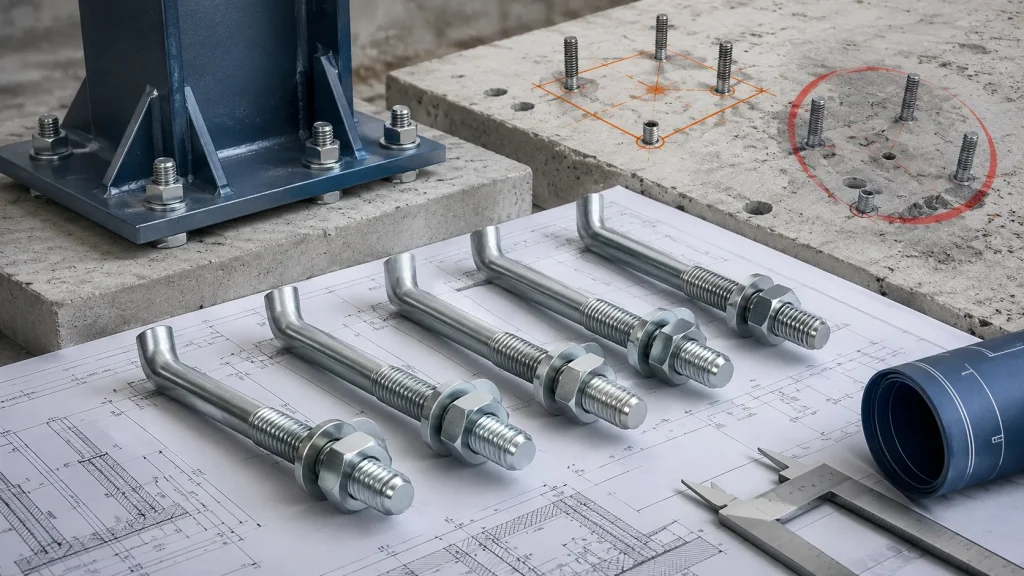
ost anchor bolt ordering errors come from incomplete drawings, unclear dimensions, unsuitable material or coating choices, undefined tolerances, and mismatched nuts or washers. These mistakes affect steel fabricators, EPC contractors, equipment installers, importers, and distributors because anchor bolts are usually embedded before the connected structure arrives on site. Once concrete has cured, even a small […]

Frequently Asked Questions

Is a snap-style closure suitable for load-bearing fastening?

Usually not as the main load-bearing joint. A popper fastening is best for repeated access, positioning, and light to moderate closure; if the assembly must resist high structural loads, vibration, or constant tension, a screw, bolt, rivet, latch, or another mechanical fixing may be more appropriate.

What is the main difference between a popper and a rivet?

A rivet is normally a permanent or semi-permanent fixing used to clamp parts together. A popper is made from mating parts that press together and release, so it suits covers, flaps, and panels that need to be opened again.

Why do some poppers pull out of fabric or thin sheet?

Pull-out often comes from using the wrong stem length, insufficient backing support, or a hole that has been cut too large. Soft materials may need reinforcement, a washer, or a wider cap area so the force spreads across the material instead of tearing around the fixing point.

Should the easiest-to-open option always be chosen?

Not always. A light release force can be comfortable for frequent use, but it may open accidentally under movement, wind, vibration, or tension. A firmer snap may be better for covers and protective parts, provided the user can still open it without damaging the base material.

What details should be provided before asking for a recommendation?

Share the base material, thickness, hole or fixing method if known, expected opening frequency, pull direction, visible finish, and whether installation will use hand tools, a press, or production equipment. Also ask Hebei Wotu Fastener Manufacturing Co., Ltd. to confirm which popper styles, materials, finishes, and setting methods are available for the intended application.

Leave Your Message

Send the base material, material thickness, and intended use environment. If possible, include the required visible finish and how the fastening will be installed.