Skil 12v Impact Driver Selection Guide | Hebei Wotu Fastener Manufacturing Co., Ltd.

Fasteners for a Skil 12V Impact Driver

A Skil 12V impact driver is usually considered for light fastening work where a full-size driver feels bulky: cabinet hardware, brackets, light framing connectors, service work, and assembly jobs using small screws or bolts.

The important purchase decision is not only the driver itself. The fastener head style, drive recess, material, coating, and thread type all affect whether the tool seats the fastener cleanly or causes cam-out, stripped heads, broken screws, or damaged parts.

Related Products

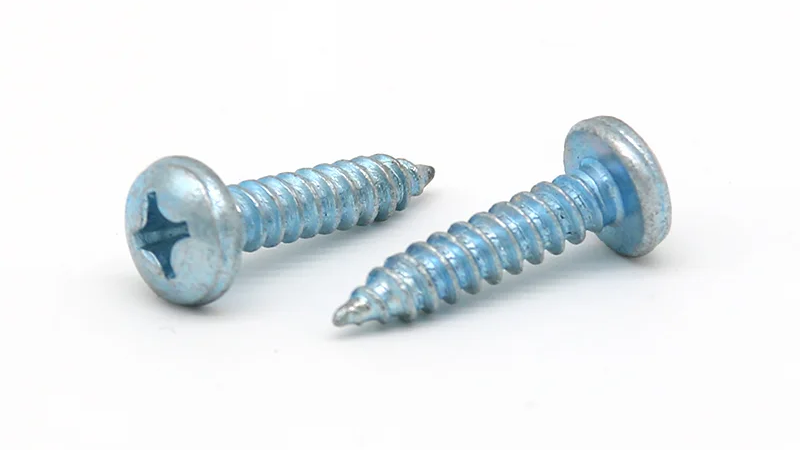
Blue-White Zinc Plated Pan Head With Pad Self-Tapping Screw

Blue-White Zinc Plated Pan Head With Pad Self-Tapping Screw

Brand: Hengzuan Surface: blue and white zinc plated Specifications: in stock ST4.2/ST4.8full range of specifications, length 13~50mm in stock, support nonstandard length customization Packaging: 25kg cartons, solid wood packaging, support neutral packaging, private-label customization

Read More
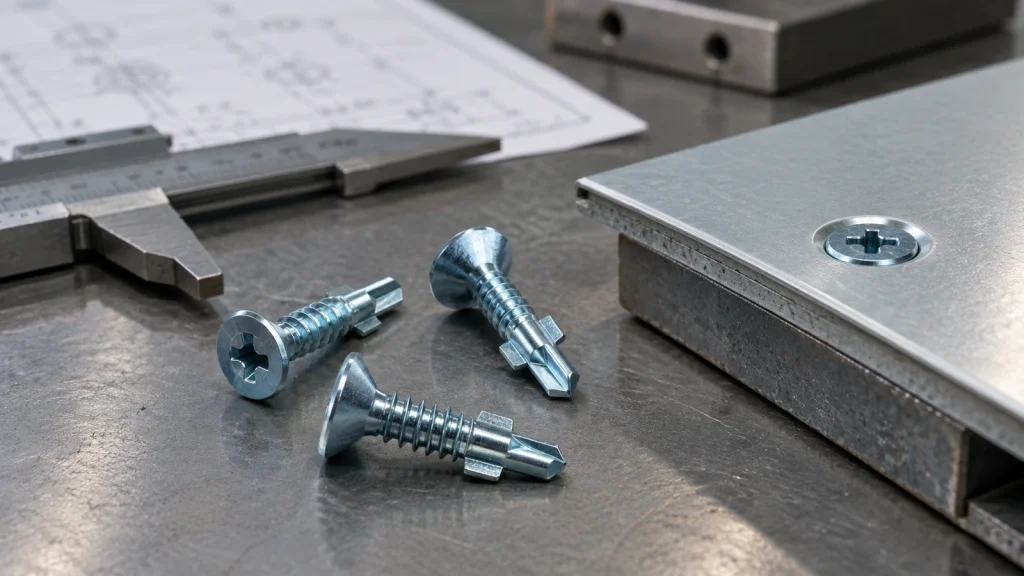
Countersunk Head Blue Zinc Self-Drilling Screw

Countersunk Head Blue Zinc Self-Drilling Screw

Brand: Hengzuan Surface: blue and white zinc plated, can be customized color zinc plated, black oxide plated Specifications: in stock 3.5/3.9/4.2/4.8/5.5 mainstream wire diameter, rod length 13mm~75mm full size range, nonstandard length can be customized as needed Packaging: 25kg export cartons, full wooden pallets wrapped with film, supports neutral export packaging, private-label customization

Read More

Fastener choices for compact impact driver installation

Fastener selection criteria

Useful selection criteria include fastener type, head style, drive recess, thread form, coating, base material, and installation method. If the fastener will be driven with a Skil 12V impact driver or a similar compact tool, confirm the bit interface and seating requirements early so the chosen fastener suits both the joint and the installer’s tool.

Criterion What To Check Why It Matters Buyer Tip
Exact SKIL model and kit contents Match the model number, included battery, charger, case and accessories against the quotation or datasheet. A bare tool and a complete kit can look similar but suit different purchasing needs and budgets. Ask, “Which exact model is offered, and what is included in the box?”
Battery platform and charger compatibility Confirm the battery voltage, battery type and whether the tool works with the SKIL batteries already used at your site. Compatibility affects runtime, spare-battery planning and whether you need another charger. Ask, “Can you confirm compatibility with our existing SKIL 12V batteries and charger?”
Drive size and fastening range Verify the square or hex drive interface and the fastener sizes and materials recommended in the manual. The interface determines which sockets or bits fit, while the application range helps prevent underpowered or unsuitable use. Ask, “Which bit and socket accessories are approved for the jobs we plan to do?”
Control features for the intended work Check whether the specific model offers variable speed, selectable modes, an electronic brake or work light, and confirm each feature in the product documentation. Control features can improve handling on small fasteners and reduce the risk of overdriving screws or damaging workpieces. Ask, “Which speed or impact settings are available on this exact model?”
Ergonomics and operating conditions Review the tool weight with its battery, grip shape, balance and any stated limitations for dust, moisture or continuous use. A compact impact driver may be easier to use overhead, while operating limits affect suitability for workshop or site conditions. Ask, “What is the assembled tool weight, and what operating conditions does the manual permit?”

Matching a Skil 12V impact driver to the right fastener

A compact 12V impact driver is different from a drill driver because it adds rotational impacts when resistance increases. That makes it useful for driving many fasteners quickly, but it can also be harder on small screws, soft materials, plated heads, and precision assemblies.

For buyers selecting fasteners to use with a Skil 12V impact driver, the practical distinction is control versus driving force. A short screw in thin metal, wood trim, or hardware may need a better-matching bit and a stronger recess more than it needs extra torque. Larger structural bolts or heavy-duty anchors may call for a different tool class rather than simply pushing a compact driver harder.

Start with the fastener application, not the tool brand. Confirm the base material, joint thickness, access space, and whether the fastener is used for clamping, alignment, hanging, or repeated removal. A compact impact driver can work well in tight locations, but the wrong screw length, thread form, or point style can still split wood, strip sheet metal, or fail to tighten properly.

Choose the drive style carefully. Phillips heads are common but can cam out under impact if the bit fit is poor. Hex, socket, Torx-style, or other positive-drive recesses often give better engagement for repeated driving, especially where installers need speed and consistent seating. The best choice depends on the assembly process, tamper concerns, appearance, and available tooling.

Match the fastener finish and material to the environment. Indoor dry assembly, outdoor exposure, treated timber, light steel, and corrosive environments all place different demands on coating and base material. Do not assume a general-purpose screw is suitable just because the driver can install it; the joint conditions determine the fastener requirement.

Avoid using impact force to compensate for a poor fit. If heads strip, bits wear quickly, screws snap, or the fastener stops before seating, check pilot holes, thread engagement, bit condition, head recess, and material hardness before changing tools. For an inquiry, share the fastener size or drawing, material being fastened, installation environment, head and drive preference, and whether the fastener will be installed by hand tools or impact drivers.

Criteria Importance Description Example Options
Drive recess choice Often decides installation reliability The recess must hold the bit securely under impact. A weak or mismatched recess can lead to cam-out, damaged heads, and slower assembly. A positive-drive recess may be preferred for repeated fastening, while Phillips may be acceptable for lighter general assembly where bit fit is controlled.
Fastener size and joint demand Determines whether the tool class is appropriate A compact 12V impact driver is better suited to light and medium fastening than heavy bolted connections. The fastener should match the load, material thickness, and clamping requirement. Small hardware screws and brackets are a different decision from large anchors or heavy structural bolts.
Material being fastened Affects thread type, point style, and pilot-hole needs Wood, sheet metal, light steel, plastics, and mixed-material joints respond differently to impact driving. The wrong thread or point can split, strip, or fail to clamp properly. A screw for thin sheet metal may need different thread engagement than a screw used in timber or a pre-drilled assembly.
Coating and base material Important for service life and appearance The environment should guide the finish and material choice. Indoor dry use, outdoor exposure, treated timber, and corrosive conditions can require different fastener materials or coatings. A general-purpose indoor screw should not be assumed suitable for damp or outdoor installation.
Control versus speed Important when damage to the workpiece matters Impact drivers can speed up repetitive fastening, but they can also overdrive screws or mark finished surfaces if the operator lacks control or the fastener seats abruptly. Cabinet hardware or visible brackets may need careful bit fit, washers, pilot holes, or a lower-impact installation approach.

Blog Articles / Reviews

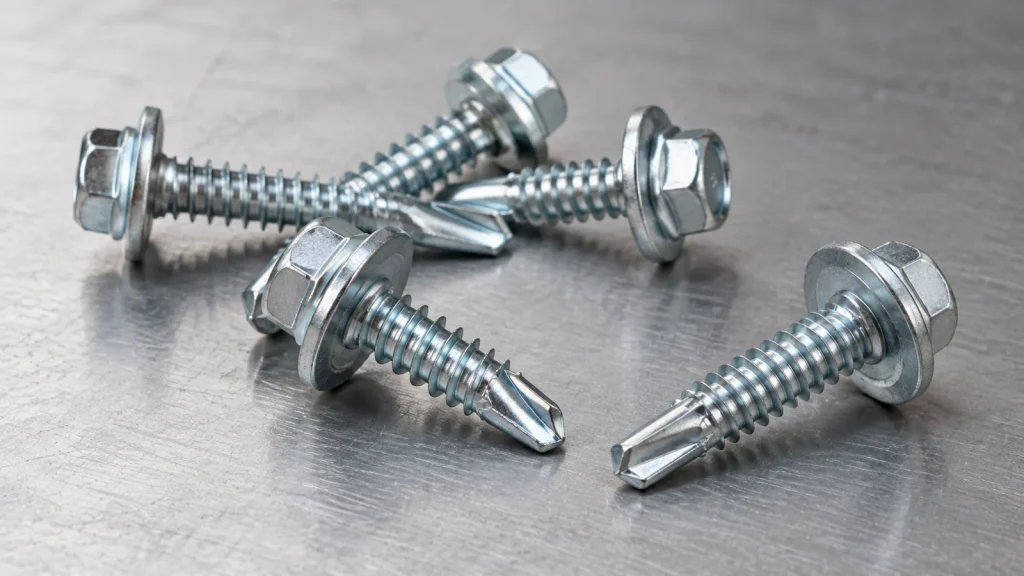
Hex Head Self-Drilling Screws with Cup Washers: Choosing Drill Point and Length

Hex Head Self-Drilling Screws with Cup Washers: Choosing Drill Point and Length

Choosing a hex head self-drilling screw with a cup washer requires more than selecting ST5.5 or ST6.3 and a nominal length. The drilling point must suit the steel it penetrates; the threaded section must engage the intended supporting material; and the head-and-washer assembly must seat correctly on the outer panel. A screw’s drilling capacity is […]

How to Choose Self-Tapping Screws for Plastic Parts

How to Choose Self-Tapping Screws for Plastic Parts

Choose self-tapping screws for plastic by matching the thread design to the resin, pilot hole and surrounding plastic, then checking head seating, thread engagement and tightening conditions on actual parts. Screw diameter alone cannot establish a suitable hole size or installation torque. This guide concerns metal screws fastening into plastic components. These screws create their […]

What RFQ Details Matter When Ordering Blue Zinc Winged Self-Drilling Screws?

What RFQ Details Matter When Ordering Blue Zinc Winged Self-Drilling Screws?

When ordering a blue zinc self drilling screw with a winged, countersunk configuration, diameter and length are not enough to define the application. The RFQ should identify the materials being connected, upper-material thickness, steel-substrate thickness, total material stack, required countersunk seating, screw diameter, total length, drill-point condition, wing geometry, surface treatment, installation method, quantity and […]

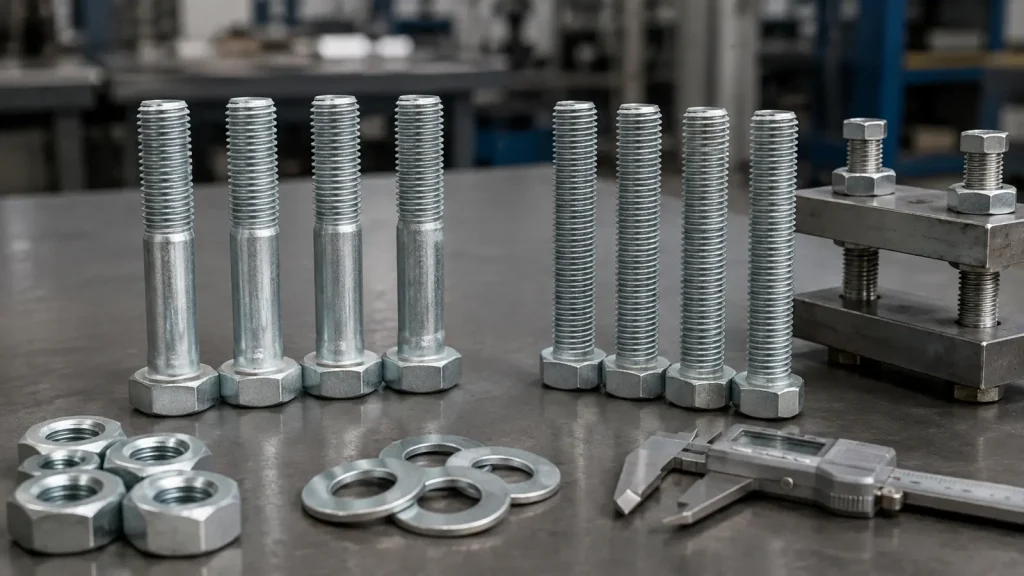
DIN 931 vs DIN 933 Hex Bolts: What Should Buyers Confirm Before Bulk Ordering?

DIN 931 vs DIN 933 Hex Bolts: What Should Buyers Confirm Before Bulk Ordering?

DIN 931-style half-thread and DIN 933-style full-thread hex bolts should not be selected from diameter and overall length alone. The practical choice depends on the joint stack, required grip, location of the thread transition, available nut engagement, mating hardware, material or property requirement, coating system and governing product specification. A half-thread bolt is not automatically […]

What Should Buyers Verify When Comparing Bolt Manufacturers?

What Should Buyers Verify When Comparing Bolt Manufacturers?

A bolt manufacturer should be evaluated against a defined joint, drawing and acceptance plan—not a product list or unit price alone. Buyers need to verify whether the supplier can manufacture the required geometry, control material and heat-treatment requirements where applicable, manage threads and coatings as one dimensional system, inspect critical characteristics, preserve batch traceability and […]

Which Hexagonal Wood Screw Specifications Should Buyers Freeze Before Production?

Which Hexagonal Wood Screw Specifications Should Buyers Freeze Before Production?

A hexagonal wood screw order should not be released from a gauge number and length alone. Before production, the buyer and supplier need one approved specification that fixes the screw diameter, length basis, thread geometry, point, hex-head dimensions, material, finish, installation method, substrate and acceptance evidence. The pilot hole belongs in the application specification as […]

Frequently Asked Questions

Is a 12V impact driver suitable for installing small screws?

Yes, it can be suitable for many small screws if the speed, bit fit, and fastener recess are well matched. It is not always the safest choice for delicate trim, soft materials, or very small screws because impact action can strip heads or overdrive the fastener.

Should I use Phillips, hex, or Torx-style drive fasteners with a compact impact driver?

Phillips is common, but it can cam out more easily under impact if the bit does not fit tightly. Hex socket, external hex, and Torx-style recesses usually give more positive engagement, which can help on repeated installation work or harder materials.

Can a compact driver replace a larger impact driver for bolts and anchors?

Not in every case. A compact 12V tool is useful in tight spaces and lighter fastening, but larger bolts, heavy anchors, or structural connections may need a higher-capacity tool and a fastener designed for that load and installation method.

Why do screw heads strip even when the driver has enough power?

Stripping is often caused by poor bit fit, the wrong drive style, worn bits, insufficient pilot holes, or a fastener that is too soft for impact installation. More torque usually makes the problem worse rather than solving it.

What information should be provided when asking about compatible fasteners?

Share the fastener size or drawing, base material, joint thickness, head style, drive preference, coating requirement, and installation environment. If installers will use a Skil 12V impact driver or similar compact impact tool, mention that so the drive recess and seating behavior can be considered.

Leave Your Message

Send the fastener size or drawing, the material being fastened, and the preferred head or drive style. If installation will use a Skil 12V impact driver or similar tool, include that detail so the fastener and bit fit can be checked.