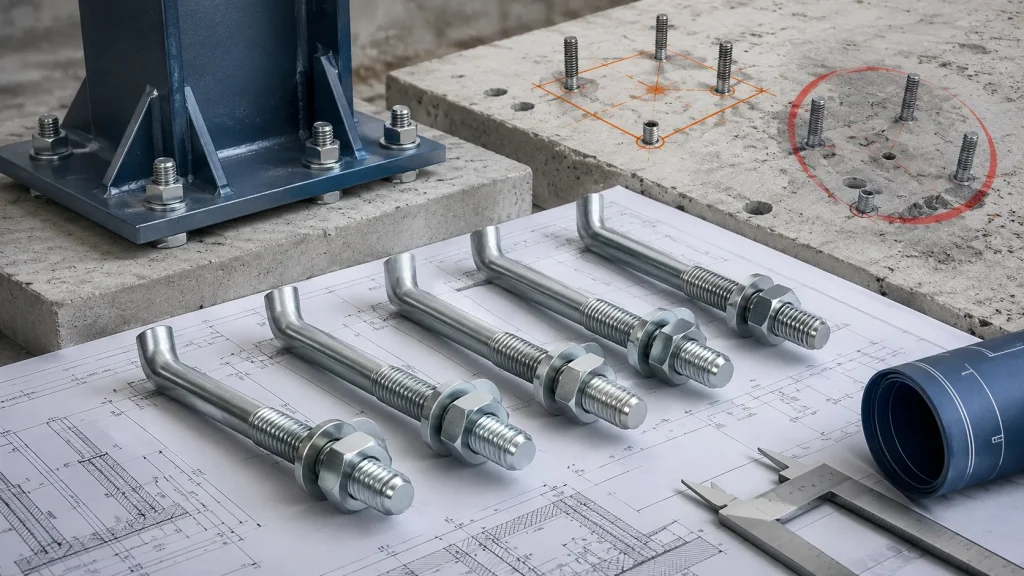
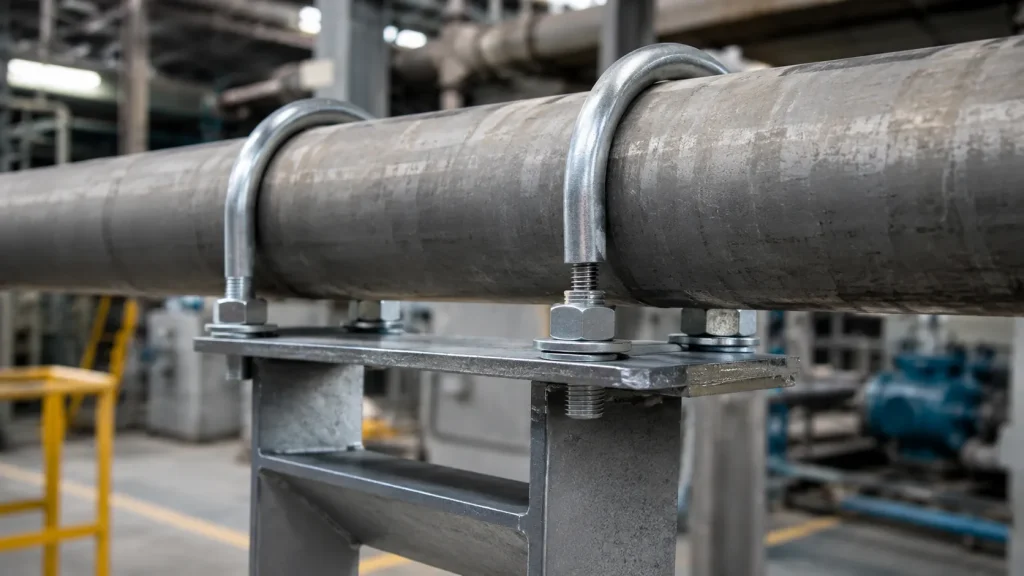
The main distinction is between a cap screw and a general bolt. A cap screw is commonly tightened directly into a tapped hole or used with a nut, while a conventional bolt is normally specified as part of a bolt-and-nut joint. That difference affects the required thread engagement, accessible installation space and whether a separate nut and washer are needed.
For a tapped assembly, specify the mating thread and the usable thread depth rather than choosing length from the overall joint thickness alone. For a through-bolted joint, check the grip length, washer arrangement, nut compatibility and clearance behind the joint.
Start with the joint and head clearance. Choose the head style and drive around the available tool access, required seating area and risk of interference with adjacent parts. A socket head may fit a confined assembly, while a low-profile or countersunk form may be needed where the head must stay below a surface. Do not substitute these forms without checking the clamping surface and available tool engagement.
Define size in a complete format: thread diameter, pitch or thread series, length measurement point, and any tolerance or standard required. For tapped holes, verify thread engagement and bottom clearance. For through-holes, allow for the washer, nut and any protruding thread. A frequent ordering mistake is specifying overall length without stating how length is measured for the selected head style.
Match material and finish to the service environment and joint requirements. Consider corrosion exposure, temperature, contact with dissimilar metals, appearance and the required strength class or grade. A corrosion-resistant material may be preferable in a wet environment, but material substitution can change strength, galling risk and tightening practice, so confirm compatibility rather than relying on a similar-looking finish.
Before requesting a quotation, send a drawing or a clear part description with the head style, drive, thread designation, length, material or grade, finish, quantity and intended joint. If the fastener replaces an existing part, include a sample or readable markings and state what must remain interchangeable. Ask which standard, inspection records and packaging details can be supplied for the specified part.